The best traffic-free bike rides around La Ciotat
4.2
(314)
3,810
riders
16
rides
No traffic touring cycling routes around La Ciotat offer a diverse landscape characterized by the dramatic white limestone cliffs of the Calanques National Park and the ochre-orange Soubeyranes Cliffs of Cap Canaille. The region features a mix of coastal paths, rocky inlets, and areas with Mediterranean flora. Cyclists can navigate varied terrain, from challenging coastal roads with significant elevation changes to more relaxed urban paths.
Best no traffic touring cycling routes around La Ciotat
- The most popular no traffic touring…
Last updated: November 2, 2026
4.8
(106)
887
riders
26.7km
02:16
900m
900m
Hard bike ride. Very good fitness required. Mostly paved surfaces.
5.0
(4)
102
riders
32.3km
03:12
870m
870m
Hard bike ride. Very good fitness required. Mostly paved surfaces.

4.0
(4)
31
riders
17.6km
01:35
580m
580m
Hard bike ride. Very good fitness required. Mostly paved surfaces.
4.0
(2)
50
riders
Easy bike ride. Mostly paved surfaces.
5.0
(1)
41
riders
Hard bike ride. Very good fitness required. Mostly paved surfaces.
Get access to more routes and recommendations from other explorers.
Already have an account?
Our route recommendations are based on thousands of hikes, rides, and runs completed by other people on komoot.
Start today with a free account
Your next adventure awaits.


Other adventures around La Ciotat

Tips from the Community

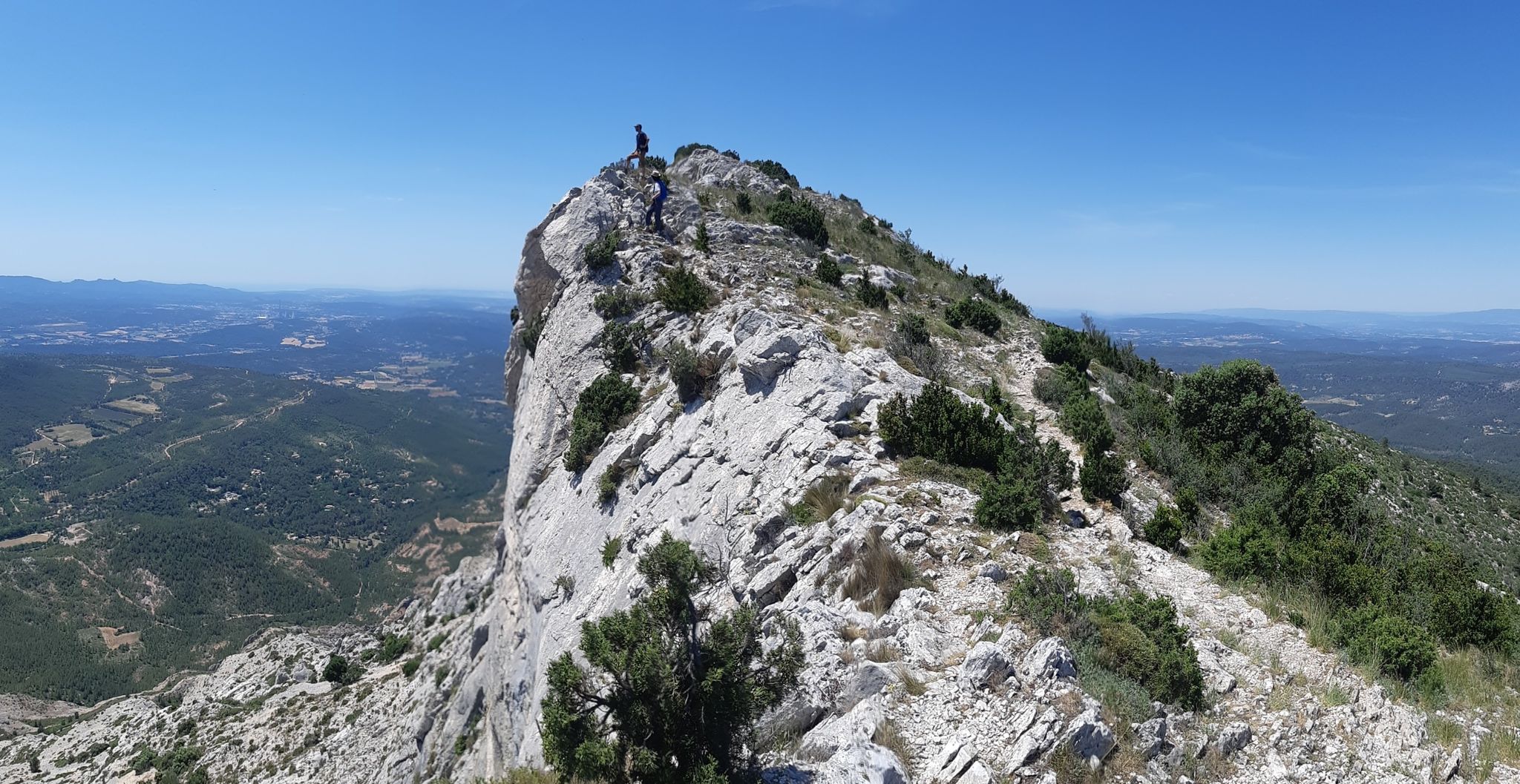
An incredibly beautiful route along the mountain ridge, once you have managed the extreme climb (up to 24%) from Cassis. Very rewarding!!!
0
0
A steep climb takes you from Cassis up to the Routes des Cretes. An absolutely worthwhile effort!
0
0
Wonderful when this view suddenly appears, after the ride along the ridge on the Routes des Cretes!
0
0

beautiful view over Cassis
0
0


View from la Ciotat and its harbour from the gravel track in the hills above the coast
0
0
Great road, wide and of good quality. Be careful, there can be traffic during rush hour. On weekends, it's rarely a problem.
0
0

📜 Cassis, a village through the centuries 🗿 The origins... Cassis has been inhabited since prehistoric times! The underwater Cosquer Cave and the rock shelters around the village bear witness to this. The connection between man and this territory has never been severed since. ⛰️ The Celto-Ligurians As early as the 3rd century BC, the Celto-Ligurians settled in the region. They built fortified villages (oppida) on the hills. They traded with the Greeks of Massalia, attracted by the local riches: coral, sheltered coves, etc. Vines and olive trees may have already appeared, but the mystery remains! 🏛️ The Roman period In the 1st century BC, Cassis became a bustling town. Fishing and trade took place there, and above all, the famous Cassis stone, used in construction, began to be mined. The ancient port, mentioned under the name of Carsicis Portus, bears witness to a true maritime life. ⚔️ From the withdrawal of the lords Between the 5th and 10th centuries, invasions forced the inhabitants to leave the port and take refuge in a castrum, a fortified village on the hills. In 1223, Cassis came under the control of the lords of Baux de Provence. ⛪ The time of the bishops In the 15th century, Cassis joined the County of Provence. King René then entrusted the city to the bishops of Marseille, who retained control of it until the Revolution. The crozier on the city's coat of arms still recalls this era. ⚓ Port, trades, and expansion From the 18th century onward, Cassis opened up around its port. Cod, coral, olive oil (thanks to the famous scourtins), stone are all cultivated here... and vines are increasingly common. 🍇 From wine to tourism In the 20th century, the old industries declined. Cassis wine gained in renown (Appellation d'Origine Contrôlée in 1936!), and tourism became essential. 🌞 Today Cassis seduces with its colorful alleyways, shaded squares, fountains, bowling greens... and its gentle way of life between the sea, cliffs, and vineyards. A village steeped in history, nature, and the Provençal art of living 🌊🍷🌿
0
0
Frequently Asked Questions
How many no-traffic touring cycling routes are available in La Ciotat?
There are 17 dedicated no-traffic touring cycling routes around La Ciotat listed on komoot. These routes offer a variety of experiences, from easy coastal rides to more challenging loops through the dramatic landscapes.
Are there any easy, traffic-free cycling routes suitable for beginners or families?
Yes, there are a couple of easy, traffic-free routes. A great option is the Old Port of La Ciotat loop from Anciennes Villas des frères Lumière, which is approximately 8.3 km long and features minimal elevation gain, making it ideal for a relaxed ride. The Voie Douce Patrick Boré also offers a relaxed, car-free experience traversing the town.
What kind of terrain can I expect on no-traffic touring cycling routes in La Ciotat?
The terrain varies significantly. While some routes, like the Voie Douce, are relatively flat, many others involve substantial elevation changes due to La Ciotat's dramatic coastal and inland landscapes. You can expect a mix of paved paths, former railway tracks, and potentially some gravel sections, especially when venturing towards the Calanques or higher viewpoints. Routes like the View of La Ciotat – Route des Crêtes loop are known for their challenging climbs and descents.
What natural features or viewpoints can I see along these routes?
La Ciotat's routes offer breathtaking natural beauty. You can expect panoramic views of the Mediterranean Sea, the striking white limestone cliffs of the Calanques National Park, and the ochre-orange Soubeyranes Cliffs of Cap Canaille. Notable viewpoints include the Notre-Dame-de-la-Garde chapel and various points along the Route des Crêtes. The Parc du Mugel, with its unique microclimate and diverse flora, is also a highlight.
Are there any circular no-traffic cycling routes?
Many of the no-traffic touring cycling routes in La Ciotat are designed as loops, allowing you to start and end at the same point. Examples include the View of La Ciotat – Route des Crêtes loop and the Grand Caunet Parking loop, offering convenient options for a full day's ride.
What is the best time of year to go touring cycling in La Ciotat?
The best time for touring cycling in La Ciotat is typically spring (April to June) and autumn (September to October). During these seasons, the weather is pleasantly mild, and the landscapes are vibrant. Summer can be very hot, making longer rides challenging, while winter can bring cooler temperatures and occasional rain, though many days remain suitable for cycling.
What do other touring cyclists enjoy most about cycling in La Ciotat?
The area is highly rated by the komoot community, with an average score of 4.3 stars from over 250 reviews. Reviewers often praise the stunning coastal views, the diverse landscapes ranging from dramatic cliffs to lush botanical gardens, and the opportunity to explore charming towns and natural parks away from heavy traffic.
Are there any specific attractions or points of interest near the no-traffic routes?
Yes, several attractions are accessible. You can explore the picturesque Calanques of Figuerolles and Mugel, or visit the Parc du Mugel. Other nearby natural highlights include Port-Pin Beach, En-Vau Beach, and various caves like the Spanish Cave. The old port of La Ciotat also offers a charming stop.
Are there any restrictions for cycling within the Calanques National Park?
The Calanques National Park has specific regulations to protect its fragile environment. While some paths are open to cyclists, others may be restricted, especially during periods of high fire risk. It's advisable to check the official park guidelines before planning your route to ensure compliance and safety.
Where can I find parking for these no-traffic cycling routes?
Parking is generally available in and around La Ciotat, particularly near popular starting points for routes. For example, the Grand Caunet Parking loop suggests a convenient parking area. Many routes also start from within the town, where public parking options can be found.
What is the longest no-traffic touring cycling route available?
Among the listed routes, the Baie des Anges – View of Cassis loop from La Ciotat-Ceyreste is one of the longest, covering approximately 40.2 km. This route is rated as difficult due to significant elevation changes, offering a substantial challenge for experienced touring cyclists.
Most popular routes around La Ciotat
Most popular attractions around La Ciotat

Get inspired with the komoot mobile app


Explore more
Browse the best Cycling routes in other regions.
