The best traffic-free bike rides around Jonzac
4.7
(88)
1,524
riders
98
rides
No traffic road cycling routes around Jonzac traverse a diverse landscape in southwestern France, characterized by rolling hills, extensive vineyards, and verdant river valleys. The region's limestone terrain supports viticulture, creating a picturesque wine-growing bocage with panoramic views. Cyclists can explore routes through the Seugne river valley and wooded areas like the forest of la Lande, offering varied scenery for road biking.
Best no traffic road cycling routes around Jonzac
- The most popular no traffic road cycling route is Saint-Sauvant,…
Last updated: August 26, 2026
2
riders
101km
04:41
970m
970m
Hard road ride. Very good fitness required. Mostly well-paved surfaces and easy to ride.
2
riders
84.5km
03:36
470m
470m
Moderate road ride. Good fitness required. Mostly well-paved surfaces and easy to ride.

Sign up for free
106km
04:45
680m
680m
Moderate road ride. Good fitness required. Mostly well-paved surfaces and easy to ride.
5.0
(1)
21
riders
62.8km
02:38
370m
370m
Moderate road ride. Good fitness required. Some segments of this route may be unpaved and difficult to ride.
5.0
(5)
10
riders
47.6km
02:02
320m
320m
Moderate road ride. Good fitness required. Mostly well-paved surfaces and easy to ride.
Get access to more routes and recommendations from other explorers.
Sign up for free
Already have an account?
Our route recommendations are based on thousands of hikes, rides, and runs completed by other people on komoot.
Start today with a free account
Your next adventure awaits.
Login or Signup
Popular around Jonzac
Traffic-free bike rides around Saint-Médard
Traffic-free bike rides around Léoville

Traffic-free bike rides around Celles
Traffic-free bike rides around Neulles
Traffic-free bike rides around La Genétouze

Traffic-free bike rides around Vibrac
Traffic-free bike rides around Saint-Georges-Antignac
Traffic-free bike rides around Clam

Traffic-free bike rides around Chaunac
Traffic-free bike rides around Sainte-Lheurine
Other adventures around Jonzac

Tips from the Community

The site of La Baine, in Chaniers, predates the current mill. 14th century: the first attested mills A document dated 1310 mentions cloth mills at La Baine. They were built on piles driven into the riverbed and were used, among other things, for fulling fabrics. These mills then belonged to the dean and chapter of the cathedral of Saintes. They had been destroyed a few years earlier by the Count of la Marche. In 1313, the chapter obtained authorization to rebuild two mills, a weir, and a fishery. 17th century: Colbert's royal mill It was in the 17th century that La Baine gained considerable importance. A complex of five wheat mills was rebuilt on a secondary branch of the Charente, which was not used for navigation. Around 1630, the mills belonged to the brothers Charles and Jacques Duval, who held the beneficial ownership, while the lordship of Chaniers was under the chapter of the Saint-Pierre de Saintes cathedral. Then came Jean-Baptiste Colbert, minister to Louis XIV and Secretary of State for the Navy. Around 1670, Colbert had the mill redeveloped and enlarged to considerably increase its production capacity. The new complex had seven water passages and thus became one of the most powerful mills in the region. Why was Colbert interested in La Baine? The reason was directly linked to the creation and development of the Rochefort arsenal. The mill primarily produced wheat and barley flour intended for the sustenance of the Royal Navy sailors. The grains arrived via the Charente aboard gabares (flat-bottomed barges). After delivering their cargo to the mill, the gabares departed with the flour destined, among other places, for Rochefort. The mill of La Baine was therefore part of a true royal industrial and logistical system organized around the Charente and Rochefort. 19th century: gradual transformation In the 19th century, milling activity continued. The old mills gradually became a true industrial establishment. In 1845, the site was operated by five different millers. From 1897, the complex was gradually brought together by Mr. Lardy, who modernized the facilities and introduced machinery. His son Rémy Lardy succeeded him. 20th century: the flour mill In the 1930s, the mill had become a true industrial flour mill. Its capacity reached about 50 quintals of wheat per day. In 1936, the hydraulic power was supplied by several wheels about 5 meters in diameter. The total water intake was about 4 meters, with a head of 1.50 meters. The facilities included, among other things: two double grinders; a double converter; a pair of millstones; a plansichter; five purifiers. Milling activity finally ceased in the mid-20th century, with sources placing the end of industrial activity around the years 1940-1960, depending on whether one refers to the flour mill or the complete disappearance of milling activity. Today The building has been preserved and transformed into a restaurant, while retaining remarkable elements of its industrial past, notably the wheel and part of the old machinery. The Moulin de la Baine is now located at 14 rue Colbert, 17610 Chaniers, directly above the Charente. A particularly interesting point The mill, the dam, and the locks form an inseparable historical ensemble. The current dam has, however, undergone modern transformations: a prefectural decree from 2012 classifies the hydraulic structure of the Moulin de La Baine as a Class D dam, among other things.
0
0

The 21.5-kilometre greenway linking Châteauneuf-sur-Charente to Saint-Mariens Saint Yzan offers a nature getaway through the picturesque landscapes of Charente. This route, perfectly designed for cyclists, winds between vineyards, forests and fields
2
0

This cycle path connects Chantillac and Clérac on a perfect surface.
0
0

You have to be very careful with the roots of the acacias which lift the bitumen in places as well as the thorns of these trees. Otherwise very pleasant.
0
0

Very pretty village, worth visiting!
0
0
Some sections of the track are damaged by tree roots and dangerous on a road bike. I often prefer to go by road.
1
0

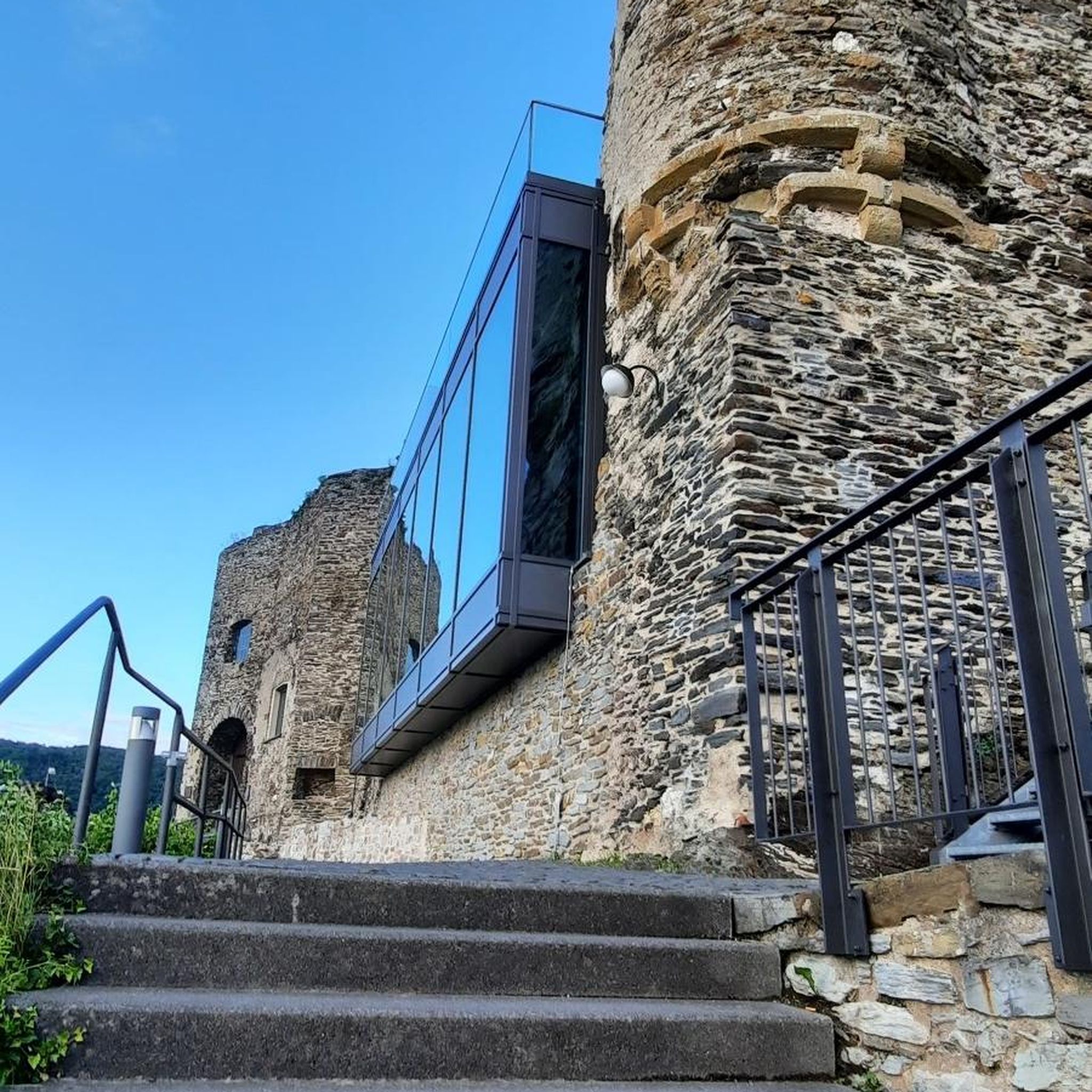
Built in the 11th and 12th centuries, this church, listed as a historic monument in 1912, is a spectacular work of art. Well worth the drive past when crossing town!
0
0
5 km north of Barbezieux, we find this beautiful 13th century church in the small hamlet of Saint-Médard. From here, you can take the greenway to Clérac.
1
0
Frequently Asked Questions
How many no-traffic road cycling routes are available around Jonzac?
There are over 70 dedicated no-traffic road cycling routes around Jonzac, catering to various skill levels. You'll find a good mix of easy, moderate, and challenging options to explore the region's quiet roads.
What kind of landscapes can I expect on these no-traffic routes?
The no-traffic routes around Jonzac offer diverse landscapes. You'll cycle through the hilly countryside of Haute-Saintonge, picturesque Charente vineyards that produce Cognac and Pineau, and the verdant valley of the Seugne river. Some routes also venture into wooded areas like the forest of la Lande or offer views over the marshes at Vitrezay.
What is the best time of year for no-traffic road cycling in Jonzac?
The spring and autumn months generally offer the most pleasant weather for road cycling in Jonzac, with milder temperatures and beautiful scenery. Summer can also be enjoyable, especially on routes that pass through shaded forest sections, but it's advisable to start early to avoid the midday heat.
Are there no-traffic road cycling routes suitable for beginners or families in Jonzac?
Yes, Jonzac offers several no-traffic road cycling routes that are suitable for beginners and families. Many of the 20 easy routes provide a gentle introduction to the region's beauty on quiet roads. For example, the Jonzac Castle loop from Jonzac is a moderate option that can be adapted for a family outing.
Are there challenging no-traffic road cycling routes for experienced cyclists?
Absolutely. For experienced cyclists seeking a challenge, routes like the Between Charente and Charente-Maritime – loop offer a more demanding ride with significant elevation gain over 100 km. These routes allow you to push your limits while enjoying the region's quiet roads.
Can I find circular no-traffic road cycling routes in the Jonzac area?
Yes, many of the no-traffic road cycling routes around Jonzac are circular, allowing you to start and end at the same point. Examples include the Jonzac and Barbezieux in a loop, which covers over 100 km, or the shorter La voie verte loop from Clérac.
What historical landmarks or attractions can I see along the no-traffic road cycling routes?
Many routes pass by significant landmarks. You can cycle past the impressive Jonzac Castle, explore charming villages with their washhouses and mills, or discover older castles like Château de Montendre. The region is rich in heritage, including Romanesque churches such as the Saint-André Church of Clion.
Are there any natural features or wildlife to look out for on these quiet routes?
The quiet routes offer ample opportunities to appreciate nature. You can cycle along the tranquil Seugne river, known for its verdant valley, or explore the unique ecosystem of the marshes at Vitrezay, which offer magnificent views and a chance to spot local wildlife. The forests like la Lande also provide a peaceful, natural setting.
Are there places to stop for refreshments or cafes along the no-traffic routes?
While many routes focus on quiet, rural roads, you'll often pass through welcoming villages in Haute-Saintonge where you can find local cafes, bakeries, or small shops to refuel. It's always a good idea to check your route beforehand and plan stops, especially on longer rides.
What are the parking options for accessing these no-traffic road cycling routes?
Many of the no-traffic routes start from towns or villages like Jonzac, Clérac, or Montendre, where public parking is generally available. For specific starting points, it's recommended to check the route details on komoot for designated parking areas or suitable roadside spots.
What do other road cyclists enjoy most about the no-traffic routes around Jonzac?
The no-traffic road cycling routes around Jonzac are highly rated by the komoot community, with an average score of 4.68 stars. Reviewers often praise the peacefulness of the roads, the beautiful and varied landscapes ranging from vineyards to river valleys, and the opportunity to discover charming, authentic villages away from heavy traffic.
Most popular routes around Jonzac
Most popular attractions around Jonzac

Get inspired with the komoot mobile app


Didn’t find what you were looking for?
Check out more Road cycling routes throughout Jonzac below and find the perfect route in your destination.
Explore more
Browse the best Road cycling routes in other regions.
