The best traffic-free bike rides around Monistrol De Montserrat
4.3
(38)
680
riders
31
rides
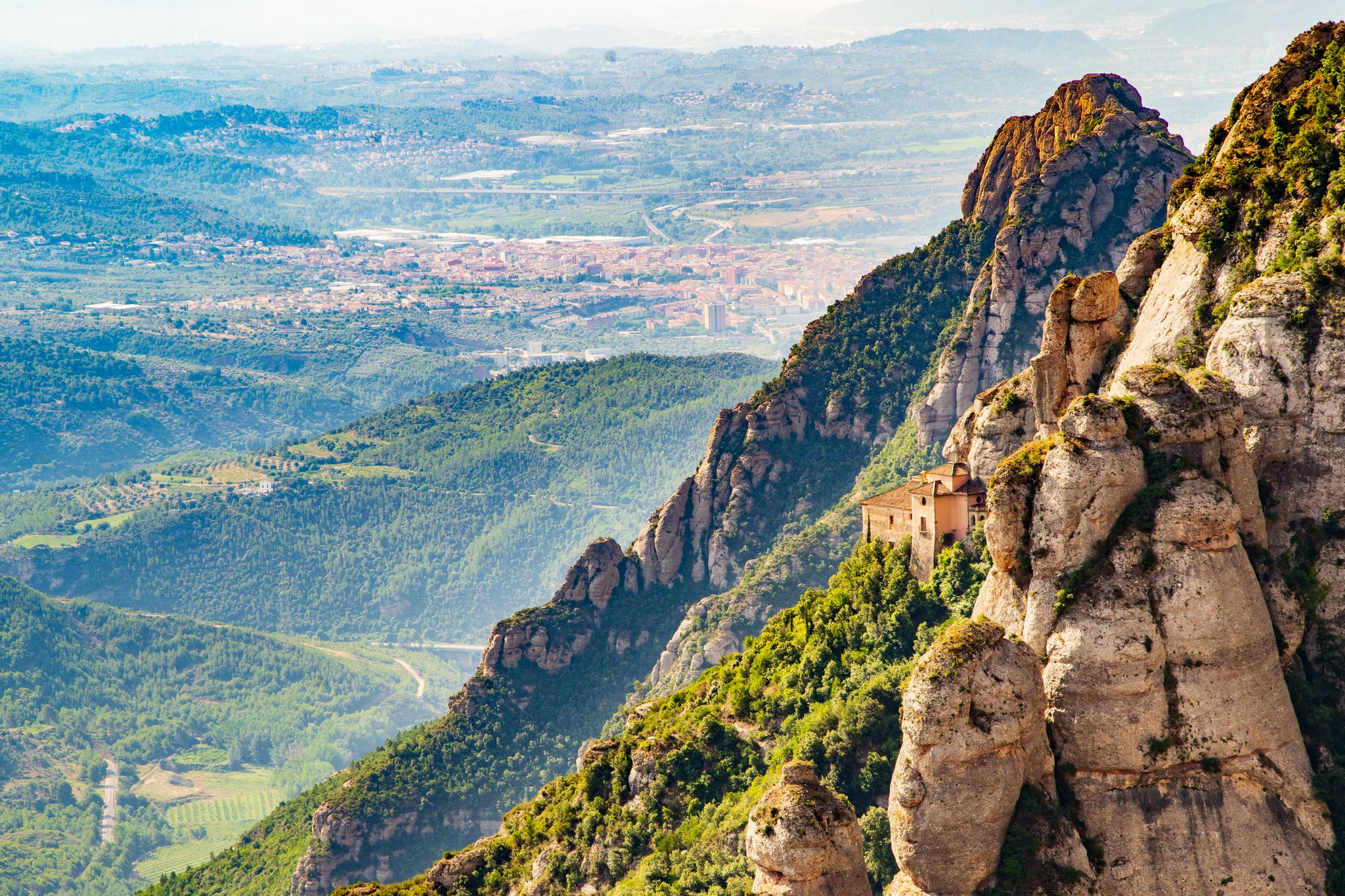
No traffic gravel bike trails around Monistrol de Montserrat navigate a landscape dominated by the Montserrat mountain range, known for its distinctive "serrated" rock formations. This region features jagged peaks composed of conglomerate and limestone, creating varied terrain with significant elevation changes. The routes traverse dense holm oak and pine forests, offering shaded sections and panoramic views of the Catalan Pyrenees. The area's unique spires, ridges, and deep ravines provide a challenging and engaging environment for gravel biking.
Best no…
Last updated: August 26, 2026
4.5
(2)
4
riders
43.8km
03:47
990m
990m
Hard gravel ride. Very good fitness required. Mostly paved surfaces. Suitable for all skill levels.
5
riders
49.6km
03:48
660m
660m
Hard gravel ride. Very good fitness required. Mostly paved surfaces. Suitable for all skill levels.

Sign up for free
4.3
(3)
21
riders
Hard gravel ride. Very good fitness required. Mostly paved surfaces. Suitable for all skill levels.
7
riders
31.6km
02:42
640m
640m
Hard gravel ride. Very good fitness required. Mostly paved surfaces. Suitable for all skill levels.
12
riders
60.2km
04:01
1,090m
1,090m
Hard gravel ride. Very good fitness required. Mostly paved surfaces. Suitable for all skill levels.
Get access to more routes and recommendations from other explorers.
Sign up for free
Already have an account?
Our route recommendations are based on thousands of hikes, rides, and runs completed by other people on komoot.
Start today with a free account
Your next adventure awaits.
Login or Signup
Popular around Monistrol De Montserrat
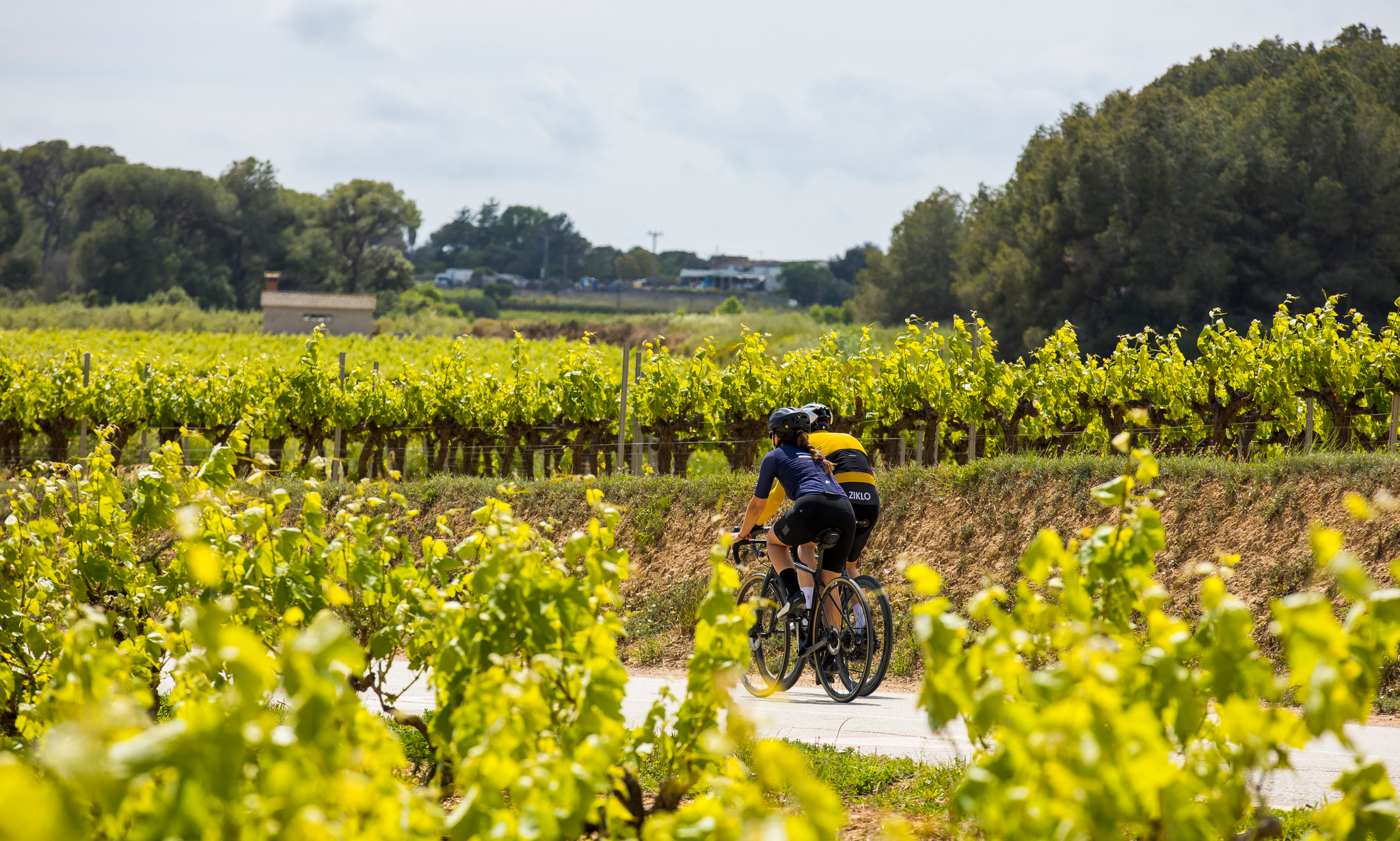
Cycling in the province of Barcelona — family routes and traverses
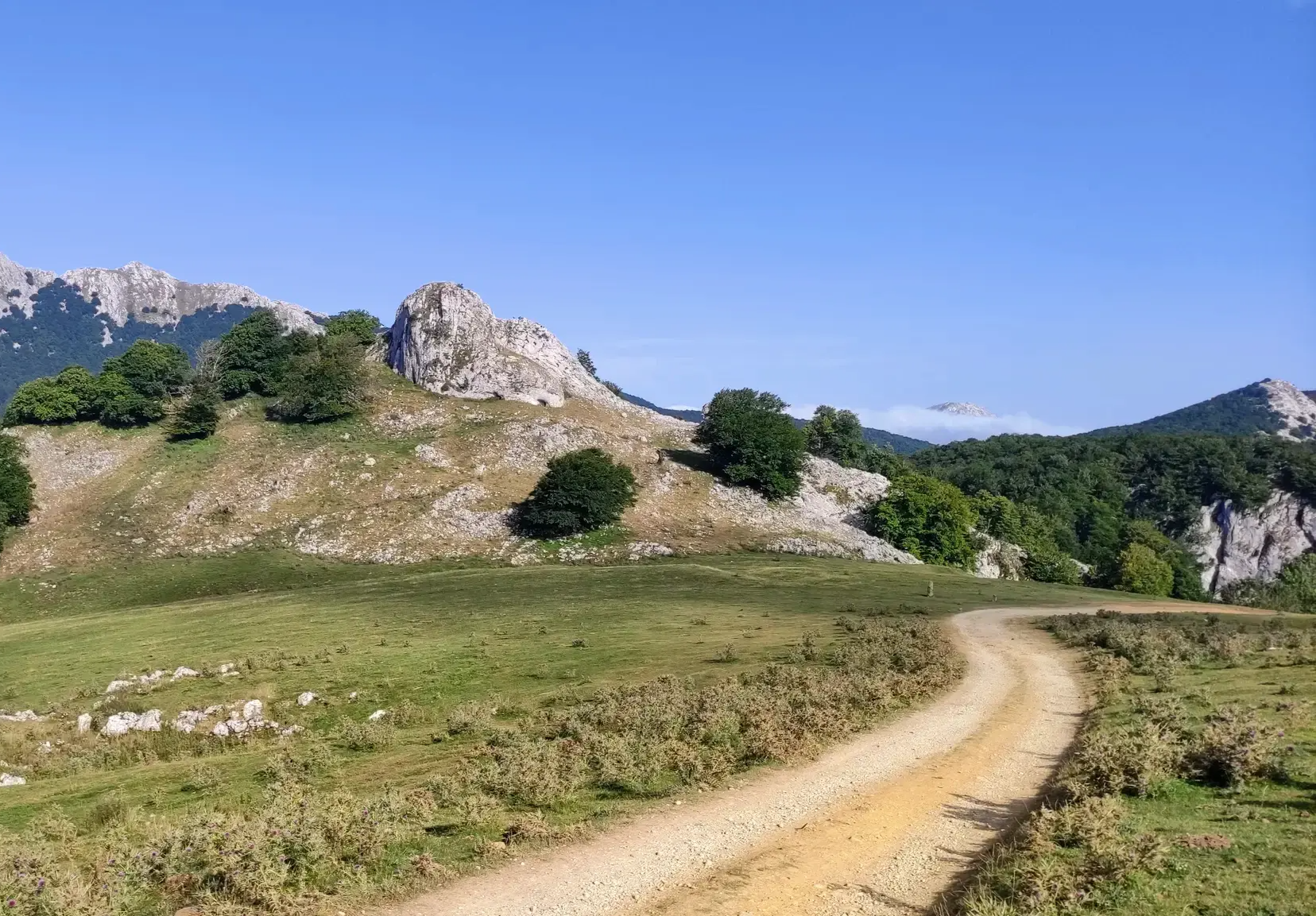
The Ignatian Way - In the footsteps of Ignatius of Loyola
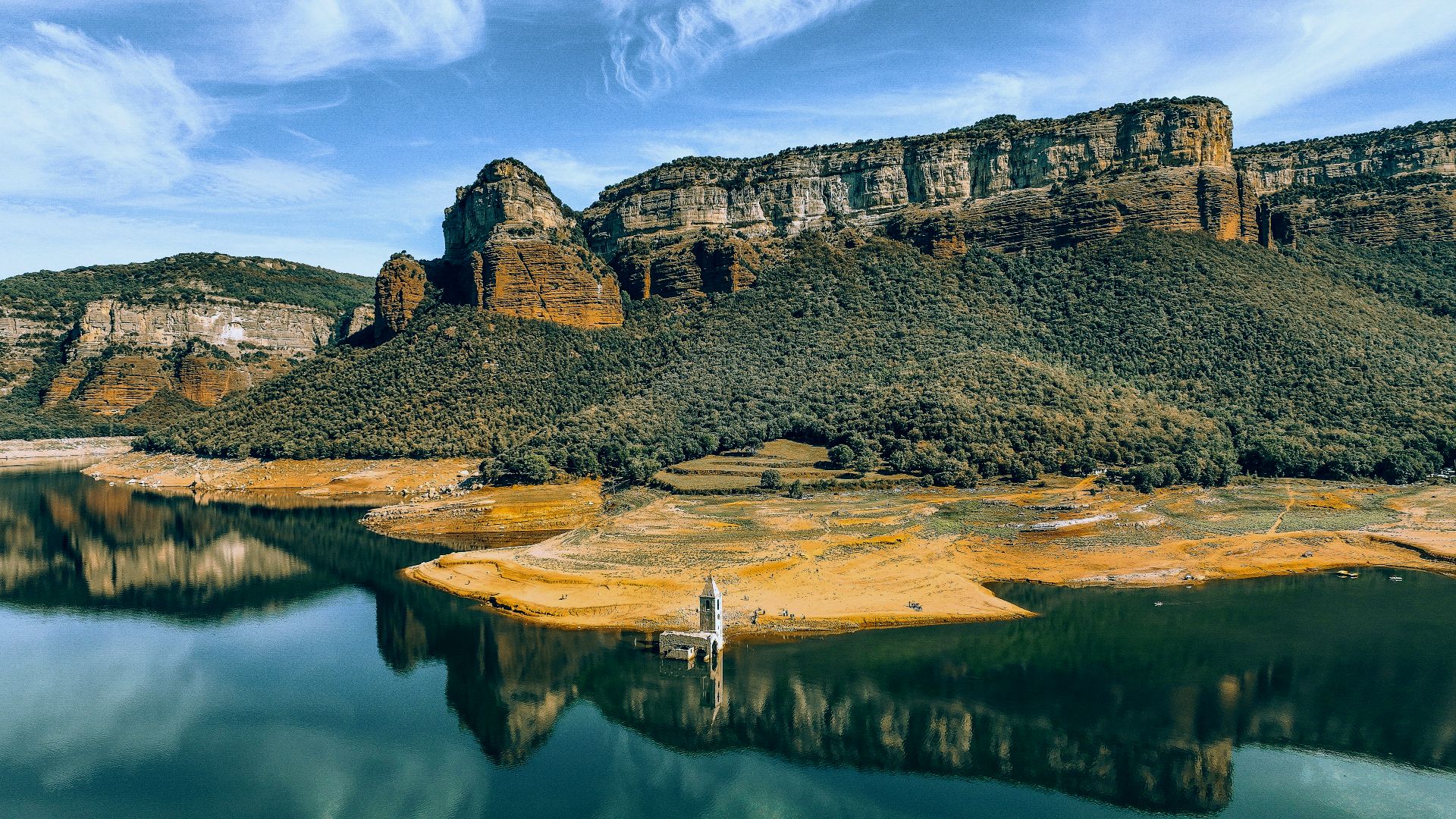
In the footsteps of the Catalan Romanesque – El Camino Oliba
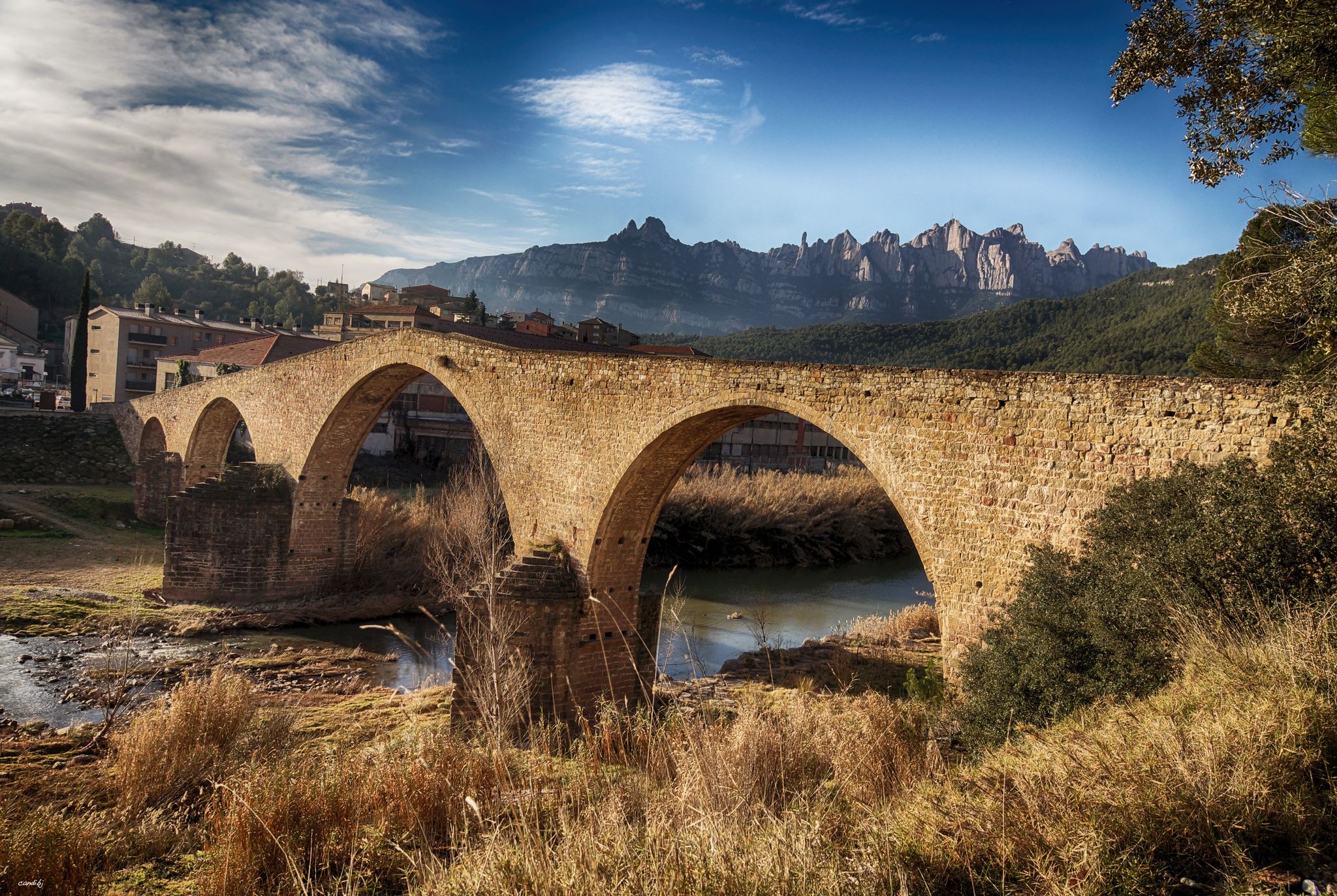
The river of Barcelona – El Camí del Llobregat
The Barcelona Arch – Natural Parks Trail (GR 5)

Traffic-free bike rides around Monistrol De Montserrat

Traffic-free bike rides around Monistrol De Montserrat
Other adventures around Monistrol De Montserrat


Tips from the Community

Collbató literally lives attached to the rock of Montserrat. Its streets ascend the hillside and the massif dominates every corner of the town, which for centuries was one of the natural accesses to the monastery.
1
0
From this point on the acequia route, you can see the silhouette of the Montserrat rocks breaking the horizon.
1
0

I confirm again that the path is narrow and overgrown in some places.
0
0

Recreation area with picnic area and spectacular views of Montserrat
1
0

Spectacular views of the Montserrat Mountain Natural Park.
0
0

After a good climb, make sure to stay hydrated with this holy water (& good shade) 🤤
0
0
You'll have good luck if you see the Magical mountain, and the descent after is fantastic :-)
0
0

It is a very pretty entrance and exit to the town.
1
0
Frequently Asked Questions
How many no-traffic gravel bike trails are available around Monistrol de Montserrat?
There are over 20 dedicated no-traffic gravel bike trails around Monistrol de Montserrat, offering a variety of experiences for different skill levels. The region is known for its quiet roads and unpaved paths, making it ideal for a peaceful cycling adventure.
What kind of terrain can I expect on the no-traffic gravel bike trails in Monistrol de Montserrat?
The terrain around Monistrol de Montserrat is quite varied and often challenging, reflecting the unique 'serrated' rock formations of the Montserrat mountain range. You'll encounter significant elevation changes, with routes traversing valleys, dense holm oak and pine forests, and dramatic rock formations. Expect a mix of quiet tarmac lanes and unpaved gravel roads, with some routes featuring jagged peaks and rewarding panoramic views.
Are there any easy no-traffic gravel bike trails for beginners in Monistrol de Montserrat?
While many routes in the area are rated as difficult, there are some moderate options available. For a less strenuous ride, consider routes like the Font de la Girada – Font de l'Arrel loop from Manresa, which offers a more manageable elevation gain over its 20 km distance. Always check the route details for specific difficulty ratings.
What are some notable landmarks or viewpoints I can see along the no-traffic gravel bike trails?
Many routes offer exceptional views of the iconic Montserrat Monastery and the unique serrated peaks of the mountain. You might also pass by interesting geological features like canyons and ridges. For example, the View of the Montserrat Monastery – View of Montserrat loop from el Bruc provides extensive vistas of the mountain range. The region also features several caves, such as Cave of Our Lady of Montserrat, and mountain passes like Coll de Can Maçana, which can be explored as nearby attractions.
What is the best time of year for gravel biking in Monistrol de Montserrat to avoid traffic?
To best enjoy the no-traffic gravel trails, spring (April-May) and autumn (September-October) are generally ideal. The weather is milder, and the natural scenery is vibrant. Summer can be very hot, especially at midday, while winter can bring colder temperatures and occasional snow at higher elevations, though many lower routes remain rideable. Weekdays will always offer the quietest experience.
Are there any circular no-traffic gravel bike routes available?
Yes, many of the no-traffic gravel bike trails in Monistrol de Montserrat are designed as loops, allowing you to start and end at the same point. An example is the View of the Montserrat Monastery – Font de la Plaça de la Creu loop from Monistrol Enllaç, which offers a challenging circular ride with stunning views.
Can I find routes that pass by waterfalls or other natural water features?
While the region is primarily known for its dramatic rock formations, some routes may lead you to natural water features. For instance, the Font Raurich Waterfall – Historic Center of Rajadell loop from Manresa specifically highlights a waterfall, offering a refreshing stop along your ride.
What are the parking options for accessing no-traffic gravel bike trails in Monistrol de Montserrat?
Monistrol de Montserrat, being a gateway to Montserrat Mountain, offers various parking facilities. Many trailheads are accessible from the town or nearby villages. It's advisable to check specific route starting points for the most convenient parking, especially for routes designed to avoid main roads. Public transport options, such as the Cremallera (rack railway) from Monistrol Enllaç, can also provide access to the mountain, allowing for car-free starts to your rides.
Are there any family-friendly no-traffic gravel bike trails in the area?
While many routes are rated difficult, families with older children or those seeking a less intense experience might find shorter, moderate sections suitable. Look for routes with lower elevation gains and shorter distances. Always review the route's difficulty and terrain description to ensure it matches your family's capabilities.
What do other gravel bikers enjoy most about the no-traffic trails in Monistrol de Montserrat?
The komoot community highly rates the gravel biking experience in Monistrol de Montserrat, with an average score of 4.0 stars. Reviewers often praise the stunning, unique landscapes, the challenge of the climbs, and the rewarding panoramic views of the Montserrat mountain range. The quiet, traffic-free nature of the trails is a frequently highlighted benefit, allowing for an immersive outdoor experience.
Are there any historical sites or ruins to explore along the gravel routes?
Yes, the region has a rich history. Some routes might lead you past ancient structures or ruins. For example, the La Serra (15th Century Ruins) – Stone Shelter loop from Castellgalí offers a chance to explore historical sites while enjoying a challenging gravel ride.
Most popular routes around Monistrol De Montserrat
Most popular attractions around Monistrol De Montserrat

Get inspired with the komoot mobile app


Explore more
Browse the best Gravel rides in other regions.
