The best traffic-free bike rides around Vall De Cardós
4.7
(41)
771
riders
21
rides
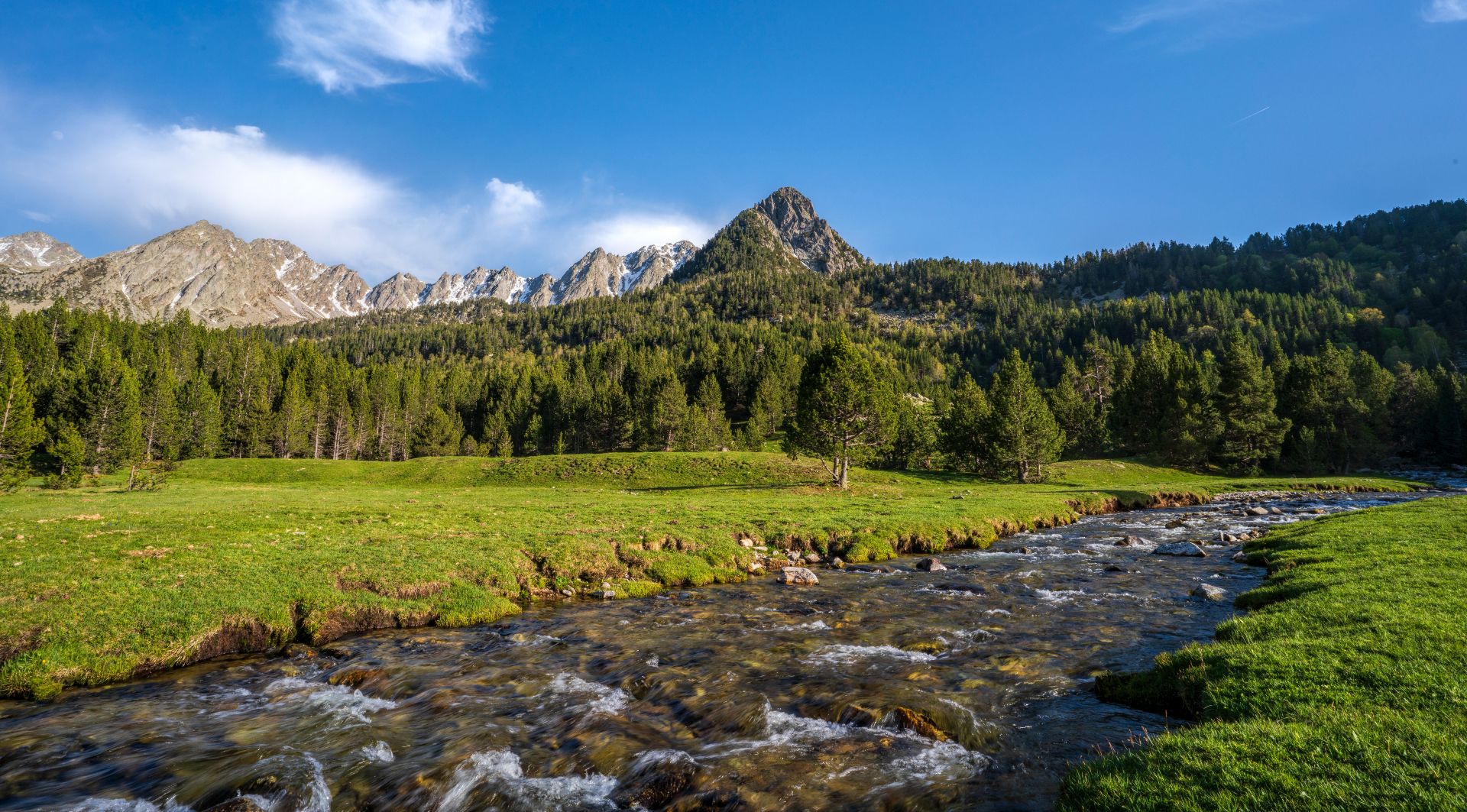
No traffic touring cycling routes around Vall De Cardós traverse a dramatic high-mountain landscape within the Alt Pirineu Natural Park, offering diverse terrain for cyclists. The region is characterized by the Noguera de Cardós River, impressive glacial lakes, and varied forests including black pine at higher elevations and Scots pine at medium altitudes. Cyclists will encounter a landscape ranging from valley floors to majestic peaks, with routes often winding through alpine pastures and traditional Pyrenean villages.
Best no traffic touring…
Last updated: July 2, 2026
4.8
(10)
55
riders
31.0km
02:30
790m
800m
Hard bike ride. Very good fitness required. You may need to push your bike for some segments of this route.
4.8
(9)
78
riders
41.4km
03:06
940m
940m
Hard bike ride. Very good fitness required. Mostly paved surfaces. Suitable for all skill levels.

Sign up for free
5.0
(1)
35
riders
50.1km
03:54
1,340m
1,340m
Hard bike ride. Very good fitness required. Mostly paved surfaces. Suitable for all skill levels.
27
riders
29.9km
03:14
1,110m
1,110m
Hard bike ride. Very good fitness required. Mostly paved surfaces. Suitable for all skill levels.
13
riders
25.4km
02:14
820m
820m
Hard bike ride. Very good fitness required. You may need to push your bike for some segments of this route.
Get access to more routes and recommendations from other explorers.
Sign up for free
Already have an account?
Our route recommendations are based on thousands of hikes, rides, and runs completed by other people on komoot.
Start today with a free account
Your next adventure awaits.
Login or Signup

Other adventures around Vall De Cardós

Tips from the Community

I cycled from Cardós to this summit. A constant climb. A fantastic condition test and doable. The same way back on softer tires went perfectly. The steeper short descent from the summit via a singletrack through the forest seemed unwise to me. In short, a beautiful tour even though it was an up and down.
0
0

Beautiful reservoir, don't miss the old pack bridge next to the barrage
0
0

Tor is one of the highest villages in the Pyrenees, right on the border with Andorra, a small village in the Catalan Pyrenees that administratively belongs to the municipality of Alins, in the region of Pallars Sobirá. This village borders Andorra. The village is at an altitude of 1,649 meters and is surrounded by two ravines. On the summit to the north of the village, known as Roc de Sant Pere, are the ruins of a medieval castle, the Força de Tor, and near it are the remains of a Romanesque church. The village is not very well connected. On the Spanish side, there is an asphalt road that reaches a small bridge, after which there is a private dirt track that covers a distance of one and a half kilometers to reach the village. To the east, another dirt track heads towards Andorra, which forks before reaching the Principality. In winter, these roads fill with snow, making car travel difficult. Due to its strategic position in the passes to Andorra through the Pyrenees, ownership of the mountain of Tor has been a source of conflict, initially for timber exploitation and later for real estate interests, to which must be added the smuggling routes that passed through there to Andorra. These conflicts are part of the dark history of Tor and its most tragic events.
0
0

A forgotten place. Worth seeing.
0
0
Up to the gate, the road is easy to drive but narrow and has a steady incline. It gets tight when cars want to overtake. About 2km before the gate, the road turns into a gravel track. The journey is worth it.
0
0

If we spend a day with little air we will see the mountains perfectly reflected, impressive!
1
0
We will find several bars where we can stop to eat or shops to buy. There are also hostels and hostels if we wanted to stop for the night. From Esterri we can go up towards Bonaigua or discover the valleys of Isil. Everything is highly recommended.
0
0
Frequently Asked Questions
How many no-traffic touring cycling routes are available in Vall de Cardós?
There are 16 dedicated no-traffic touring cycling routes in Vall de Cardós, offering a range of experiences for cyclists. While many routes present a challenge, there is also one easier option for those seeking a more relaxed ride.
What do other touring cyclists appreciate about cycling in Vall de Cardós?
The komoot community highly rates the touring cycling experience in Vall de Cardós, with an average score of 4.8 stars. Cyclists often praise the stunning high-mountain landscapes, the quiet roads, and the rich cultural heritage found in the traditional Pyrenean villages.
What kind of terrain can I expect on no-traffic touring cycling routes in Vall de Cardós?
The terrain in Vall de Cardós is diverse, ranging from gentle rides along the valley floor to challenging climbs over mountain passes. You'll encounter wide tracks, less-traveled roads, conifer forests, and alpine pastures, all within a dramatic high-mountain landscape.
Are there any family-friendly no-traffic touring cycling routes in Vall de Cardós?
While many routes in Vall de Cardós are rated as difficult due to significant elevation changes, there is at least one easier route available. For families, it's advisable to look for routes with minimal elevation gain or consider shorter sections of longer routes. The valley floor often provides more gentle cycling opportunities.
What are some notable natural features or viewpoints along the no-traffic cycling routes?
Vall de Cardós is rich in natural beauty. You can expect to see the peaceful Noguera de Cardós River, impressive glacial lakes like Torrassa Reservoir, and stunning high-mountain vistas. The Torre de Aguita Birdwatching Tower offers excellent views, as do various points providing views of the valley and the Torrassa reservoir.
Are there any historical or cultural landmarks to explore along the routes?
Yes, the region is dotted with charming traditional Pyrenean villages and significant Romanesque architecture. You can explore sites like the Santa Maria de Ribera de Cardós Romanesque church, ancient Romanesque bridges, and historical farms. The unique, abandoned village of Dorve also offers a glimpse into the past.
What is the best time of year for no-traffic touring cycling in Vall de Cardós?
The best time for touring cycling in Vall de Cardós is generally from late spring through early autumn (May to October) when the weather is most favorable and mountain passes are clear of snow. Summer offers warmer temperatures, while spring and autumn provide cooler rides and vibrant landscapes. Always check local weather forecasts before heading out.
Are there any circular no-traffic touring cycling routes available?
Yes, there are several circular routes designed for touring cyclists. An example is the challenging Valls de Àneu — circular through the villages of Pallars Sobirà, which covers over 31 km and features significant elevation changes.
Where can I find parking for no-traffic touring cycling routes in Vall de Cardós?
Many traditional Pyrenean villages throughout the valley offer parking facilities, often near the start points of popular routes. It's advisable to check specific route descriptions for recommended parking areas, especially when planning to start from smaller hamlets or trailheads within the Alt Pirineu Natural Park.
Are there cafes or places to rest along the no-traffic touring cycling routes?
Yes, the traditional villages scattered throughout Vall de Cardós offer all necessary services, including cafes and accommodations. These villages provide excellent opportunities to rest, refuel, and experience local culture during your ride. It's a good idea to plan your route to pass through these villages for convenient breaks.
Can I bring my dog on the no-traffic touring cycling routes?
While many outdoor areas in the Pyrenees are dog-friendly, specific rules may apply within the Alt Pirineu Natural Park or on certain trails. It's generally recommended to keep dogs on a leash, especially in areas with livestock or wildlife. Always ensure your dog is well-behaved and that you carry waste bags. Check local regulations for any specific restrictions.
What are some of the more challenging no-traffic touring cycling routes in the area?
Many of the no-traffic touring cycling routes in Vall de Cardós are rated as difficult, featuring substantial elevation gains. For instance, the Esterri d'Àneu – La Torrassa Reservoir loop from Esterri d'Àneu covers over 41 km with nearly 940 meters of ascent, offering a demanding but rewarding experience.
Most popular routes around Vall De Cardós
Most popular attractions around Vall De Cardós

Get inspired with the komoot mobile app


Explore more
Browse the best Cycling routes in other regions.
