The best traffic-free bike rides around Talavera De La Reina
4.8
(7)
2,242
riders
9
rides
Road cycling around Talavera De La Reina offers diverse landscapes, from the banks of the Tagus River to surrounding hills and agricultural fields. The region is characterized by a mix of paved surfaces and greenways, providing varied terrain for cyclists. Routes often traverse olive groves and open fields, with some extending into the nearby Sierra de San Vicente for more challenging climbs. The area's low population density in certain sections contributes to a car-free cycling experience.
Best no traffic road…
Last updated: July 2, 2026
55
riders
38.5km
01:33
90m
90m
Moderate road ride. Great for any fitness level. Some segments of this route may be unpaved and difficult to ride.
54
riders
35.4km
01:25
120m
120m
Easy road ride. Great for any fitness level. Mostly well-paved surfaces and easy to ride.

Sign up for free
20
riders
80.0km
03:23
350m
350m
Moderate road ride. Good fitness required. Mostly well-paved surfaces and easy to ride.
5.0
(1)
55
riders
46.8km
02:05
130m
130m
Moderate road ride. Good fitness required. Mostly well-paved surfaces and easy to ride.
11
riders
37.9km
01:59
660m
660m
Moderate road ride. Good fitness required. Some segments of this route may be unpaved and difficult to ride.
Get access to more routes and recommendations from other explorers.
Sign up for free
Already have an account?
Our route recommendations are based on thousands of hikes, rides, and runs completed by other people on komoot.
Start today with a free account
Your next adventure awaits.
Login or Signup
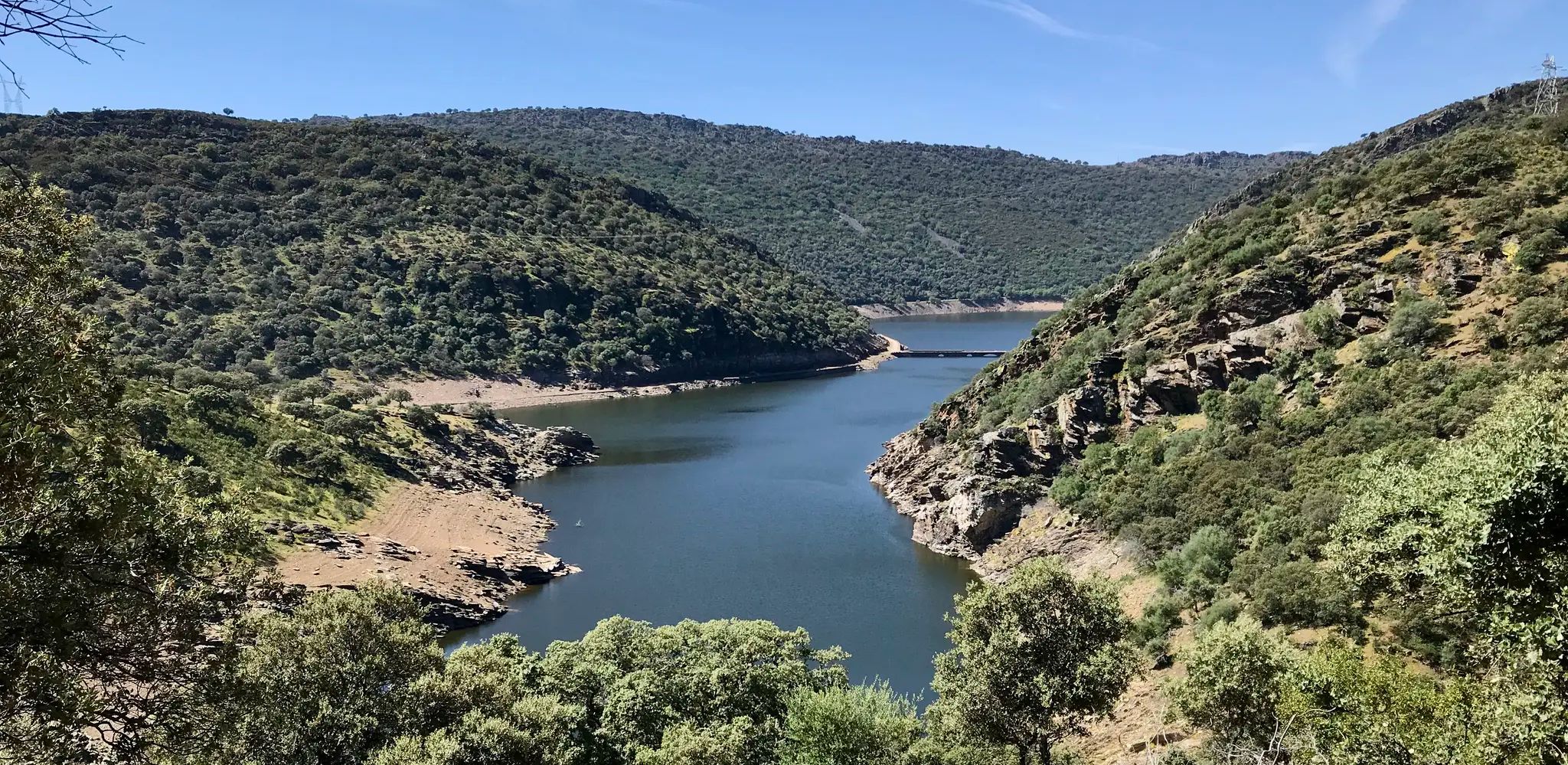
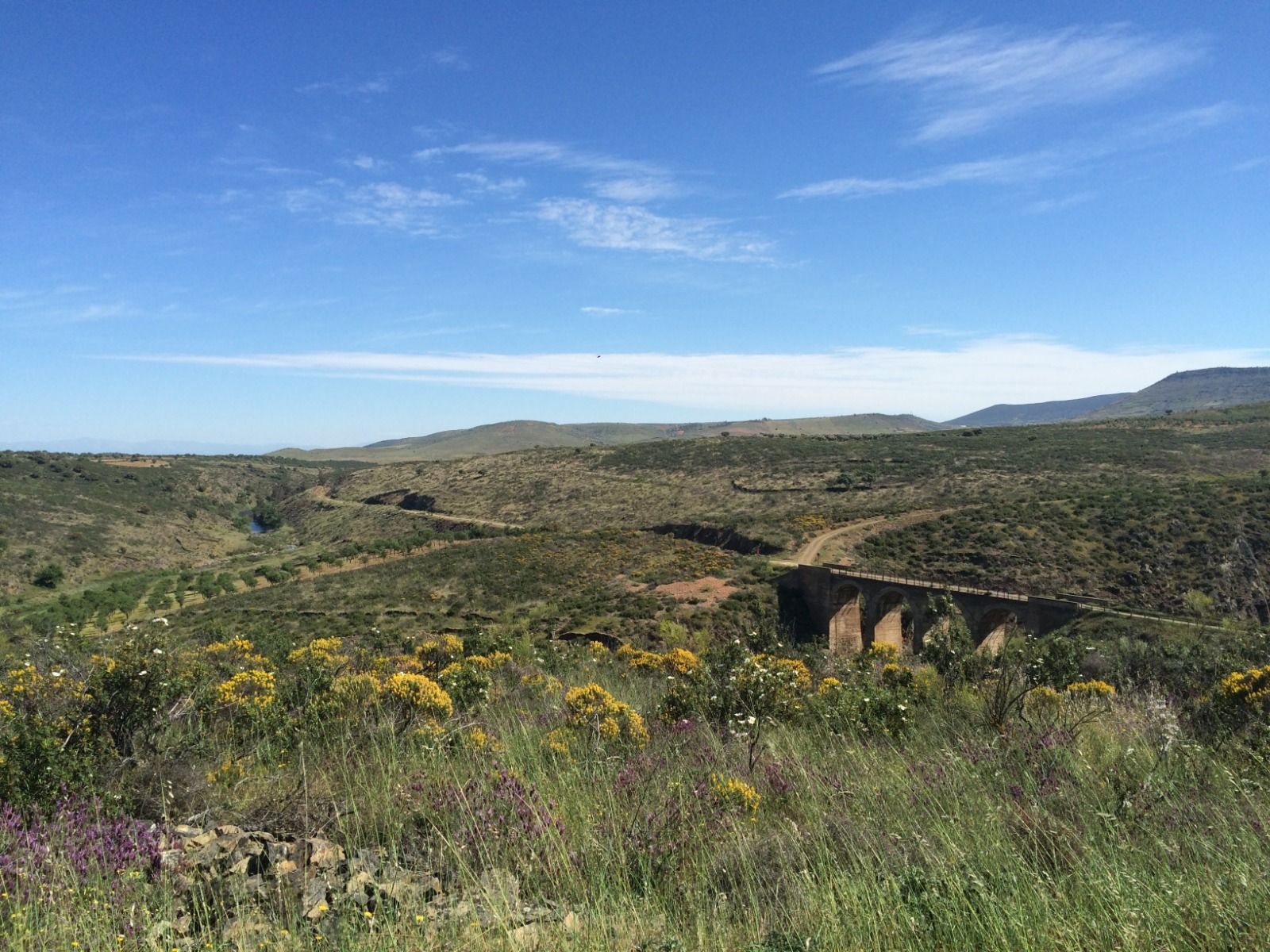
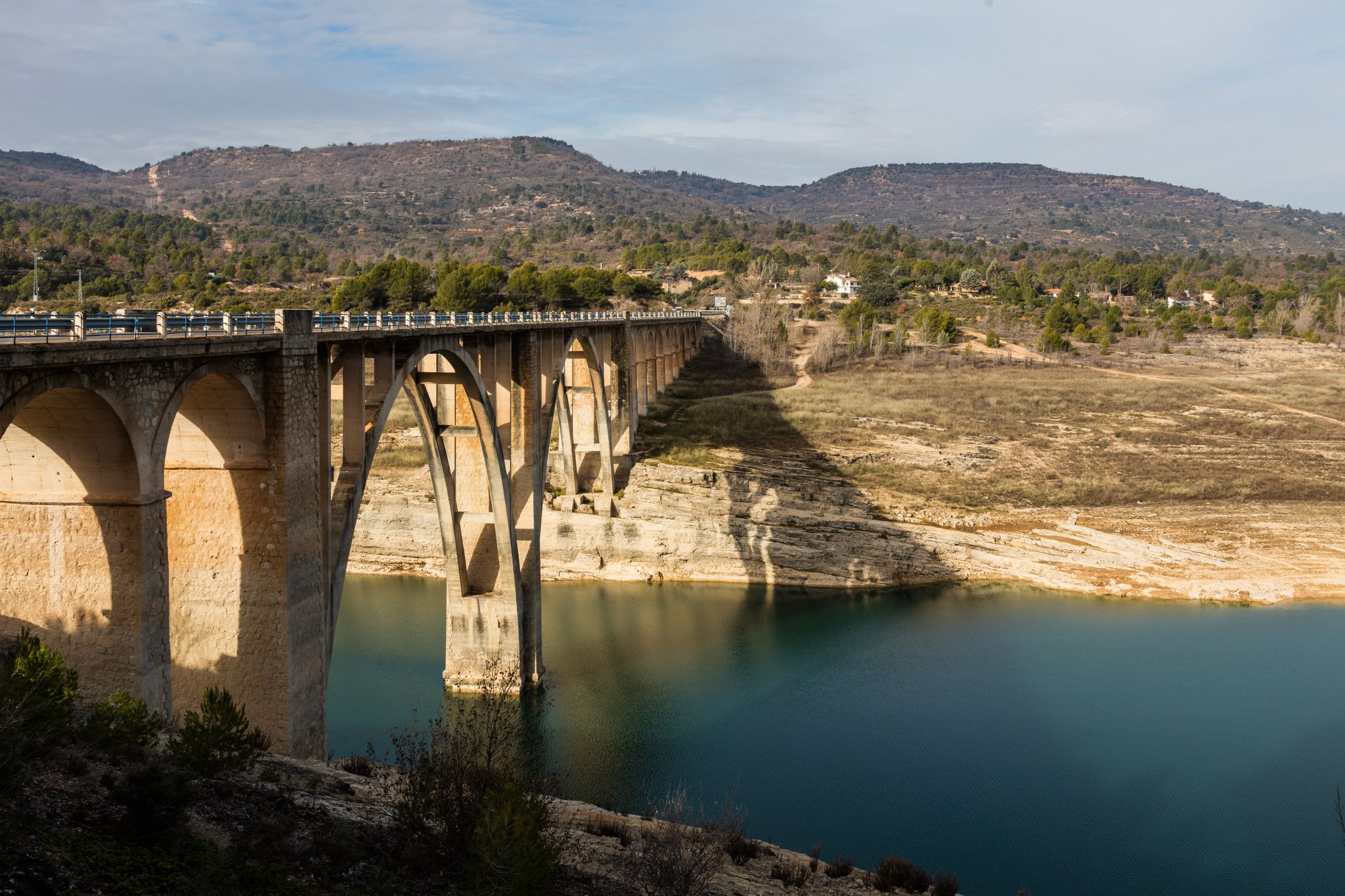




Tips from the Community

The Basilica of Our Lady of the Prado is located in Talavera de la Reina. The church was built in the 16th century in the Renaissance style, on the foundations of an old Mudéjar temple. Tradition holds that it was a Roman temple where the goddess Ceres was worshipped, Christianized in 602 by Liuva II to house the image of Our Lady of the Prado, who is now the city's patron saint. Known as the Queen of Hermitages by Philip II, it is also called the "Sistine Chapel" of ceramics, as this vibrant art form has been displayed here in all its splendor from the 16th century to the present day.
16
0

Calera y Chozas, in the province of Toledo, is an ideal destination for those looking to combine nature, history, and active tourism.
5
0
It extends along the eastern bank of the Tagus River and is the second most populated municipality in the province and the fourth in Castilla-La Mancha. Among its monuments are the Basilica of Our Lady of the Prado, which houses what is today the patron saint of the city. It was called Queen of the Hermitages by Philip II, it is also called the Sistine Chapel of ceramics, because this colorful art shows here all its splendor from the 16th century to the present day. The style of its construction is a combination of Renaissance and Baroque, although it has undergone various restorations over the centuries. It was elevated to the dignity of Basilica in 1989 by Pope John Paul II. In the Church of Santa María La Mayor (La Colegial) you can admire its pure Gothic cloister, which was built around the year 1469. Its floor plan is rectangular, made up of three longitudinal naves and without a transept. In the years 1704 and 1705 the two upper sections of the Tower were added.
10
0
La Portiña is a small water reservoir located north of Talavera de la Reina on the Portiña stream and next to the natural environment of the Berrocal mountain range.
9
0

Beautiful city located on a river terrace of the Tagus River. Known as the City of Ceramics, due to the quality, variety and richness of ceramic production, whose history dates back to the 15th century, and we can see its examples in the Prado Gardens.
2
0
Small, but very beautiful Talavera de la Reina reservoir. There are trails to go around it on foot or by mountain bike. The Portiña Reservoir is a suitable place to relax in the shade, eat (it has a picnic area), fish and walk along the water.
2
0

Calera y Chozas is a Toledo municipality located between the Tagus River and the Tiétar Valley. In its town center you will find the beautiful church of San Pedro Apóstol as well as several accommodations, restaurants and shops.
2
0
Frequently Asked Questions
How many no-traffic road cycling routes are available in Talavera de la Reina?
There are 8 dedicated no-traffic road cycling routes around Talavera de la Reina featured in this guide. These routes are designed for a smooth and enjoyable experience away from vehicular traffic.
Are there any easy no-traffic road cycling routes suitable for beginners?
Yes, there is one easy no-traffic road cycling route. The Talavera de la Reina loop from Talavera de la Reina is a great option, covering about 35 kilometers with minimal elevation gain, perfect for a relaxed ride.
What kind of terrain can I expect on these no-traffic road cycling routes?
The routes primarily feature paved surfaces, ideal for road cycling. Some, like sections of the Vía Verde de la Jara (a 52-kilometer greenway near Calera y Chozas), offer a mix of asphalt and tamped gravel, providing varied terrain. You'll cycle through diverse landscapes including agricultural fields, olive groves, and areas along the Tagus River.
Are there any longer, more challenging no-traffic road cycling routes?
For those seeking a longer ride, the Roadbike loop from Velada spans nearly 80 kilometers with moderate elevation. Another option is the Calera y Chozas – Puente Azután Viewpoint loop from Calera-Chozas, which is around 50 kilometers and offers a good challenge.
What natural features or viewpoints can I see along the no-traffic routes?
Many routes offer scenic views of the Tagus River and its surrounding landscapes. You might encounter the Castilla-La Mancha Bridge or the Reina Sofía Bridge. The Vía Verde de la Jara is particularly notable for its six viaducts and eighteen tunnels, including one that is a kilometer long, offering unique perspectives of the region's 'austere beauty' and granite formations.
Are there any circular no-traffic road cycling routes?
Yes, most of the no-traffic routes in this guide are circular. Examples include the Talavera de la Reina – Cazalegas Reservoir loop and the La Portiña Reservoir – Ermita de San Sebastián loop, allowing you to start and finish at the same point.
What cultural or historical landmarks can I explore near these routes?
Talavera de la Reina itself is rich in history. You can visit the impressive Roman Bridge, the Albarran walls and towers, or the collegiate church of Santa María la Mayor. The Basilica of Nuestra Señora del Prado, known for its ceramics, is also worth seeing. For art enthusiasts, the Ruiz de Luna Pottery Museum showcases the city's renowned ceramics heritage.
What do other road cyclists enjoy most about no-traffic cycling in Talavera de la Reina?
The komoot community highly rates the no-traffic road cycling experience in this area, with an average score of 4.75 out of 5 stars. Reviewers often praise the peacefulness of the routes, the diverse landscapes, and the opportunity to explore the region's natural beauty and cultural sites without the disturbance of heavy traffic.
Is the Vía Verde de la Jara suitable for road bikes?
The Vía Verde de la Jara features a mix of asphalt and tamped gravel surfaces. While much of it is suitable for road bikes, cyclists should be aware of the gravel sections, especially if riding with very narrow tires. It's a unique experience with its viaducts and tunnels.
What is the best time of year to enjoy no-traffic road cycling in Talavera de la Reina?
Early spring is particularly beautiful, with endless fields of flowers. Generally, spring and autumn offer pleasant temperatures for cycling. Summers can be hot, so early morning or late afternoon rides are recommended during those months. Winters are typically mild, making cycling possible year-round, though cooler temperatures should be expected.
Are there any routes that pass by reservoirs or significant water bodies?
Yes, routes like the Talavera de la Reina – Cazalegas Reservoir loop and the La Portiña Reservoir – Ermita de San Sebastián loop will take you past significant water bodies, offering serene views and a refreshing change of scenery.
Most popular routes around Talavera De La Reina
Most popular attractions around Talavera De La Reina

Get inspired with the komoot mobile app


Explore more
Browse the best Road cycling routes in other regions.
