The best traffic-free bike rides around Hornachuelos
4.8
(7)
925
riders
45
rides
Road cycling around Hornachuelos offers diverse terrain within the Sierra de Hornachuelos Natural Park, part of the Sierra Morena mountain range. The region features a rugged landscape of hills, river valleys, and deep gorges, with extensive Mediterranean forests dominated by cork and holm oak dehesas. Cyclists encounter winding roads with minimal traffic, providing both challenging climbs and comfortable rides through varied natural settings. The area's reservoirs, such as Bembézar and Retortillo, add to the scenic appeal of the routes.
Best…
Last updated: November 3, 2026
46
riders
73.1km
03:34
1,080m
1,080m
Hard road ride. Very good fitness required. Mostly well-paved surfaces and easy to ride.
161km
08:17
2,850m
2,850m
Hard road ride. Very good fitness required. Mostly well-paved surfaces and easy to ride.

34
riders
143km
07:30
2,660m
2,660m
Hard road ride. Very good fitness required. Mostly well-paved surfaces and easy to ride.
10
riders
Hard road ride. Very good fitness required. Mostly well-paved surfaces and easy to ride.
13
riders
74.1km
03:31
770m
770m
Moderate road ride. Good fitness required. Some segments of this route may be unpaved and difficult to ride.
Get access to more routes and recommendations from other explorers.
Already have an account?
Our route recommendations are based on thousands of hikes, rides, and runs completed by other people on komoot.
Start today with a free account
Your next adventure awaits.
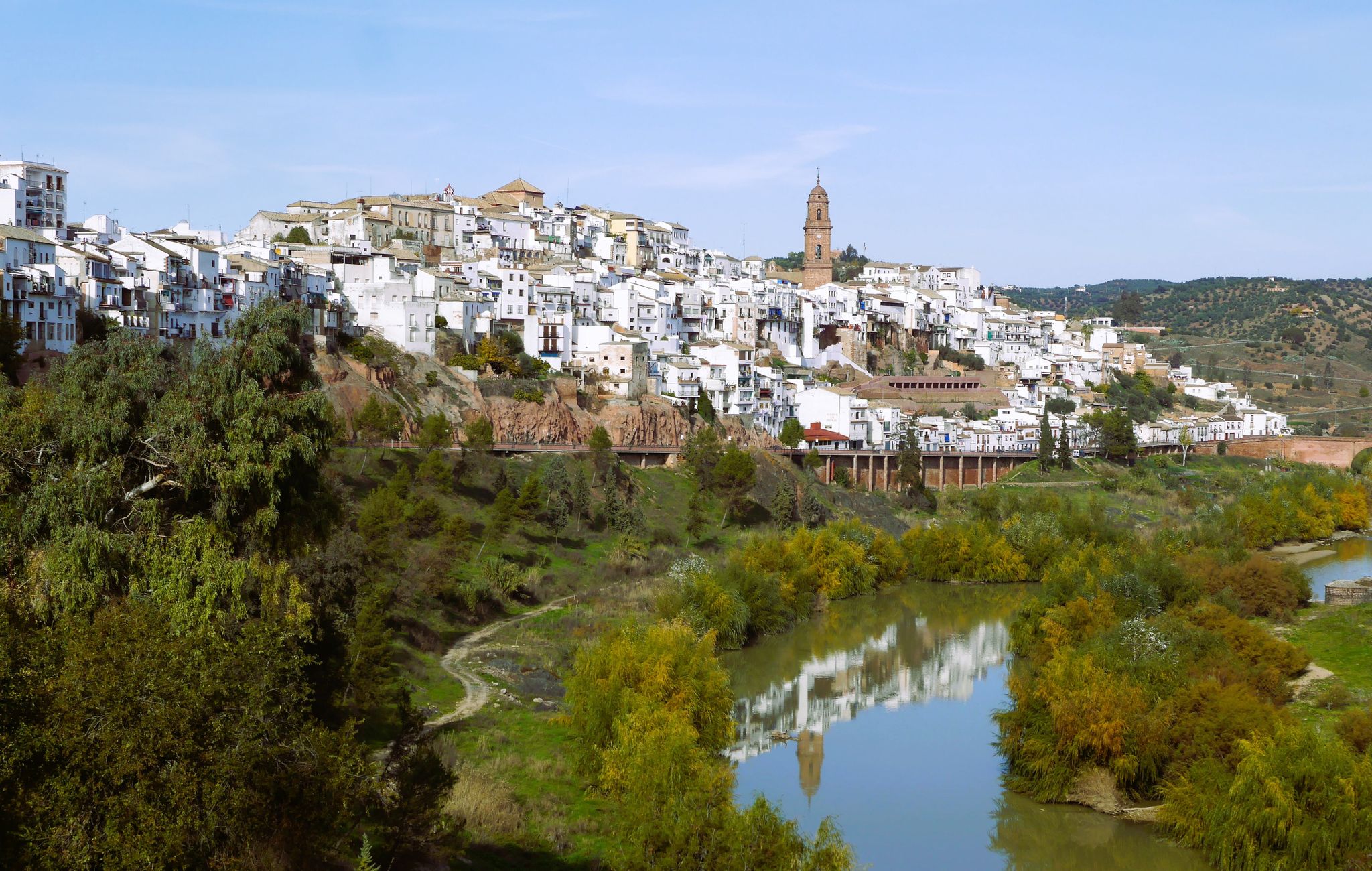
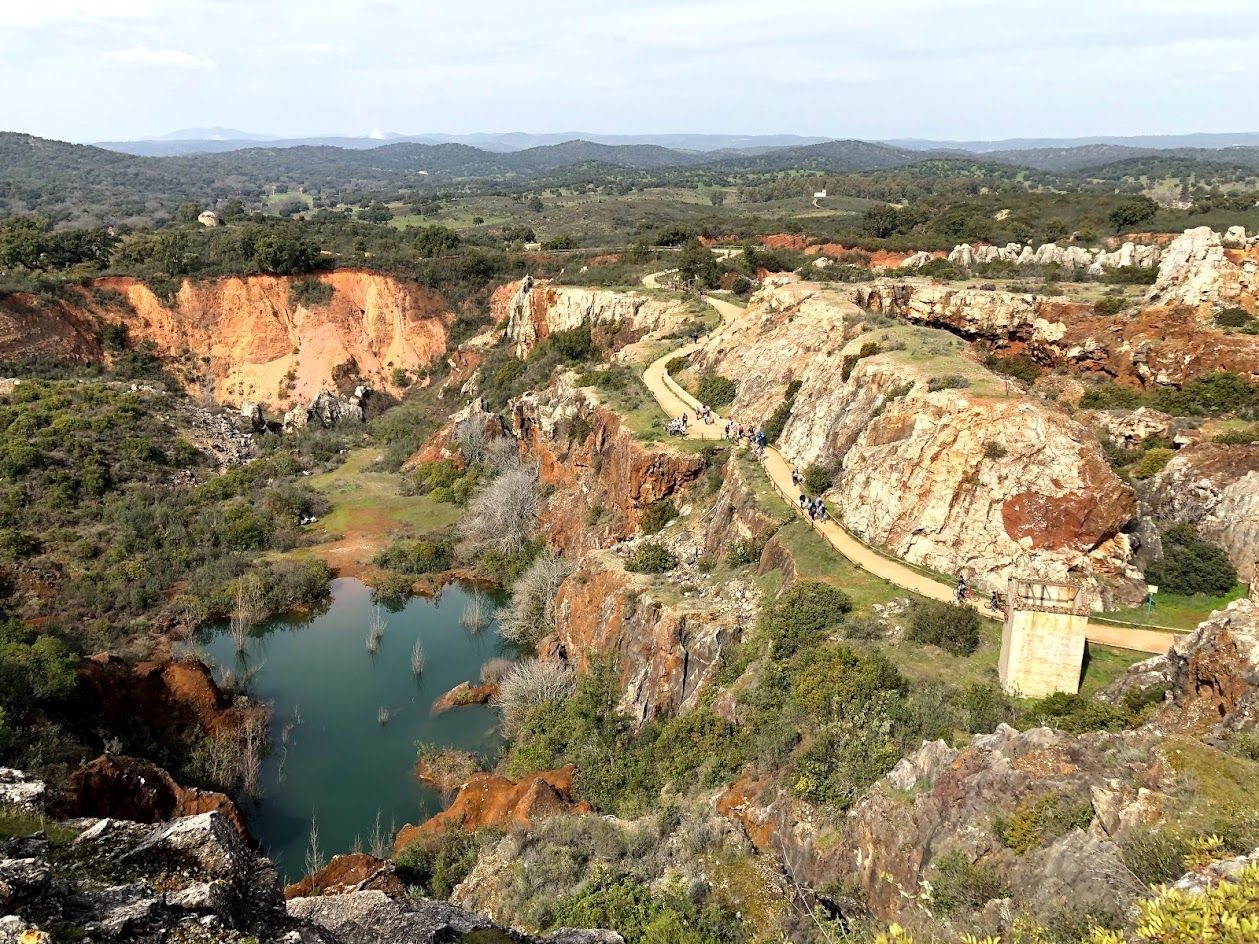
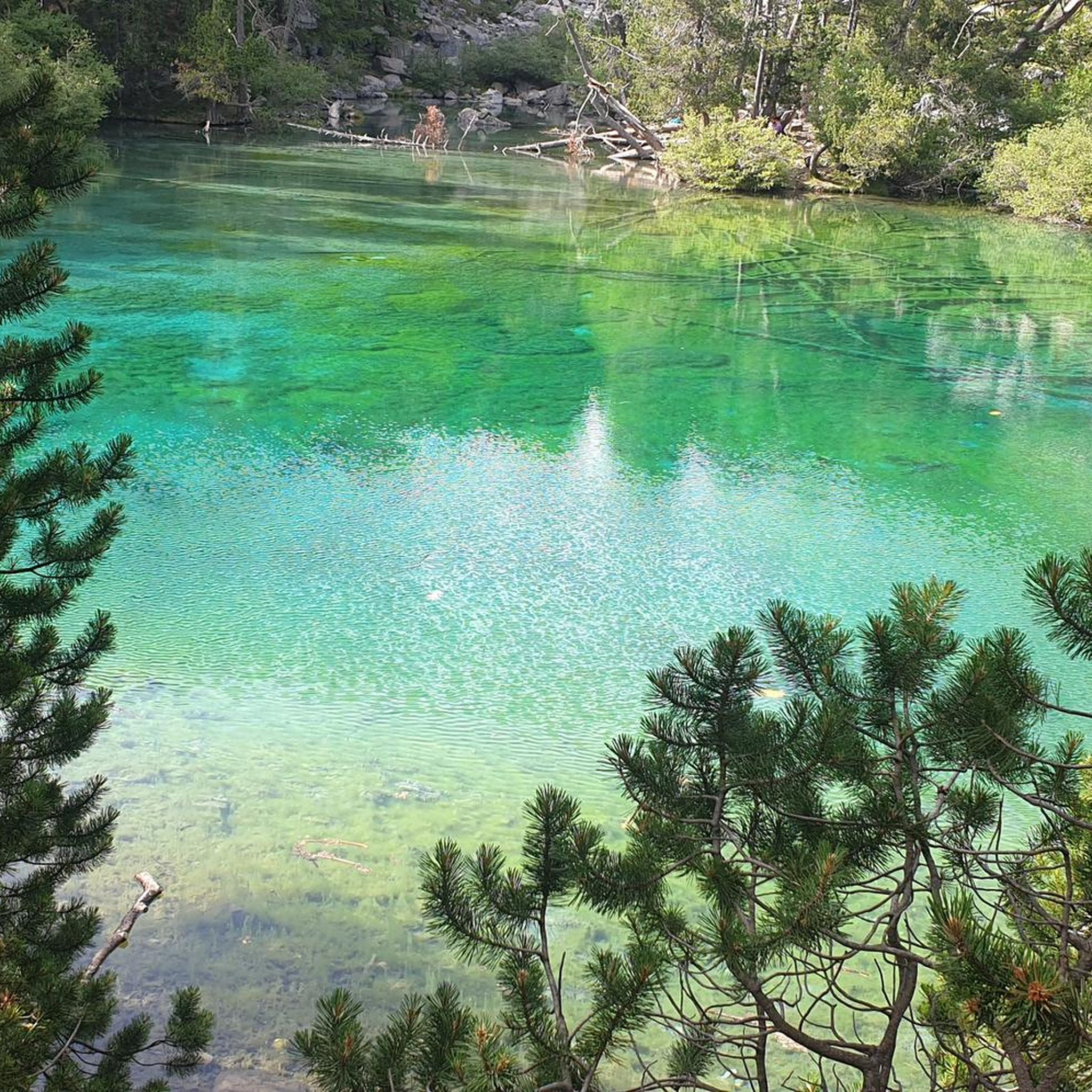


Tips from the Community

This beautiful road is hidden in the Cordoban mountains. The curves seem to play with the surrounding forest and the views are spectacular.
0
0
This road through the Sierra de Hornachuelos Natural Park is very quiet and runs through a beautiful forest landscape.
1
0

Ruins of a silver mine with residential buildings
1
0

The old parish church of Santa María belonged to the Gothic-Mudejar type of church. It seems that it was built by D. Pedro Fernández Gragera, a knight in the service of San Fernando in the reconquest of Écija. According to sources, it was completed in 1262. The structure was designed with three naves and a polygonal head, later two side naves were added, so its plan was irregular, with a tower, a patio with orange trees and a cemetery. The building was extensively renovated in the 16th and 17th centuries, with the church being demolished and rebuilt in 1758.
4
0
The Peñaflor Palace, one of the most important sights in Écija Even from the outside, it is one of the most iconic images of the city.
5
0

The town of San Calixto, about 17 km from Hornachuelos, is located in the heart of the Natural Park. Its origin is found in the ancient and legendary Monastery of Tardón, founded in the 16th century. XVI by Brother Mateo de la Fuente, disciple of Saint John of Ávila and hermit from the wilderness of Córdoba, in the company of Brother Diego Vidal. Due to their reputation for holiness, many others joined them. Installed in some mountains heavily populated with thistles, which is why they called it Cardón, in a hut that served as their church, they placed an image of Saint Michael. Over time, these anchorites decided to live under one of the rules approved by the church, and chose that of San Basilio, founding in 1543 the Monastery of San Basilio del Tardón, a nickname derived from Cardón, which remained inhabited by monks until the year 1808. Twenty years later, Francisco Sánchez Gadeo founded the last of the New Towns of Sierra Morena, protected by the repopulating spirit of Carlos III and following his colonizing precepts. In memory of the day of the birth of King Ferdinand VII, October 14, the name of San Calixto was given to the new town.
0
0

The tower's origins date back to the 15th century, when it was built on an ancient Arab tower. Due to lightning damage in 1892, it was partially demolished, and the first part of the old Mudejar tower remains today as a bell tower.
3
0
Its large balcony running along the facade distinguishes it from the rest of the buildings in Écija. It is a 13th century palace, recently restored and inhabited until 1958.
4
0
Frequently Asked Questions
How many no-traffic road cycling routes are available in Hornachuelos?
There are over 40 dedicated no-traffic road cycling routes around Hornachuelos, offering a wide range of distances and difficulties. These routes allow you to explore the stunning natural landscapes of the Sierra de Hornachuelos Natural Park with minimal vehicle interference.
What kind of terrain can I expect on Hornachuelos' no-traffic road cycling routes?
The terrain in Hornachuelos is characterized by rugged hills, river valleys, and deep gorges, offering a mix of challenging climbs and comfortable descents. You'll cycle through extensive Mediterranean forests of cork and holm oak dehesas, with well-maintained asphalt roads that often feature continuous ascents and descents.
Are there any easy no-traffic road cycling routes suitable for beginners in Hornachuelos?
Yes, while many routes offer a challenge, there are 4 easy no-traffic road cycling routes available. These are perfect for beginners or those looking for a more relaxed ride, allowing you to enjoy the scenery without strenuous effort. The majority of routes are moderate (21) or difficult (15).
What are some notable landmarks or viewpoints along the no-traffic road cycling routes?
Many routes offer scenic views and pass by significant landmarks. You might encounter the impressive Bembézar Dam, the serene Retortillo Reservoir, or enjoy panoramic vistas from a View of the Seminario de los Ángeles. The area is rich in natural beauty, including the unique "Hornachuelos Fjords".
Are there any circular no-traffic road cycling routes in Hornachuelos?
Yes, Hornachuelos offers several excellent circular no-traffic road cycling routes. For a challenging and immersive experience, consider the Parque Natural Sierra de Hornachuelos — circular from Hornachuelos, which covers over 160 km through the natural park. Another option is the Hornachuelos from Palma del Rio — circular by Posadas, a moderate 55 km loop.
What is the best time of year to go road cycling in Hornachuelos?
Hornachuelos is ideal for road cycling during spring and autumn when temperatures are milder. These seasons offer pleasant weather for exploring the extensive Mediterranean forests and enjoying the region's natural beauty. Summers can be very hot, and winters might bring cooler temperatures, though cycling is generally possible year-round.
Can I find routes that pass by reservoirs or bodies of water?
Absolutely. The region is home to several significant reservoirs. Routes often pass by or offer views of the Bembézar Dam, Retortillo Reservoir, and José Torán Reservoir. These areas provide beautiful scenery and opportunities for a refreshing stop.
What do other cyclists say about road cycling in Hornachuelos?
The komoot community has given road cycling in Hornachuelos a positive rating of 4.5 stars. Cyclists frequently praise the quiet, well-maintained roads, the stunning natural park scenery, and the variety of routes that cater to different fitness levels, especially appreciating the low-traffic environment.
Are there any challenging no-traffic road cycling routes for advanced riders?
Yes, advanced riders will find plenty of challenging options. For instance, the Sierra de Hornachuelos - Las Navas de la Concepción Loop is a difficult 73 km route with over 1000 meters of elevation gain. Another demanding option is the Peñaflor – Retortillo Reservoir loop from Palma del Río, which is over 113 km long with significant climbing.
Where can I find parking for these no-traffic road cycling routes?
While specific parking areas vary by route start point, Hornachuelos and surrounding towns typically offer public parking. Many routes begin from or pass through villages, where you can often find suitable places to park your vehicle before starting your ride. It's advisable to check the specific route details on komoot for recommended starting points and parking information.
What kind of wildlife might I see while cycling in Hornachuelos?
The Sierra de Hornachuelos Natural Park is part of a UNESCO Biosphere Reserve, home to rich biodiversity. While cycling, you might spot griffon vultures and golden eagles soaring above, and potentially glimpse mammals like wild boars and red deer. The area is also a vital habitat for endangered species such as the Iberian lynx and Spanish imperial eagle, though these are much rarer sightings.
Most popular attractions around Hornachuelos

Get inspired with the komoot mobile app


Explore more
Browse the best Road cycling routes in other regions.
