The best traffic-free bike rides around Ourol
4.8
(10)
217
riders
18
rides
No traffic touring cycling routes around Ourol traverse a transitional landscape in Galicia, Spain, characterized by a succession of valleys and mountains, including parts of the Sierra del Xistral. The region features numerous rivers such as the Landro, Besteburiz, and Sor, which carve out scenic routes. This varied topography offers diverse cycling experiences, from gentle paths along river valleys to challenging ascents through hilly and mountainous areas.
Best no traffic touring cycling routes around Ourol
- The most popular no traffic…
Last updated: July 2, 2026
32.1km
02:21
730m
730m
Hard bike ride. Very good fitness required. Mostly paved surfaces. Suitable for all skill levels.
14
riders
39.3km
02:27
410m
410m
Moderate bike ride. Good fitness required. Mostly paved surfaces. Suitable for all skill levels.

Sign up for free
14
riders
37.9km
02:46
790m
790m
Hard bike ride. Very good fitness required. Mostly paved surfaces. Suitable for all skill levels.
7
riders
18.1km
01:24
450m
450m
Hard bike ride. Very good fitness required. Mostly paved surfaces. Suitable for all skill levels.
5
riders
62.7km
04:31
1,340m
1,340m
Hard bike ride. Very good fitness required. Mostly paved surfaces. Suitable for all skill levels.
Get access to more routes and recommendations from other explorers.
Sign up for free
Already have an account?
Our route recommendations are based on thousands of hikes, rides, and runs completed by other people on komoot.
Start today with a free account
Your next adventure awaits.
Login or Signup
Popular around Ourol
Tips from the Community


The motorhome parking space is great there, and next to it is a good indoor pool at 26 degrees. There's a small sauna and gym for 5.60 euros. Everything is clean and very friendly.
0
0


The spectacular bike path of Cabo de Burela makes it easy to get out of the town by bicycle along the coastal cliffs and the little beaches of Reliño and Marosa, then comes the crossing near the Cervo business park and again the charms of the coastal towns in San Cibrao, a beautiful fishing port formed by two neighborhoods that were created when the coastal sediments joined the coastal point with the islet where the Punta da Atalaia lighthouse is now located. The Nature Trail draws a curious perimeter route through the town that culminates in views of the coast from the spectacular overhanging balcony of the Miradoiro da Atalaia and descends through O Pedregal. The landmarks of the route move away from the coast to surround the industrial complex of an immense aluminum factory and return again to coastal fantasies in the port of Morás, an important whaling port during the Middle Ages. The entrance to the port and the surrounding area are decorated with hundreds of idols, which are the remains of the concrete pieces that were made to build the docks of the current industrial port of San Cibrao. The coastal landscape changes its atmosphere, the first serious slopes arrive. Near the famous Paper Cliffs, a fun stretch along mountain trails begins on the cliffs of Morás and the viewpoints of Monte Castelo, in Punta Roncadoira, accumulating a good positive gradient before descending again to the shore of the Cantabrian Sea and passing through Viveiro. and Covas for the first time. The stage ends in Viveiro although there is still the fabulous final stretch to the Ortigueira estuary and the return. In Covas there is a bicycle shop, it is next to a giant specimen of Monterrey cypress, 32 meters high, planted in 1880. The Natural Trail leaves the urban environment of the Viveiro estuary through Mount O Facho and the surprising viewpoint of the Cruz de San Román, between the beaches of San Román and Area Grande. The route is a constant see-saw through eucalyptus and pine forests between beaches, estuaries and small coves that seem inaccessible from the edge of the cliffs. The crossing of the Barqueiro estuary is another environmental fantasy, on the eastern bank is the port of O Vicedo and on the western bank the fishing streets of O Porto do Barqueiro, staggered on the slope of the mouth of the Sor river, the gateway to the Estaca de Bares, the northernmost point of the Iberian Peninsula.
0
0

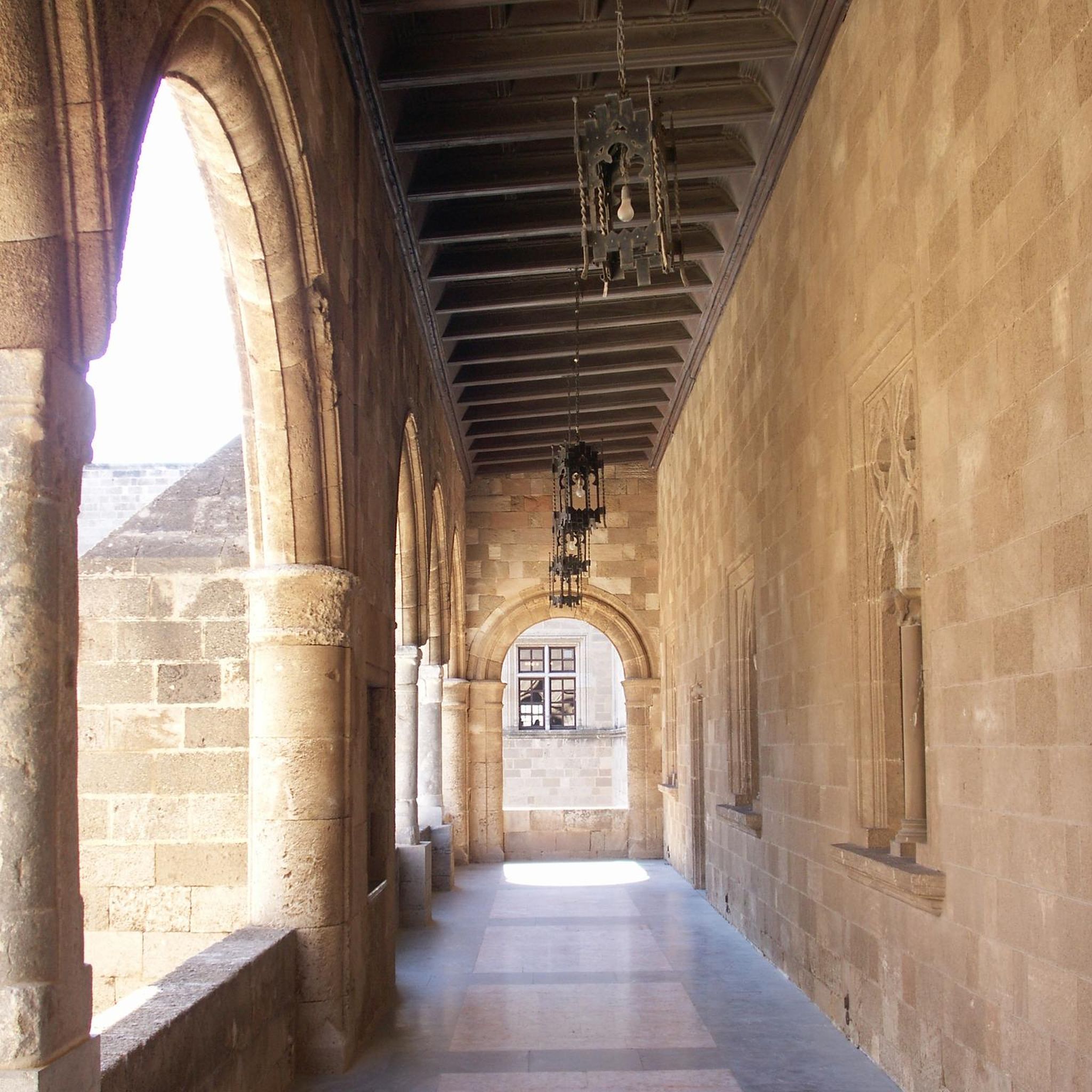
Founded by the Franciscans in 1219, this church is just outside the old Roman wall and has a well-preserved Romanesque portal and Gothic apse (renovated in 1965!). A visit to the cloister is worthwhile.
1
0

Covas is a small coastal residential complex that enjoys a long white sand beach. The contrast formed by the shape and color of the rocks when breaking the sand mantle forms a spectacular landscape.
3
0

Public access recreational path. the promenade connects the estuary to Playa Covas and Vivero and reaches the Puente Mayor or Puente de la Misericordia.
1
0
This is an arched stone gate to the old city. Travelers who crossed the estuary via the Mayor or La Misericordia bridges reached the entrance to the old town.
3
0
Frequently Asked Questions
How many no traffic touring cycling routes are available around Ourol?
There are over 15 dedicated no traffic touring cycling routes around Ourol featured in this guide. These routes are designed to offer a peaceful cycling experience away from busy roads, allowing you to immerse yourself in the natural beauty of Galicia.
What is the typical difficulty level for no traffic touring cycling routes in Ourol?
The majority of no traffic touring cycling routes in Ourol are classified as 'difficult', with 15 out of 16 routes falling into this category. There is also one 'moderate' route available. This reflects the region's varied topography, which includes parts of the Sierra del Xistral, offering rewarding challenges for experienced touring cyclists. Expect significant elevation changes and varied terrain.
What kind of terrain and elevation can I expect on these quiet cycling routes?
Ourol's quiet cycling routes traverse a diverse landscape, from river valleys to mountainous areas. You can expect a mix of paved and dirt roads. Routes often feature substantial elevation gains; for example, the "Viveiro – Porta de Valado loop from Viveiro" includes nearly 1000 meters of ascent over its 36 km. This varied terrain provides both scenic beauty and a good physical challenge.
Are there any notable natural features or viewpoints along the no traffic touring cycling routes?
Yes, Ourol is rich in natural beauty. You can discover stunning features like the Fervenza do Río Xestosa and Pozo da Ferida Waterfall. The region is also part of the Terras do Miño Biosphere Reserve and features the Río Landro Special Protection Area, offering ecologically significant landscapes. For panoramic views, look out for spots like Rooster's Rock.
What cultural or historical attractions can I explore near the cycling routes?
Beyond natural beauty, the area offers cultural highlights. In nearby Viveiro, you can visit the historic Gate of Charles V and the Church and Convent of San Francisco de Viveiro. The region also features charming Indiano houses and other sacred art examples. The "Viveiro Waterfront Promenade – Covas loop from Covas" route, for instance, takes you past coastal attractions like Covas Beach.
Are there any circular no traffic touring cycling routes in Ourol?
Yes, several routes are designed as loops, allowing you to start and end at the same point. An example is the "Valadouro – tour through Alfoz and Rio Ouro", which offers a 32 km circular journey through diverse landscapes.
Is Ourol suitable for family-friendly no traffic cycling tours?
While many routes in this guide are rated 'difficult' due to elevation, the region's quiet roads and scenic river valleys can offer potential for family-friendly cycling. For easier options, look for routes with less elevation gain or consider shorter sections of longer routes. Always check the specific route details for distance and elevation to ensure it matches your family's capabilities.
Can I bring my dog on these quiet cycling routes?
Many natural areas in Galicia are dog-friendly, especially on trails and quiet roads, provided dogs are kept under control. However, specific regulations can vary, particularly in protected areas like the Terras do Miño Biosphere Reserve. It's always best to check local signage or park guidelines for any restrictions on dogs before you set out.
What is the best time of year for quiet bike tours in Ourol?
Galicia's mild climate makes it suitable for cycling through much of the year. Summers are generally milder than in other parts of Spain, making spring, summer, and early autumn ideal for touring. These seasons offer pleasant temperatures and lush green landscapes. Winter cycling is possible, but be prepared for cooler, potentially wetter conditions, especially in higher elevations.
What do other touring cyclists enjoy the most about touring cycling in Ourol?
The area is highly rated by the komoot community, with an average score of 4.4 stars. Reviewers often praise the region's quiet, well-maintained roads, the stunning natural beauty of the river valleys and mountains, and the sense of peaceful immersion in nature that the no traffic routes provide. The diverse landscapes and cultural points of interest also contribute to a highly rewarding cycling experience.
Are there options for shorter no traffic touring cycling routes?
Yes, for those looking for a shorter ride, the "Ría de Viveiro – Viveiro Waterfront Promenade loop from Viveiro-Apeadoiro" is a good option. It covers approximately 18 km with moderate elevation, offering a scenic experience without committing to a full-day tour.
Where can I find parking for these no traffic cycling routes?
Many of the routes start from towns or villages like Viveiro or Valadouro, where public parking is generally available. For example, routes like the "A Rapadoira Beach – Foz Promenade loop from As Teixoeiras" often have starting points near accessible parking areas. It's advisable to check the specific starting point of your chosen route on komoot for detailed parking information.
Most popular attractions around Ourol

Get inspired with the komoot mobile app


Explore more
Browse the best Cycling routes in other regions.
