The best traffic-free bike rides around Tarancón
4.0
(2)
72
riders
9
rides
No traffic touring cycling routes around Tarancón traverse a landscape characterized by plains, gentle hills, and pine forests, offering varied terrain for cyclists. The region, situated in the province of Cuenca, Spain, features a mix of well-paved surfaces and some unpaved segments. Cyclists can explore areas around the Río Riánsares and the broader Serranía de Cuenca, which provide diverse natural settings. This combination of features makes Tarancón suitable for different levels of touring cycling.
Best no traffic touring cycling routes…
Last updated: May 21, 2026
5.0
(1)
9
riders
44.0km
03:26
540m
540m
Hard bike ride. Very good fitness required. Mostly paved surfaces. Suitable for all skill levels.
8
riders
36.3km
03:36
600m
600m
Hard bike ride. Very good fitness required. Mostly paved surfaces. Suitable for all skill levels.

Sign up for free
2
riders
19.5km
01:37
180m
180m
Moderate bike ride. Good fitness required. Mostly paved surfaces. Suitable for all skill levels.
2
riders
50.3km
04:41
630m
630m
Hard bike ride. Very good fitness required. Mostly paved surfaces. Suitable for all skill levels.
1
riders
Moderate bike ride. Good fitness required. Mostly paved surfaces. Suitable for all skill levels.
Get access to more routes and recommendations from other explorers.
Sign up for free
Already have an account?
Our route recommendations are based on thousands of hikes, rides, and runs completed by other people on komoot.
Start today with a free account
Your next adventure awaits.
Login or Signup
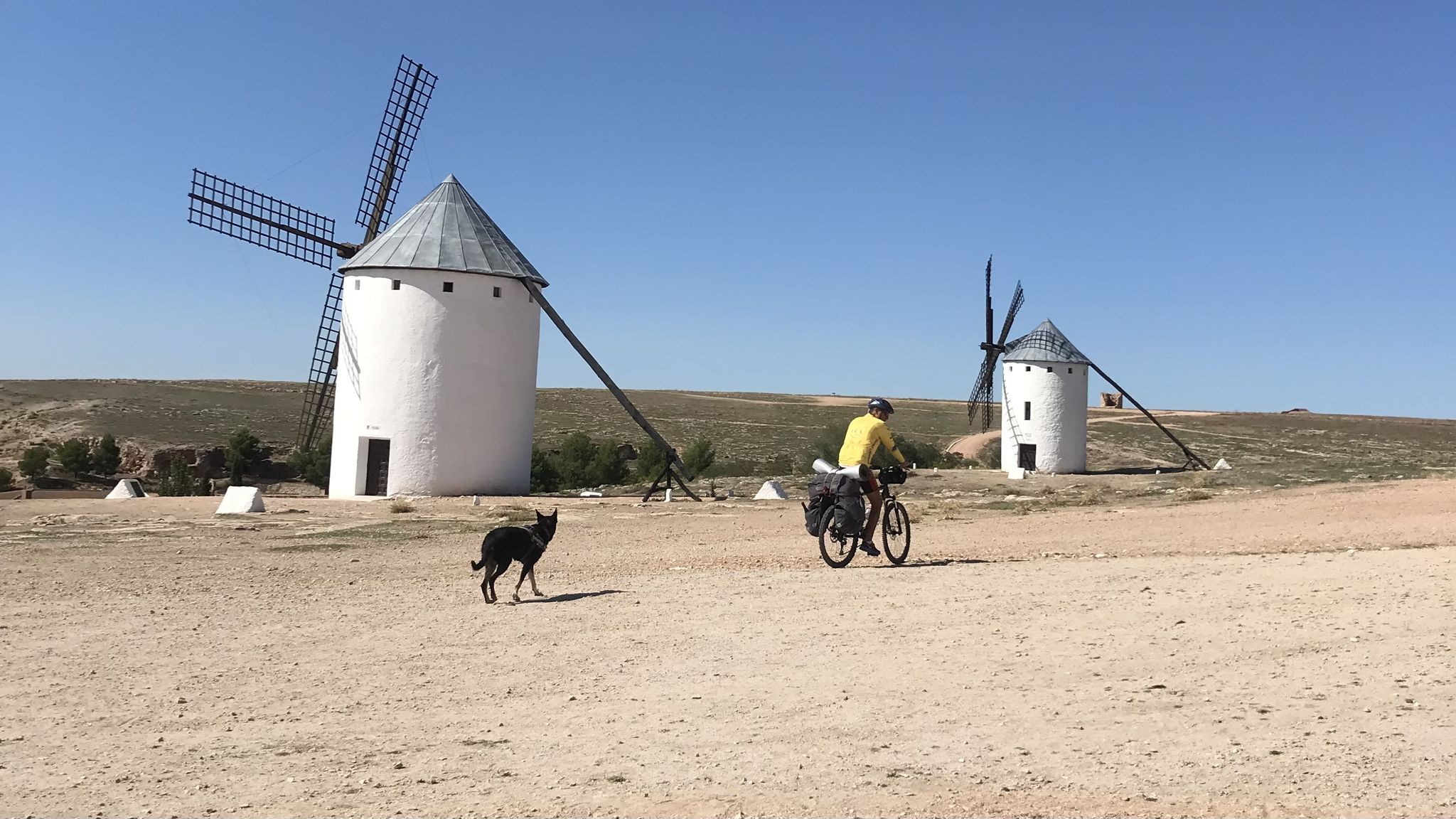
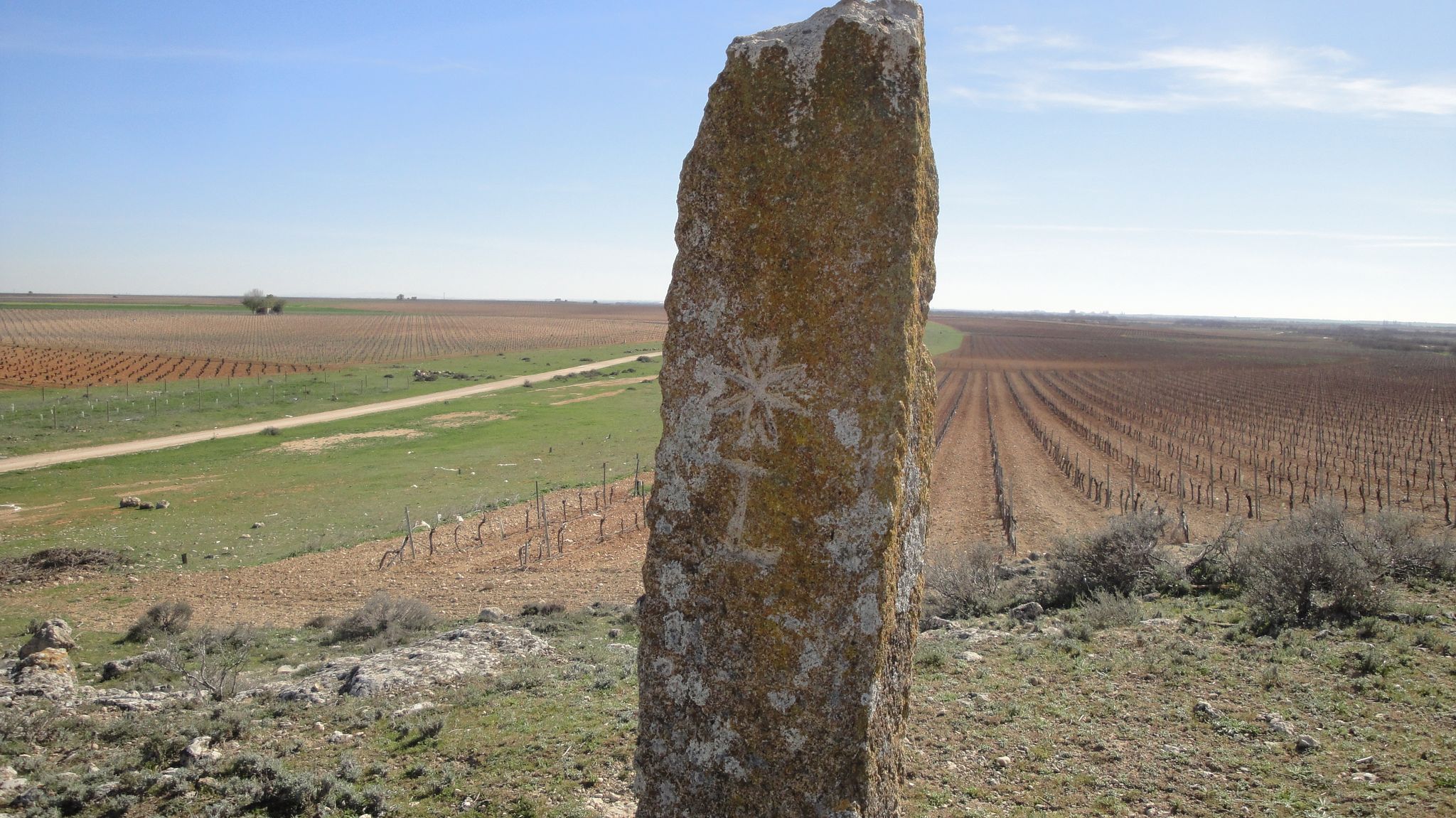



Tips from the Community

It is a large recreational area that includes barbecues, swings and shaded areas. The hermitage, dedicated to the Virgin of Riánsares, is an emblematic place where several local festivals are celebrated, such as the pilgrimage of San Julián on January 28 and the feast of San Blas on February 3.
2
0

The Monastery welcomes you at the top of the village with a stunning view from the road leading to Uclés. After a long bike ride, it is a good reward.
0
0

Built by the Order of Santiago, construction began in 1529 while Charles I reigned and was completed in 1735 under the reign of Philip V. Monumental construction that leaves no one indifferent, and that during the civil war was first a hospital for one side and later a prison for the other. You can visit it by paying an entrance fee and it is no longer used as a guest house because only one monk lives there, who possibly does not reside there at the time I write this chronicle.
2
0
This spectacular building built by the Order of Santiago is the end of the route or pilgrimage path that starts from the Church of Santiago in Madrid, and is usually done by numerous pilgrims both on foot and by bike.
1
0

The Chozo road is located on the outskirts of Tarancón and runs between crop fields and train tracks. Through here you can reach the Riánsares natural path.
1
0
Huelves is a small Cuenca enclave with a lot of history. It is located on the Riánsares natural path and on the route of lapis specularis, a mineral highly valued in ancient Rome for the manufacture of mirrors and crystals. On one of the hills around the town there is an old fortress of Roman origin that was also important during the wars between the taifa of Toledo and the kingdom of Castile.
1
0

Tarancón offers several places to visit, among them the following stand out: the Plaza de la Constitución, next to the town hall, the Malena arch, the Church of Our Lady of the Assumption, the sculptures of Don Quixote, inside the palace of the Dukes of Riánsares, and within it the caves.
0
0

the river that This under the Roman bridge is called the Riansares river (river of ducks).
1
0
Frequently Asked Questions
How many no traffic touring cycling routes are available around Tarancón?
There are 9 dedicated no traffic touring cycling routes around Tarancón listed on komoot. These routes offer a variety of experiences, from moderate to difficult, ensuring options for different fitness levels.
What kind of terrain can I expect on no traffic touring cycling routes near Tarancón?
The terrain around Tarancón for no traffic touring cycling is diverse. You'll encounter mostly well-paved surfaces, but some segments may be unpaved. Routes often feature plains, pathways, and pine forests, with some offering significant elevation gains, especially towards the Serranía de Cuenca and Sierra de Altomira.
Are there any family-friendly no traffic cycling routes in Tarancón?
While many routes in the region are moderate to difficult, the area does offer options suitable for families. For a shorter, moderate ride, consider the Tarancón loop from Estación de Tarancón, which is just under 20 km with manageable elevation.
What are some notable landmarks or attractions I can see along these no traffic cycling routes?
Many routes incorporate historical and natural attractions. You can cycle past the impressive Cross of the Order of Santiago – Gabriela and Lorenzo Rest Area or the Pelegín Cross. The Camino del Chozo – View of the Monastery of Uclés loop offers views of the historic Monastery of Uclés, a significant cultural stop.
Are there any challenging no traffic touring cycling routes for experienced riders?
Yes, for experienced riders seeking a challenge, routes like the Cerro Verde Trails – Tarancón loop from Estación de Tarancón offer significant elevation gains over 36 km. Another demanding option is the Tarancón – Pelegín Cross loop, which covers over 50 km with substantial climbing.
What is the best time of year to go no traffic touring cycling in Tarancón?
The region generally offers pleasant cycling conditions outside of the peak summer heat. Spring (April-May) and autumn (September-October) are ideal, with milder temperatures and often vibrant landscapes. Winters are generally mild but can be cooler, while summers can be very hot, making early morning or late afternoon rides preferable.
Are there any circular no traffic cycling routes available?
Yes, most of the no traffic touring cycling routes around Tarancón are circular, allowing you to start and end at the same point. For example, the Monastery of Uclés – Huelves loop from Barajas de Melo is a challenging circular route that takes you through varied landscapes.
What do other touring cyclists enjoy most about the no traffic routes in Tarancón?
The komoot community rates the routes around Tarancón highly, with an average score of 4.0 stars. Reviewers often praise the quiet roads and diverse landscapes, which combine historical sites like the Monastery of Uclés with natural beauty, offering a rewarding and peaceful cycling experience away from traffic.
Where can I find starting points for these quiet cycling routes in Tarancón?
Many of the no traffic touring cycling routes conveniently start from Estación de Tarancón, making it an accessible hub. Other routes, like the Monastery of Uclés – Huelves loop, begin from nearby towns such as Barajas de Melo.
Are there opportunities for wildlife spotting along the no traffic cycling routes?
The natural landscapes surrounding Tarancón, including plains, pine forests, and areas near the Río Riánsares, provide opportunities for wildlife observation. While specific sightings are never guaranteed, the quiet nature of these routes increases your chances of encountering local fauna in their natural habitat.
What should I bring for a no traffic touring cycling trip in Tarancón?
Given the varied terrain and potential for longer rides, it's advisable to bring sufficient water, snacks, a basic repair kit, and appropriate sun protection. Depending on the season, layers of clothing are recommended. Always check the weather forecast before heading out.
Most popular attractions around Tarancón

Get inspired with the komoot mobile app


Explore more
Browse the best Cycling routes in other regions.
