The best traffic-free bike rides around Favara
4.5
(23)
230
riders
25
rides
No traffic gravel bike trails around Favara offer a diverse landscape for off-road cycling. The region is characterized by rolling hills and mountains, including the Granza and Favara forests, which feature oaks and cork trees. A network of streams and watercourses flows through valleys, creating varied elevations and natural paths suitable for gravel biking. This terrain provides a mix of challenging and scenic routes for cyclists exploring the area.
Best no traffic gravel bike trails around Favara
- The most popular…
Last updated: August 25, 2026
20
riders
65.6km
04:08
750m
750m
Hard gravel ride. Very good fitness required. Mostly paved surfaces. Suitable for all skill levels.
4.0
(3)
20
riders
Moderate gravel ride. Good fitness required. Mostly paved surfaces. Suitable for all skill levels.

Sign up for free
4.5
(2)
15
riders
43.5km
02:36
60m
60m
Moderate gravel ride. Good fitness required. Mostly paved surfaces. Suitable for all skill levels.
5.0
(5)
19
riders
Moderate gravel ride. Good fitness required. Mostly paved surfaces. Suitable for all skill levels.
14
riders
Hard gravel ride. Very good fitness required. Mostly paved surfaces. Suitable for all skill levels.
Get access to more routes and recommendations from other explorers.
Sign up for free
Already have an account?
Our route recommendations are based on thousands of hikes, rides, and runs completed by other people on komoot.
Start today with a free account
Your next adventure awaits.
Login or Signup
Popular around Favara

Tips from the Community

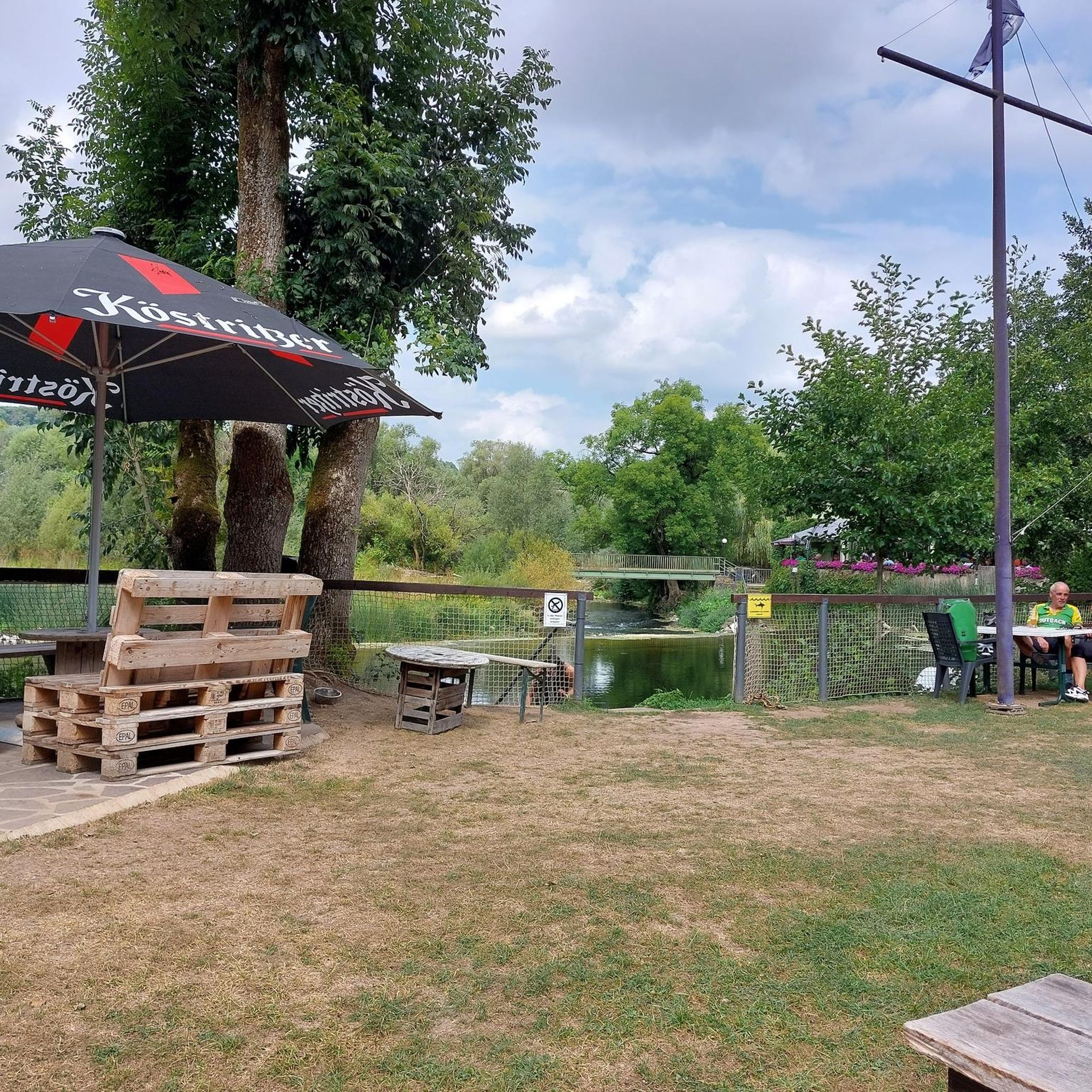
Preciós paratge natural molt prop de Gandia, amb ullals d'aigua, sala d'interpretació dels aiguamolls, bancs, taules i molta vegetació.
3
0
El convent d'Aigües Vives, també anomenat Reial Monestir de Santa Maria d'Aigües Vives, és un antic monestir amb orígens que es remunten al segle XIII. L'edifici actual es va construir durant els segles XVI i XVII, amb els corresponents estils, renaixentista i barroc, si bé l'ala nord es va acabar en el segle XVIII. El monestir va pertànyer a l'orde dels agustins, orde que custodiava la imatge de la Mare de Déu d'Aigües Vives, patrona de la ciutat de La Barraca d'Aigües Vives. A mitjan segle XIX, a conseqüència de la desamortització de Mendizábal, els monjos hagueren d'abandonar el cenobi. Aquest va passar a mans dels barons de Casanova, que el destinaren com a habitatge rural. L'any 1977 el monestir fou adquirit i reformat per a destinar-lo a hotel residència per Antonio Vidal Bellver (fotògraf i empresari de Carcaixent). Actualment és propietat d'un empresari hoteler de Gandia. El 2024, la Generalitat Valenciana va instar els nous propietaris a fer obres per a mantenir aquesta obra major que ha patit un deteriorament progressiu com a conseqüència de robatoris, vandalisme i abandonament.
1
0
La ruta per la mota dreta del riu transcorre entre les cases del poble i el propi riu.
1
0
Camí agradable entre xalets, cases de camp i la pineda de la Casella, que arriba fins el bar existent dins del paratge natural.
1
0
Una pujada agradable entre xalets, cases de camp i la pineda de la Casella.
1
0

L'Ullal de la Marjal de Gandia is a small but important wetland within the Marjal de Gandia Natural Park. It is a natural marsh lake surrounded by reeds, water channels, and wet meadows, providing a habitat for numerous bird and amphibian species. The flat paths around the Ullal are ideal for exploring by bike. The route leads through a tranquil, unspoiled landscape, past bodies of water, reeds, and flowering riparian plants. The combination of tranquility, birdwatching, and the typical Marjal landscape makes the route a worthwhile excursion for nature lovers and cyclists alike.
5
0

The Monastery of Sant Jeroni de Cotalba is a historic monastery near Alfauir, in the province of Valencia. It was founded in 1388 and was an important Hieronymite monastery until it was expropriated in the 19th century. The monastery combines various architectural styles, including Gothic, Mudéjar, Renaissance and Baroque elements. The cloister, the church, the defensive tower, the water gardens and the olive press are particularly worth seeing. Today the monastery is privately owned but open to visitors. It is one of the best preserved monasteries in the Valencia region and has been declared a Cultural Asset (Bien de Interés Cultural, BIC).
9
0
Frequently Asked Questions
How many no-traffic gravel bike trails are available around Favara?
There are over a dozen dedicated no-traffic gravel bike trails around Favara. These routes range from moderate to difficult, offering diverse experiences for gravel cyclists looking to explore the region's unique landscapes.
What is the best time of year to go gravel biking in Favara?
Favara, being in Sicily, generally offers pleasant cycling conditions for much of the year. Spring (April-May) and Autumn (September-October) are ideal, with milder temperatures and lush landscapes. Summers can be hot, so early morning or late afternoon rides are recommended if cycling during July and August.
Are there any family-friendly no-traffic gravel routes in Favara?
While many routes around Favara tend towards moderate to difficult, some sections of the flatter river levee routes could be suitable for families with older children or those comfortable with longer distances. For instance, parts of the Júcar River Levee – Riola (Rio Júcar) loop from Cullera offer relatively low elevation gain, making them more accessible.
What kind of terrain can I expect on Favara's no-traffic gravel trails?
Favara's gravel trails offer a varied terrain, from rolling hills and forested mountains to river levee paths. You'll encounter gravel roads, dirt tracks, and possibly some paved sections connecting off-road segments. The region's natural features, including the Granza and Favara forests, provide engaging routes with oaks, cork trees, and Mediterranean flora.
What can I see along the no-traffic gravel bike trails in Favara?
Beyond the natural beauty of the Sicilian countryside, you can discover various points of interest. Some routes may pass by scenic viewpoints like La Visteta Viewpoint or offer glimpses of mountain passes such as the Summit of the Barxeta Pass. The region is also rich in historical sites, including the nearby Valley of the Temples, which can be incorporated into your trip.
Are there any circular no-traffic gravel routes around Favara?
Yes, many of the gravel routes around Favara are designed as loops, allowing you to start and end at the same point. An example is the Old narrow-gauge train station – Monastery of Aigues Vives loop from Tavernes de la Valldigna, which offers a moderate challenge and returns you to your starting location.
What do other gravel bikers enjoy most about cycling in Favara?
The komoot community highly rates the gravel biking experience in Favara, with an average score of 4.75 stars. Reviewers often praise the region's diverse landscapes, the challenge of the varied terrain, and the opportunity to explore quiet, traffic-free paths away from main roads.
Are there any routes that pass by lakes or water features?
Yes, some routes in the broader Favara area incorporate natural water features. For example, the Riola (Rio Júcar) – Júcar River Levee loop from Tavernes de la Valldigna follows river levees, offering views of the Júcar River. You might also find highlights like Lake Park or the Ullal de Poliña de Júcar in the vicinity.
What is the longest no-traffic gravel bike trail in the Favara area?
One of the longer and more challenging no-traffic gravel routes is the Old narrow-gauge train station – Monastery of Aigues Vives loop from la Barraca d'Aigües Vives. This difficult route spans over 93 kilometers with significant elevation gain, perfect for experienced riders seeking a full-day adventure.
Are there any historical sites or cultural attractions accessible by gravel bike near Favara?
Absolutely. Favara is close to the UNESCO World Heritage site of the Valley of the Temples, an extraordinary archaeological park. Within Favara itself, you can find the unique Farm Cultural Park, an open-air museum, and historical sites like the Chiaramontano Castle. While not directly on gravel trails, these are easily accessible from the town and can enrich your cycling trip.
What is the typical elevation gain on Favara's gravel bike trails?
The elevation gain varies significantly depending on the route's difficulty. Moderate trails, such as the Júcar River Levee – Riola (Rio Júcar) loop from Cullera, might have around 60 meters of ascent. More difficult routes, like the Monastery of Aigues Vives – Old narrow-gauge train station loop from Tavernes de la Valldigna, can feature over 600 meters of climbing, offering a substantial workout.
Most popular attractions around Favara

Get inspired with the komoot mobile app


Explore more
Browse the best Gravel rides in other regions.
