The best traffic-free bike rides around Almodóvar Del Río
4.0
(13)
217
riders
4
rides
Gravel biking around Almodóvar Del Río offers diverse terrain, from the fertile plains of the Guadalquivir River to the rugged landscapes of the Sierra de Hornachuelos Nature Reserve. The region features scenic routes along the Guadalquivir River and the Guadalmellato Canal, providing smooth gravel and dirt paths. Undulating hills contribute to varied gradients, while the La Breña II Reservoir area offers additional routes.
Best no traffic gravel bike trails around Almodóvar Del Río
- The most popular no traffic gravel bike…
Last updated: July 2, 2026
10
riders
Moderate gravel ride. Good fitness required. Mostly paved surfaces. Suitable for all skill levels.
4
riders
Hard gravel ride. Very good fitness required. You may need to push your bike for some segments of this route.

Sign up for free
28
riders
78.2km
04:42
790m
790m
Hard gravel ride. Very good fitness required. Mostly paved surfaces. Suitable for all skill levels.
5
riders
101km
06:37
610m
610m
Hard gravel ride. Very good fitness required. Mostly paved surfaces. Suitable for all skill levels.
2
riders
43.9km
03:18
700m
700m
Hard gravel ride. Very good fitness required. Mostly paved surfaces. Suitable for all skill levels.
Our route recommendations are based on thousands of hikes, rides, and runs completed by other people on komoot.
Start today with a free account
Your next adventure awaits.
Login or Signup
Popular around Almodóvar Del Río
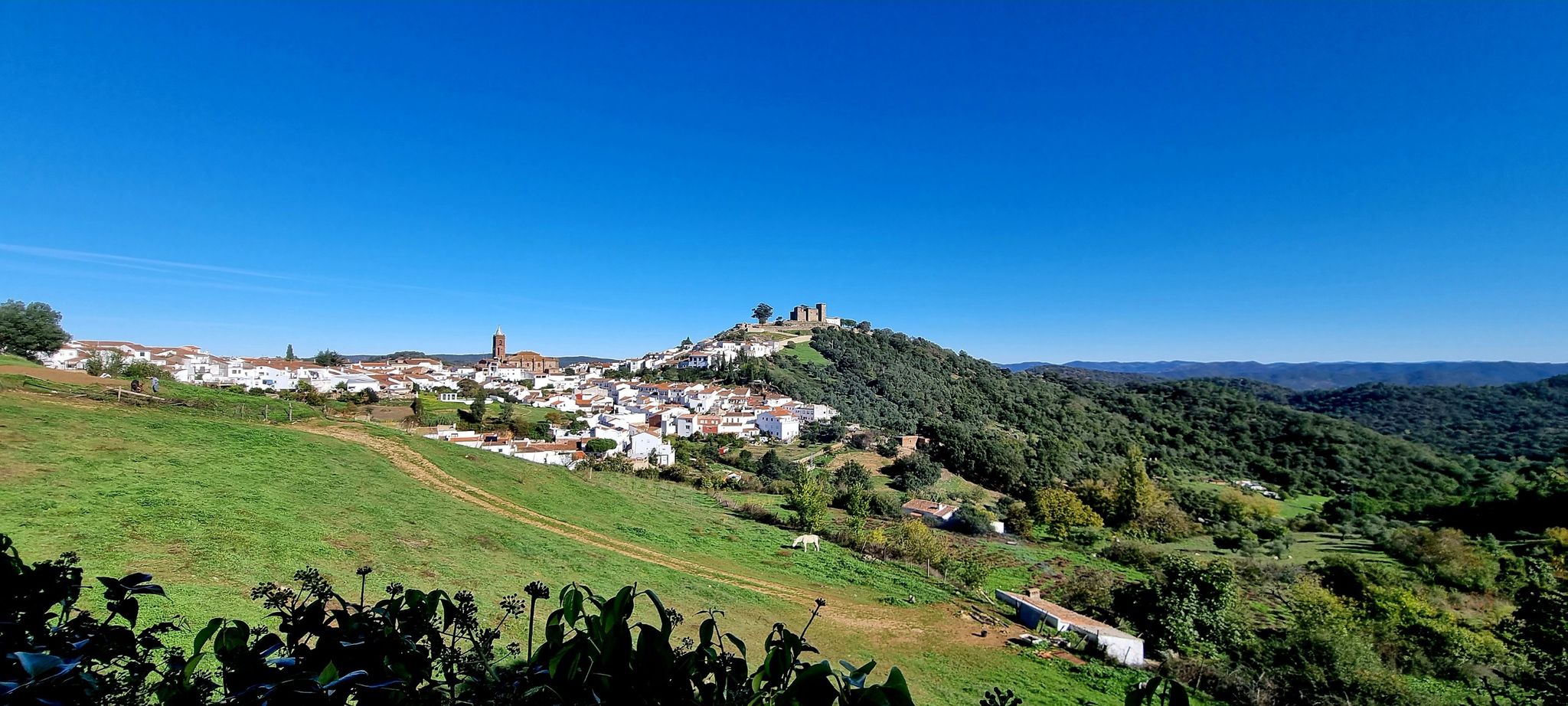
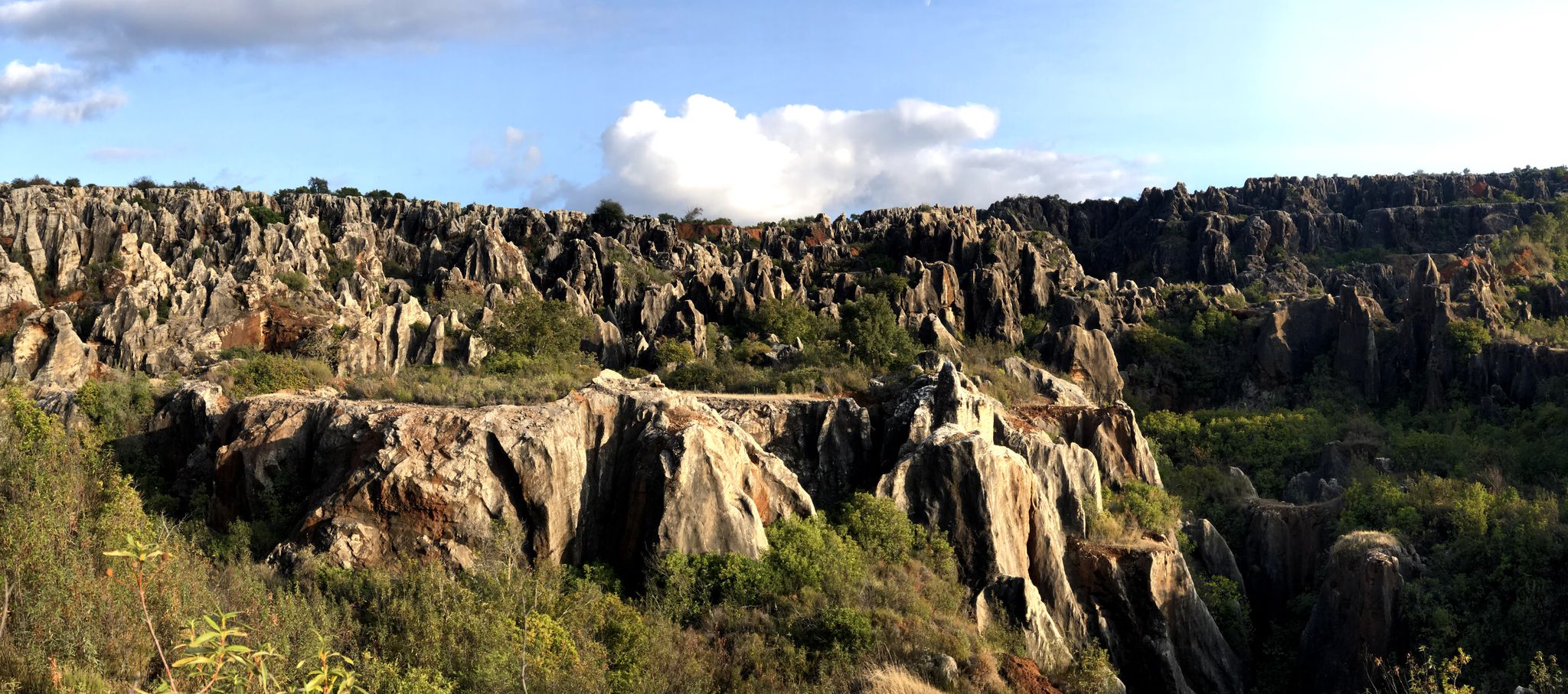
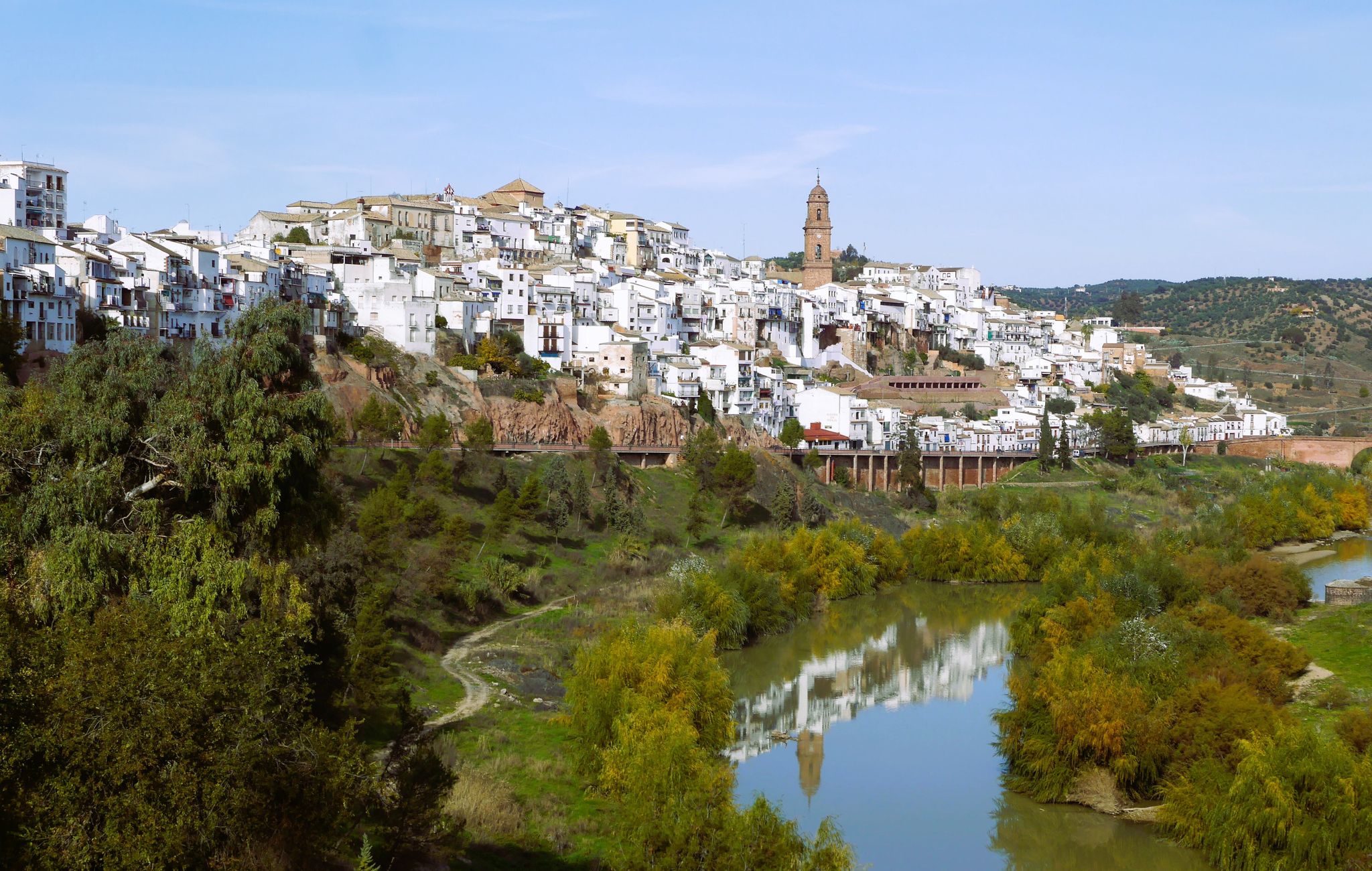


Other adventures around Almodóvar Del Río


Tips from the Community

This small road is located very close to the city of Córdoba, right in the Sierra Morena. The asphalt winds through a beautiful holm oak forest, making it ideal for cycling. Proof of this is the fact that La Vuelta usually passes through here.
1
0

Scattered along the riverbed, christened by the Arabs as Guadalquivir (“great or copious river”) as it passes through the World Heritage city, are what were once symbols of the milling industry in Córdoba, which today remain inserted in an unparalleled landscape setting, silent witnesses to the city's evolution.
2
0

Circular route from Turruñuelos Park, Córdoba, passing through: - Torrehoria Viewpoint (19.5 km) - Torre del Beato (23.1 km) - Torre de las Siete Esquinas (24.5 km) - Bridge over the canal (29.5 km) The route begins along the Guadalmellato Canal, ascends through La Canchuela, Llanos de los Mesoneros, passes the El Cruce gas station, enters the "Fangor" forest, Torrehoria, Camino del Nuo Bajo, Torre del Beato, Torre de las Siete Esquinas, and from there descends to reach the start of the Trassierra Trail. Except for the descent from Siete Esquinas, the route, exceptionally beautiful given the recent rainfall in the mountains with runoff everywhere, follows paths without technical difficulty, making it even more appealing. It's a challenging distance but offers stunning views of the surrounding area and the city and its environs from the highest points.
0
0
The Church of San Pedro (now the Minor Basilica of San Pedro) is one of the oldest and most historic churches in Córdoba. It was built on the remains of a 4th-century basilica that housed the remains of the Cordoban martyrs Januarius, Martial, and Faustus. After the Christian conquest (1236), Ferdinand III ordered its construction between the 13th and 14th centuries, forming part of the Ferdinandine churches.
2
0
The Mosque-Cathedral of Córdoba is one of the most impressive monuments in the world, a symbol of Islamic art in the West and a UNESCO World Heritage Site since 1984. It was originally the Visigothic Basilica of San Vicente, shared by Christians and Muslims. In 784, Abd al-Rahman I began construction of the mosque, which was expanded by his successors: Abd al-Rahman II, Abd al-Rahman III, Al-Hakam II, and Almanzor. After the Christian Reconquista in 1236, it was consecrated as the Cathedral of the Assumption of Our Lady, and in 1523 a Renaissance basilica was built inside.
15
0

Generations of stork families have made this location their home. You find them here every year during spring, refreshing their nests and rearing their young.
0
0

Castillo de Almodóvar del Río (Hisnu-l-mudawar; "the round castle") is a castle of Arab Muslim origin in the town of Almodóvar del Río, Province of Córdoba, Spain. Previously a Roman fort, the current structure is of Arab Umayyad origin, in the year 760. During the Middle Ages, it underwent several renovations and reconstructions. Between 1901 and 1936, it was restored by the owner Raphael Desmaissiers, 12th Count of Torravala, under the technical direction of the architect Adolfo Fernández Casanova. The most important towers are the Cuadrada, the Redonda, and the Homenaje.
3
0
The Molino de la Albolafia is located very close to the Roman bridge and on the right bank of the Guadalquivir. It was built by Abd al-Rahman II to bring water from the river to the emirs' palace via an ingenious aqueduct. The mill has a restored naura or water wheel, which was originally ordered to be dismantled by Queen Isabella La Católica because of the noise it produced near the Alcázar, the royal residence. This mill has been part of the city's coat of arms since the fourteenth century.
6
1
Frequently Asked Questions
How many no-traffic gravel bike trails are available in Almodóvar Del Río?
This guide features 4 carefully selected no-traffic gravel bike routes around Almodóvar Del Río. These routes offer a mix of moderate and difficult terrain, ensuring a suitable option for various skill levels while keeping you away from vehicular traffic.
What kind of terrain can I expect on the no-traffic gravel bike trails in Almodóvar Del Río?
The region offers a diverse landscape. You can expect routes along the fertile Guadalquivir River plain, featuring smooth gravel paths through agricultural areas and riparian forests. Further north, within the Sierra de Hornachuelos Nature Reserve, the terrain becomes more rugged with cork oaks and holm oaks, providing more challenging climbs and descents. The Guadalmellato Canal also offers pleasant, even gravel and dirt paths.
Are there any family-friendly no-traffic gravel bike routes in Almodóvar Del Río?
While the routes in this guide are rated moderate to difficult, the region does offer options for families. The Vía Verde Natural de la Campiña, an old railway line converted into a cycling path, provides a relatively flat and picturesque journey that can be suitable for families seeking a car-free experience. Look for sections with smoother gravel along the Guadalquivir River plain or the Guadalmellato Canal for easier rides.
What are the best times of year to go gravel biking in Almodóvar Del Río to avoid traffic?
The best seasons for gravel biking in Almodóvar Del Río are typically spring (March to May) and autumn (September to November). During these periods, temperatures are milder and more comfortable for cycling. Summer can be very hot, especially in July and August, making early morning or late afternoon rides preferable. Winter offers cooler temperatures but can sometimes bring rain.
What attractions can I see along the no-traffic gravel bike trails in Almodóvar Del Río?
Many routes offer stunning views and pass by significant landmarks. You can often spot the magnificent Castle of Almodóvar del Río, perched dramatically above the Guadalquivir River. Other points of interest include the service road of the Guadalmellato canal, which is a pleasant cycling path, and the Elephant Fountain. The Baños de Popea Waterfalls are also a notable natural highlight in the wider area.
Are there any circular no-traffic gravel bike routes available?
Yes, this guide includes several circular routes designed to bring you back to your starting point. For example, the Villarrubia Church – Vía Verde Near El Reventón loop from Villarrubia de Córdoba offers a moderate 33 km loop, and the Roman Temple – Canal loop from Villarrubia de Córdoba provides a longer, moderate 54 km option, both starting from Villarrubia de Córdoba.
Where can I find parking for these no-traffic gravel bike routes?
Many of the routes start from towns or villages like Villarrubia de Córdoba or Plaza del Centro Cívico, where public parking is generally available. For routes venturing into natural areas like the Sierra de Hornachuelos Nature Reserve or near La Breña II Reservoir, designated parking areas are often provided for visitors accessing outdoor activities. Always check local signage for specific parking regulations.
What is the general difficulty level of the no-traffic gravel bike trails in this guide?
The trails in this guide range from moderate to difficult. You'll find two moderate routes, such as the Villarrubia Church – Vía Verde Near El Reventón loop, and two difficult routes, including the challenging Canal – Corredera Square loop from El Mirador de la Breña. The difficulty often correlates with elevation gain and the ruggedness of the terrain, particularly in the Sierra de Hornachuelos Nature Reserve.
Can I bring my dog on these gravel bike trails?
While many natural areas in Spain are dog-friendly, it's crucial to check specific regulations for the Sierra de Hornachuelos Nature Reserve and other protected zones. Generally, dogs are permitted on trails if kept on a leash, especially to protect local wildlife and livestock. Always ensure you carry water for your dog and clean up after them.
Are there places to eat or drink along the no-traffic gravel bike routes?
While the routes themselves focus on car-free paths, many start or pass near towns and villages where you can find cafes, pubs, and restaurants. Almodóvar Del Río itself offers various dining options. It's always a good idea to pack sufficient water and snacks, especially for longer routes or those venturing into more remote areas, as amenities might be scarce directly on the trail.
How can I access Almodóvar Del Río using public transport with my bike?
Almodóvar Del Río is accessible by public transport, primarily buses from larger cities like Córdoba. However, transporting bikes on public buses in Spain can vary. Some regional bus services may allow bikes, often requiring them to be disassembled or placed in a bike bag, and sometimes for an additional fee. It's best to check with the specific bus company beforehand for their bike policy.
What makes the no-traffic gravel biking experience in Almodóvar Del Río unique?
The unique blend of historical sites, like the dramatic Castle of Almodóvar del Río, with diverse natural landscapes sets this region apart. You can cycle through the serene Guadalquivir River plain, explore the rugged Sierra de Hornachuelos Nature Reserve, and enjoy the tranquil paths along the Guadalmellato Canal, all while largely avoiding vehicular traffic. The opportunity to combine active cycling with cultural exploration in a peaceful setting is a key highlight.
Most popular routes around Almodóvar Del Río
Most popular attractions around Almodóvar Del Río

Get inspired with the komoot mobile app


Explore more
Browse the best Gravel rides in other regions.
