The best traffic-free bike rides around Sant Jaume De Frontanyà
4.6
(11)
469
riders
26
rides
No traffic touring cycling routes around Sant Jaume De Frontanyà traverse a varied landscape characterized by pine forests, pastures, and accidented terrain with narrow valleys. This mountainous region, located on the southern slopes of the Pyrenees and at the eastern edge of the Cadí-Moixeró Natural Park, offers a serene environment for cyclists. The area features elevated vantage points providing panoramic views of surrounding mountains and includes natural formations like the Salt del Bisbe. Ancient oaks, holm oaks, and beech groves contribute to the diverse natural setting.
Best no traffic touring cycling routes around Sant Jaume De Frontanyà
- The most popular no traffic touring cycling route is Circular de Borredà Trail, a 22.1 miles (35.5 km) trail that takes 3 hours 5 minutes to complete. This difficult route explores the varied terrain around Borredà.
- Another top favourite among local touring cyclists is Castellar de n'Hug - circular gravel in the Cadí-Moixeró Natural Park, a difficult 29.2 miles (47.1 km) path. This route offers gravel sections within the scenic Cadí-Moixeró Natural Park.
- Local touring cyclists also love the Camí dels Munts – Santa Eulàlia de Puig-Oriol loop from Borredà, a 43.3 miles (69.7 km) trail leading through mountainous landscapes, often completed in about 4 hours 44 minutes.
- Touring cycling around Sant Jaume De Frontanyà is defined by mountainous terrain, dense pine forests, and historical Romanesque architecture. The network offers options for different ability levels, from challenging climbs to scenic routes through picturesque villages.
- The routes in Sant Jaume De Frontanyà are highly rated by the komoot community with an average score of 4.6 stars from 10 reviews. More than 400 touring cyclists have used komoot to explore Sant Jaume De Frontanyà's varied terrain.
Last updated: July 2, 2026
47.1km
04:18
1,360m
1,360m
Hard bike ride. Very good fitness required. Mostly paved surfaces. Suitable for all skill levels.
35.5km
03:05
840m
840m
Hard bike ride. Very good fitness required. Some segments of this route may be unpaved and difficult to ride.

Sign up for free
5.0
(1)
41
riders
69.7km
04:45
1,220m
1,220m
Hard bike ride. Very good fitness required. Mostly paved surfaces. Suitable for all skill levels.
13
riders
32.0km
03:18
970m
970m
Hard bike ride. Very good fitness required. You may need to push your bike for some segments of this route.
16
riders
21.8km
02:13
690m
690m
Hard bike ride. Very good fitness required. Mostly paved surfaces. Suitable for all skill levels.
Get access to more routes and recommendations from other explorers.
Sign up for free
Already have an account?
Our route recommendations are based on thousands of hikes, rides, and runs completed by other people on komoot.
Start today with a free account
Your next adventure awaits.
Login or Signup
Popular around Sant Jaume De Frontanyà

Tips from the Community

Sanctuary of the Munts, viewpoint of Osona and Lluçanés, spectacular views.
0
0

A beautiful village located in the Cadí-Moixeró Natural Park. A stroll through it, visiting the Llobregat springs, and buying something from its bakeries are highly recommended.
0
0
The Collada Sobirana is a classic of the Berguedà, whether from Guardiola de Berguedà or from the Pobla de Lillet, it is a pleasant and tough port at the same time. The first is longer and harder, with more exposure to wind and sun. The second is shorter and draws its curves in a very leafy forest that can protect you on very hot days.
0
0
The Collada de Falgars is the opposite of the Collada de Subirana, going up from the Pobla de Lillet. It is a local road with good pans and often cattle on the tarmac. At the top of the Coll there is a Sanctuary, good views and also a bar where you can get refreshments.
0
0
Small mountain village of Berguedà, halfway to Coll de la Creueta and also the end of Montgrony from Gombrèn. It is known for the Llobregat River Springs, but also for its beauty. A good point to rest and refuel.
0
0

My first visit to this beautiful high mountain town was in 1992, when I was barely 11 years old, in the middle of June. I remember it rained a lot and it was very cold. It coincided with the Monte Bondone stage of that year's Giro d'Italia. From then on I knew that I would pass by there on a bicycle. Castellar de N'Hug is a beautiful town that is characterized by: - birth of the Llobregat river (its sources are very pleasant) - gigantic ham and cheese croissants and other tastes.
0
0

The center of Santa Eulàlia de Puig-Oriol belongs to the municipality of Lluçà and is located on the ridge that separates the valley of the Gavarresa river from the valley of the Lluçanès river. The town grew from the first constructions in the 18th century, due to the importance of the transhumance route that connected Sant Feliu Sasserra with Alpens. In many of its houses built between the 18th and 19th centuries you can still read the inscriptions and dates engraved in the stone. At the northern end of the town there is a small parish church in the popular baroque style.
0
0
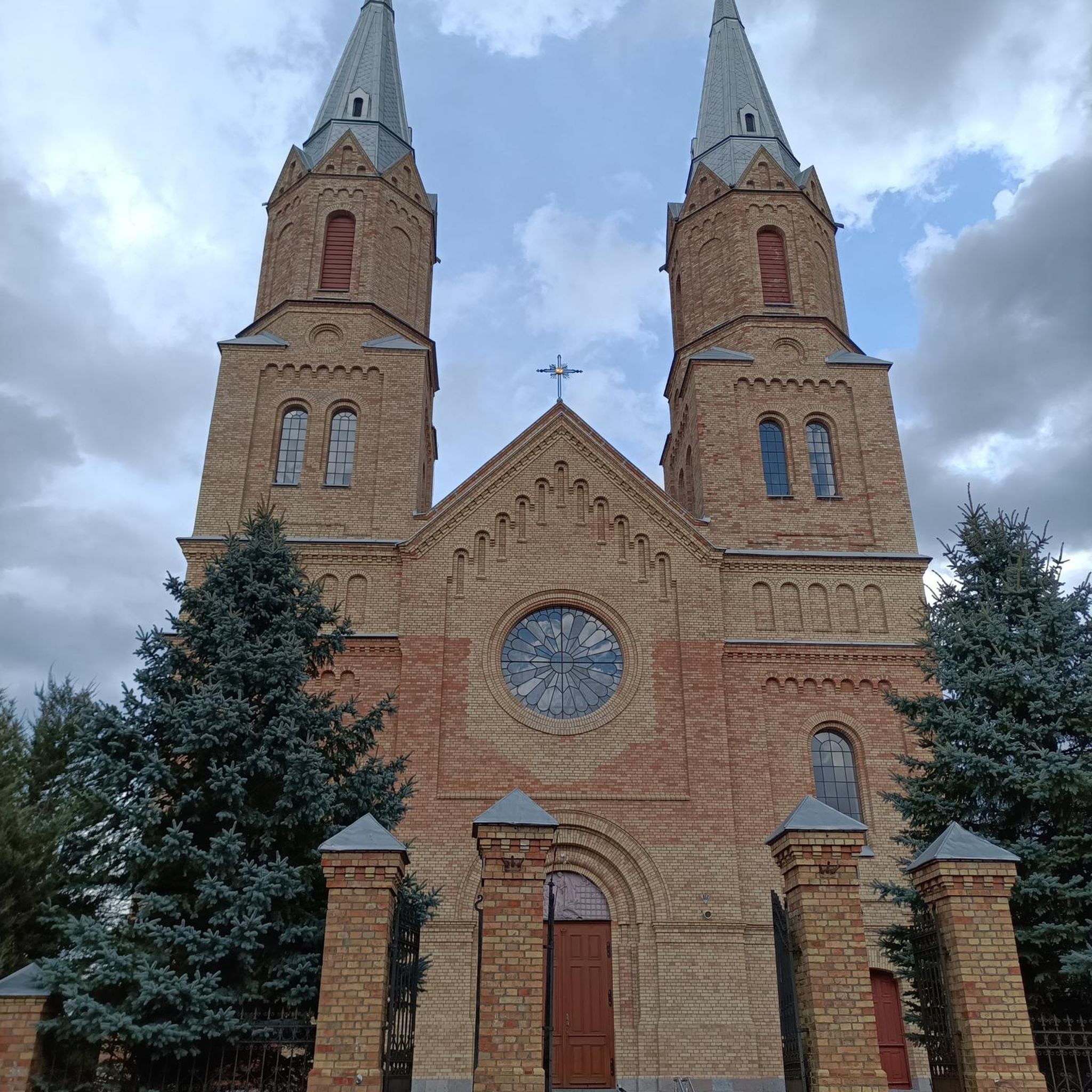
Castellar de n'Hug is a town located at 1,450 meters above sea level, within the Cadí-Moixeró natural park, on the south side of the Pyrenees. It appears for the first time documented in the year 839, in the act of consecration of the cathedral of Urgell. Most likely the first building was the parish church of Santa Maria, replaced in the 11th century by the Romanesque church that has been partially preserved to this day. The castle that gave rise to the place name has already disappeared, although some remains can be seen. The town has traditionally lived off livestock farming, and also on smuggling, especially in times of war and post-war. The area has always been a transit area for refugees and fugitives. At the beginning of the 20th century, with the opening of the Portland cement factory, one of the best examples of industrial architecture in Catalonia, its economic activity was revitalized. Currently, and thanks to the fact that the popular architecture of the area has been preserved, based on the use of stone, wood and tiles, the municipality is a tourist attraction, and has been declared by the Ministry of Tourism as one of the most beautiful towns in Spain.
1
0
Frequently Asked Questions
How many no-traffic touring cycling routes are available around Sant Jaume de Frontanyà?
There are over 25 dedicated no-traffic touring cycling routes around Sant Jaume de Frontanyà. These routes are designed to offer a peaceful cycling experience through the region's diverse landscapes.
What is the typical terrain and elevation like on these no-traffic routes?
The terrain around Sant Jaume de Frontanyà is varied and often accidented, characterized by mountainous landscapes, narrow valleys, and streams. You can expect significant elevation changes, with routes like the Castellar de n'Hug circular gravel route featuring over 1300 meters of ascent. The region offers a mix of forest paths and mountain trails, including challenging climbs in the Catllaràs mountain range.
What natural features or landmarks can I expect to see along these routes?
The routes often pass through picturesque landscapes of pine forests, pastures, and ancient oak groves. You might encounter impressive natural formations like the Torrent de la Cabana Waterfalls or the Colomer Pool. Historically significant sites such as the 12th-century Church of Sant Jaume de Frontanyà and the 10th-century Ermita de Sant Esteve de Tubau are also prominent features in the area.
Are there any circular no-traffic touring cycling routes?
Yes, several routes are designed as circular tours, allowing you to start and end in the same location. Examples include the Circular de Borredà Trail and the Castellar de n'Hug circular gravel route, which offers stunning views within the Cadí-Moixeró Natural Park.
What is the best time of year for no-traffic touring cycling in Sant Jaume de Frontanyà?
The Mediterranean climate makes the region suitable for cycling for much of the year. Spring and autumn generally offer the most pleasant temperatures and vibrant scenery. Autumn also brings the unique spectacle of the 'brama del ciervo' (deer rut) in the forests. Summers can be warm, while winters, especially at higher elevations, may present colder conditions.
Are there any easy no-traffic touring cycling routes suitable for beginners or families?
While many routes in the area are rated as difficult due to significant elevation changes, the broader Berguedà region, which includes Sant Jaume de Frontanyà, does offer some family-friendly options. These typically utilize low-traffic inland roads. It's advisable to check individual route details for specific difficulty ratings and elevation profiles to find the most suitable option for beginners.
What are some of the more challenging no-traffic touring cycling routes?
For experienced touring cyclists seeking a challenge, routes like the Camí dels Munts – Santa Eulàlia de Puig-Oriol loop from Borredà, covering nearly 70 km with over 1200 meters of ascent, offer demanding climbs and rewarding descents. The region's mountain passes, such as the Coll de Merolla, also provide sections with steep gradients.
What do other touring cyclists enjoy the most about touring cycling in Sant Jaume de Frontanyà?
The area is highly rated by the komoot community, with an average score of 4.6 stars. Reviewers often praise the tranquil natural setting, the absence of traffic, and the stunning panoramic views from elevated points like the Pla de les Forques. The diverse landscapes, from dense forests to open pastures, are also frequently highlighted.
Is there parking available for cyclists in Sant Jaume de Frontanyà?
Sant Jaume de Frontanyà, being a small village, typically offers general parking facilities. For specific routes starting points, it's recommended to check the individual route descriptions on komoot for details on nearby parking options, which are usually available in or near the starting villages.
Can I find cafes or accommodation along these no-traffic routes?
While the routes themselves focus on natural and low-traffic areas, the villages and towns within the Berguedà region, including Sant Jaume de Frontanyà, offer local cafes, restaurants, and accommodation options. It's a good idea to plan your route to pass through these settlements for refreshment stops or overnight stays.
Are there any routes that pass through the Catllaràs mountains?
Yes, the Catllaràs mountain range is a prominent feature in the area, and several routes explore its paths. For example, the Chalet del Catllaràs – Collada de Sobirana loop from la Pobla de Lillet takes you through this scenic mountain area, offering forest paths ideal for touring cycling.
Most popular routes around Sant Jaume De Frontanyà
Most popular attractions around Sant Jaume De Frontanyà

Get inspired with the komoot mobile app


Explore more
Browse the best Cycling routes in other regions.
