The best traffic-free bike rides around Santaella
4.8
(63)
2,400
riders
33
rides
No traffic road cycling routes around Santaella offer access to the diverse landscapes of Andalusia, Spain. The region is characterized by extensive olive groves, rolling hills, and proximity to the Sierras Subbéticas Natural Park. This area provides varied terrain for road cyclists, including gentle ascents through agricultural lands and more demanding climbs with panoramic views. The network of quiet roads allows for immersive cycling experiences through a landscape shaped by both agriculture and natural features.
Best no traffic road cycling…
Last updated: May 20, 2026
5.0
(4)
27
riders
Moderate road ride. Good fitness required. Mostly well-paved surfaces and easy to ride.
5.0
(2)
14
riders
52.8km
02:23
580m
580m
Moderate road ride. Good fitness required. Mostly well-paved surfaces and easy to ride.

Sign up for free
13
riders
103km
04:26
850m
850m
Moderate road ride. Good fitness required. Mostly well-paved surfaces and easy to ride.
10
riders
41.7km
01:51
390m
390m
Moderate road ride. Good fitness required. Mostly well-paved surfaces and easy to ride.
10
riders
60.8km
02:37
520m
520m
Moderate road ride. Good fitness required. Some segments of this route may be unpaved and difficult to ride.
Get access to more routes and recommendations from other explorers.
Sign up for free
Already have an account?
Our route recommendations are based on thousands of hikes, rides, and runs completed by other people on komoot.
Start today with a free account
Your next adventure awaits.
Login or Signup

Other adventures around Santaella

Tips from the Community

Opening Hours Weekdays: 10:00 AM - 1:00 PM Weekends: 10:00 AM - 11:30 AM
0
0

The Benamejí Palace: model of civil baroque in Andalusia. The Benamejí Palace, which houses the museum, is a monument declared a "cultural asset". Built in the first half of the 20th century. XVIII, it is one of the most important examples of civil baroque in Andalusia.
4
0
The old parish church of Santa María belonged to the Gothic-Mudejar type of church. It seems that it was built by D. Pedro Fernández Gragera, a knight in the service of San Fernando in the reconquest of Écija. According to sources, it was completed in 1262. The structure was designed with three naves and a polygonal head, later two side naves were added, so its plan was irregular, with a tower, a patio with orange trees and a cemetery. The building was extensively renovated in the 16th and 17th centuries, with the church being demolished and rebuilt in 1758.
4
0
The Peñaflor Palace, one of the most important sights in Écija Even from the outside, it is one of the most iconic images of the city.
5
0

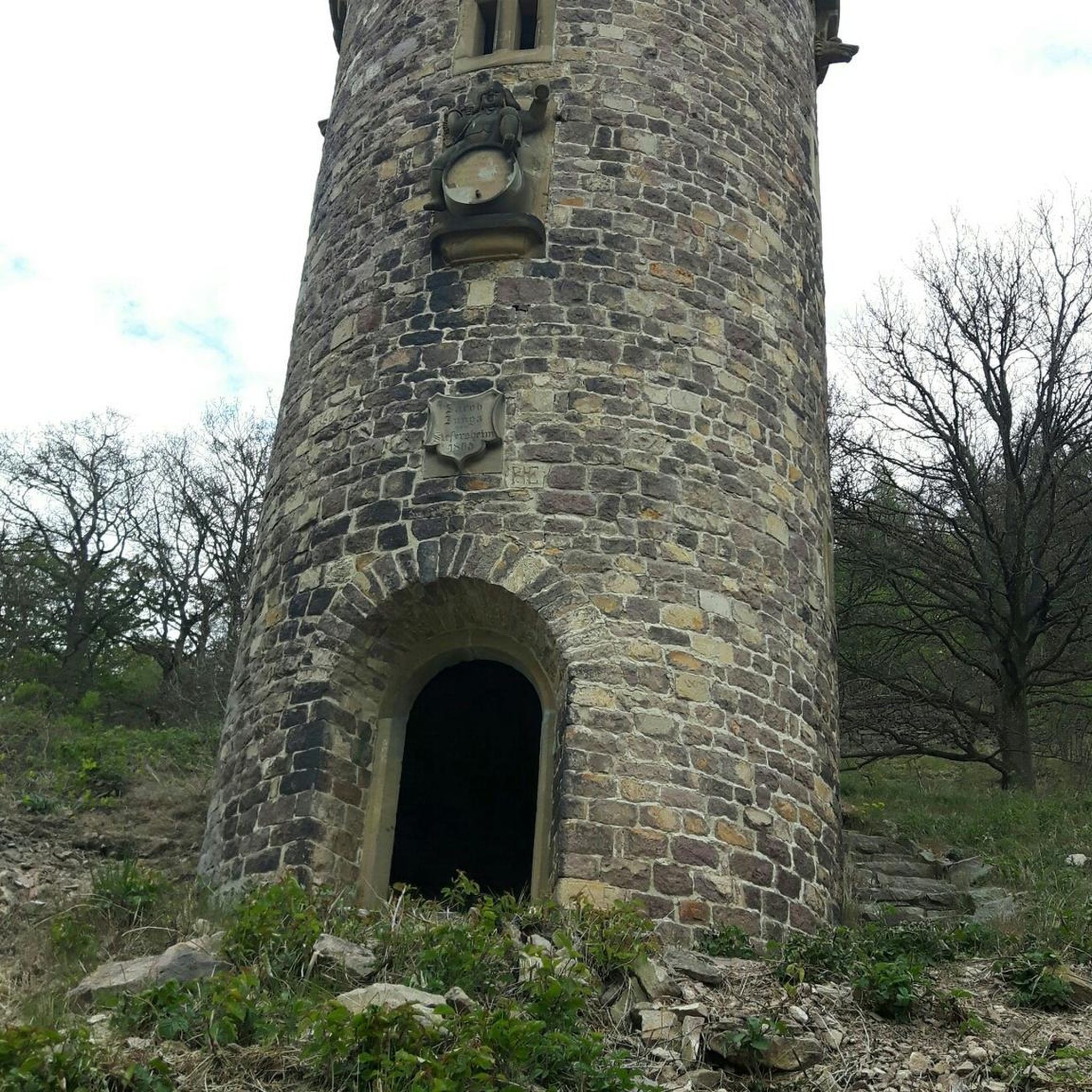
The tower's origins date back to the 15th century, when it was built on an ancient Arab tower. Due to lightning damage in 1892, it was partially demolished, and the first part of the old Mudejar tower remains today as a bell tower.
3
0
Its large balcony running along the facade distinguishes it from the rest of the buildings in Écija. It is a 13th century palace, recently restored and inhabited until 1958.
4
0
The Palacio is home to a museum. Above all, the finds from the Moorish and Roman periods that were discovered during excavations in the Plaza d'España can be seen here.
4
0

Remnants of the rich history and heritage left by the Roman era in Herrara. The Roman thermal baths have been wonderfully preserved. This is a great place to start your adventure.
1
0
Frequently Asked Questions
How many no-traffic road cycling routes are available around Santaella?
There are over 30 dedicated no-traffic road cycling routes around Santaella. These routes vary in difficulty, with 2 easy, 23 moderate, and 8 difficult options, ensuring there's something for every cyclist looking for quiet roads.
Are there easy, no-traffic road cycling routes suitable for beginners or families in Santaella?
Yes, Santaella offers 2 easy no-traffic road cycling routes perfect for beginners or families. Additionally, the nearby Vía Verde del Aceite, a disused railway line, provides a generally flat and accessible option, ideal for a relaxed, car-free experience through picturesque olive groves.
Can I find more advanced or long-distance no-traffic road cycling routes in the Santaella area?
Absolutely. For experienced cyclists seeking a challenge, there are 8 difficult no-traffic routes. You can explore longer options like the Palacio de Benamejí – Peñaflor Palace loop from La Montiela, which covers over 100 km with significant elevation gain, offering demanding climbs and rewarding views.
What kind of landscapes can I expect on these quiet road cycling routes around Santaella?
The no-traffic routes around Santaella offer a diverse and captivating landscape. You'll cycle through endless rolling olive groves, quiet river valleys, and experience the rugged, labyrinthine terrain of the nearby Sierras Subbéticas Natural Park, known for its limestone formations and panoramic vistas.
Are there any interesting sights or attractions along these quiet cycling routes?
Many routes will take you through or near charming whitewashed villages, known as "Pueblos Blancos," such as Zuheros or Cabra, offering cultural stops. You might also pass historical sites like the Ducal Palace of Fernán Núñez or the Church of the Immaculate Conception (Puente Genil). Santaella itself boasts the Church of the Assumption and a Medieval Castle, which can be incorporated into your tours.
Where can I park my car to access these no-traffic road cycling routes?
While specific parking spots vary by route, many of the routes start and end in towns like Santaella or Montalbán de Córdoba, where public parking is generally available. For routes accessing the Vía Verde del Aceite, rehabilitated train stations often provide parking facilities.
Is public transport an option to reach these car-free cycling routes?
Public transport options to reach the starting points of these routes can be limited, especially for smaller villages. It's advisable to check local bus schedules for connections to Santaella or nearby larger towns. The Vía Verde del Aceite, however, has several access points that might be more accessible by regional transport.
What is the best time of year for no-traffic road cycling in Santaella?
The best time for road cycling in Santaella is typically spring (March to May) and autumn (September to November). During these seasons, the weather is mild and pleasant, ideal for longer rides. Summers can be very hot, while winters are generally mild but can have cooler mornings.
Are there places to stop for refreshments or cafes along the way?
Yes, many routes pass through or near small towns and villages where you can find local bars and cafes for refreshments, tapas, or coffee. The rehabilitated train stations along the Vía Verde del Aceite also often serve as tourist complexes with restaurants and hostels, providing convenient stops.
What do other road cyclists enjoy most about no-traffic road cycling in Santaella?
The komoot community highly rates the road cycling experience in Santaella, with an average score of 4.98 stars. Cyclists frequently praise the tranquility of the routes, the stunning scenery of the olive groves and Sierras Subbéticas, and the varied terrain that caters to different skill levels, all while enjoying minimal vehicle traffic.
Are there any hidden gem no-traffic road bike trails near Santaella?
While many routes offer unique experiences, exploring the lesser-known roads connecting the "Pueblos Blancos" can feel like discovering hidden gems. These roads often wind through serene countryside, offering unexpected viewpoints and a true sense of escape from traffic, allowing you to immerse yourself in the Andalusian landscape.
Can I find routes that incorporate the Vía Verde del Aceite?
Yes, several road cycling routes in the wider Subbética region can be linked with or run parallel to sections of the Vía Verde del Aceite. This allows you to combine the smooth, accessible greenway with more challenging road sections, experiencing both the dedicated car-free path and the quiet country roads.
Most popular attractions around Santaella

Get inspired with the komoot mobile app


Explore more
Browse the best Road cycling routes in other regions.
