The best traffic-free bike rides around Arcos De La Frontera
34
riders
5
rides
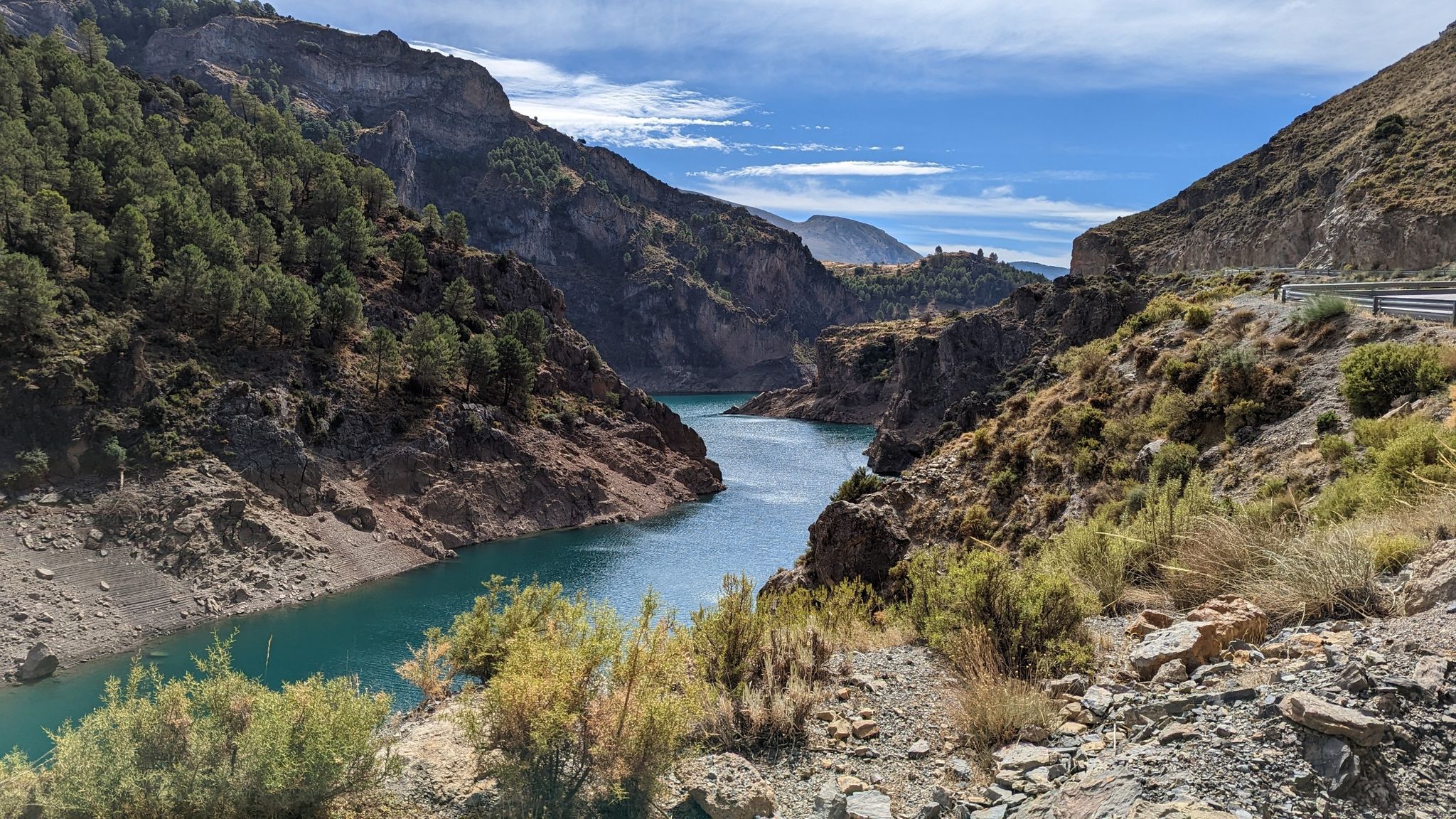
Gravel biking around Arcos De La Frontera offers routes through a landscape characterized by a dramatic clifftop town, the meandering Guadalete River, and surrounding hills. The region features diverse natural elements, including limestone ridges, river valleys, and proximity to natural parks like Sierra de Grazalema. This topography provides varied terrain for gravel cyclists, from open fields and vineyards to more demanding mountain environments. The area serves as a gateway to the White Villages, with routes traversing both countryside and mountainous…
Last updated: July 2, 2026
16
riders
91.2km
06:36
1,380m
1,380m
Hard gravel ride. Very good fitness required. Mostly paved surfaces. Suitable for all skill levels.
8
riders
111km
07:20
1,690m
1,690m
Hard gravel ride. Very good fitness required. Mostly paved surfaces. Suitable for all skill levels.

Sign up for free
3
riders
34.8km
02:38
680m
670m
Hard gravel ride. Very good fitness required. Mostly paved surfaces. Suitable for all skill levels.
2
riders
Moderate gravel ride. Good fitness required. Mostly paved surfaces. Suitable for all skill levels.
2
riders
Hard gravel ride. Very good fitness required. Mostly paved surfaces. Suitable for all skill levels.
Our route recommendations are based on thousands of hikes, rides, and runs completed by other people on komoot.
Start today with a free account
Your next adventure awaits.
Login or Signup

Other adventures around Arcos De La Frontera

Tips from the Community

It's one of Andalusia's most iconic villages, perched on a rock with spectacular views of the Guadalete River. Its narrow, steep streets, whitewashed houses, and viewpoints invite you to wander leisurely. Furthermore, its historic center, declared a Historic-Artistic Site, perfectly reflects the essence of the White Villages.
0
0

I will especially remember the steep slopes to get there.
10
0
The Salinas Romanas de Iptuci are located in Prado del Rey, in the province of Cádiz and are one of the last inland salt production areas still in use in the province. These salt production areas have a rich history dating back to the Phoenicians, approximately 3,000 years ago, and were later developed during the Roman period. The salt production areas use hot underground springs that bring water with a high salt content to the surface. The water is gradually concentrated in different basins, where the salt crystals are finally isolated by evaporation under the sun.
8
0
The Puerta Matrera is the only remaining gate of the original city wall of Arcos de la Frontera. This gate connects the old town centre with the Barrio Bajo. It is a historically important building that was restored in the 17th and 18th centuries. From here you can still see remains of the city wall between the houses. The gate also has a small chapel with a statue of the Virgen del Pilar, which has been recently restored.
10
0
The town, situated on a rocky plateau, invites you to travel through time. From the 11th century it was the capital of a taifa, a small Berber kingdom. The fortified town was finally reconquered in 1264 by Alfonso X, who also took Seville, Jerez and Cádiz during the Reconquista. For two centuries Arcos was an outpost on the border of the kingdom and in the 15th century the village came into the hands of the Ponce de León family, who played a major role in the victory over the kingdom of Granada. During the 19th century, Arcos acquired its current appearance thanks to the rise of olive and grape cultivation and horse breeding.
9
0
The Sierra de Grazalema, located in southern Spain, is an ideal destination for outdoor activities such as hiking and mountain biking. Its humid climate makes it one of the rainiest areas of the Iberian Peninsula, favoring lush vegetation and rich fauna.
0
0


A good place to stop for lunch after the route, with numerous options in the area to taste.
0
0
Frequently Asked Questions
How many no-traffic gravel bike trails are available around Arcos de la Frontera?
There are 4 dedicated no-traffic gravel bike trails around Arcos de la Frontera featured in this guide. These routes offer a unique way to explore the dramatic landscapes of the region, from clifftop vistas to river valleys, without the disturbance of vehicle traffic.
What is the typical difficulty level for gravel biking in this area?
The gravel bike trails around Arcos de la Frontera are generally considered difficult. They often involve significant elevation changes, covering the rugged terrain of the Sierra de Cádiz. Riders should expect challenging climbs and descents, requiring good fitness and advanced riding skills. An example is the Puerta Matrera – Arcos de la Frontera loop from Algar, which features over 1300 meters of elevation gain.
Are there any circular no-traffic gravel routes?
Yes, all the no-traffic gravel routes highlighted in this guide are circular loops. This allows you to start and finish at the same point, making logistics easier. For instance, the Prado del Rey – Roman Saltworks of Iptuci loop from Algar offers a comprehensive circular experience through varied terrain.
What kind of landscapes can I expect on these gravel trails?
The trails traverse a diverse range of landscapes. You'll experience the dramatic clifftop views characteristic of Arcos de la Frontera, ride alongside the meandering Guadalete River, and pass through rolling countryside, vineyards, and traditional farmhouses. The region is also a gateway to the White Villages, offering glimpses of the rugged hills of the Sierra de Cádiz. The Views of the old town – Roman Saltworks of Iptuci loop from Marqués de Mérito - Complejo Deportivo provides a great mix of scenic views.
Are there any historical sites or natural attractions along the routes?
Yes, several routes pass by or near significant historical and natural attractions. You can explore the ancient Roman Saltworks of Iptuci, or discover the Ruins of the Majaceite River Water Mill. The trails also offer views of the stunning Sierra de Grazalema Natural Park, known for its rugged terrain and limestone formations.
What is the best time of year for gravel biking in Arcos de la Frontera?
The best time for gravel biking in Arcos de la Frontera is typically during the spring (March to May) and autumn (September to November). During these seasons, the weather is milder and more pleasant, avoiding the intense heat of summer and the cooler, potentially wetter conditions of winter. This allows for more comfortable riding and better enjoyment of the scenic routes.
Are there opportunities to see wildlife on these trails?
Given the proximity to natural areas like the Sierra de Grazalema Natural Park and the Guadalete River, there are opportunities to observe local wildlife. The diverse ecosystems support various bird species, and you might encounter other native animals, especially in the quieter, more remote sections of the trails. Riding quietly increases your chances of spotting wildlife.
Can I find places to eat or drink along the gravel routes?
While the focus is on no-traffic trails, some routes may pass through or near small villages where you can find local eateries or cafes. It's always advisable to carry sufficient water and snacks, especially on longer routes like the Venta Julián – Prado del Rey loop from Prado del Rey, as services might be sparse in remote sections. Planning your stops in advance is recommended.
What should I wear for gravel biking in Arcos de la Frontera?
Given the varied terrain and potential for changing weather, layering is key. Wear moisture-wicking base layers, a comfortable cycling jersey, and consider a windproof or waterproof jacket, especially during cooler months or if rain is forecast. Padded shorts are highly recommended for comfort on longer rides. Always wear a helmet, and consider gloves and appropriate eyewear for protection.
Is parking available near the starting points of these trails?
Parking availability can vary depending on the specific starting point of each route. Many trails begin from or pass through villages where public parking might be available. For routes starting from more remote locations, roadside parking might be an option. It's recommended to check the specific route details on komoot for information regarding parking at the suggested start points.
Are there any specific safety considerations for gravel biking in this region?
The difficult rating of these trails means you should be prepared for challenging conditions. Always carry a repair kit, extra water, and a fully charged phone. Inform someone of your route and expected return time. The rugged terrain and remote sections require vigilance, and it's advisable to ride with a companion, especially on longer or more technical routes.
Most popular routes around Arcos De La Frontera
Most popular attractions around Arcos De La Frontera

Get inspired with the komoot mobile app


Explore more
Browse the best Gravel rides in other regions.
