The best traffic-free bike rides around El Pedroso
5.0
(1)
35
riders
5
rides
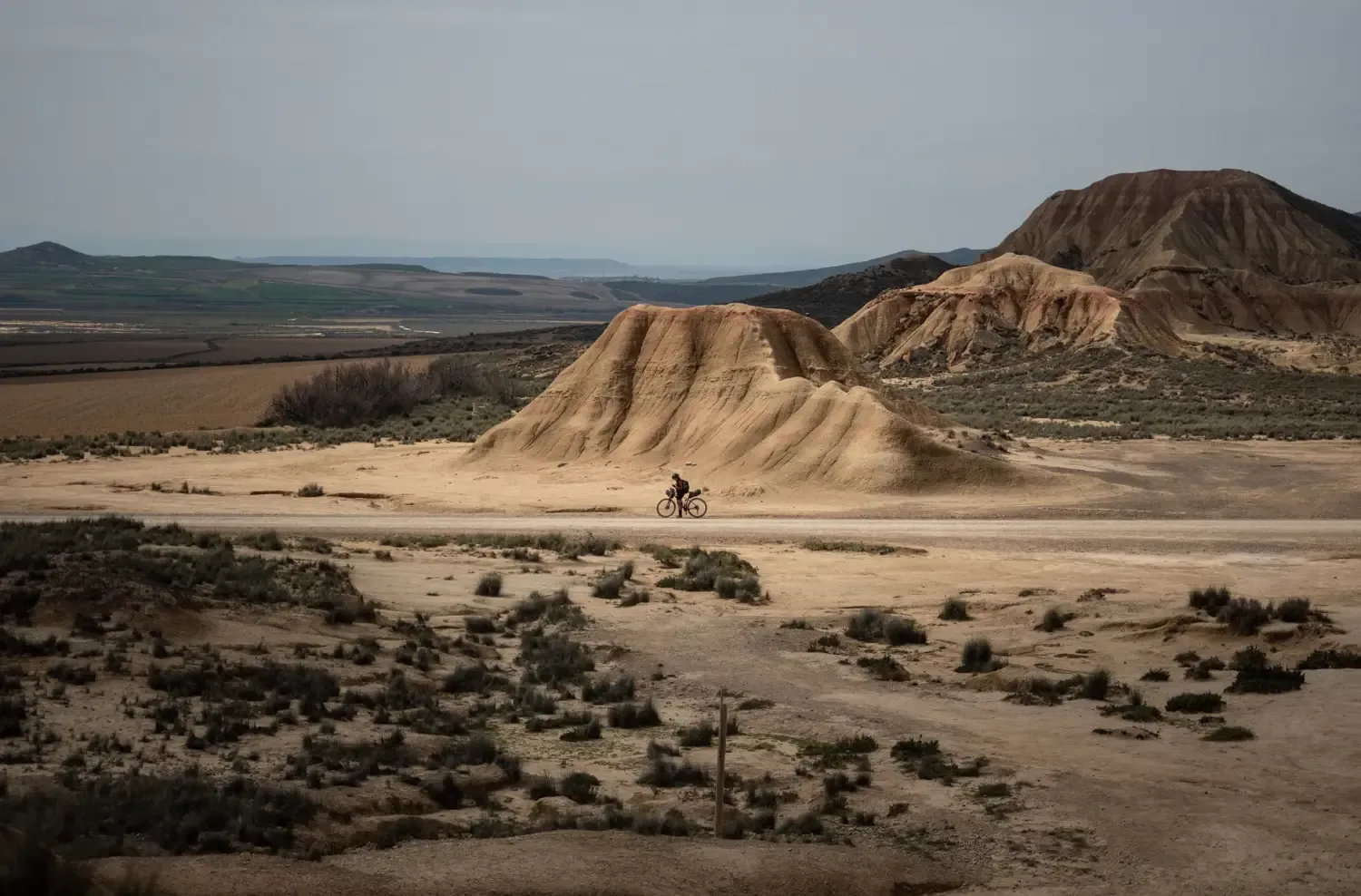
Gravel biking around El Pedroso offers diverse landscapes within the Sierra Norte de Sevilla Natural Park. The region is characterized by the rolling mountains and dehesas of the Sierra Morena, featuring abundant holm oaks and cork trees. Riders encounter varied terrain, from granite landscapes and rocky outcrops to riverine environments along watercourses like the Huéznar River. Lush forests, including areas with chestnut trees, provide shaded routes and contribute to the area's distinct visual elements.
Best no traffic gravel bike trails…
Last updated: August 11, 2026
5.0
(1)
7
riders
48.9km
03:28
630m
630m
Hard gravel ride. Very good fitness required. Mostly paved surfaces. Suitable for all skill levels.
6
riders
86.4km
06:25
1,420m
1,410m
Hard gravel ride. Very good fitness required. Mostly paved surfaces. Suitable for all skill levels.

Sign up for free
4
riders
56.5km
04:14
790m
790m
Hard gravel ride. Very good fitness required. Mostly paved surfaces. Suitable for all skill levels.
2
riders
Hard gravel ride. Very good fitness required. Mostly paved surfaces. Suitable for all skill levels.
2
riders
93.7km
05:53
1,110m
1,110m
Hard gravel ride. Very good fitness required. Mostly paved surfaces. Suitable for all skill levels.
Our route recommendations are based on thousands of hikes, rides, and runs completed by other people on komoot.
Start today with a free account
Your next adventure awaits.
Login or Signup


Other adventures around El Pedroso

Tips from the Community

El Pedroso is a municipality in the province of Seville, Spain, with a population of 2,074. It is located in the Sierra Norte region of Andalusia. The municipality is part of the Sierra Norte Natural Park. ...
0
0
Cazalla de la Sierra is a municipality in the province of Seville in Spain with 4,629 inhabitants (as of 2024).
0
0

The Isla Margarita recreational area is located next to the Hueznar riverbank, accessed via a small wooden bridge. This enclave is of great interest, as in addition to having an exceptional landscape, it is located next to the Vía Verde de la Sierra Morena de Sevilla, one of the most popular and busy trails in the natural park. It is perfect for hiking or cycling. The recreational area has a picnic area and a kiosk that offers snacks, drinks and sandwiches (it also has toilets). In addition, there is a hanging forest for the entertainment of the little ones. At the entrance, you will also find an establishment where you can rent bicycles to take the Vía Verde route. I hope you have the opportunity to visit it! 🌿🚴♂️
9
0

If you pass through here, this is the perfect place to stop and recharge your batteries. The recreational area offers tables, shade and a pleasant natural environment, ideal for relaxing and enjoying a revitalizing break.
0
0

The curved handrails are special
17
0
Frequently Asked Questions
What kind of terrain can I expect on the no-traffic gravel bike trails around El Pedroso?
The trails around El Pedroso offer a diverse range of terrain, from generally flat backroads and paths, often found along riverine environments like the Arroyo de las Cañas, to more challenging unpaved segments and climbs within the Sierra Norte de Sevilla Natural Park. You'll ride through picturesque dehesas with holm oaks and cork trees, past granite landscapes, and through lush forests, especially vibrant with chestnut trees in autumn. Many routes utilize wide 4x4 tracks and old routes, ensuring a varied and engaging experience.
Are there any family-friendly no-traffic gravel routes in El Pedroso?
While the routes listed in this guide are generally rated as 'difficult' due to their length and elevation, the region does offer segments that are more suitable for families. The Arroyo de las Cañas trail, for example, is known for its mostly flat, well-maintained paths, making it a good option for a more relaxed ride. Additionally, the wider Andalusia region features 'Vías Verdes' (Greenways) which are former railway lines converted into traffic-free, multi-use trails, perfect for family outings, such as the Vía Verde de la Sierra Norte de Sevilla near Constantina.
What natural features or landmarks can I see along these gravel bike trails?
You'll encounter a wealth of natural beauty and interesting landmarks. Many routes pass through the stunning Sierra Norte de Sevilla Natural Park, offering views of the Sierra Morena and its unique dehesa landscapes. You might spot geological features like 'berrocales' (granite outcrops) and enjoy the tranquil Huéznar River Landscape. Other points of interest include the Huéznar Reservoir and the Lago Azul. Some trails may also lead to viewpoints offering panoramic vistas of the surrounding area.
What is the best time of year to go gravel biking in El Pedroso?
El Pedroso is enjoyable for gravel biking for much of the year. Spring and autumn are particularly pleasant, with milder temperatures and beautiful scenery. In autumn, the chestnut forests are especially vibrant with golden and brown leaves. Summers can be very hot, so early mornings or late afternoons are recommended if riding during this season. Winters are generally mild, making it possible to ride year-round, though some trails might be muddier after rain.
Are there any circular no-traffic gravel routes available?
Yes, several of the recommended routes are circular, allowing you to start and end in the same location. For example, the Arroyo de las Cañas loop from Pedroso offers a substantial circular ride through varied landscapes. Another option is the Puerto del Robledo Viewpoint – Bridge over the Huesna loop from Constantina, which provides a scenic circular journey.
What are the typical distances and elevation gains for gravel bike trails in this area?
The no-traffic gravel bike trails around El Pedroso tend to be longer and feature significant elevation changes, making them suitable for experienced riders. For instance, the Arroyo de las Cañas loop from Pedroso covers approximately 56.5 km with about 790 meters of elevation gain. Another route, the Cuesta de Los Melonares – Climb in Burguillos loop from Cantillana, is around 52.3 km long with over 600 meters of climbing. These routes offer a good challenge for gravel biking enthusiasts.
Can I find places to eat or drink along the routes?
While the trails themselves are often remote and traffic-free, you'll find amenities in the towns and villages near the starting or ending points of the routes. For example, the Camino Viejo Bikes Cafeteria – Cazalla de la Sierra loop from Cazalla de la Sierra starts and ends near a known cycling-friendly spot. Towns like El Pedroso, Constantina, and Cazalla de la Sierra offer cafes, restaurants, and shops where you can refuel before or after your ride.
Are there any specific viewpoints or scenic spots worth seeking out?
Absolutely. The region is rich with scenic beauty. The Azulaque Viewpoint Trail, mentioned in regional research, offers panoramic views of the surrounding oak and olive groves. Many routes within the Sierra Norte de Sevilla Natural Park will naturally lead you to elevated sections with stunning vistas of the rolling mountains and dehesa landscapes. Keep an eye out for areas along the Huéznar River for particularly picturesque riparian views.
What makes the gravel biking experience in El Pedroso unique?
The unique blend of landscapes in El Pedroso, situated at the foothills of the Sierra Morena within the Sierra Norte de Sevilla Natural Park, sets it apart. You'll experience the traditional dehesas, striking granite formations, and lush riverine environments, all while enjoying extensive networks of quiet, traffic-free trails. The area's commitment to preserving its natural beauty means you're often riding through untouched scenery, offering a truly immersive outdoor experience.
How many no-traffic gravel bike trails are available in this guide?
This guide features 3 carefully selected no-traffic gravel bike trails around El Pedroso. These routes are designed to offer challenging and rewarding experiences, taking you through the diverse landscapes of the Sierra Norte de Sevilla Natural Park.
Most popular attractions around El Pedroso

Get inspired with the komoot mobile app


Explore more
Browse the best Gravel rides in other regions.
