Attractions and Places To See around Krajeński Park Krajobrazowy - Top 14
Best attractions and places to see around Krajeński Park Krajobrazowy offers a diverse landscape shaped by post-glacial terrain, featuring over 80 water bodies including large lakes and numerous rivers. This region, the largest landscape park in Poland's Kuyavian-Pomeranian Voivodeship, encompasses nearly 75,000 hectares. It is characterized by extensive forests, significant biodiversity, and a rich cultural heritage with historical sites. The park serves as an important area for ecological balance and water resource protection.
Best attractions and places to see around…
Last updated: July 1, 2026
Bridge over the Orla River
Highlight • Bridge
Orla - a river with a length of 68.32 km, …
Translated by Google •
Tip by

Abandoned Railway Bridge on the Więcbork–Złotów Line
Highlight • Bridge
Translated by Google •
Tip by

Sign up now to discover places like this
Get recommendations on the best single tracks, peaks, & plenty of other exciting outdoor places.
Sign up for free
Church of the Assumption of the Blessed Virgin Mary and Saints Simon and Jude Thaddeus in Więcbork
Highlight • Religious Site
Translated by Google •
Tip by
Ruins of Runowo Castle
Highlight • Castle
Translated by Google •
Tip by

St. Matthias Church in Orle
Highlight • Religious Site
Tip by

Sign up for free to discover even more attractions around Krajeński Park Krajobrazowy.
Sign up for free
Already have an account?
Start today with a free account
Your next adventure awaits.
Login or Signup
Popular around Krajeński Park Krajobrazowy

Tips from the Community

Rococo Church of the Assumption of the Blessed Virgin Mary and Saint. Apostles Szymon and Jude Tadeusz in Więcbork, built in 1772-78.
0
0
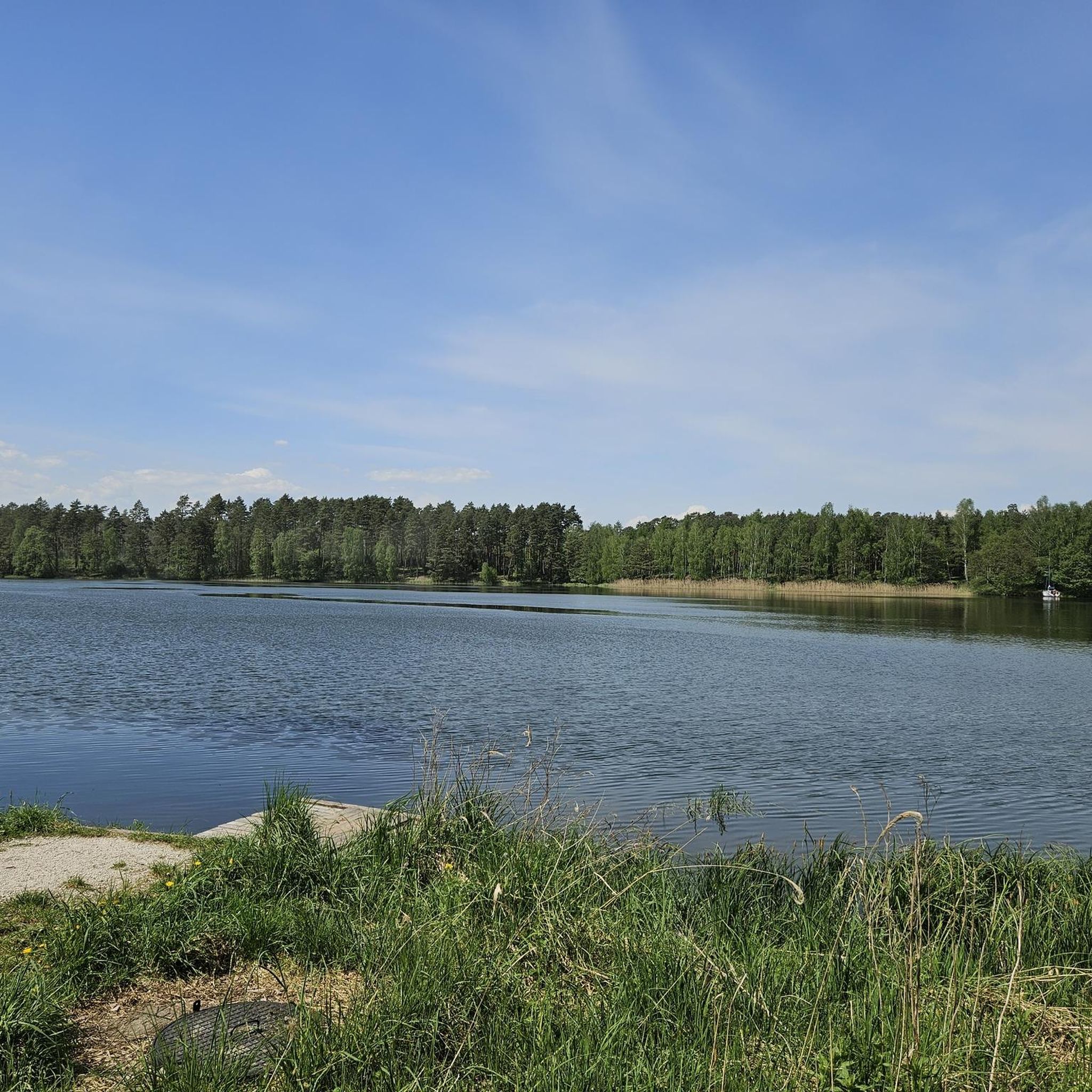
Bridge on road 241 over the "Orla" river south of Więcbork, where Orla connects Lake Więcborskie Młyńskie with Lake Runowskie. Orla - a river with a length of 68.32 km, left tributary of the Łobżonka, average width of about 3.5 meters and average depth of about 2 meters. source: https://pl.wikipedia.org/wiki/Orla_(dop%C5%82yw_%C5%81ob%C5%BConki) p.s. (in Lower Silesia there is another, more famous Orla river - a tributary of the Barycz)
0
0

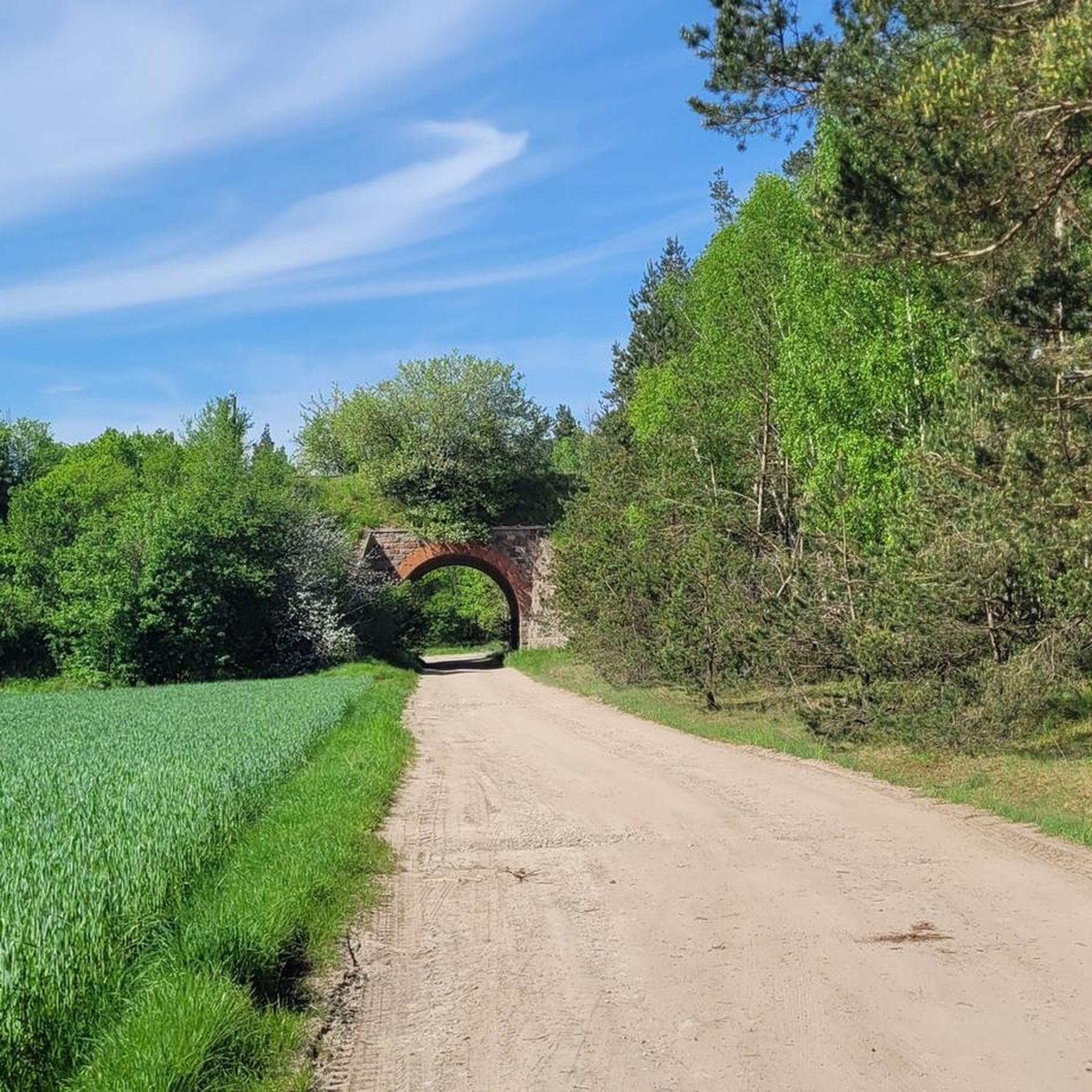
The bridge of the closed railway line Więcbork - Złotów. Here, before the Second World War, there was a border of countries. Nearby there are buildings that once served as the headquarters of the border guard.
3
0

Some history here: https://pl.wikipedia.org/wiki/Parafia_św._Macieja_w_Orlu http://www.odznaka.kuj-pom.bydgoszcz.pttk.pl/opisy/1c/orle.htm
0
0

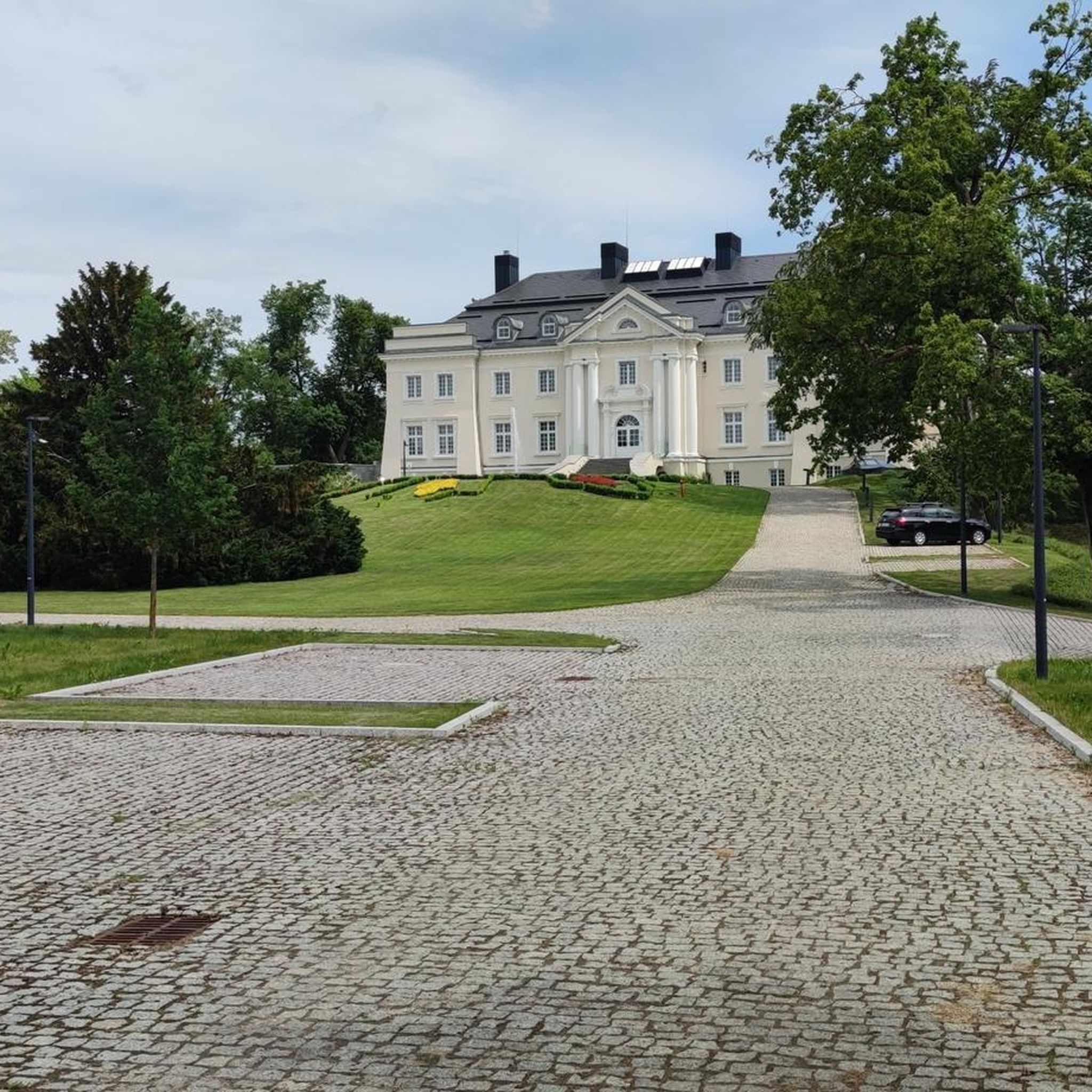
Founded in 1595 by Polish princes, Runowo Castle went to the Bethmann-Hollweg family in 1860 and was rebuilt in Neo-Renaissance style. In 1945 it was set on fire by the receding Wehrmacht and never restored by the Polish city.
0
0
Frequently Asked Questions
What unique historical sites can I explore in Krajeński Park Krajobrazowy?
The park is rich in history. You can visit the Abandoned Railway Bridge on the Więcbork–Złotów Line, which once marked a border before WWII. Another significant site is the Ruins of Runowo Castle, a 16th-century castle rebuilt in Neo-Renaissance style and later destroyed. Additionally, explore the remains of a 14th-century defensive wall in Kamień Krajeński or the ruins of a 15th-century defensive manor near the church in Orle.
What natural landmarks should I look for in the park?
Krajeński Park Krajobrazowy offers diverse natural beauty. The highest point in the Kuyavian-Pomeranian Voivodeship, Czarna Góra (189 meters), is located within the park. You'll also find over 80 water bodies, including large lakes like Więcborskie and Sępoleńskie, and rivers such as the Orla. The Bridge over the Orla River is a good spot to appreciate this waterway.
Are there any notable architectural monuments to visit?
Yes, the park features several impressive architectural monuments. The monastic and church complex in Zamarte (1752-1772) boasts a stunning Rococo interior. Other valuable sacral buildings include the parish church in Runowo Krajeńskie (1603-1609) and the church in Wałdowo (1621) with its Gothic-Renaissance structure. The Church of the Assumption of the Blessed Virgin Mary and Saints Simon and Jude Thaddeus in Więcbork is another Rococo example from the late 18th century.
What kind of outdoor activities are available near the attractions?
The area around Krajeński Park Krajobrazowy is excellent for outdoor enthusiasts. You can enjoy various activities, including hiking, mountain biking, and road cycling. For detailed routes, check out the guides for Easy hikes around Krajeński Park Krajobrazowy, MTB Trails around Krajeński Park Krajobrazowy, and Road Cycling Routes around Krajeński Park Krajobrazowy.
Can I find easy hiking trails around Krajeński Park Krajobrazowy?
Absolutely. There are several easy hiking trails suitable for various fitness levels. For example, you can explore the 'Więcbork Pier – Więcbork Beach loop' or the 'Sępólno Krajeńskie Beach – Sępólno Krajeńskie Marina loop.' More options are available in the Easy hikes around Krajeński Park Krajobrazowy guide.
What are the options for cycling in the area?
Cycling is a popular way to explore the park. You'll find a range of routes for both mountain biking and road cycling. Consider the 'Ruins of Runowo Castle – Weir on the Orla River loop' for MTB or the 'Jezioro Głęboczek Duży – Plaża Więcbork - Czarmuń loop' for road cycling. Discover more routes in the MTB Trails and Road Cycling Routes guides.
What kind of wildlife can I expect to see in Krajeński Park Krajobrazowy?
The park is a haven for biodiversity. Keep an eye out for European beavers, otters, deer, and wild boars. Birdwatchers will be delighted by species such as black storks, cranes (the park's symbol), herons, ospreys, and white-tailed eagles. The diverse ecosystems, including bogs and forests, support this rich fauna.
Are there any specific nature reserves worth visiting?
Yes, Krajeński Park Krajobrazowy includes five nature reserves dedicated to preserving specific ecosystems. These include Lutowo (a bog pine forest), Gaj Krajeński (an oak-beech stand), Buczyna (a beech stand), Dęby Krajeńskie (a hornbeam forest with an oak-beech stand), and Jezioro Wieleckie (Lake Wieleckie). These areas protect rare plant species and diverse habitats.
What do visitors particularly enjoy about the attractions in Krajeński Park Krajobrazowy?
Visitors appreciate the blend of natural beauty and historical significance. The Abandoned Railway Bridge is often highlighted for its unique historical context as a former border crossing. The serene environment of the lakes and rivers, like the Orla, also receives positive feedback for its scenic views and opportunities for relaxation.
Are there family-friendly activities or attractions in Krajeński Park Krajobrazowy?
The park offers various options for families. The numerous lakes provide opportunities for water sports and leisurely walks along their shores. Easy hiking and cycling trails, such as those around Lake Sępoleńskie, are suitable for families. Exploring historical sites like the Ruins of Runowo Castle can also be an engaging experience for children.
What is the oldest sacral building in the park?
The oldest sacral building in Krajeński Park Krajobrazowy is the church in Orle, dating back to 1442-1452. Despite its modest visual impact, it holds significant historical value within the region. You can find more information about it via the St. Matthias Church in Orle highlight.
Most popular routes around Krajeński Park Krajobrazowy
Most popular attractions around Krajeński Park Krajobrazowy

Get inspired with the komoot mobile app


Explore more
Still not found the Highlight you’re looking for? See guides of the top attractions in other regions:
