The best hikes from bus stations around Bruges
4.4
(13091)
89,063
hikers
1,374
hikes
Hiking around Bruges offers a variety of accessible outdoor experiences, characterized by its flat terrain, extensive canal networks, and protected natural areas. The region features picturesque landscapes, including serene parks like Minnewater, and unique coastal environments such as the Zwin Nature Reserve with its tidal flats and dunes. Green belts and woodland areas provide additional opportunities for exploration, making the area suitable for leisurely walks and moderate hikes.
Best bus station hiking trails around Bruges
- The most popular bus station…
Last updated: June 30, 2026
4.5
(198)
1,220
hikers
12.1km
03:03
20m
20m
Moderate hike. Good fitness required. Easily-accessible paths. Suitable for all skill levels.
4.4
(62)
260
hikers
11.6km
02:57
30m
30m
Moderate hike. Good fitness required. Easily-accessible paths. Suitable for all skill levels.

Sign up for free
4.7
(53)
182
hikers
9.81km
02:28
10m
10m
Moderate hike. Good fitness required. Easily-accessible paths. Suitable for all skill levels.
4.2
(55)
191
hikers
8.97km
02:15
10m
10m
Moderate hike. Good fitness required. Easily-accessible paths. Suitable for all skill levels.
4.5
(6)
24
hikers
6.39km
01:37
10m
10m
Easy hike. Great for any fitness level. Easily-accessible paths. Suitable for all skill levels.
Get access to more routes and recommendations from other explorers.
Sign up for free
Already have an account?
Our route recommendations are based on thousands of hikes, rides, and runs completed by other people on komoot.
Start today with a free account
Your next adventure awaits.
Login or Signup
Popular around Bruges

Hikes from bus stations in Uitkerkse Polder

Hikes from bus stations in Vloethemveld

Hikes from bus stations in Provinciedomein Bulskampveld
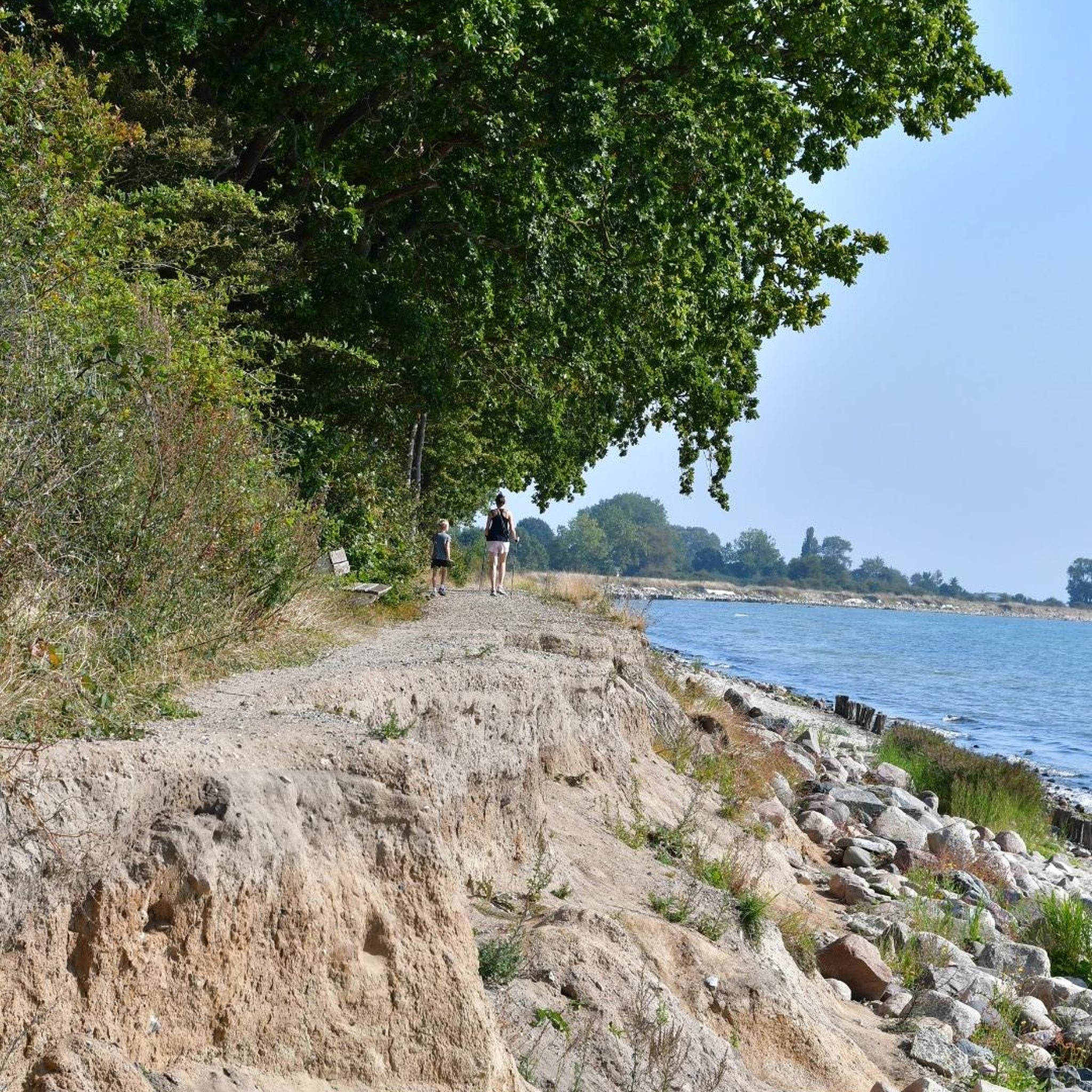
Hikes from bus stations in Zwinduinen En -Polders

Hikes from bus stations in De Meetkerkse Moeren

Hikes from bus stations around Tillegembos

Hikes from bus stations around Beisbroekbos
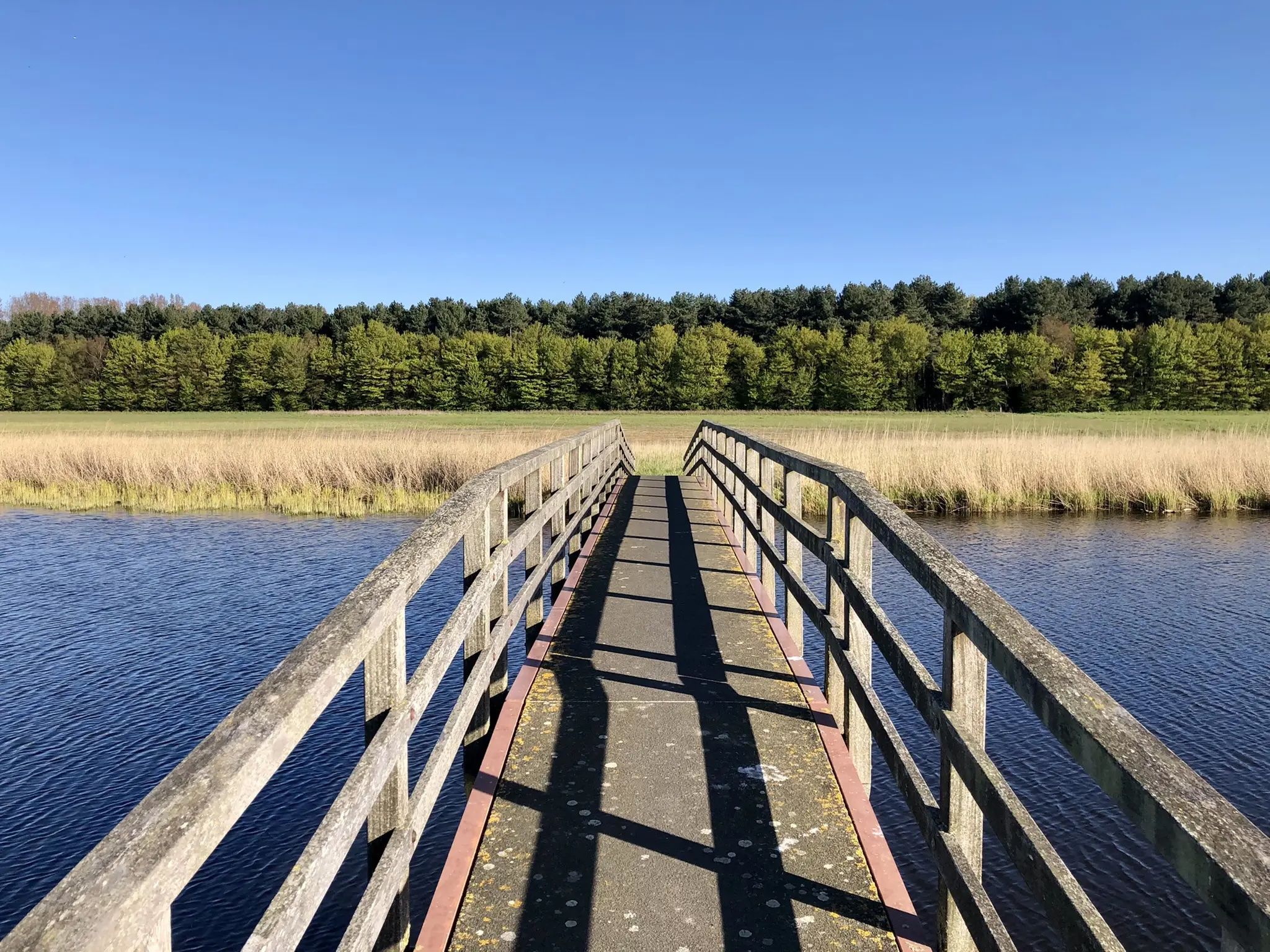
By West, East and Zeeuws-Vlaanderen — GR Uilenspiegel
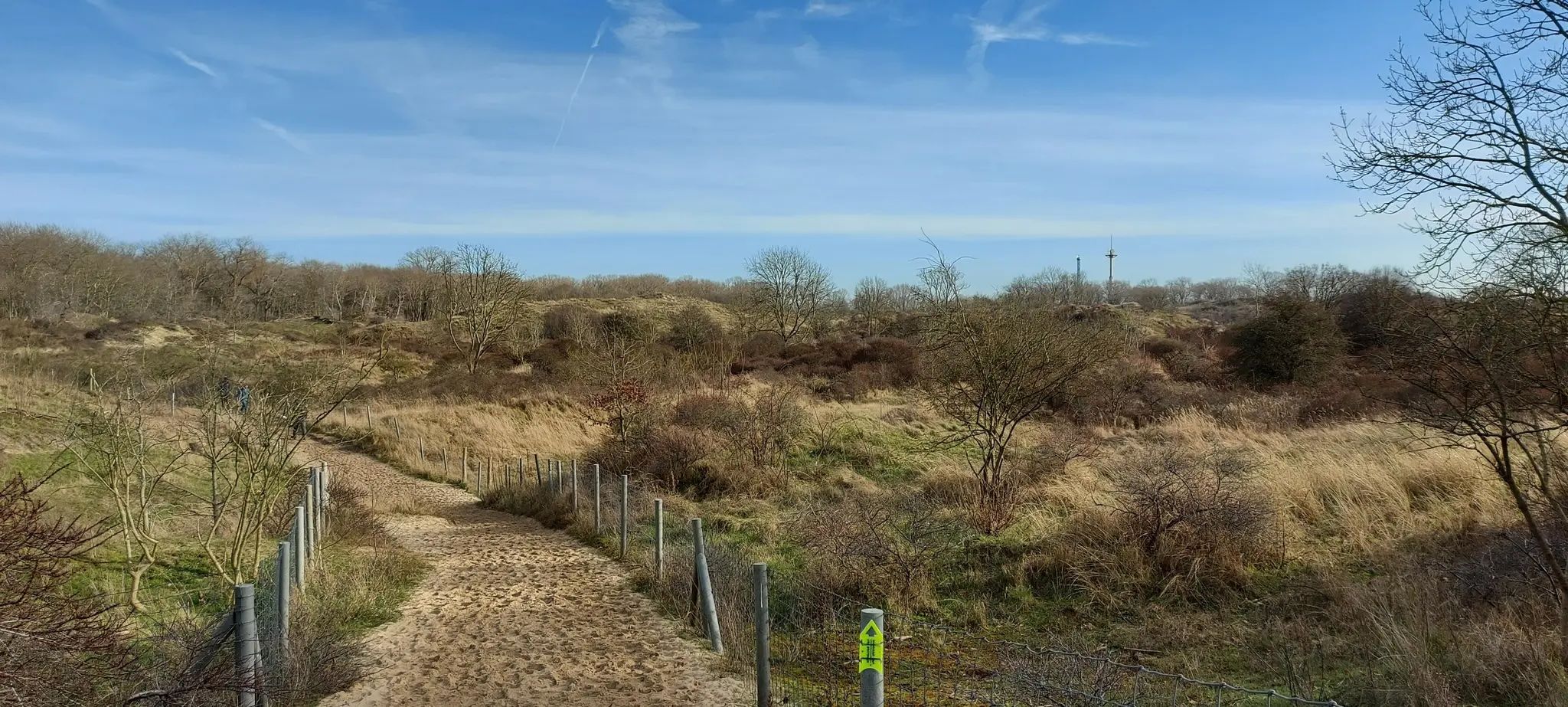
From De Panne to het Zwin – Belgian coastal path (Streek GR Kust)
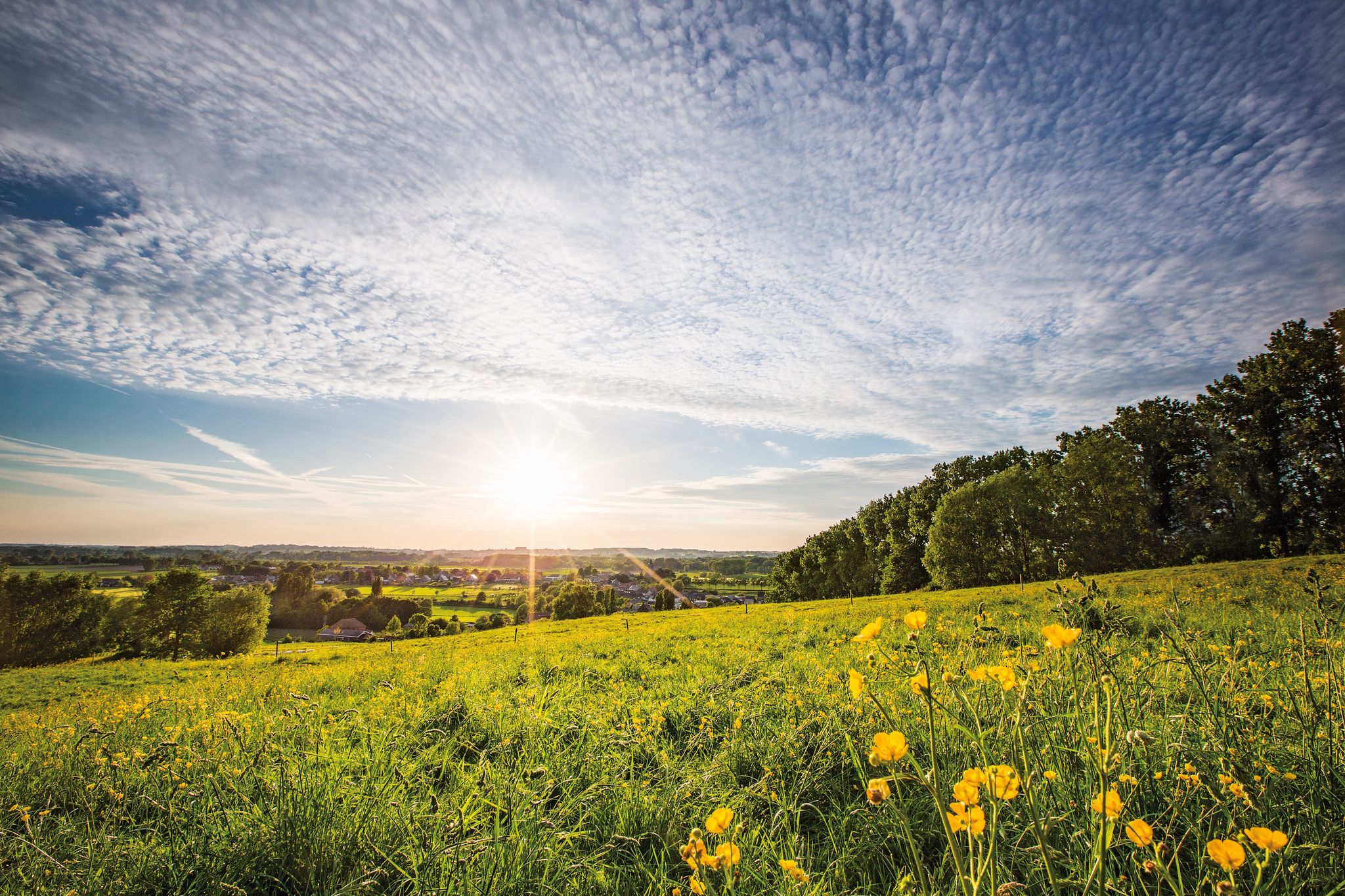
Belgium's best – the most beautiful hiking routes in Flanders
Other adventures around Bruges


Tips from the Community

Be sure to take a canal cruise. Reservations are not necessary.
0
0

This chapel was built in 1687 by the then Cistercian abbot of the nearby (Maarten a Colle) Ter Doest Abbey, because of his victory during a trial against Abbot Terasse. The trial was about the title of Abbot of Ter Duinen, and was conducted before King Louis XIV. The coat of arms on the left is that of a Colle, on the right of Ter Doest and Ter Duinen. In the niche decorated with volutes above the entrance is a statue of Mary and the Child Jesus. Source: www.belgiumview.com and information board on site
2
0

Beautiful bridge over the Dijver with a great view
3
0


The hopping hare that you can find in the dunes at the end of the sea wall of Knokke is a bronze sculpture by Barry Flanagan. Although the official name is Hospitality, the hare is also called keuning van’t Zwin, Bugs Bunny or t' keun by the locals.
13
0

There are many simple but beautiful wooden mills here.
1
0

John Nepomuk is a well-known bridge saint. In the past, bridges often had chapels or niches with a statue of the saint to whom the bridge was dedicated. Local residents provided candles, which were lit in the niche in the evening. The statues or chapels often had a practical purpose. In many cases, they indicated the place where the safe channel ran under the bridge for the benefit of skippers. Of course, the saint also had to protect the bridge from collapsing. But the popular belief that witches and all kinds of evil spirits would dwell under bridges was also a reason to place a statue of the bridge saint on or near the bridge. John Nepomuk is the bridge saint par excellence in many Catholic countries. The story of John Nepomuk is probably very romanticized as follows. He served as a priest at the court of King Wenceslas IV of Bohemia, who was also King of the Romans from 1378 to 1400. John Nepomuk was the confessor of Wenceslas' wife, Queen Sophie. Once, a rotten chicken was served at the king's table. In a fit of rage, the king ordered the cook to be spit-roasted and burned alive. John Nepomuk resisted this and was thrown into prison, while the cook was put to death. The suspicious Wenceslas, who could not overcome the difficulties with the Bohemian nobility, suspected his wife of dishonorable relations and had her imprisoned. Her confessor Nepomuk sought her out and heard her confession. After one of these visits, the king demanded that the confessor tell him what the queen had confided to him in confession. John Nepomuk refused. The secret of confession was sacred to him. He was tortured, but he stuck to his refusal, whereupon Wenceslas had him bound hand and foot and thrown over the bridge of the Vltava River at midnight. Numerous miracles are reported in connection with this murder, which was committed in the year 1393. For example, the river is said to have dried up when the body of the martyr touched the water. Above the bridge, shining rays were seen. Other traditions tell that the body remained floating on the Vltava while five stars formed a halo around the head of the drowned man. Source: https://www.nepomukboxmeer.nl/over-nepomuk/het-verhaal-van-johannes-van-nepomucenus/
7
0

One of the most beautiful routes on the Belgian coast ;-)
1
1
Frequently Asked Questions
How many bus station hiking trails are available around Bruges?
There are over 1200 hiking routes around Bruges that are accessible from bus stations. These range from easy strolls to more challenging treks, ensuring there's something for every hiker.
What kind of terrain can I expect on bus-accessible hikes near Bruges?
The region around Bruges is generally flat, offering pleasant walks through picturesque landscapes. You'll find paths along canals like the Damse Vaart, through serene green spaces such as Minnewater Park, and in nature reserves with tidal flats and dunes like the Zwin. Routes often traverse woodlands, open fields, and polder landscapes.
Are there any family-friendly hiking trails accessible by bus from Bruges?
Yes, many routes are suitable for families. The generally flat terrain makes for easier walking. Consider routes that pass through parks or offer points of interest for children. For example, the Photogenic spots of Bruges tour is an easy option within the city, offering a gentle introduction to the area's charm.
Can I bring my dog on these bus-accessible hiking trails?
Many outdoor areas and trails around Bruges are dog-friendly, but it's always best to check specific regulations for nature reserves or private estates. Generally, dogs are welcome on a leash on public paths. The region's green spaces and woodlands provide ample opportunities for walks with your canine companion.
What natural attractions can I explore on hikes accessible by bus?
You can discover several beautiful natural spots. The Zwin Nature Reserve, accessible via the Zwin Route, offers unique tidal flats, dunes, and diverse birdlife. Other highlights include the tranquil Bulskampveld forest and the scenic Minnewater Park within Bruges.
Are there any circular hiking routes that start and end at a bus station?
Yes, many of the routes around Bruges are designed as circular walks, allowing you to return to your starting point without needing additional transport. This guide features numerous such options, making it convenient for bus travelers. For example, the Oedelemberg Hiking Trail is a moderate circular route.
What is the best time of year to go hiking near Bruges?
Bruges offers pleasant hiking experiences throughout the year. Spring brings blooming flowers, while autumn showcases beautiful foliage. Summer is ideal for longer days, and even winter can be charming with crisp air and fewer crowds. Always check local weather conditions before heading out.
What are the difficulty levels of the bus-accessible trails?
The trails accessible from bus stations around Bruges cater to various fitness levels. Approximately 764 routes are rated as easy, 420 as moderate, and 57 as difficult. This means you can find anything from a gentle walk to a more challenging day hike. An example of a moderate trail is the Meersen hiking trail through the Assebroekse Meersen.
Are there any historical landmarks or points of interest along these trails?
Absolutely. Beyond the city's medieval core, many trails lead past historical sites or offer views of significant landmarks. For instance, the region is known for its castles, such as those mentioned in the 'Three Castles Route' (though not specifically detailed here). Within Bruges, you can explore areas near the Poertoren and Minnewater Bridge.
What do other hikers enjoy most about hiking near Bruges?
The komoot community highly rates the hiking experiences around Bruges, with an average score of 4.4 out of 5 stars from over 11,000 ratings. Hikers often praise the region's serene green spaces, well-maintained paths, and the unique blend of natural beauty with historical charm, all easily accessible by public transport.
Are there any longer, more challenging hikes accessible by bus?
While many routes are easy to moderate, there are options for those seeking a longer challenge. For example, the Zwin Route is a moderate 12.1 km hike, offering a substantial walk through a unique nature reserve. Other longer trails often traverse woodlands and open fields, providing a good workout.
Can I find places to eat or drink near the bus-accessible trails?
Yes, many trails, especially those closer to towns or villages, will have cafes, pubs, or restaurants nearby. Even in more rural areas, you might find cozy establishments. It's advisable to check the route details or local information beforehand, especially for longer hikes in less populated areas like the Ter Doest Hiking Trail.
Most popular routes around Bruges
Most popular attractions around Bruges

Get inspired with the komoot mobile app


Didn’t find what you were looking for?
Check out more Hikes throughout Bruges below and find the perfect route in your destination.
Explore more
Browse the best Hikes in other regions.
