The best traffic-free bike rides around Dilsen-Stokkem
4.5
(695)
5,548
riders
91
rides
No traffic touring cycling routes around Dilsen-Stokkem traverse a diverse landscape, characterized by the flat plains of the Maas River valley and the gently rolling terrain of the Hoge Kempen National Park. The region features extensive green banks, reed beds, and woodlands, with elevations generally remaining below 200 meters. Cyclists can expect routes that follow river dikes, canals, and paths through nature reserves, offering a mix of open views and sheltered sections.
Best no traffic touring cycling routes around Dilsen-Stokkem
…Last updated: August 24, 2026
4.7
(73)
460
riders
48.4km
02:47
150m
150m
Moderate bike ride. Good fitness required. Mostly paved surfaces. Suitable for all skill levels.
4.6
(162)
915
riders
52.9km
03:03
210m
210m
Moderate bike ride. Good fitness required. Mostly paved surfaces. Suitable for all skill levels.

Sign up for free
4.6
(71)
392
riders
Moderate bike ride. Good fitness required. Mostly paved surfaces. Suitable for all skill levels.
3.8
(11)
418
riders
38.5km
02:58
180m
180m
Hard bike ride. Good fitness required. You may need to push your bike for some segments of this route.
4.7
(67)
351
riders
Moderate bike ride. Good fitness required. Mostly paved surfaces. Suitable for all skill levels.
Get access to more routes and recommendations from other explorers.
Sign up for free
Already have an account?
Our route recommendations are based on thousands of hikes, rides, and runs completed by other people on komoot.
Start today with a free account
Your next adventure awaits.
Login or Signup


Tips from the Community

Thor Central is a powerfully impressive industrial building that was protected as heritage after the closure of the mines. The search for a meaningful function for the Waterschei mining site and the option to develop the site into a technology park also included the task of giving this beautiful building a new future. Thor Central has evolved into the beating heart of the Thor Park site. Besides the Food Plaza with restaurant Partaasch and brasserie Lampada, the building mainly has a business function, with meeting rooms, an auditorium, a central reception, and even a daycare center. Events and exhibitions are regularly held there.
4
0

Cycling between the terraces, also known as cycling over water, is a cycling project that opened to the public in September 2024. It is a pontoon cycle/footpath across the Große Plas (Great Pond) between the waste heaps at resort Terhills. It is a new addition to the series of special cycling projects previously realised in the cycling paradise of Limburg (such as cycling through the water (Domain Bokrijk), cycling through the heathlands (north of Zutendaal), and cycling through the forests (Bosland National Park)).
0
0
Cycling across the heath takes you right through the Hoge Kempen National Park. In this park, vast pine forests alternate with endless heathlands. Thanks to the new connection between cycle nodes 550 and 551, nature is presented to you on a platter. You cycle across the Mechelse Heide, with 700 hectares, one of the largest heathland areas in Flanders. The highlight of this route is undoubtedly the almost 300-meter-long wooden bridge, a recognizable element in the landscape. From the bridge, you have a panoramic view of the natural surroundings.
0
0
Station As is a former railway station on lines 21A (Hasselt-As) and 21B (As-Eisden). The station building now houses a restaurant and the Kolenspoorvereniging (Coal Railway Association) uses it for the operation of the tourist railway line Waterschei-As-Eisden. Station As is also one of the gateways to Hoge Kempen National Park and has an observation tower.
0
0

Terhills Hotel, located in Maasmechelen, with its 4 stars and 59 luxury rooms, is the sum of class and comfort.
0
0

The church can be seen several times...
1
0

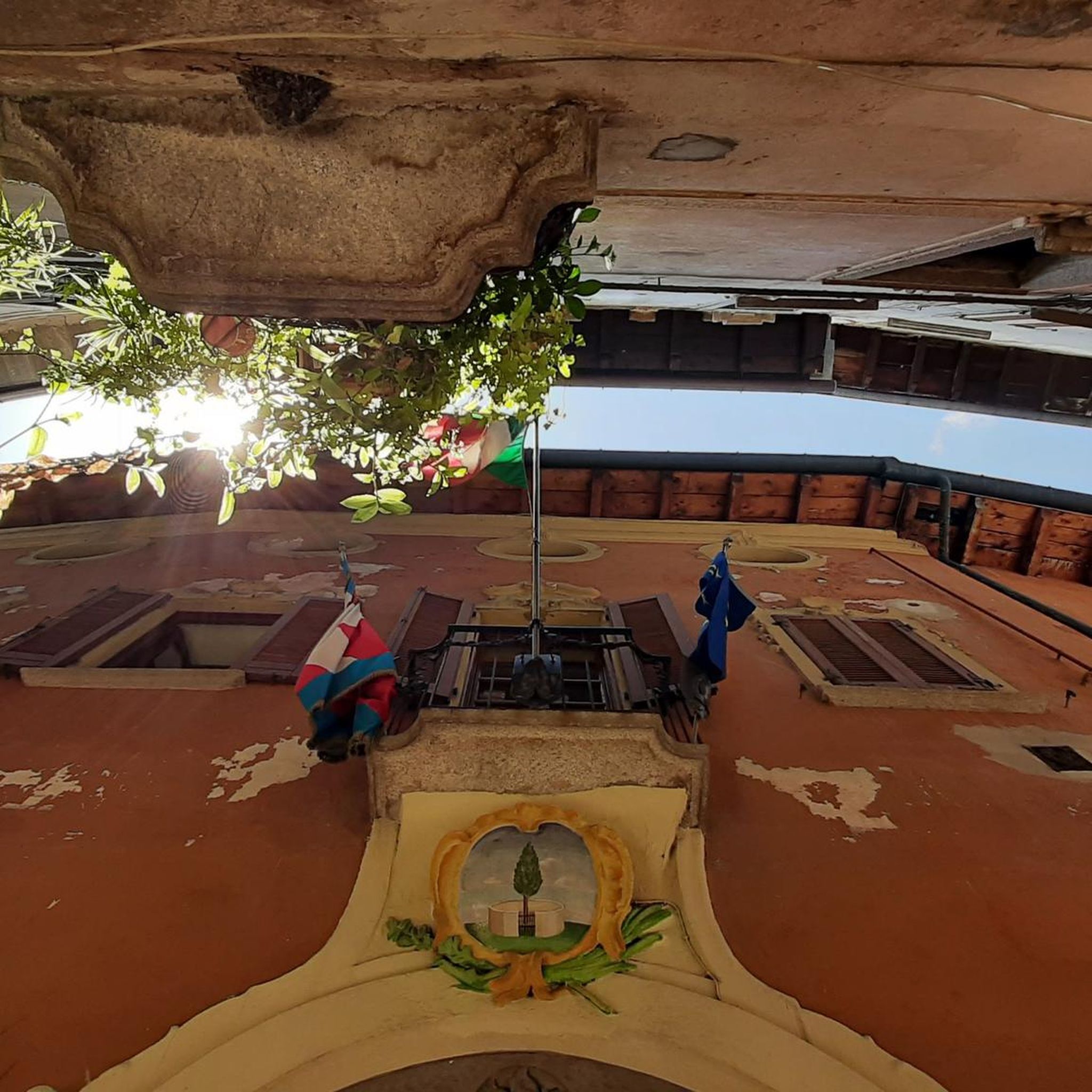
With its bright colors, it is visible from afar
3
0

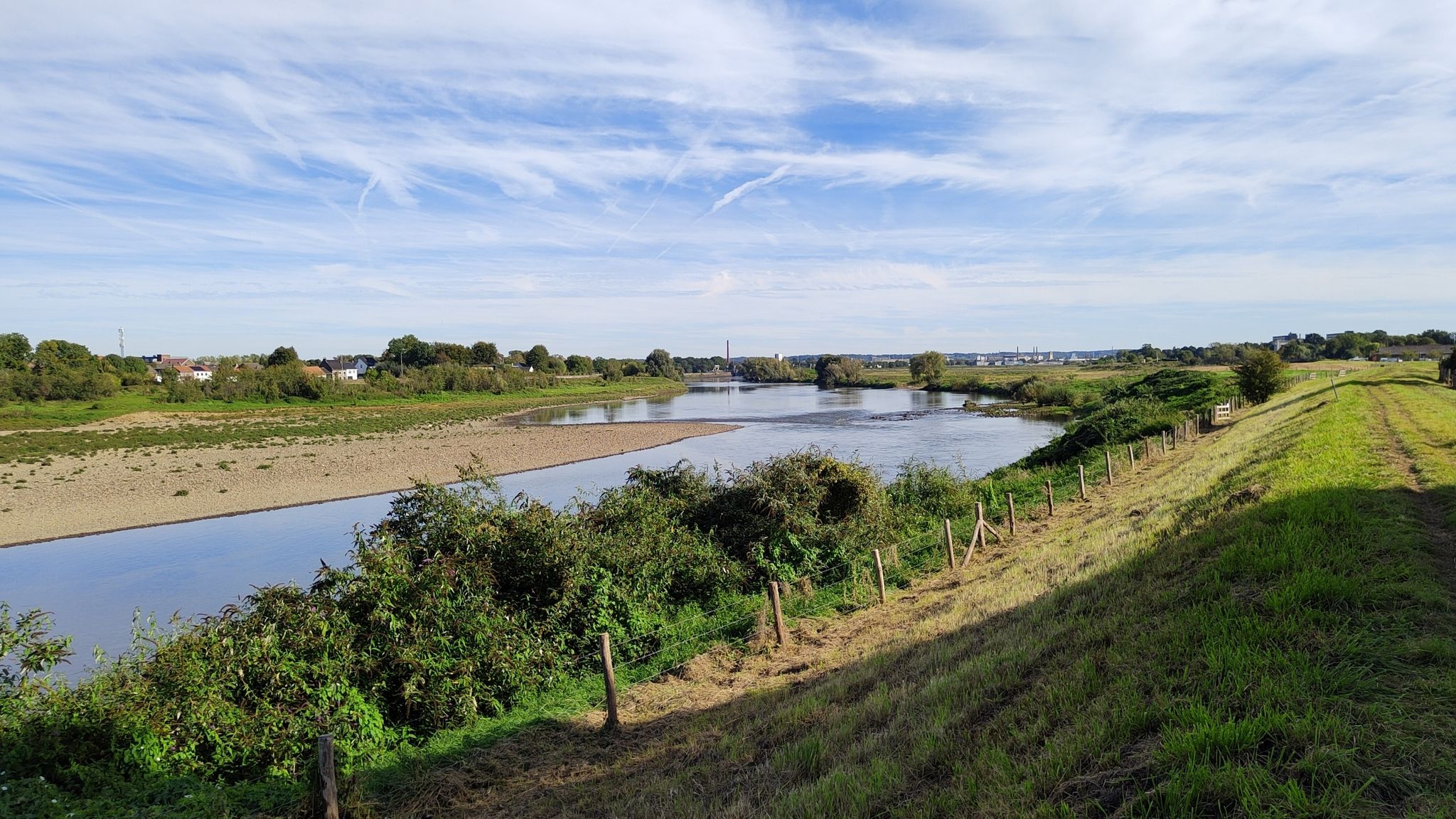
It's lovely to cycle here on the dike. There's always something to see on either side, and the people you meet are very friendly and seem happy. It must be the beautiful surroundings.
0
0
Frequently Asked Questions
How many traffic-free touring cycling routes are available in Dilsen-Stokkem?
Dilsen-Stokkem offers a wide selection of traffic-free touring cycling routes. There are over 60 routes available, with 52 of them rated as easy, making the region highly accessible for cyclists of all levels.
What kind of terrain can I expect on the traffic-free cycling routes in Dilsen-Stokkem?
The routes in Dilsen-Stokkem offer diverse and scenic landscapes. You can expect a mix of flat paths along river dikes, such as the Maas River Dike Cycling Path, and gently rolling terrain through natural areas like the Hoge Kempen National Park and the Mechelse Heide. Many paths are well-maintained and suitable for touring bikes.
Are there family-friendly traffic-free cycling routes in Dilsen-Stokkem?
Yes, Dilsen-Stokkem is an excellent destination for family cycling. Many of the 52 easy routes are suitable for families, offering safe and enjoyable experiences away from traffic. The region's well-developed cycling infrastructure and picturesque villages make it ideal for outings with children.
What natural features or landmarks can I see along the traffic-free cycling routes?
You'll encounter numerous natural highlights and landmarks. The Hoge Kempen National Park is a major draw, featuring impressive panoramas over the Grote Plas. A unique experience is cycling over the floating bridge on the Grote Plas. Other notable areas include the Mechelse Heide — Lakes and Sand Dunes and the Maas River Dike Cycling Path. You might also pass by the Molenplas Tree Monument.
Can I find circular traffic-free cycling routes in Dilsen-Stokkem?
Yes, many of the traffic-free routes in Dilsen-Stokkem are designed as circular tours, allowing you to start and end at the same point. Examples include the Heiderbos Nature Reserve – Cycling through the Mechelse Heide loop from Grote Plas or the Cycling through the Mechelse Heide – Mechelse Heide loop from Panorama terril.
What do other touring cyclists enjoy most about cycling in Dilsen-Stokkem?
The komoot community highly rates the touring cycling experience in Dilsen-Stokkem, with an average score of 4.5 stars from over 500 ratings. Reviewers often praise the quiet, well-maintained paths, the stunning natural beauty of the Hoge Kempen National Park, and unique features like the floating bridge over the Grote Plas.
Are there any long-distance traffic-free cycling routes available?
While many routes are designed for day trips, several offer longer distances suitable for extended touring. For example, the Cycling between Meuse and mine - Limburg route covers nearly 50 km, providing a substantial traffic-free journey through varied landscapes.
Where can I find cafes or places to rest along the traffic-free routes?
The region is well-equipped with amenities for cyclists. Many routes pass through or near picturesque villages where you can find cafes and restaurants. Within the Hoge Kempen National Park, there are visitor centers and rest stops. The Station As is one such highlight that serves as a cafe.
Is public transport accessible for reaching the starting points of these routes?
Dilsen-Stokkem and the surrounding Limburg region have public transport options that can help you reach various starting points for cycling routes. It's advisable to check local bus schedules and routes in advance to plan your journey effectively.
What is the best time of year for traffic-free touring cycling in Dilsen-Stokkem?
The spring and autumn months generally offer the most pleasant conditions for cycling, with mild temperatures and beautiful scenery. Summer is also popular, though it can be warmer. The well-maintained paths make cycling enjoyable across many seasons, but always check local weather conditions before heading out.
Are there any routes that pass through historical towns or unique cultural sites?
Yes, some routes offer a blend of nature and culture. The Thorn — The White Town – Zuid-Willemsvaart Canal loop from Dilsen-Stokkem, for instance, takes you towards Thorn, known for its distinctive white houses and rich history, offering a charming cultural experience alongside your ride.
Most popular routes around Dilsen-Stokkem
Most popular attractions around Dilsen-Stokkem

Get inspired with the komoot mobile app


Explore more
Browse the best Cycling routes in other regions.
