The best traffic-free bike rides around Melzo
4.4
(249)
1,762
riders
71
rides
Gravel biking around Melzo offers diverse terrain, characterized by its network of historic canals and rivers. The region features flat, accessible paths along waterways like the Martesana Canal and the Adda River, providing extensive no traffic gravel bike trails. Cyclists can also experience gentle elevation changes and scenic views towards the distant Colli di Bergamo, blending natural beauty with historical landmarks. The landscape is primarily composed of riverine environments and agricultural areas, making it ideal for varied gravel cycling experiences.
…Last updated: May 19, 2026
4.6
(28)
248
riders
75.6km
04:43
520m
520m
Hard gravel ride. Very good fitness required. Mostly paved surfaces. Suitable for all skill levels.
4.7
(10)
72
riders
60.6km
03:42
140m
140m
Moderate gravel ride. Good fitness required. Mostly paved surfaces. Suitable for all skill levels.

Sign up for free
4.1
(7)
55
riders
48.8km
02:54
100m
100m
Moderate gravel ride. Good fitness required. Mostly paved surfaces. Suitable for all skill levels.
4.4
(7)
72
riders
68.2km
04:08
130m
130m
Moderate gravel ride. Good fitness required. Mostly paved surfaces. Suitable for all skill levels.
5.0
(2)
40
riders
Hard gravel ride. Very good fitness required. Mostly paved surfaces. Suitable for all skill levels.
Get access to more routes and recommendations from other explorers.
Sign up for free
Already have an account?
Our route recommendations are based on thousands of hikes, rides, and runs completed by other people on komoot.
Start today with a free account
Your next adventure awaits.
Login or Signup
Popular around Melzo

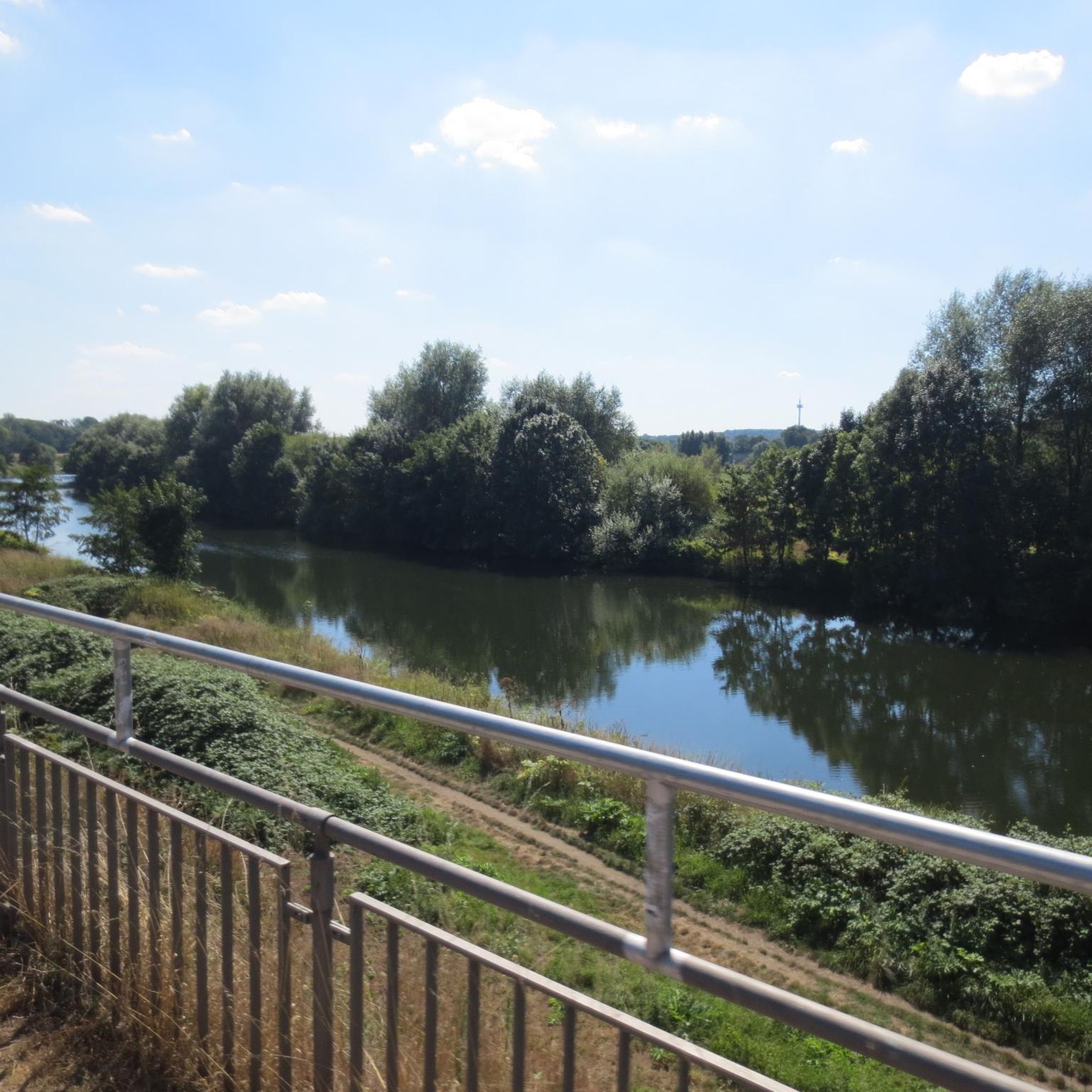
Tips from the Community

The Idroscalo of Milan is a large artificial lake and public park located between the municipalities of Segrate and Peschiera Borromeo, historically known as the "sea of Milan". Born in the late 1920s as a seaplane base, it was later converted into a sports and recreational center. Today it represents one of the main green areas and leisure spaces of the Metropolitan City of Milan.
0
0
The Muzza Canal is the oldest in Europe and just this year, its 800th anniversary was celebrated by the Municipality of Paullo in collaboration with the Pro Loco and other Municipalities. Its origin dates back to the year 1220, when Frederick II of Swabia, crowned emperor of the Holy Roman Empire, issued an imperial edict that granted the people of Lodi the right to use the waters flowing within their territory. The current route, about 60 km long, receives the waters of the Adda River at Cassano d’Adda, at an altitude of 120 m above sea level, crosses the Lodi territory for about 40 km until near Castiglione d’Adda, at an altitude of 45 m above sea level, and here it releases them back into the Adda River. It has a regulated water regime, with a flow rate, depending on the season, of about 200 thousand liters of water per second; an initial width of 50 meters which reduces to a few meters at the end of its course and an average depth of 2 meters.
0
0
The Muzza canal (61 km long in total) is a branch of the Adda River and has recently celebrated its 800th anniversary, making it one of the oldest in Europe. Its name, with slight variations over the centuries, still recalls the Roman family Mutia who moved here in 90 BC, starting the first land reclamation works. Smaller watercourses branch off from the wide canal, winding through the countryside for a total length of about 1000 kilometers, mainly intended for agricultural irrigation. The surrounding landscape of countryside and farmhouses is evocative, with a succession of tree-lined rows and open fields. It is also very interesting from a naturalistic point of view as it attracts many aquatic birds that can be observed along the route.
1
0
The Muzza canal (61 km long in total) is a branch of the Adda River and recently celebrated its 800th anniversary, making it one of the oldest in Europe. Its name, with slight variations over the centuries, still recalls the name of the Roman Mutia family who moved here in 90 BC, initiating the first land reclamation works. From the wide canal branch off smaller watercourses which, winding through the countryside for a total length of about 1000 kilometers, are mainly intended for agricultural irrigation. The landscape of countryside and farmhouses surrounding it is evocative, with alternating rows of trees and open fields. It is also very interesting from a naturalistic point of view as it attracts many water birds that can be observed along the route.
0
0
The Naviglio della Martesana, definitively completed in 1496 under the guidance of Ludovico il Moro, flows from Trezzo sull’Adda to Milan for a total length of 38 km. The route runs alongside the ancient Roman road (the current SS 11 padana superiore) which crossed the Adda with two branches: at Vaprio and Cassano. Irrigation of the land located above the spring belt was for a long time the predominant use of the canal, so much so that initially navigation was limited to two days a week; concurrently with the improvement of the agricultural structure thanks to irrigation, a notable flourishing of stately villas occurred in the Baroque era, intended to enjoy the convenience of travel on water and to control owned lands.
1
0
The Naviglio della Martesana, definitively completed in 1496 under the guidance of Ludovico il Moro, flows from Trezzo sull’Adda to Milan for a total length of 38 km. The route runs alongside the ancient Roman road (the current SS 11 padana superiore) which crossed the Adda with two branches: at Vaprio and at Cassano. The irrigation of the lands located above the spring belt was for a long time the prevalent use of the canal, so much so that initially navigation was limited to two days a week; concurrently with the improvement of the agrarian structure thanks to irrigation, a notable flourishing of stately villas emerged in the Baroque era, aimed at enjoying the convenience of travel on water and controlling the lands of property.
1
0
The Naviglio della Martesana, initially known as Naviglio Piccolo, is one of the Milanese canals that connects Milan with the course of the Adda river through the municipalities of Martesana. Commissioned in the 15th century by Francesco Sforza, it was used for irrigating the countryside but also represented the ambitious project of connecting Milan with Lake Como and thus with the Alps and Ticino. The Naviglio della Martesana is a place rich in history and beauty, a heritage for everyone that, however, today is still little known and protected. Along the Naviglio runs a rather busy cycle path, which allows you to admire the landscape and cultural beauties, such as the rich flora, fauna, or the numerous historic villas, including the Renaissance Villa Melzi d’Eril in Vaprio d’Adda.
1
0

Very nice tour, the return phase could be improved as, although cyclable, it runs along the provincial road Crema - Lodi. NEW: an embankment has been built with a cycle path on top from Corte Palasio to the Casellario area, running along the Adda with a small bridge over the Tormo stream. Works in progress, it must be completed but is already passable. Beautiful, scenic and shady in the woods.
0
0
Frequently Asked Questions
How many no-traffic gravel bike trails are available around Melzo?
You can explore around 70 dedicated no-traffic gravel bike trails in the Melzo area. These routes offer a variety of experiences, from easy rides perfect for beginners to more challenging adventures for experienced cyclists.
What kind of terrain can I expect on the no-traffic gravel routes near Melzo?
The no-traffic gravel routes around Melzo typically feature a mix of surfaces. You'll find well-maintained dirt roads, dedicated cycle paths along waterways like the Martesana Canal and Adda River, and some paved sections that connect the unpaved segments. This blend ensures a varied and engaging gravel biking experience.
Are there any family-friendly no-traffic gravel routes suitable for beginners?
Yes, there are several family-friendly and beginner-suitable options. Routes along the Martesana Canal Cycle Path are generally flat and offer a safe, car-free environment. Look for routes classified as 'easy' in the guide, which are ideal for a relaxed outing with less elevation gain.
What are some notable landmarks or attractions I can see along these car-free gravel trails?
Many routes follow historic waterways, offering scenic views and points of interest. Along the Martesana Canal, you can discover the impressive Rudun Water Wheel in Groppello d'Adda, an engineering marvel. Further afield, some routes might offer glimpses of historic structures like the Castello di Peschiera Borromeo or the Visconti Castle of Cassano d'Adda.
Are there any long-distance no-traffic gravel loops around Melzo?
Absolutely. For those seeking longer rides, there are several extensive loops. For example, the challenging Muzza Canal Riverside Path – Castello di Peschiera Borromeo loop from Pozzuolo Martesana covers over 100 km, offering a significant distance away from traffic. Another option is the View of the Adda River loop from Trecella, also over 100 km, providing extensive car-free sections along the river.
What is the best time of year to go gravel biking in the Melzo area?
Spring and autumn are generally the best seasons for gravel biking around Melzo. The weather is mild, and the natural scenery along the canals and rivers is particularly beautiful. Summer can be hot, so early mornings or late afternoons are preferable, while winter rides are possible but require appropriate gear for cooler temperatures.
Can I bring my dog on the no-traffic gravel bike trails?
Many of the cycle paths and dirt roads, especially along the Martesana Canal and Adda River, are dog-friendly. However, it's always recommended to keep your dog on a leash, especially in more populated areas or near wildlife, and to be mindful of other trail users. Always check local regulations for specific areas.
Where can I find parking to access these car-free gravel routes?
Access points to the Martesana Canal and Adda River cycle paths often have nearby parking facilities in towns like Trecella, Vignate, or Pozzuolo Martesana. Look for public parking areas in these towns, which typically provide convenient access to the start of many no-traffic routes.
Are there any challenging no-traffic gravel routes with significant elevation gain?
While much of the area is relatively flat, some routes do offer more significant elevation. The View of the Bergamo Hills – Astino Monastery loop from Trecella, for instance, is classified as difficult and features over 500 meters of elevation gain, providing a more demanding experience with scenic views of the Colli di Bergamo.
What do other gravel bikers enjoy most about the no-traffic routes around Melzo?
The area is highly rated by the komoot community, with an average score of 4.4 stars. Reviewers often praise the peaceful, car-free environment along the historic canals and rivers, the diverse terrain suitable for gravel bikes, and the opportunity to discover charming villages and historical landmarks away from busy roads.
Are there any cafes or pubs along the no-traffic gravel routes for a break?
Yes, many of the routes pass through or near small towns and villages along the Martesana Canal and Adda River. You'll often find local cafes, trattorias, and pubs where you can stop for refreshments, a meal, or a coffee break. These spots provide a great opportunity to experience local Italian hospitality.
Can I access these gravel trails using public transport from Melzo?
Melzo has good public transport connections, and you can often reach towns that serve as starting points for these trails via local buses or regional trains. For example, towns along the Martesana Canal or Adda River are typically well-connected, allowing you to start your ride without needing a car. Always check specific schedules and bike carriage policies for public transport.
Most popular attractions around Melzo

Get inspired with the komoot mobile app


Explore more
Browse the best Gravel rides in other regions.
