The best traffic-free bike rides around Civitella In Val Di Chiana
4.3
(517)
12,479
riders
9
rides
No traffic road cycling routes around Civitella In Val Di Chiana traverse the Valdichiana Aretina, a region characterized by gentle hills, olive groves, vineyards, and cultivated fields. The terrain includes low mountain areas, which are an extension of the Tuscan Pre Apennines, alongside flatter cultivated sections. Cyclists encounter woodlands and rolling hills, providing varied landscapes throughout the rides. The area's roads frequently utilize low-traffic surfaces, including some white roads, immersing riders in the natural environment.
Best no traffic road cycling routes around Civitella In Val Di Chiana
- The most popular no traffic road cycling route is View of Pratomagno – Pratomagno White Road loop from Giovi, a 58.2 miles (93.6 km) trail that takes 6 hours 9 minutes to complete. This route features significant elevation gain through the Pratomagno area.
- Another top favourite among local road cyclists is Piazza Grande, Arezzo – The Staggiano Wall loop from Stazione Fs Arezzo Casello 1, a moderate 16.6 miles (26.8 km) path. This route offers views of Arezzo and its surrounding landscape.
- Local road cyclists also love the Piazza Grande of Arezzo – Vasari Loggias loop from Arezzo, a 16.2 miles (26.0 km) trail leading through the historic areas of Arezzo, often completed in about 1 hour 17 minutes.
- Road cycling around Civitella In Val Di Chiana is defined by rolling hills, olive groves, and vineyards. The network offers options for various ability levels, from easy loops to more challenging routes with significant climbs.
- The routes in Civitella In Val Di Chiana are highly rated by the komoot community with an average score of 4.4 stars from over 20 reviews. More than 980 road cyclists have used komoot to explore Civitella In Val Di Chiana's varied terrain.
Last updated: July 14, 2026
4.7
(3)
94
riders
95.0km
04:28
1,100m
1,100m
Hard road ride. Very good fitness required. Mostly well-paved surfaces and easy to ride.
4.0
(2)
19
riders
28.1km
01:34
510m
510m
Moderate road ride. Good fitness required. Mostly well-paved surfaces and easy to ride.

Sign up for free
15
riders
29.4km
01:17
170m
170m
Easy road ride. Great for any fitness level. Mostly well-paved surfaces and easy to ride.
16
riders
25.3km
01:24
480m
480m
Moderate road ride. Good fitness required. Mostly well-paved surfaces and easy to ride.
12
riders
25.6km
02:01
660m
660m
Moderate road ride. Good fitness required. Some segments of this route may be unpaved and difficult to ride.
Get access to more routes and recommendations from other explorers.
Sign up for free
Already have an account?
Our route recommendations are based on thousands of hikes, rides, and runs completed by other people on komoot.
Start today with a free account
Your next adventure awaits.
Login or Signup
Popular around Civitella In Val Di Chiana

Tips from the Community

Historic work of hydraulic engineering from the 12th century. Starting point of the suggestive Sentiero della Bonifica (Reclamation Trail) and junction with the Ciclopista dell'Arno (Arno Cycle Path).
0
0

Arezzo Cathedral, dedicated to Saints Peter and Donatus, dominates the city from atop the hill of San Pietro. Its construction began in 1277, thanks in part to the bequest of Pope Gregory X, who had died in Arezzo the previous year. Inside, it houses extraordinary masterpieces: Piero della Francesca's fresco of the Magdalene, Guido Tarlati's monumental 14th-century cenotaph, and the splendid Renaissance stained-glass windows by Guillaume de Marcillat. Among the most beloved works is the Madonna del Conforto, the center of popular devotion born after the miracle of 1796 that, according to tradition, stopped a violent earthquake.
1
0

Situated at the top of Via de' Pileati, this majestic 14th-century palace remains the civic heart of the city and is distinguished by its imposing quadrangular tower and evocative internal courtyard. From its privileged location, it dominates the historic center, offering visitors a perfect example of Arezzo's medieval architecture just steps from the Cathedral.
0
0

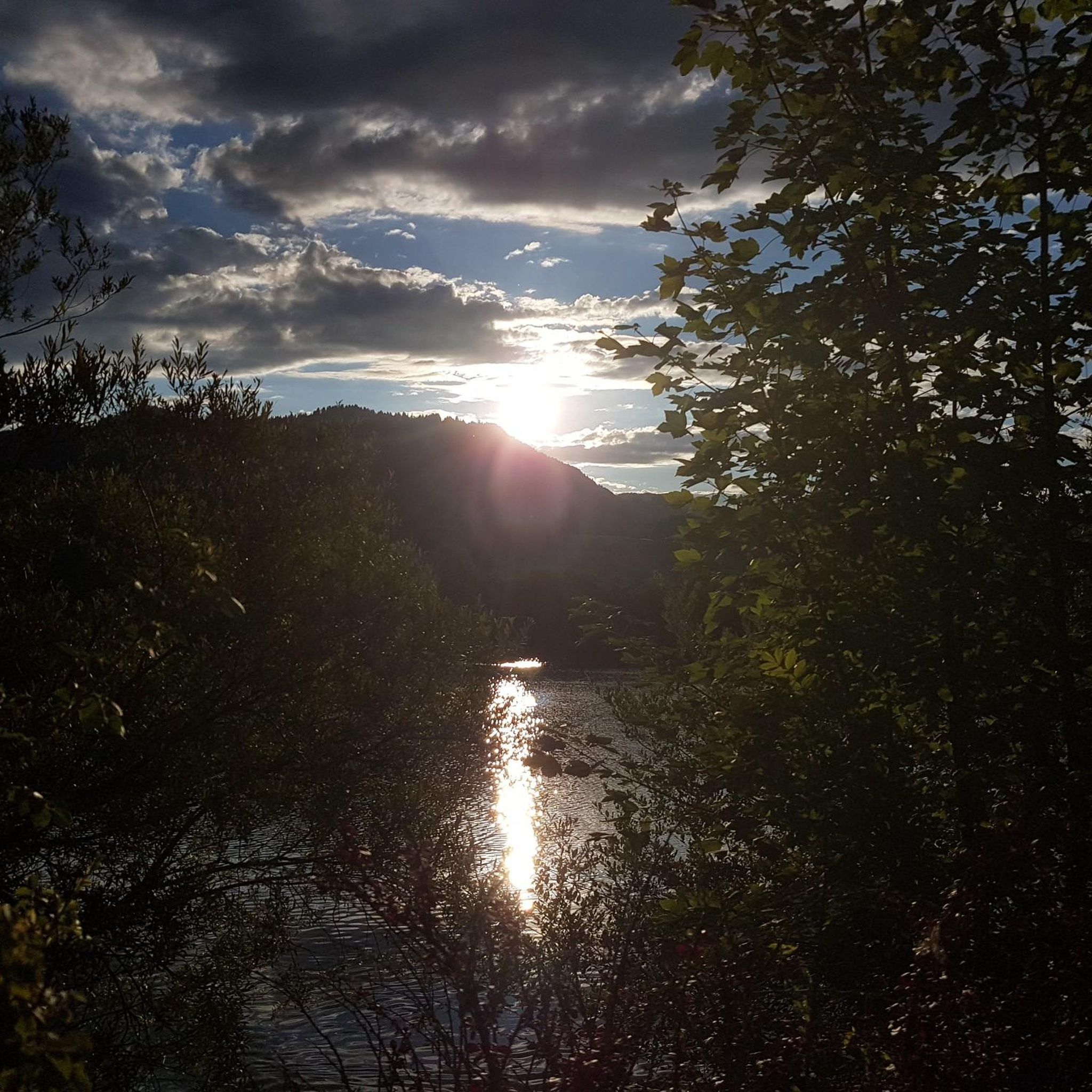
Sunset at Piazza Grande
3
0

Beautiful village located on top of one of the hills between Valdambra and Valdichiana, beautiful climb from both sides
0
0

Scenic route above Arezzo, famous for Pantani participation in the Giro diItalia.
0
0

Cathedral of Saints Peter and Donatus, Arezzo Cathedral of Saints Peter and Donatus (Cathedral of Arezzo) The Cathedral of Arezzo, officially the Cathedral of Saints Peter and Donatus, is the main Catholic church in the city of Arezzo and the cathedral of the Diocese of Arezzo-Cortona-Sansepolcro. It is located on the hilltop where the city is situated, on the site of an early Christian church and probably on the site of the city's acropolis. Construction began in 1278 but was interrupted several times over the years; the façade was not completed until 1914. The Cathedral of Arezzo is still dedicated to Saint Donatus and preserves a valuable 14th-century marble reliquary on the main altar, dedicated to him and containing the saint's body (his head is preserved in the reliquary bust in the church of Santa Maria della Pieve in Arezzo). The sandstone façade, built between 1901 and 1914 to replace the previous, unfinished one, was given a Neo-Gothic appearance by the architect Dante Viviani. It features rich sculptural decoration created by Giuseppe Cassioli, Enrico Quattrini, and Dante Viviani himself. Below, three portals open, each splayed and adorned with a lunette carved in bas-relief. Only the central portal also has a ghimberga, surmounted by three statues, each with its own canopy: above, Jesus the Redeemer, and below, Saint Donatus (left) and Blessed Gregory (right). The bell tower has its own canopy: above, Jesus the Redeemer, and below, Saint Donatus (left) and Blessed Gregory (right). Corresponding to the nave is a circular rose window by Guillaume de Marcillat, created in 1518, depicting Pentecost. Text / Source: Piramedia Srl - Tourism in Italy https://www.arezzo.com/cattedrale-dei-santi-pietro-e-donato-duomo-di-arezzo/
15
1
Arezzo: Art and History in Tuscany Arezzo's narrow streets transported me back in time. Ancient walls told tales of the Etruscans and Romans. In the Piazza Grande, millennia merged into a unique experience. Arezzo is a cultural gem in the heart of Tuscany. With 100,000 inhabitants, the city retains its medieval charm. Etruscan roots and Roman influences shape the cityscape. The city has witnessed many wars and upheavals. Founded by the Etruscans and later conquered by the Romans, Arezzo became an important trading center. Arezzo's eventful history makes it a fascinating travel destination. Visitors experience a rich past and cultural diversity here. Text / Source: Toskanaitalien.de, your website about Tuscany https://www.toskanaitalien.de/arezzo/#:~:text=Arezzo%20is%20a%20cultural%20jewel%20in%20the%20heart%20of%20Tuscany.,cityscape.%20The%20city%20experienced%20many%20wars%20and%20changes.
15
1
Frequently Asked Questions
How many no-traffic road cycling routes are available in Civitella In Val Di Chiana?
There are 6 dedicated no-traffic road cycling routes around Civitella In Val Di Chiana listed in this guide. These routes offer a mix of easy to moderate challenges, allowing cyclists to enjoy the Tuscan landscape without heavy vehicle interference.
What is the best time of year for no-traffic road cycling in Civitella In Val Di Chiana?
The best seasons for road cycling in Civitella In Val Di Chiana are generally spring (April-May) and autumn (September-October). During these months, the weather is pleasant, and the landscapes are particularly beautiful, with comfortable temperatures for longer rides. Summer can be hot, but early mornings or late afternoons can still be enjoyable.
What kind of terrain can I expect on these no-traffic road cycling routes?
The routes in Civitella In Val Di Chiana traverse diverse Tuscan landscapes, including rolling hills, olive groves, vineyards, and cultivated fields. While primarily road cycling, some segments might incorporate 'white roads' (strade bianche) or well-maintained paths that immerse riders in nature. Expect a mix of gentle ascents and descents, characteristic of the Valdichiana Aretina region.
Are there any easy no-traffic road cycling routes suitable for beginners or casual riders?
Yes, there are routes suitable for beginners or those seeking an easier ride. For example, the Piazza Grande of Arezzo – Vasari Loggias loop from Arezzo is classified as easy, covering 26 km with a modest elevation gain of around 223 meters. These routes are perfect for enjoying the scenery at a relaxed pace.
Are there challenging no-traffic road cycling routes for experienced cyclists?
Absolutely. For experienced cyclists looking for a challenge, routes like the View of Pratomagno – Pratomagno White Road loop from Giovi offer a significant test. This route spans over 93 km with an elevation gain exceeding 2000 meters, providing a demanding yet rewarding experience through stunning landscapes.
What natural features or scenic viewpoints can I expect to see along these routes?
The routes offer beautiful views of the Valdichiana Aretina, characterized by rolling hills and extensive woodlands. You might encounter areas near the Arno River, such as the Valle dell'Inferno and Bandella Nature Reserve, or pass by the Ponte Buriano. The region's natural beauty, with its olive groves and vineyards, provides a quintessential Tuscan cycling experience.
Are there any historical sites or attractions along the no-traffic road cycling routes?
Many routes pass near or through charming historical towns and sites. For instance, you might cycle near Piazza Grande in Arezzo or the ancient Santa Maria della Pieve. The region itself is rich in history, with Civitella In Val Di Chiana boasting its ancient Rocca (Fortress) and Palazzo Pretorio, offering cultural points of interest during your ride.
Is parking available near the starting points of these no-traffic road cycling routes?
Yes, parking is generally available in the towns and villages that serve as starting points for these routes, such as Civitella In Val Di Chiana or Arezzo. It's advisable to check local parking regulations and availability, especially during peak season, but you'll typically find options to leave your vehicle before starting your ride.
Can I reach the starting points of these routes by public transport?
Arezzo, a common starting point for several routes, is well-connected by public transport, including train services. From Arezzo, you might be able to reach other smaller towns by local bus services, though options might be more limited. Planning your journey in advance is recommended if relying on public transport.
Are there places to stop for refreshments or accommodation along the routes?
Yes, the routes often pass through or near small villages and towns where you can find cafes, restaurants, and local shops for refreshments. Tuscany is renowned for its hospitality, and many agriturismi (farm stays) and B&Bs offer accommodation for cyclists. For example, La Vialla Farm is a notable stop that offers food and local products.
Are these no-traffic road cycling routes suitable for families?
While some routes are more challenging, there are easier, shorter options that can be suitable for families, especially those with older children accustomed to cycling. The 'no-traffic' aspect makes them safer and more enjoyable for family outings. Always check the route's difficulty and distance, like the easy Piazza Grande of Arezzo – Vasari Loggias loop, to ensure it matches your family's capabilities.
What do other road cyclists enjoy most about cycling in Civitella In Val Di Chiana?
The komoot community highly rates the cycling experience in this region, with an average score of 4.4 stars. Reviewers often praise the stunning Tuscan landscapes, the tranquility of the no-traffic roads, and the opportunity to combine physical activity with cultural exploration of charming villages and historical sites.
Are there any circular no-traffic road cycling routes available?
Yes, many of the routes in this guide are designed as circular loops, allowing you to start and end at the same point. This is convenient for those who drive to the starting location. Examples include the Piazza Grande, Arezzo – The Staggiano Wall loop and the Piazza Grande – Piazza Grande of Arezzo loop, providing varied distances and difficulties.
Most popular routes around Civitella In Val Di Chiana
Most popular attractions around Civitella In Val Di Chiana

Get inspired with the komoot mobile app


Explore more
Browse the best Road cycling routes in other regions.
