The best traffic-free bike rides around Tribano
4.5
(110)
767
riders
11
rides
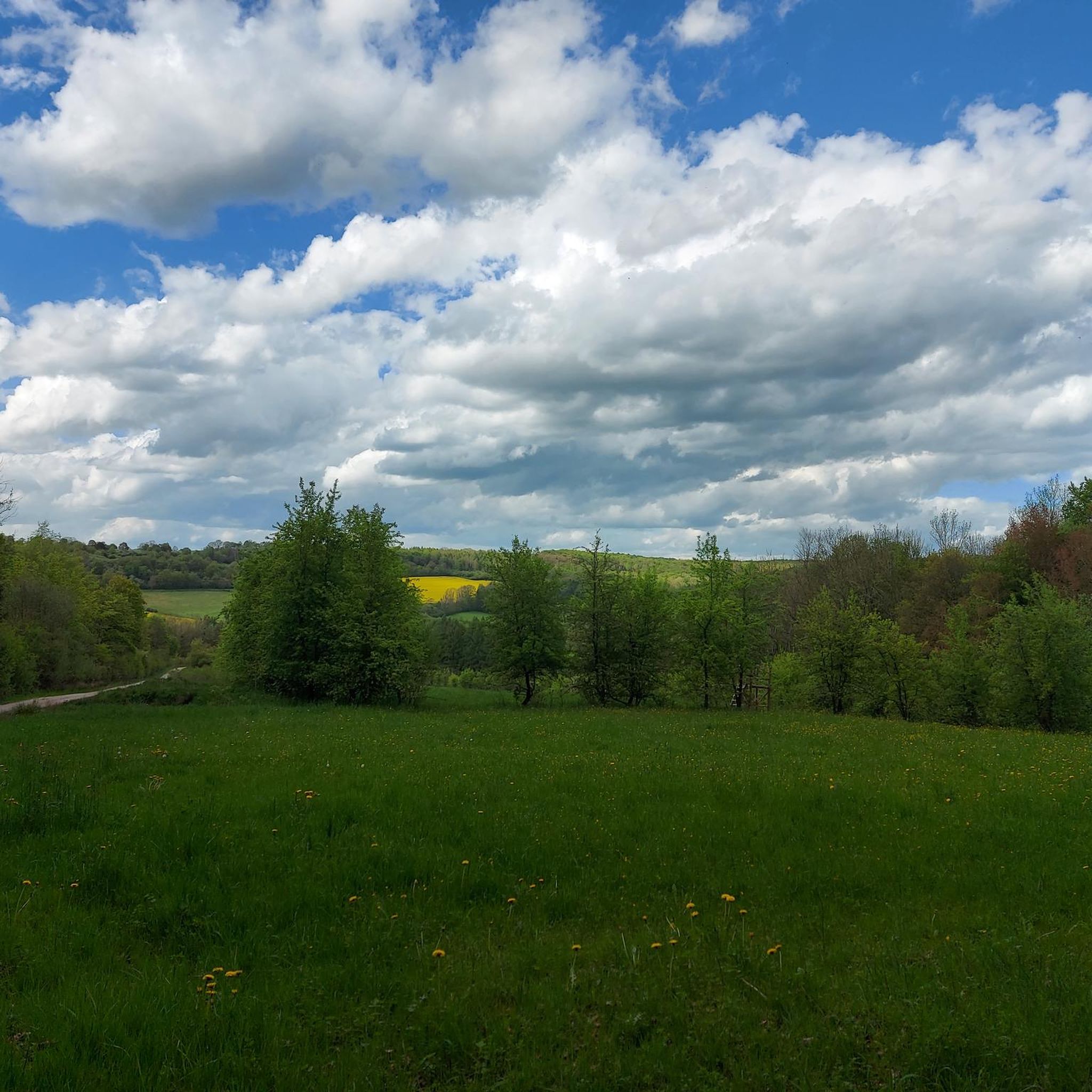
No traffic gravel bike trails around Tribano are primarily found within the Euganean Hills Regional Park, an area characterized by 81 volcanic peaks. This landscape offers a diverse mix of terrain, including challenging climbs and gentle slopes, alongside extensive gravel paths and dirt trails. The region features a mosaic of rolling terrain, lush vineyards, and olive groves, providing varied backdrops for cycling. Extensive riverside paths along waterways such as the Brenta, Bacchiglione, and Adige rivers offer flatter sections for easier…
Last updated: October 3, 2026
4.7
(18)
197
riders
Hard gravel ride. Very good fitness required. Mostly paved surfaces. Suitable for all skill levels.
3.7
(7)
53
riders
31.6km
02:25
600m
600m
Hard gravel ride. Very good fitness required. Mostly paved surfaces. Suitable for all skill levels.

5.0
(1)
30
riders
100km
06:24
880m
880m
Hard gravel ride. Very good fitness required. You may need to push your bike for some segments of this route.
33
riders
92.1km
05:50
930m
930m
Hard gravel ride. Very good fitness required. Mostly paved surfaces. Suitable for all skill levels.
4.5
(2)
18
riders
40.4km
02:22
40m
40m
Moderate gravel ride. Good fitness required. Mostly paved surfaces. Suitable for all skill levels.
Get access to more routes and recommendations from other explorers.
Already have an account?
Our route recommendations are based on thousands of hikes, rides, and runs completed by other people on komoot.
Start today with a free account
Your next adventure awaits.
Popular around Tribano
Tips from the Community

From the sassonegro of Monte Cecilia starts this dirt road about 1.5 km long, initially quite beaten and then decidedly broken (la Scajara) with a nice slope. To be done in both directions with Mtb or Gravel
0
0

Arquà Petrarca is a charming medieval village nestled on the slopes of the Euganean Hills, considered one of the most fascinating villages in Italy. Its destiny is linked to the poet Francesco Petrarca, who chose it as his home to spend the last years of his life, attracted by the peace of the landscape. Divided between the upper and lower areas, the village retains an untouched atmosphere, characterized by stone alleys, ancient residences in Venetian Gothic style, and lush nature made of olive trees, vineyards, and jujube trees, the symbolic fruit of the place. Among the points of greatest interest are the poet's house, his tomb in red Verona marble placed on the parvis of the church of Santa Maria Assunta, and the 14th-century fountain. The village offers enchanting views of the Padan plain and is an unmissable destination for those seeking history, poetry, and food and wine excellences such as the famous jujube broth.
0
0

route through the Euganean Hills
0
0

The system of bridges and the viability of the Isola dell'Unione in Chioggia (VE) historically connect the historic center of Chioggia with the nearby seaside resort of Sottomarina. The area is served by a translagunar bridge and the characteristic swing bridge that crosses the Canale San Domenico. The main details about the Isola dell'Unione infrastructure include: Ponte Translagunare (Ponte della Concordia): Inaugurated in 1931, it is about 700 meters long and directly connects Sottomarina to Chioggia by crossing the lagoon. Ponte Girevole (Canale San Domenico): Regulates internal traffic and allows boats to pass. It has recently been the subject of tenders for extraordinary maintenance and the reorganization of city traffic. Roads and Cycle Paths: The area is part of the Passeggiata del Lusenzo, a circular pedestrian and cycle path that connects the two centers passing through the Isola dell'Unione, ideal for tourist visits and excursions.
1
0
The Ponte dell'Isola dell'Unione is the key infrastructure that unites Chioggia and Sottomarina, connecting the historicity of "Little Venice" to the vibrancy of its seaside soul. Crossing the lagoon, this bridge is not just a crucial communication route for vehicular and pedestrian traffic, but a true umbilical cord that transforms two distinct realities into a single urban organism. Strolling along its sidewalks, you can enjoy a spectacular view of the southern lagoon, with the moored boats, the distant casoni, and the unmistakable profiles of the two towns. For residents and tourists, it represents a suggestive transit point, particularly fascinating at sunset, when the lights reflect on the water, summarizing in a single glance the maritime, historical, and tourist essence of this unique territory.
2
0
One of the oldest garden complexes in Italy with ancient trees. Worth a visit for nature lovers.
0
0
The Villa Barbarigo Pizzoni Ardemani in Valsanzibio di Galzignano Terme is a Baroque masterpiece from the 17th century, world-renowned for its extraordinary historic garden, considered among the most important and intact in Europe. Designed by architect Luigi Bernini, the complex was created at the behest of the noble Venetian Barbarigo family as a solemn vow to God for having escaped the terrible plague of 1631. The park is not a simple ornamental work, but a true allegorical and spiritual path of purification. The visitor is invited to experience a journey of salvation that unfolds through scenic fountains, streams, fishponds, and over seventy statues rich in symbolism. The central and iconic element of the garden is the monumental labyrinth of centuries-old boxwood, one of the oldest and largest in the world, symbolizing the difficulties and redemption of the human soul.
1
0

Beautiful village to visit and taste the typical Venetian dishes.
0
0
Frequently Asked Questions
How many no-traffic gravel bike trails are available around Tribano?
There are 10 dedicated no-traffic gravel bike trails around Tribano, offering a variety of experiences. These routes are specifically curated to keep you away from vehicular traffic, allowing for a peaceful ride through the scenic Euganean Hills.
What kind of terrain can I expect on gravel bike trails near Tribano?
The terrain around Tribano, particularly within the Euganean Hills Regional Park, is diverse. You'll encounter a mix of gravel paths, dirt trails, and scenic canal cycle paths. The region features 81 volcanic peaks, offering everything from gentle slopes to more challenging climbs, often through lush vineyards and olive groves.
Are there any easy, no-traffic gravel routes suitable for beginners or families?
Yes, there are easy no-traffic options. For a relatively flat and accessible ride, consider the Villa Grimani Forti – Ca' Conti Historical Complex loop from Due Carrare. This route is 21.5 km long with minimal elevation gain, making it ideal for a relaxed outing. The area also features extensive riverside paths along waterways like the Brenta and Bacchiglione, which are generally flat and car-free.
What are some notable landmarks or natural features I can see along the gravel trails?
The no-traffic gravel trails often pass through areas rich in history and natural beauty. You can explore charming medieval towns, vineyards, and historical sites. For example, the Valsanzibio Gardens – Vineyard Road to Monte Fasolo loop from Stanghella takes you near the beautiful Valsanzibio Gardens. Other routes might lead you past landmarks like Monselice Castle or along the Battaglia Canal Cycle Path.
What is the best time of year to go gravel biking in the Tribano area?
The Euganean Hills are beautiful year-round, but spring (April-May) and autumn (September-October) offer the most pleasant conditions for gravel biking. During these seasons, the weather is mild, and the landscapes are particularly vibrant with blooming flowers or rich fall colors. Summer can be hot, while winter might bring cooler temperatures, but many routes remain accessible.
Are there any long-distance no-traffic gravel routes for experienced riders?
Absolutely. For experienced riders seeking a longer challenge, the Valsanzibio Gardens – Vineyard Road to Monte Fasolo loop from Stanghella is a substantial 100 km route with significant elevation gain, offering a full day of exploration through varied terrain. Another challenging option is the Castello di Lispida – Praglia Abbey loop from Monselice, which covers over 86 km.
Where can I park my car to access the no-traffic gravel trails around Tribano?
Many routes start from towns like Monselice or Stanghella, which typically offer public parking options. For instance, the Vineyard Road to Monte Fasolo – View of the Euganean Hills loop from Monselice begins in Monselice, a common starting point with parking facilities. It's advisable to check local parking availability in the specific starting town for your chosen route.
Can I bring my dog on the gravel bike trails in the Euganean Hills Regional Park?
While the Euganean Hills Regional Park is generally dog-friendly, specific rules may apply to protected areas and private properties. When cycling, ensure your dog is well-behaved and, if off-leash, under strict voice control. Always carry waste bags and respect local regulations, especially when passing through villages or near agricultural land. It's best to keep dogs on a leash in more populated areas or on shared paths.
Are there any cafes or places to stop for refreshments along the no-traffic routes?
Yes, the Euganean Hills region is dotted with charming towns and villages, many of which offer cafes, trattorias, and local wineries where you can stop for refreshments. Given the region's agricultural focus, you'll often find opportunities to sample local produce and wines. Routes like the View of Monselice – Bovolenta Town Center loop from Monselice pass through towns where such amenities are readily available.
What do other gravel bikers enjoy most about the no-traffic trails near Tribano?
The area is highly rated by the komoot community, with an average score of 4.46 stars. Reviewers often praise the tranquility of the car-free routes, the stunning views of the Euganean Hills, and the rich cultural and natural attractions encountered along the way. The blend of challenging climbs and scenic, peaceful paths through vineyards and historical sites is a particular highlight.
Is public transport an option to reach the starting points of these gravel trails?
Yes, some towns near the Euganean Hills, such as Monselice, Este, and Battaglia Terme, are accessible by public transport. While bringing bikes on trains or buses might have restrictions, it's often possible to reach these hubs and then cycle to the trailheads. For specific routes, checking local bus or train schedules and their bike policies is recommended.
Most popular attractions around Tribano

Get inspired with the komoot mobile app


Explore more
Browse the best Gravel rides in other regions.
