The best traffic-free bike rides around Santu Antiogu/Sant'Antioco
4.5
(308)
2,152
riders
39
rides
No traffic touring cycling routes around Santu Antiogu/Sant'Antioco offer diverse landscapes for two-wheeled exploration. The island features a mix of coastal roads, lagoons, and Mediterranean scrub-covered hills. Flat itineraries, often built on old railway tracks, provide panoramic views, while other paths wind through more challenging terrain. This region is characterized by tranquil roads with minimal traffic, making it suitable for touring cyclists seeking varied experiences.
Best no traffic touring cycling routes around Santu Antiogu/Sant'Antioco
- The most popular no traffic touring…
Last updated: May 19, 2026
4.6
(91)
496
riders
Moderate bike ride. Good fitness required. Mostly paved surfaces. Suitable for all skill levels.
4.6
(23)
188
riders
Moderate bike ride. Good fitness required. Mostly paved surfaces. Suitable for all skill levels.

Sign up for free
4.6
(7)
56
riders
40.6km
02:44
500m
500m
Hard bike ride. Very good fitness required. You may need to push your bike for some segments of this route.
5.0
(3)
39
riders
Moderate bike ride. Good fitness required. Mostly paved surfaces. Suitable for all skill levels.
4.4
(7)
64
riders
31.8km
02:05
360m
360m
Hard bike ride. Good fitness required. You may need to push your bike for some segments of this route.
Get access to more routes and recommendations from other explorers.
Sign up for free
Already have an account?
Our route recommendations are based on thousands of hikes, rides, and runs completed by other people on komoot.
Start today with a free account
Your next adventure awaits.
Login or Signup
Popular around Santu Antiogu/Sant'Antioco
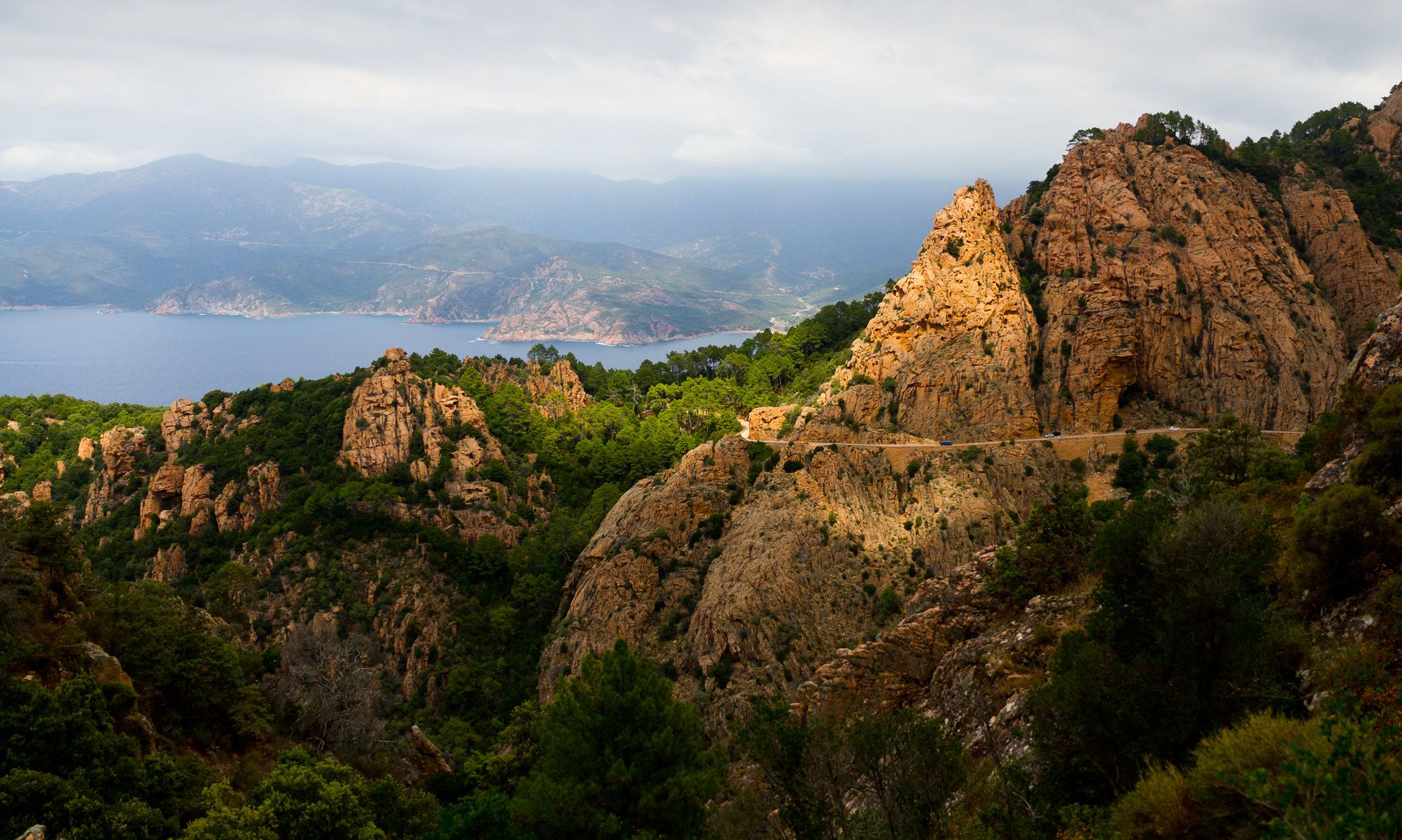
From Cape Corsica to Syracuse — three Mediterranean islands
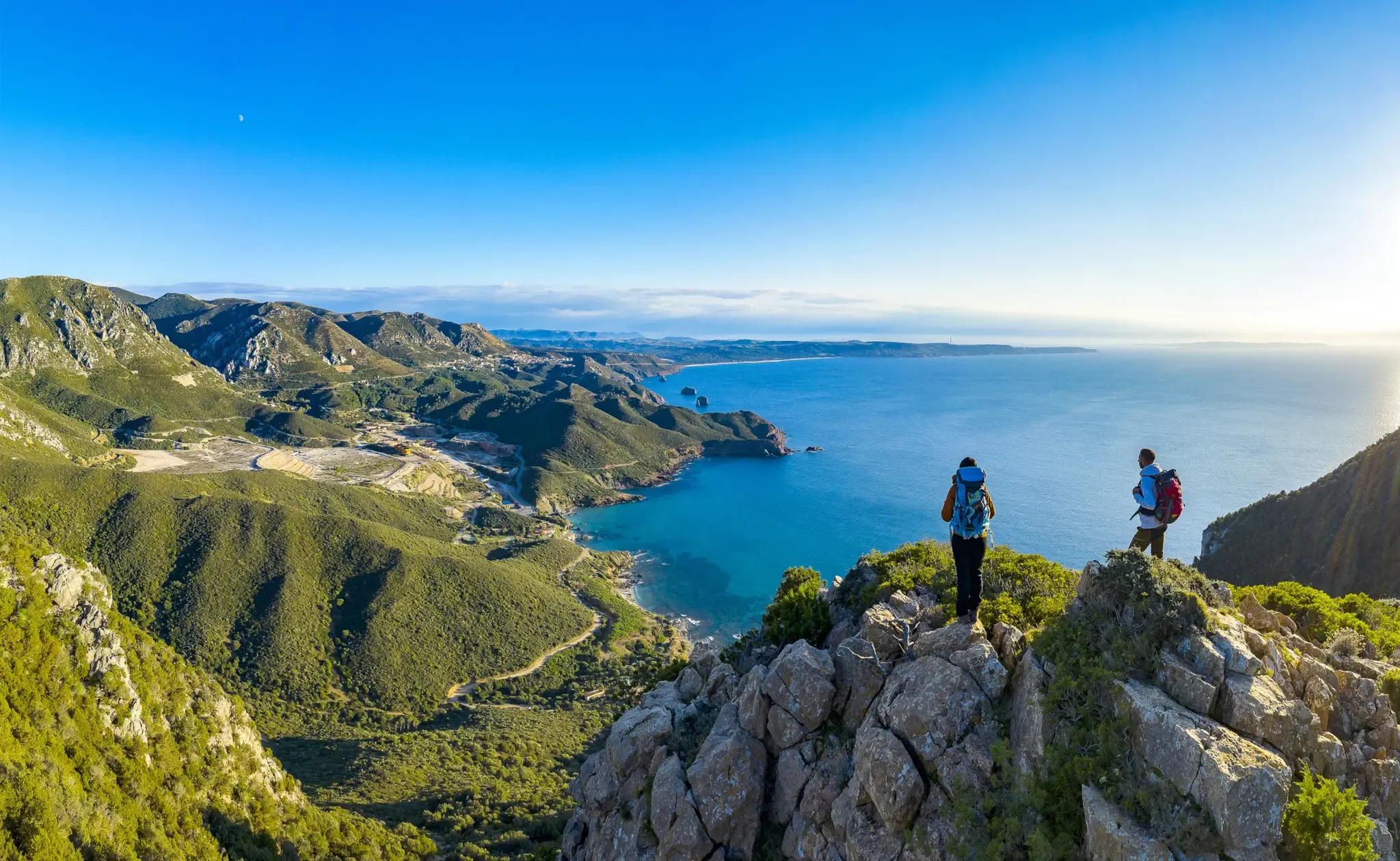
Cammino Minerario di Santa Barbara – memories of ancient Sardinia
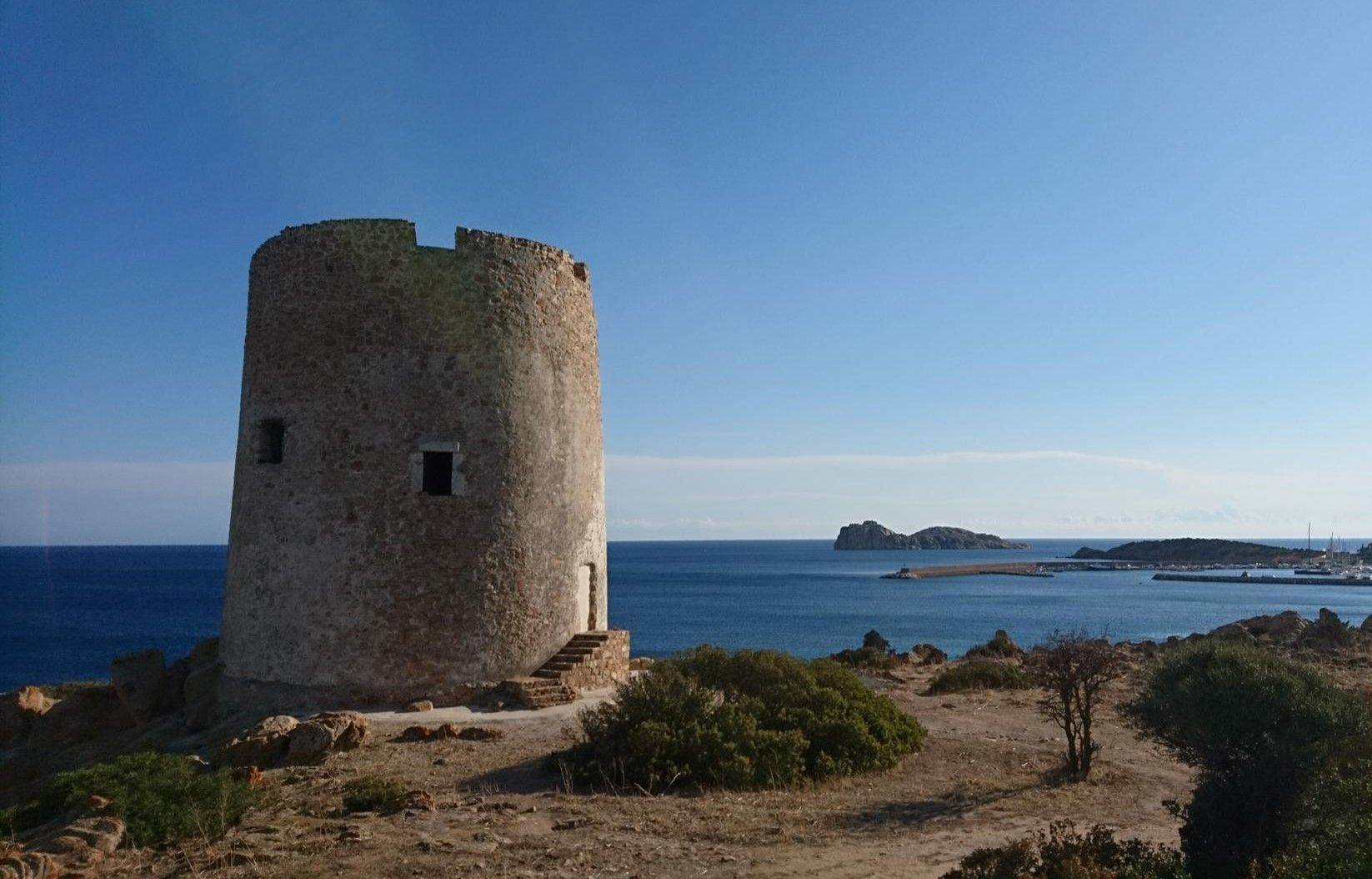
Portoscuso to Cagliari on the Via del Martirio – Cammino 100 Torri

Traffic-free bike rides around Santu Antiogu/Sant'Antioco

Traffic-free bike rides around Santu Antiogu/Sant'Antioco
Other adventures around Santu Antiogu/Sant'Antioco


Tips from the Community

The crossing takes 35 minutes.
5
0
There are many interpretations of the name. Some trace its origin to the Campidanese-Sardinian contraction of Cala de Seda, or Cal'e Seda, or also Cala Seda, or Cal'e Sera, or "silk cove". In fact, in the Campidanese-Sardinian language, seda or sera means "silk", because the sea of the Sulcis archipelago was apparently rich in particular mollusks from which "sea silk" was obtained, that is, a type of "natural sea silk" obtained from the threads secreted by a species of marine bivalve mollusk endemic to the Mediterranean (Pinna nobilis), commonly known as "castanets" or "feather mice" (Pinnae margaritiferae). The threads obtained from their interior were used for weaving byssus.
5
0

The Basilica of Sant'Antioco Martire, in the historic center of the island of the same name, is one of the oldest places of worship in Sardinia. Built between the 4th and 7th centuries over a Punic necropolis, it houses the relics of Sardinia's patron saint, a physician originally from Mauretania. The building, enlarged by the monks of Saint Victor of Marseille and remodeled in the Baroque period, preserves a complex complex of early Christian catacombs beneath the altar, which are still open to visitors.
1
0

You can get there via a short dirt road and then continue on foot for 5 minutes.
0
0


Small sandy beach, unfortunately directly on the road and with a bar
0
0
Beautiful sandy beach with wonderful blue sea
1
0

Dreamy bay, popular with water sports enthusiasts and a lively little beach bar.
0
0
Frequently Asked Questions
How many no traffic touring cycling routes are available in Santu Antiogu/Sant'Antioco?
Santu Antiogu/Sant'Antioco offers a good selection of no traffic touring cycling routes, with over 30 options available. These routes cater to various skill levels, ensuring there's something for everyone looking for a peaceful ride.
What is the best time of year for no traffic touring cycling in Santu Antiogu/Sant'Antioco?
The island's mild Mediterranean climate makes it suitable for cycling for much of the year. Spring (April-May) and Autumn (September-October) are ideal, offering pleasant temperatures, less crowded roads, and vibrant natural scenery. Even winter can be enjoyable for cycling, with fewer tourists and cooler weather, though some services might be limited.
What do other touring cyclists enjoy most about no traffic routes in Santu Antiogu/Sant'Antioco?
The area is highly rated by the komoot community, with an average score of 4.5 stars from over 270 ratings. Reviewers often praise the island's tranquil rhythm, quiet roads with minimal traffic, and the diverse landscapes that combine sport, culture, and nature. The well-developed network of marked and equipped routes, part of the 'Sant'Antioco Bike Island' project, is also frequently highlighted.
Are there easy no traffic touring cycling routes suitable for beginners in Santu Antiogu/Sant'Antioco?
Yes, there are several easy no traffic touring cycling routes perfect for beginners or those seeking a relaxed ride. The approximately 15 km cycle path connecting Carbonia to Sant'Antioco, built on an old railway track, is particularly flat and suitable for various bicycle types. Overall, there are 4 easy routes to choose from.
Are there more challenging no traffic touring cycling routes for experienced riders?
Absolutely. For experienced riders looking for a challenge, Santu Antiogu/Sant'Antioco offers 9 difficult no traffic touring cycling routes. These often involve more significant elevation changes and cover longer distances, such as the Cannai Tower – Coaquaddus Beach loop from Sa Ruscitta, which features over 450 meters of elevation gain over nearly 40 km.
Are there circular no traffic touring cycling routes on Sant'Antioco?
Yes, many of the no traffic touring cycling routes on Sant'Antioco are circular, allowing you to start and end at the same point. Examples include the Cliffs of Calasetta – Calasetta Old Town and Cliffs loop from Spiaggia di Cala Sapone, which offers a diverse experience of coastal views and historical towns.
What kind of landscapes and scenic viewpoints can I expect on these no traffic routes?
The no traffic routes in Santu Antiogu/Sant'Antioco offer a rich variety of landscapes. You'll encounter dramatic rocky cliffs, wild beaches like Cala Lunga and Coaquaddus, shimmering lagoons and salt flats (home to flamingos), and hills covered with fragrant Mediterranean scrub. Scenic viewpoints include Capo Sperone, the island's southernmost point, and natural formations like the Arch of Kisses and the Grotta delle Sirene.
Are the no traffic touring cycling routes in Santu Antiogu/Sant'Antioco suitable for families?
Yes, many routes are suitable for families, especially those seeking a relaxed pace. The flat cycle path between Carbonia and Sant'Antioco is a great option. Additionally, beaches like Maladroxia are family-friendly, and the quiet nature of many roads makes for a safer and more enjoyable experience for all ages. Always check the route's difficulty and distance before heading out with children.
What historical and archaeological sites can I explore along the no traffic cycling routes?
Santu Antiogu is an 'open-air museum' with a rich history. Along the routes, you can discover Phoenician and Punic archaeological sites such as the Sulci Punic Necropolis, the Ferruccio Barrecca Archaeological Museum, and the Bronze Age monument Tomb of the Giants su Niu 'e su Crobu. The Grutt'i Acqua Nuragic Sacred Pond is another significant historical highlight.
Are there opportunities for birdwatching along the no traffic touring cycling routes?
Yes, the Sant'Antioco salt flats and lagoons, such as the Santa Caterina Lagoon, are vital habitats for diverse bird species. Cyclists can often spot flamingos, herons, and terns, making these areas excellent for birdwatching, especially during migration seasons. The shimmering waters also provide a beautiful backdrop for your ride.
Can I access the no traffic cycling routes using public transport?
While specific public transport connections directly to every trailhead might vary, the island's main towns are generally well-connected. The 15 km cycle path connecting Carbonia to Sant'Antioco is a key route, and Carbonia itself is a transport hub. It's advisable to check local bus schedules for connections to starting points, especially if you're not bringing your own vehicle.
Where can I find parking for these no traffic touring cycling routes?
Parking is generally available in the main towns like Sant'Antioco and Calasetta, which often serve as starting points for many routes. For routes that begin from more secluded areas, look for designated parking spots near popular beaches or attractions. Always ensure you park responsibly and respect local regulations.
Most popular routes around Santu Antiogu/Sant'Antioco
Most popular attractions around Santu Antiogu/Sant'Antioco

Get inspired with the komoot mobile app


Explore more
Browse the best Cycling routes in other regions.
