The best traffic-free bike rides around Ratschings - Racines
4.7
(184)
3,767
riders
35
rides
No traffic touring cycling routes around Ratschings - Racines traverse three peaceful valleys: Val Racines, Val Ridanna, and Val Giovo, set against an Alpine backdrop. The region features dense forests, expansive meadows, and mountain rivers, with elevations ranging from valley floors to high mountain passes. Natural attractions include the Gilfenklamm gorge, where wild waters carve through marble, and numerous mountain pastures. This diverse landscape provides varied terrain for cycling, from valley paths to challenging alpine ascents.
Best no traffic touring…
Last updated: June 30, 2026
4.8
(11)
116
riders
Hard bike ride. Very good fitness required. Mostly paved surfaces. Suitable for all skill levels.
4.8
(10)
93
riders
29.5km
03:12
1,030m
1,030m
Hard bike ride. Very good fitness required. Mostly paved surfaces. Suitable for all skill levels.

Sign up for free
4.6
(5)
81
riders
22.7km
02:30
860m
860m
Hard bike ride. Very good fitness required. Mostly paved surfaces. Suitable for all skill levels.
4.3
(10)
68
riders
15.0km
01:23
460m
460m
Hard bike ride. Very good fitness required. Mostly paved surfaces. Suitable for all skill levels.
4.7
(15)
81
riders
Moderate bike ride. Good fitness required. Mostly paved surfaces. Suitable for all skill levels.
Get access to more routes and recommendations from other explorers.
Sign up for free
Already have an account?
Our route recommendations are based on thousands of hikes, rides, and runs completed by other people on komoot.
Start today with a free account
Your next adventure awaits.
Login or Signup
Popular around Ratschings - Racines
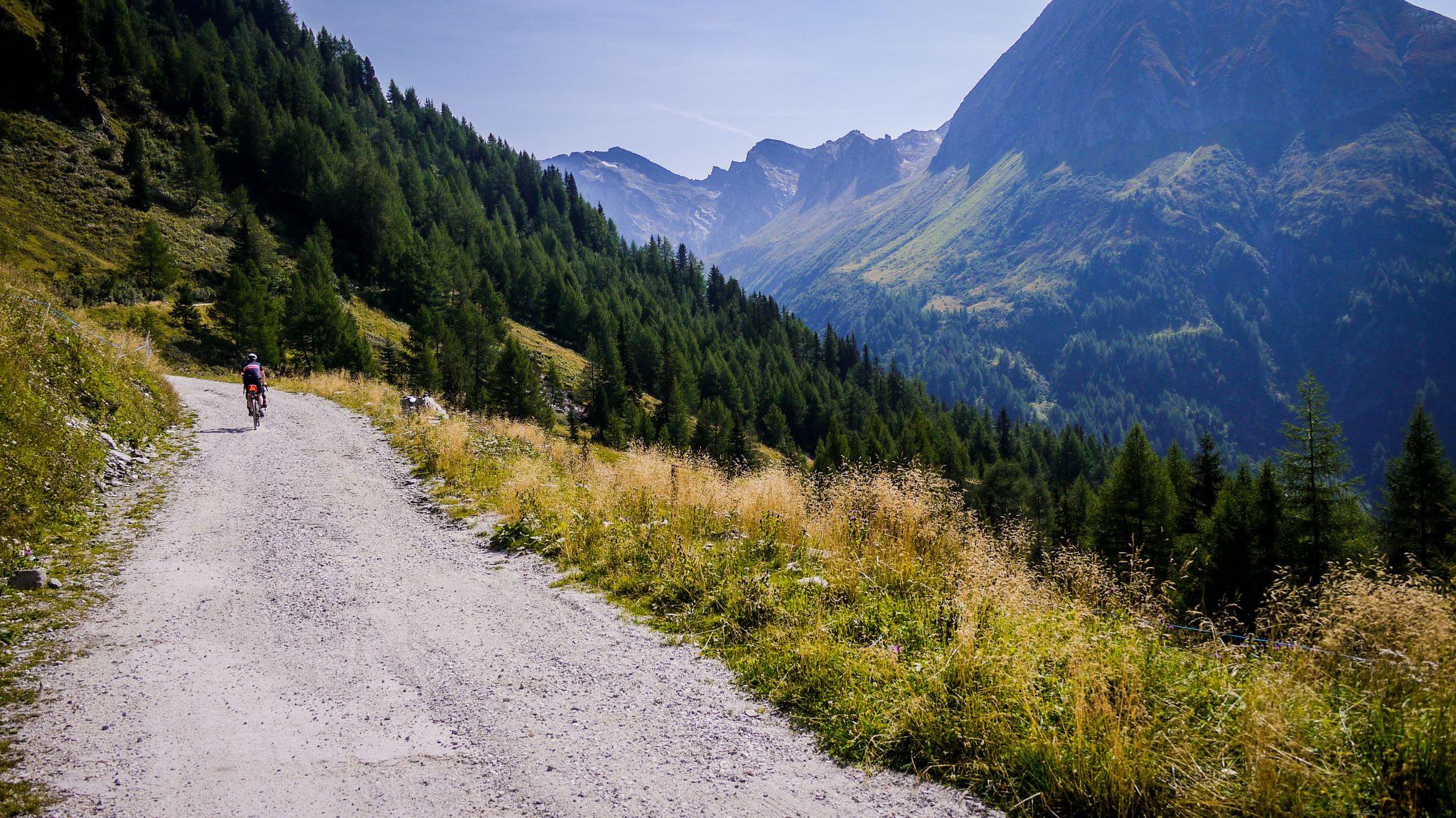
Off-road through South Tyrol – bikepacking between Austria and Italy
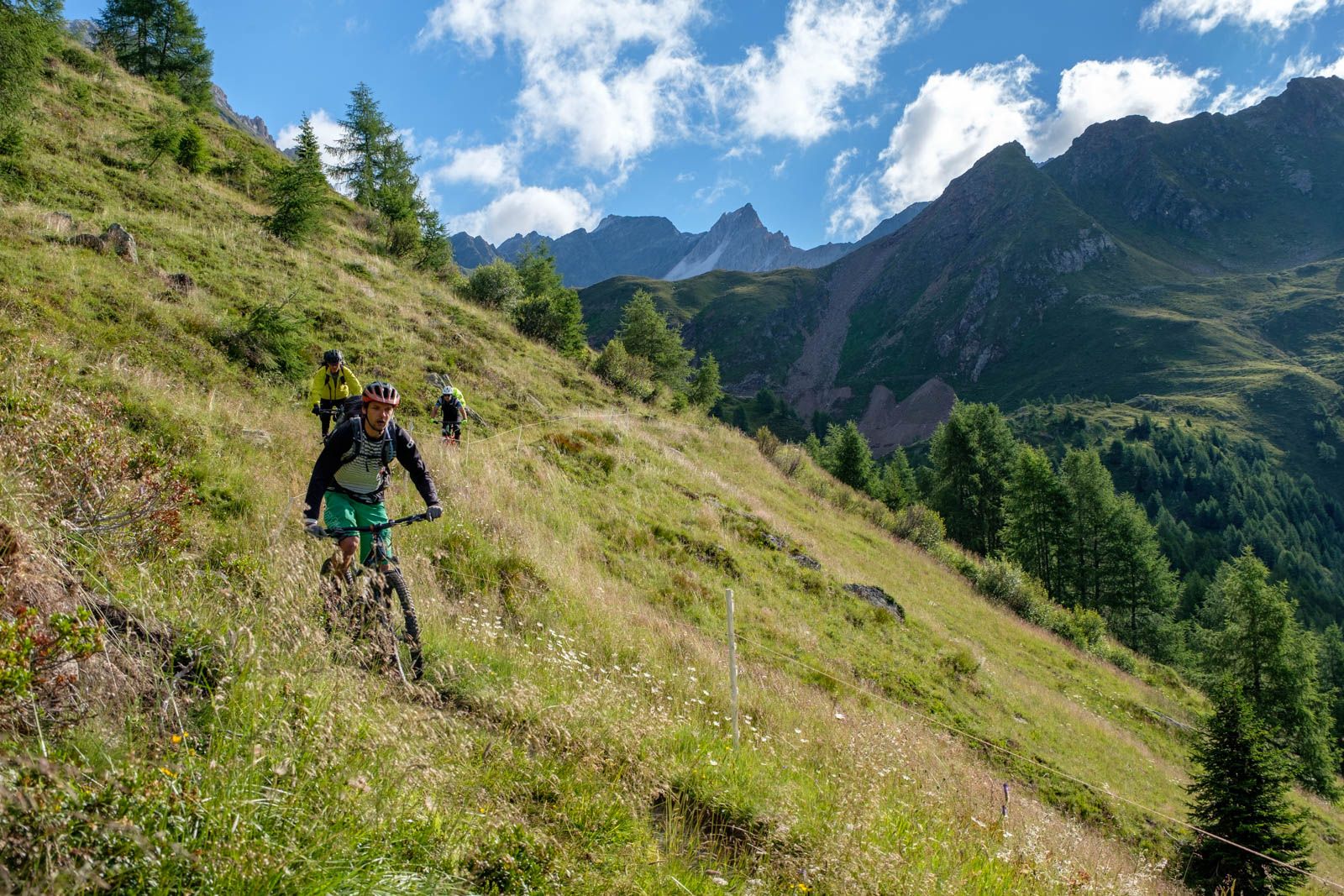
Ötzi Transalp – bikepacking in the Stubai and Ötztal Alps
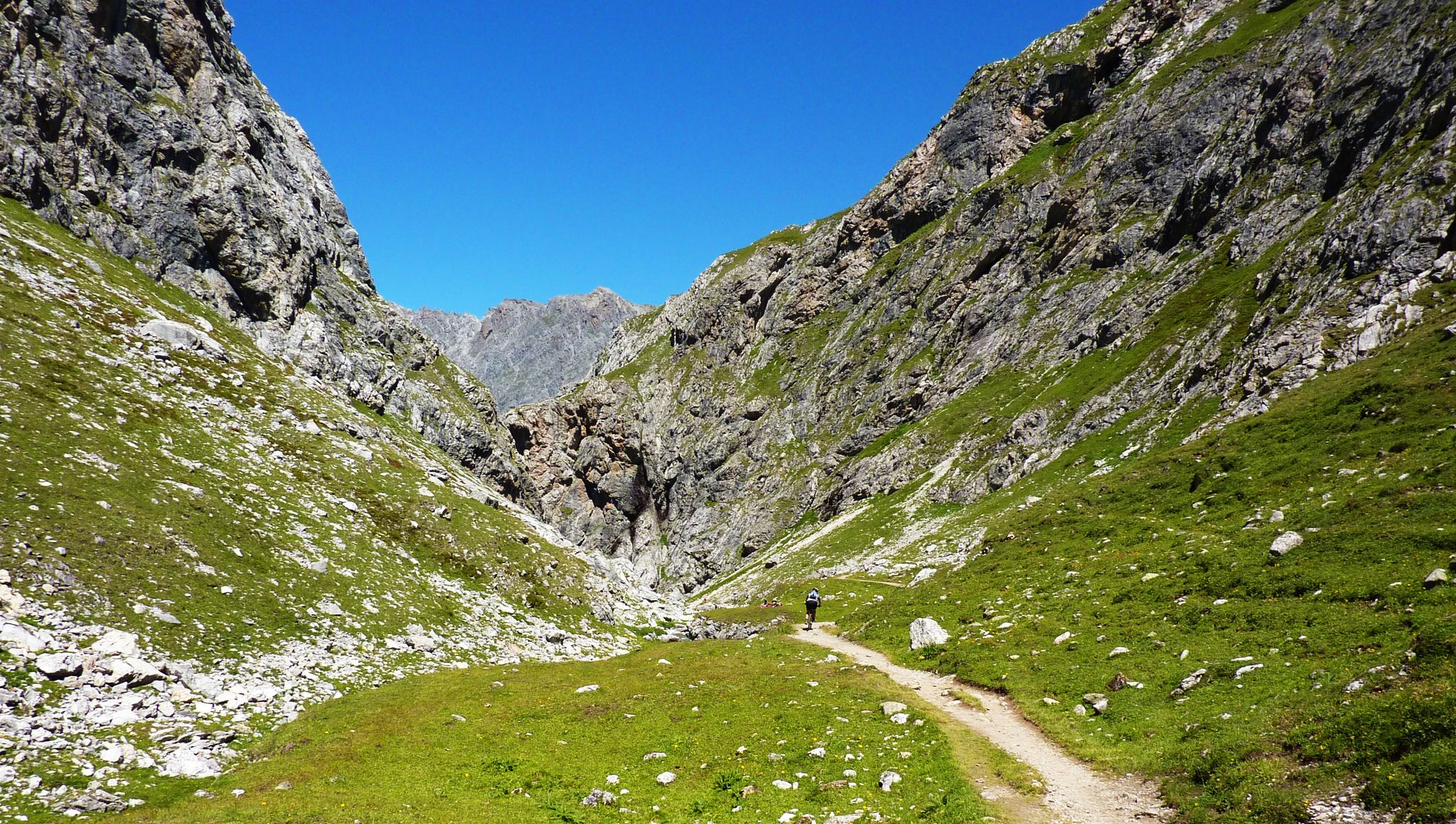
Alpine passes — 10 classics for you and your bike
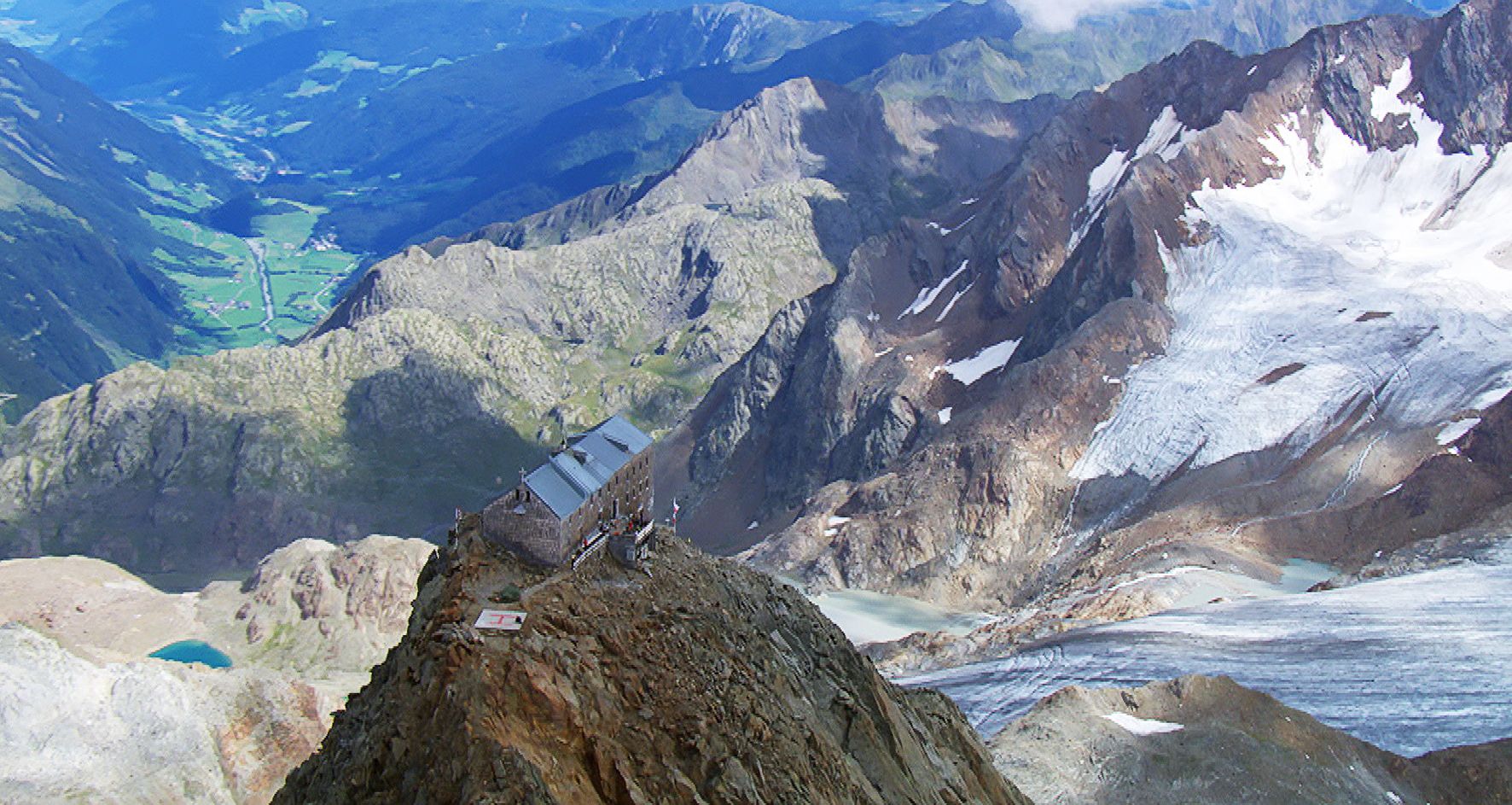
Sleep above 3000 meters
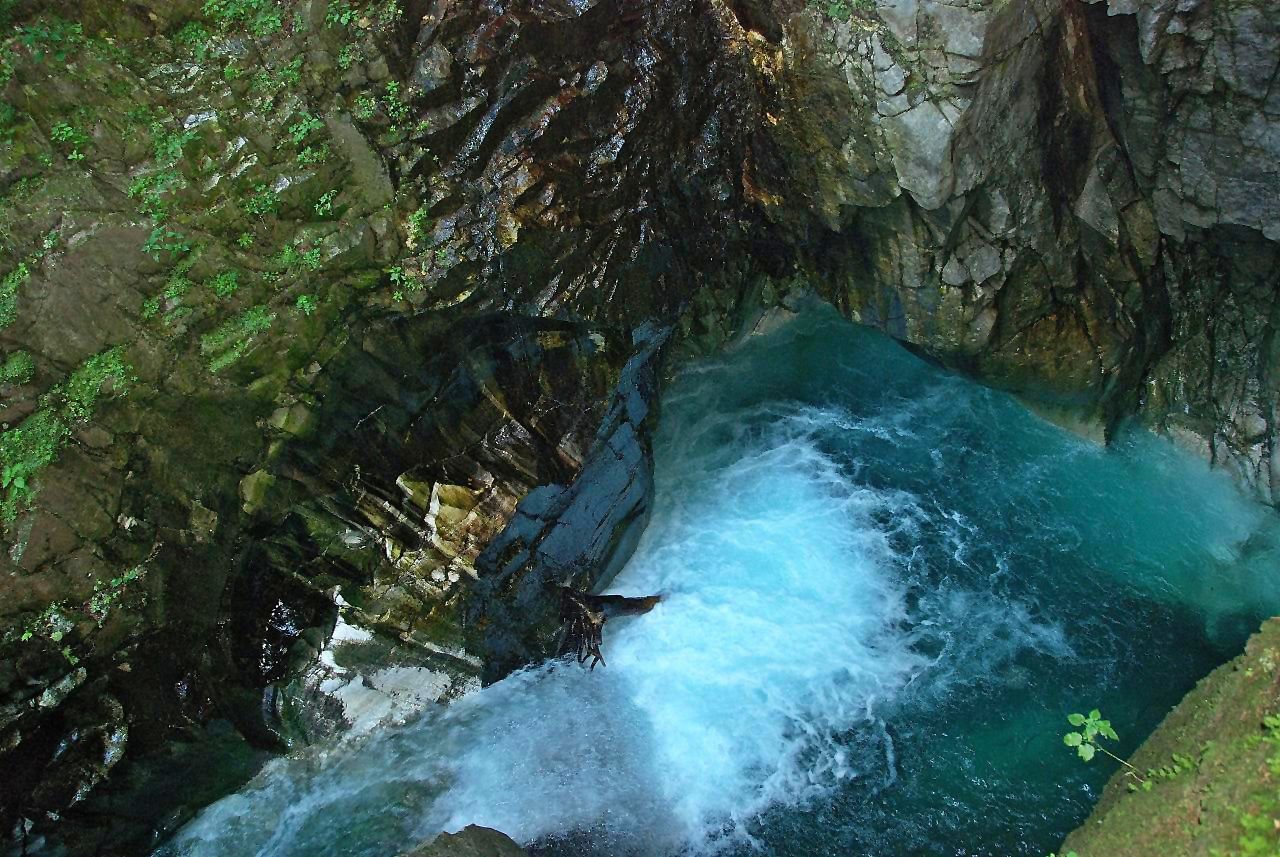
Die schönsten Klammen Tirols
Traffic-free bike rides around Ratschings - Racines
Traffic-free bike rides around Ratschings - Racines
Other adventures around Ratschings - Racines


Tips from the Community


From here you have a beautiful view of the Ridnaun Valley.
2
0
Opening hours, admission prices and further information about the Mining Museum can be found here: https://www.bergbaumuseum.it/de/ridnaun/preise-oeffnungszeiten-1009.html#content
2
0

Martalm mountain hut
0
0

Profile of what was once the world's largest surface ore conveyor system on rails on the Schneeberg. The system was built in the 1870s by the Imperial and Royal Mining Administration and served to transport silver, lead, and zinc ore from the mines on the Schneeberg to the train station in Sterzing. The total length was 27.249 km, with an elevation difference of approximately 1,900 m to overcome. This required the construction of two "water barrel elevators" and six "brake hills" on which the ore was pulled up over the steepest slopes and braked down. Transport only worked with a counterweight, with the elevators using water barrels, while the brake hills were used to load counter-cargo, primarily food or other consumables needed on the Schneeberg. "Flat roller tracks" led from one brake hill to the next. These are almost level tracks on which horses pulled the ore wagons. Massive ore boxes were built at ingenious locations along the line for temporary storage of the ore. This meant that only parts of the entire transport system could be operated, depending on the season. The abandoned system today represents a unique monument and is still clearly visible from Seemoos to Mareit. Before the construction of the described system, ore was transported for centuries by pack animals and wagons, later by cable cars and trucks. The entire surface conveyor system was constructed in impressive dry-stone masonry and was in operation until around 1925. Only the Seemoos water barrel elevator remained in operation until 1967.
0
0
Profile of what was once the world's largest surface ore conveyor system on rails on the Schneeberg. The system was built in the 1870s by the Imperial and Royal Mining Administration and served to transport silver, lead, and zinc ore from the mines on the Schneeberg to the train station in Sterzing. The total length was 27.249 km, with an elevation difference of approximately 1,900 m to overcome. This required the construction of two "water barrel elevators" and six "brake hills" on which the ore was pulled up over the steepest slopes and braked down. Transport only worked with a counterweight, with the elevators using water barrels, while the brake hills were used to load counter-cargo, primarily food or other consumables needed on the Schneeberg. "Flat roller tracks" led from one brake hill to the next. These are almost level tracks on which horses pulled the ore wagons. Massive ore boxes were built at ingenious locations along the line for temporary storage of the ore. This meant that only parts of the entire transport system could be operated, depending on the season. The abandoned system today represents a unique monument and is still clearly visible from Seemoos to Mareit. Before the construction of the described system, ore was transported for centuries by pack animals and wagons, later by cable cars and trucks. The entire surface conveyor system was constructed in impressive dry-stone masonry and was in operation until around 1925. Only the Seemoos water barrel elevator remained in operation until 1967.
0
0
The Moarerbergalm, at 2,113 meters, is one of the largest alpine farms in Vipiteno-Ratschings. The alpine pasture produces grey cheese and butter, as well as various other dairy products such as yogurt, cream cheese, and buttermilk. The pasture was named "South Tyrol's Most Popular Alpine Hut" in 2021.
0
0

Great views. Interesting for mountain bikers, due to the access and descent, highly recommended.
1
0
Frequently Asked Questions
How many no-traffic touring cycling routes are available in Ratschings - Racines?
There are nearly 30 dedicated no-traffic touring cycling routes around Ratschings - Racines, offering a variety of experiences from easy to difficult. This includes 4 easy, 8 moderate, and 15 difficult routes, ensuring options for different skill levels.
What kind of terrain and elevation can I expect on these routes?
The routes in Ratschings - Racines feature diverse Alpine terrain, ranging from peaceful valley paths to challenging climbs. You'll encounter dense forests, expansive meadows, and majestic glaciers. While many routes are designed to be low-traffic, some, like the View of Telfes – View of Jaufen Pass loop, include significant elevation gains, reflecting the region's mountainous character.
Are there any circular no-traffic touring cycling routes?
Yes, many of the no-traffic touring cycling routes in Ratschings - Racines are circular, allowing you to start and end at the same point. An example is the Moarerberghütte – Hotel Sonklarhof loop from Ridnaun - Ridanna, which offers a scenic return to your starting location.
What natural features or landmarks can I see along the routes?
Ratschings - Racines is rich in natural beauty. Along the routes, you can discover rushing mountain rivers, tranquil lakes, and impressive waterfalls. Notable natural attractions include the dramatic Gilfenklamm Trail, where wild waters carve through marble, and the scenic View of the Grawa Waterfall. The region also offers stunning views of the Jaufen Pass.
What do other touring cyclists enjoy most about cycling in Ratschings - Racines?
The komoot community highly rates the touring cycling experience in Ratschings - Racines, with an average score of 4.6 out of 5 stars from over 180 reviews. Cyclists frequently praise the region's commitment to gentle mobility, the serene environment, and the well-maintained paths that allow for peaceful rides away from traffic. The stunning Alpine scenery and the abundance of mountain huts serving local specialties are also often highlighted.
Are there family-friendly no-traffic cycling options?
Yes, Ratschings - Racines offers several family-friendly cycling routes, particularly those along the valley floors or old railway lines, which tend to be flatter and have minimal traffic. The Brenner-Bolzano Bicycle route, for instance, offers 100 kilometers of panoramic paths along an old railway line, passing through charming towns and is suitable for families. For specific easy routes, you can explore the 4 easy-rated tours available.
Can I bring my dog on these no-traffic cycling routes?
Many of the no-traffic touring cycling routes in Ratschings - Racines are suitable for cycling with dogs, especially those on wider paths or less technical terrain. However, it's always advisable to check local regulations for specific trails and ensure your dog is well-behaved and on a leash where required. Remember to carry water for your pet, especially on longer rides.
Where can I find places to eat or stay along the routes?
The Ratschings - Racines region is well-equipped for cyclists. Along the trails, you'll find approximately 60 mountain huts (Almen) serving local South Tyrolean specialties like dumplings and Kaiserschmarrn. Many accommodations in the area also cater specifically to cyclists, offering amenities such as lockable bicycle compartments, repair tools, and bike rentals. Towns like Sterzing/Vipiteno, Brixen, and Bolzano, easily reachable from Ratschings, also offer a variety of culinary options.
What is the best time of year for no-traffic touring cycling in Ratschings - Racines?
The best time for touring cycling in Ratschings - Racines is typically from late spring to early autumn (May to October). During these months, the weather is generally pleasant, and the mountain passes are clear of snow. The region's commitment to a peaceful environment makes it enjoyable throughout the warmer seasons, with lush meadows in summer and vibrant foliage in autumn.
Are there any hidden gems or less-known routes without traffic?
While many routes are popular, the extensive network in Ratschings - Racines means there are always quieter paths to discover. Exploring the three peaceful valleys—Val Racines, Val Ridanna, and Val Giovo—can lead to less-trafficked routes. For a challenging yet rewarding experience away from crowds, consider the Martalm – Gewingesalm (2,054 m) loop from Ridnaun - Ridanna, which takes you to higher alpine pastures.
Is public transport available to access these routes, and what about parking?
Ratschings - Racines is designated as an "Alpine Pearl," emphasizing gentle mobility. This means there are good public transport connections, making it possible to reach many starting points without a car. For those driving, parking is generally available at trailheads or in nearby villages. Many accommodations also offer dedicated parking for guests, including secure bike storage.
Most popular routes around Ratschings - Racines
Most popular attractions around Ratschings - Racines

Get inspired with the komoot mobile app


Explore more
Browse the best Cycling routes in other regions.
