The best traffic-free bike rides around Città Di Castello
4.5
(114)
4,940
riders
22
rides
Road cycling around Città Di Castello offers a diverse landscape for no traffic road cycling routes, situated in the Upper Tiber Valley at the border of Umbria and Tuscany. The region is characterized by gentle green hills, cultivated countryside, and the winding Tiber River, providing varied terrain for cyclists. Apennine hills to the east introduce more challenging climbs and varied elevations, while the valley floor offers flatter sections. This blend of river valleys and rolling hills creates a network of roads suitable for different cycling preferences.
Best no traffic road cycling routes around Città Di Castello
- The most popular no traffic road cycling route is Monte Santa Maria Tiberina Loop from Città di Castello, a 25.8 miles (41.5 km) trail that takes 2 hours 2 minutes to complete. This moderate route offers panoramic views and varied terrain through the Umbrian countryside.
- Another top favourite among local road cyclists is Coloti Village and Observatory – Città di Castello loop from Città di Castello-Fornace, a moderate 30.1 miles (48.4 km) path. This route features significant elevation gain, leading through rural landscapes and offering views of the observatory.
- Local road cyclists also love the Colle Plinio – Città di Castello loop from Città di Castello-Fornace, a 21.1 miles (33.9 km) trail leading through the historic Colle Plinio area, often completed in about 1 hour 41 minutes.
- Road cycling around Città Di Castello is defined by the Upper Tiber Valley, rolling Apennine hills, and cultivated fields, with options ranging from easy riverside paths to more challenging ascents. The network offers routes for various ability levels, from beginner to advanced.
- The routes in Città Di Castello are highly rated by the komoot community with an average score of 4.6 stars from more than 80 reviews. More than 3,900 road cyclists have used komoot to explore Città Di Castello's varied terrain.
Last updated: June 30, 2026
5.0
(3)
96
riders
41.5km
02:02
530m
530m
Embark on a racebike adventure through the Umbrian landscape with the Monte Santa Maria Tiberina Loop. This moderate route spans 25.8 miles (41.5 km) and features a total elevation gain of 1738 feet (530 metres), taking about 2 hours and 1 minute to complete. You will cycle from the flat sections of the Tiber Valley, gradually climbing towards charming hilltop towns, with the medieval village of Monte Santa Maria Tiberina offering incredible panoramic views.
This road cycling loop is best suited for riders with good fitness levels, given its varied terrain and climbs. The route begins in Città di Castello, where you can easily find general parking for cyclists. The roads along the way are mostly well-maintained, ensuring a smooth and enjoyable ride as you explore the region.
The trail stands out for its blend of scenic beauty and cultural immersion, connecting the fertile Tiber Valley with historic settlements. You will experience the unique character of Umbria's back roads, culminating in the picturesque Monte Santa Maria Tiberina. This town provides a perfect stop to appreciate the rich history and expansive vistas of the surrounding countryside.
5.0
(1)
67
riders
Moderate road ride. Good fitness required. Some segments of this route may be unpaved and difficult to ride.

Sign up for free
36
riders
Hard road ride. Very good fitness required. Some segments of this route may be unpaved and difficult to ride.
19
riders
89.9km
04:37
1,560m
1,560m
Hard road ride. Very good fitness required. Mostly well-paved surfaces and easy to ride.
23
riders
33.1km
01:24
190m
190m
Easy road ride. Great for any fitness level. Mostly well-paved surfaces and easy to ride.
Get access to more routes and recommendations from other explorers.
Sign up for free
Already have an account?
Our route recommendations are based on thousands of hikes, rides, and runs completed by other people on komoot.
Start today with a free account
Your next adventure awaits.
Login or Signup
Popular around Città Di Castello
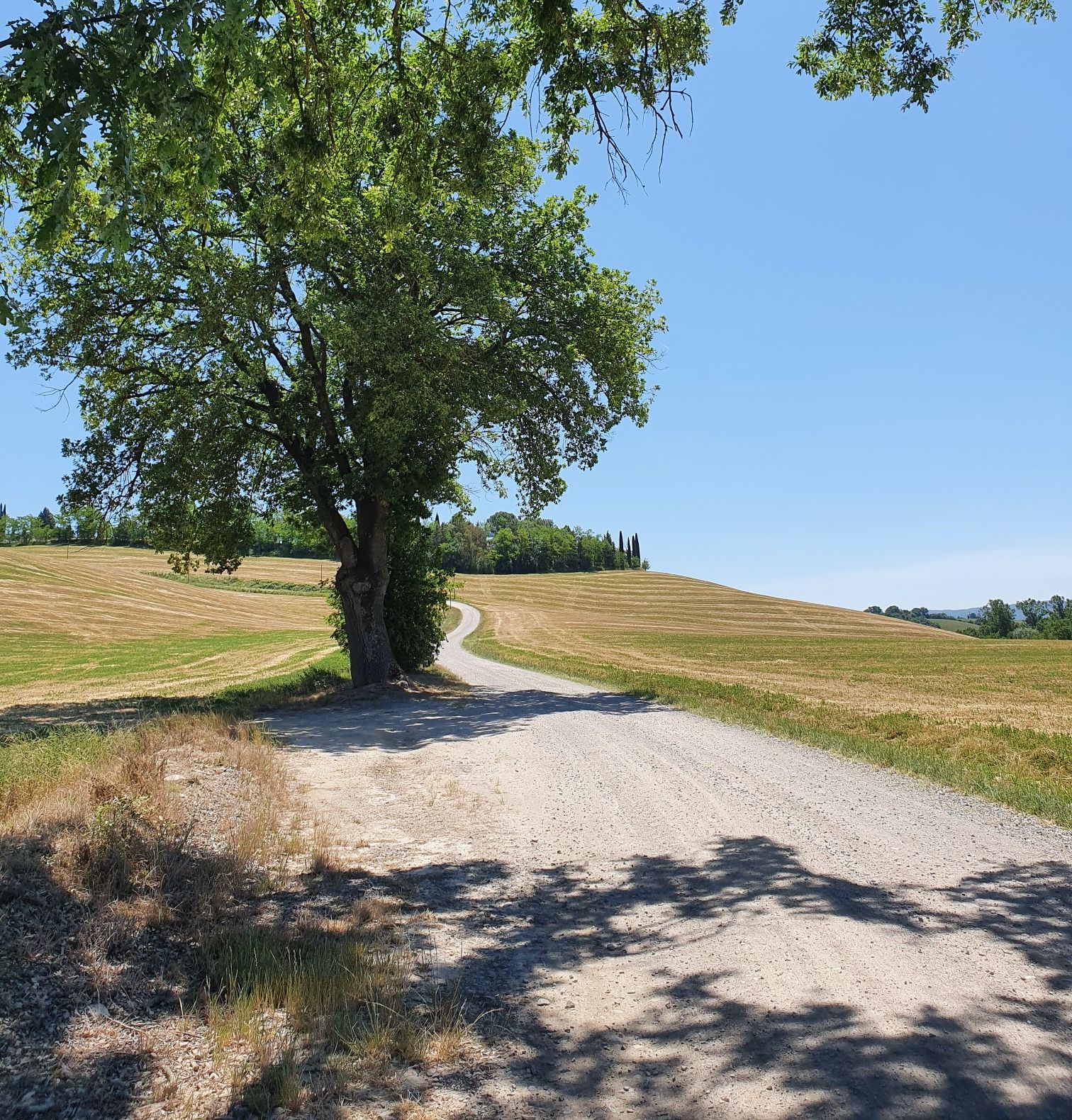
Ciclovia dei due mari - By bike from the Tyrrhenian Sea to the Adria
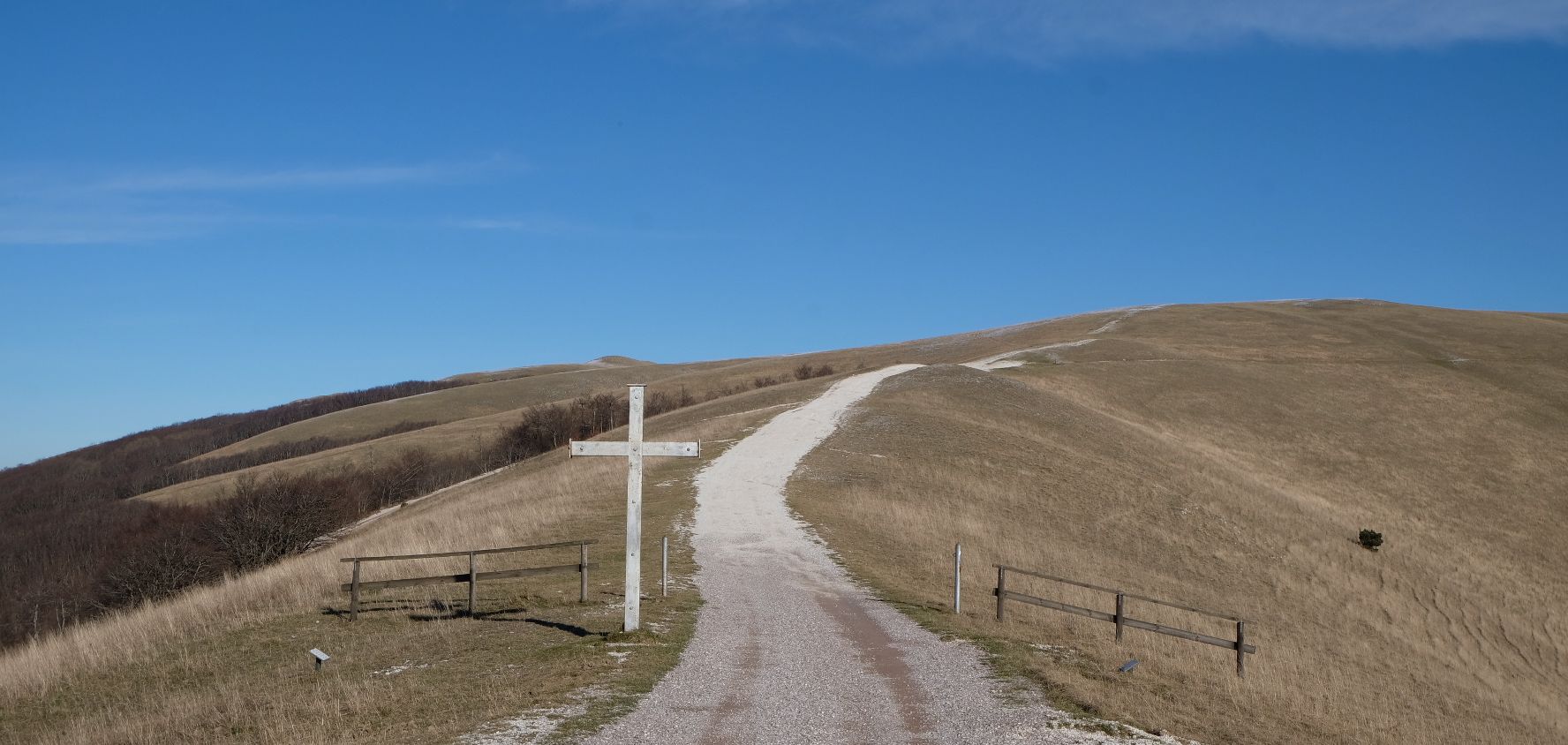
In the footsteps of St. Francis - Cammino di Assisi
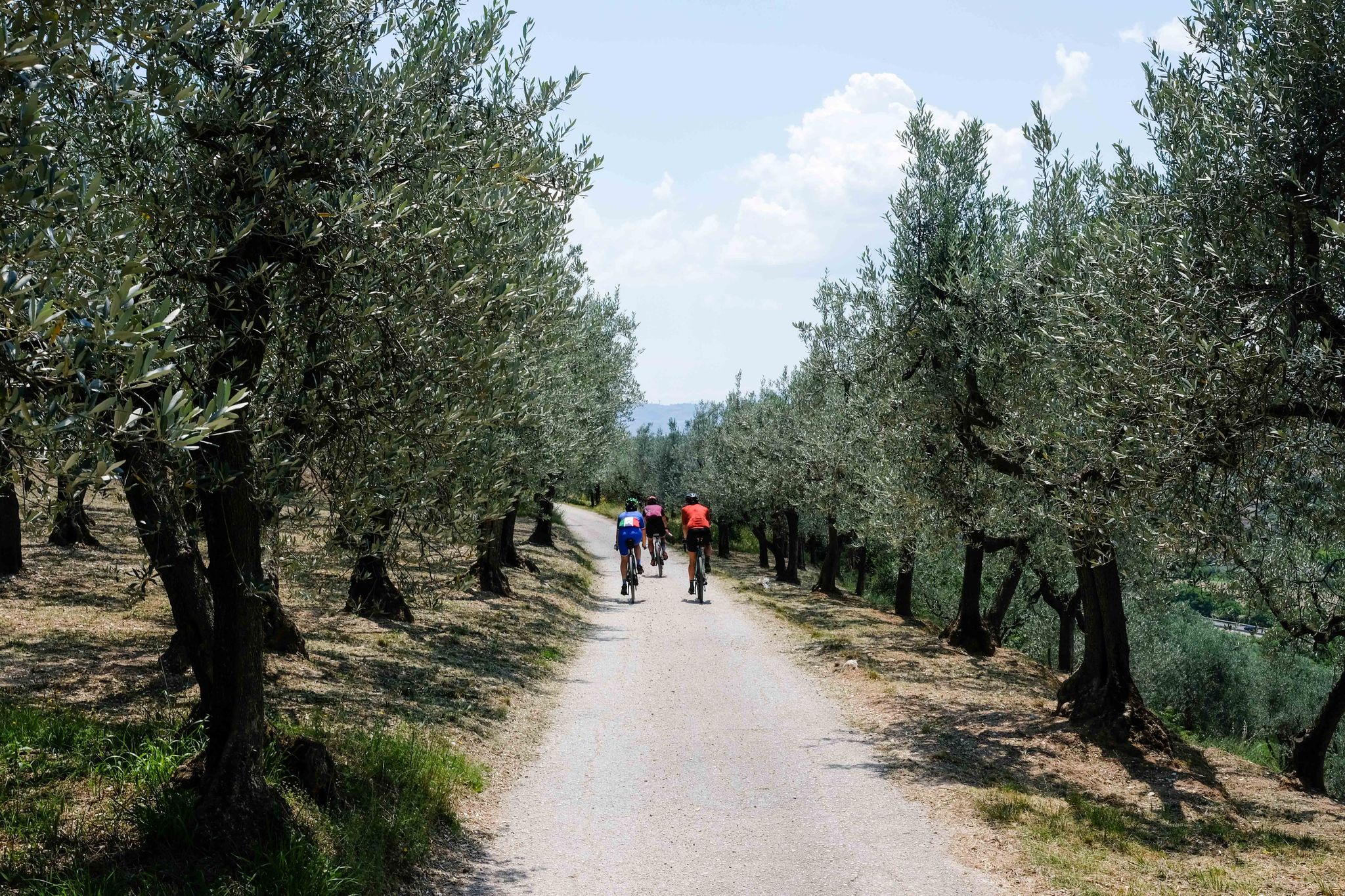
Cycle the St. Francis Way in Italy – Via del Nord
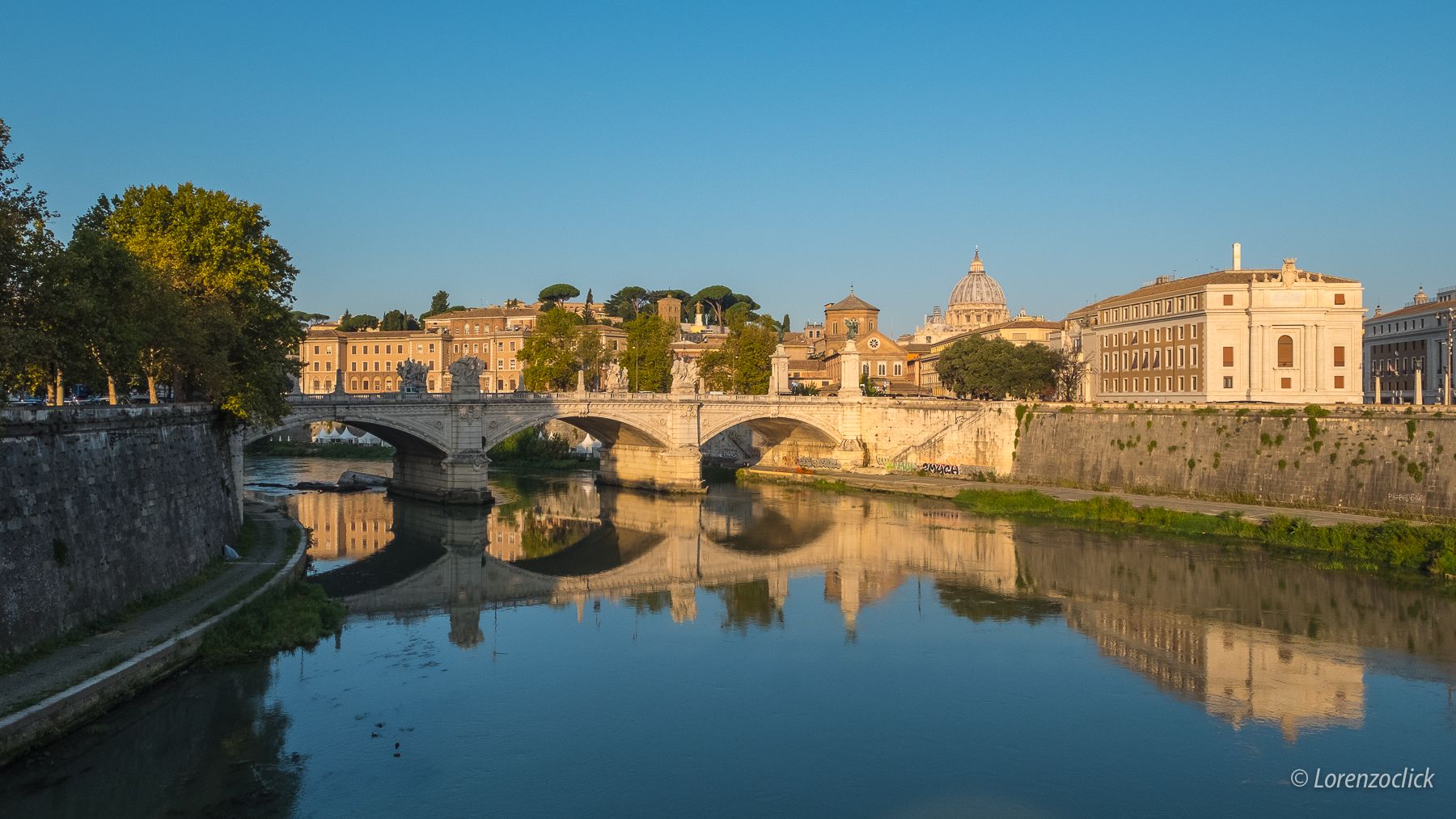
Cycling from the source to the mouth of the Tiber — the Regina Ciclarum
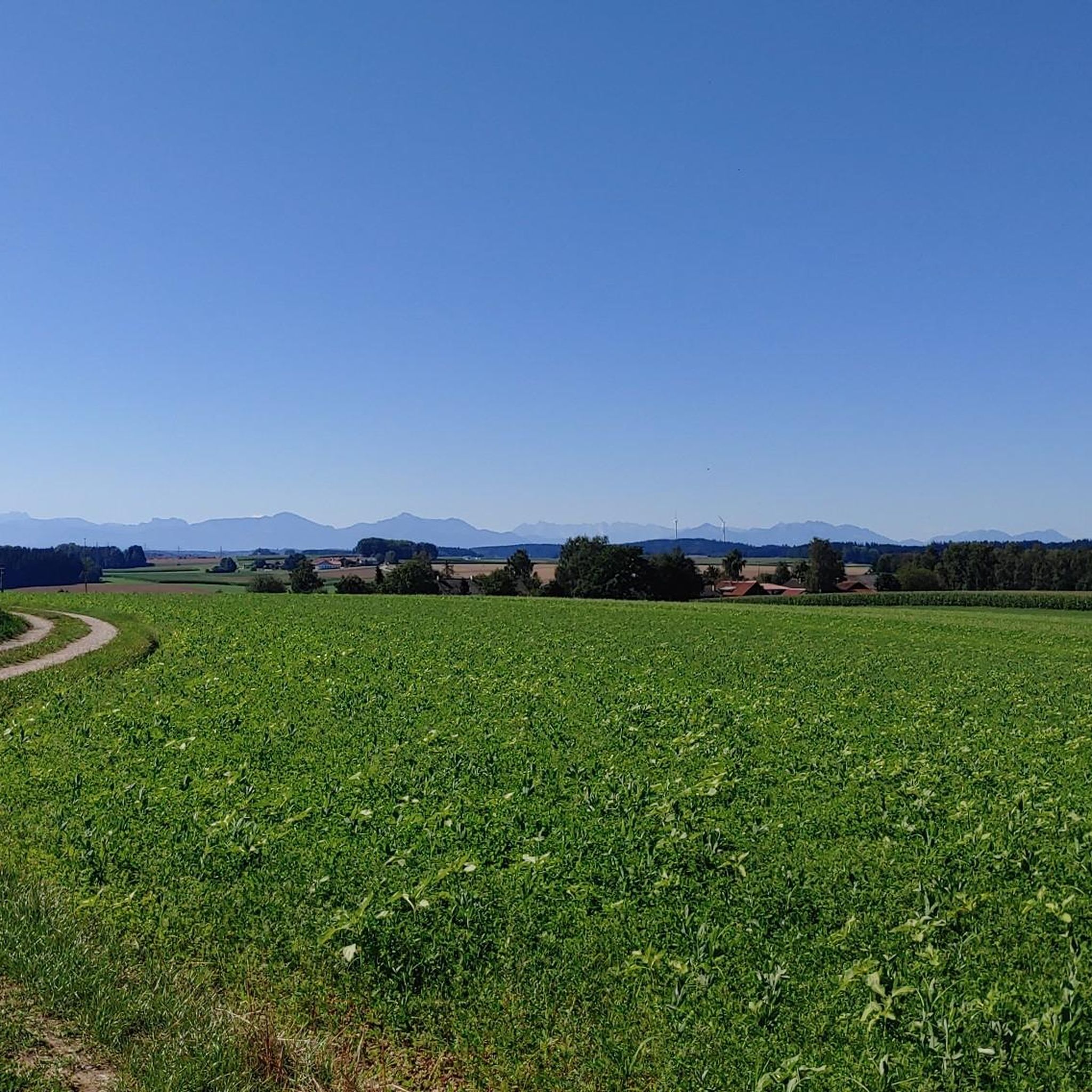
Traffic-free bike rides around Città Di Castello

Traffic-free bike rides around Città Di Castello
Other adventures around Città Di Castello


Tips from the Community

Climb from Palazzo del Pero to Passo della Dogana (towards S. Maria alla Rassinata), about 6 km of climbing with sections at 13%, a piece of about 500-600m is all above 11% with hairpin bends. The road is very quiet because there is little traffic. Views of the Valdichiana from above and of the Val Cerfone. Done on a windy day but the wind could be felt on the plain and then at the top, not on the climb which is more sheltered.
0
0

The guided tour of the Castle is managed by the volunteers "friends of the Castle" very interesting.
1
0
Guided tour with bike parking available
1
0

Rassinata side is cold and damp in off-season. wear warm clothes. Beautiful descent toward Ansina with a lot of curves. Check breaks before descending.
0
0

The Museum of the Madonna del Parto, just outside the walls of the village of Monterchi, is a museum for a single work, the masterpiece by Piero della Francesca, probably created towards the mid-fifteenth century for the small church of Momentana, now a cemetery chapel. It depicts the Virgin in an evident state of pregnancy with her hand on her belly in a very natural gesture that blends with the royalty of the entire composition. The angels open the tent, the tabernaculum, which contains Mary, which in turn is the tabernacle of the body of Christ. The hypothesis that it was painted following the death of the painter's mother, originally from Monterchi, is suggestive but unlikely. The Museum also displays the Madonna del Latte, dating back to the 14th century, which was located under the fresco by Piero della Francesca. After the Council of Trent, the altar of the Madonna del Parto was no longer officiated, probably because the subject was no longer considered decorous, and the masterpiece was thus rediscovered only at the end of the nineteenth century. It was so venerated by the inhabitants of Monterchi that, for fear that someone might take it away, they chased away both the restorer Domenico Fiscali, in charge of restoring it after the 1917 earthquake, and the art historians Ugo Procacci and Mario Salmi, who intended to put it safe from the bombings of the Second World War. In addition to the Madonna del Parto Museum in Monterchi it is also possible to visit the Scale Museum. Open to the public since June 2012 and set up in the rooms of the sixteenth-century Palazzo Massi-Alberti, it was born from the private collection of Velio Ortolani, one of the most important of its kind in Europe. Inside this Museum it is possible to retrace over six centuries of the history of all types of scales, starting from the elegant steelyards and two-arm scales of the 15th century up to more modern instruments, such as laboratory scales and market scales. dating back to the last century.
0
0

Città di Castello has had many names during its existence. It was founded by the Umbrian tribe and then subjugated by the Romans who called it Tifernum Tiberinum. During the Middle Ages it was conquered by the Lombards and they changed its name to Castrum Felicitatis, the camp of happiness. In the 12th century the city was organized as a municipality and shortly afterwards took the name of Civitas Castelli which then became the current Città di Castello. Don't miss the main square with the town hall and the cathedral with its characteristic cylindrical bell tower. Città di Castello is also the birthplace of the artist Alberto Burri to whom a museum has been dedicated in the building of a former tobacconist.
3
0

In Città di Castello, if you need help with your bike. They can help you.
3
0
Arriving in Città di Castello you come across this small oasis of peace and greenery, populated by many birds. You can stop and eat
2
0
Frequently Asked Questions
How many no-traffic road cycling routes are available around Città di Castello?
There are 16 dedicated no-traffic road cycling routes around Città di Castello, offering a variety of experiences for all skill levels. These routes are highly rated by the komoot community, with an average score of 4.6 stars from 83 reviews.
Are there any easy, traffic-free road cycling routes suitable for beginners or families?
Yes, Città di Castello offers several easy, traffic-free road cycling routes. For instance, the Colle Plinio – Città di Castello loop from Città di Castello-Fornace is an excellent option. This route covers approximately 34 km with a modest elevation gain, making it ideal for a relaxed ride through the scenic countryside. The region's focus on secondary roads and dedicated cycle paths along the Tiber River ensures a tranquil experience.
What kind of landscapes can I expect on these no-traffic routes?
The no-traffic road cycling routes around Città di Castello traverse a diverse range of landscapes. You'll experience the gentle green hills and intensely cultivated countryside of the Upper Tiber Valley, often following the banks of the Tiber River. Some routes also venture into the Apennine hills, offering more challenging climbs and panoramic views. The area is known for its picturesque countryside, rural landscapes, and charming woods.
Are there any challenging no-traffic road cycling routes for experienced cyclists?
Absolutely. For experienced cyclists seeking a challenge, routes like the Madonna del Latte Shrine – Città di Castello loop from Città di Castello-Fornace offer significant elevation gain and longer distances. This particular route covers over 54 km with nearly 1000 meters of ascent, providing a demanding yet rewarding experience through the region's varied terrain.
What are some scenic viewpoints or attractions along the no-traffic road cycling routes?
Many routes offer stunning views and pass by interesting attractions. You might encounter historical sites like Hermitage of Montecasale, a significant religious site linked to Saint Francis. The region itself is rich in cultural heritage, with the historic center of Città di Castello featuring medieval architecture. The routes often provide vistas of the Upper Tiber Valley and the surrounding Apennine hills.
When is the best time of year to enjoy no-traffic road cycling in Città di Castello?
Città di Castello is suitable for road cycling for much of the year. Spring and autumn generally offer the most pleasant weather, with mild temperatures and vibrant landscapes. Summer can be warm, especially in the valley, but early morning rides are still very enjoyable. The region's well-paved roads are accessible in most conditions, though checking local weather forecasts is always recommended.
Are there any loop routes available for no-traffic road cycling?
Yes, many of the no-traffic road cycling routes around Città di Castello are designed as loops, allowing you to start and finish in the same location. Examples include the Monte Santa Maria Tiberina Loop and the Coloti Village and Observatory – Città di Castello loop. These circular routes provide a convenient way to explore the region without retracing your path.
Can I find routes that connect to broader cycling networks?
Yes, Città di Castello is part of broader cycling networks. The region is integrated into routes like the "Ciclovia dei due mari" (Tyrrhenian to Adriatic Sea) and the "Way of St. Francis." Notably, the Tiber Cycle Route, which runs from Città di Castello to Perugia, offers an easy and mostly flat 60 km itinerary along the Tiber River, utilizing recently built cycle paths and secondary roads with minimal traffic. You can find more information about the Tiber Cycle Route on Umbria Tourism.
Are there any specific routes that offer a mix of cultural and natural sights?
Many routes in the area naturally blend cultural and natural sights. For instance, the Città di Castello – Madonna del Latte Shrine loop from Cerbara takes you through picturesque landscapes while potentially passing by local villages and historical points of interest. The region's rich history means you're often cycling past ancient churches, castles, and archaeological sites like Colle Plinio, even on quiet country roads.
What are the typical distances and elevation gains for these no-traffic routes?
The no-traffic routes vary significantly in distance and elevation to cater to different preferences. Distances range from approximately 34 km for easier rides, such as the Colle Plinio loop with around 280 meters of elevation gain, to more challenging options like the Madonna del Latte Shrine loop, which covers over 54 km and features nearly 1000 meters of ascent. This diversity ensures there's a suitable route for every fitness level.
Most popular routes around Città Di Castello
Most popular attractions around Città Di Castello

Get inspired with the komoot mobile app


Explore more
Browse the best Road cycling routes in other regions.
