Božídarské rašeliniště
Božídarské rašeliniště
Attractions and Places To See around Božídarské rašeliniště - Top 20
Best attractions and places to see around Božídarské rašeliniště include a National Nature Reserve recognized for its extensive peat bogs and distinctive ecosystems in the Ore Mountains. This protected area spans over 1,160 hectares and is the largest peat bog in the region, lying at an elevation of 940 to 1116 meters above sea level. The area offers a blend of natural features, historical significance, and recreational opportunities. It is home to diverse plant life, including spruce forests, mountain peat meadows, and the round-leaved sundew.
Best attractions and places to see around Božídarské rašeliniště
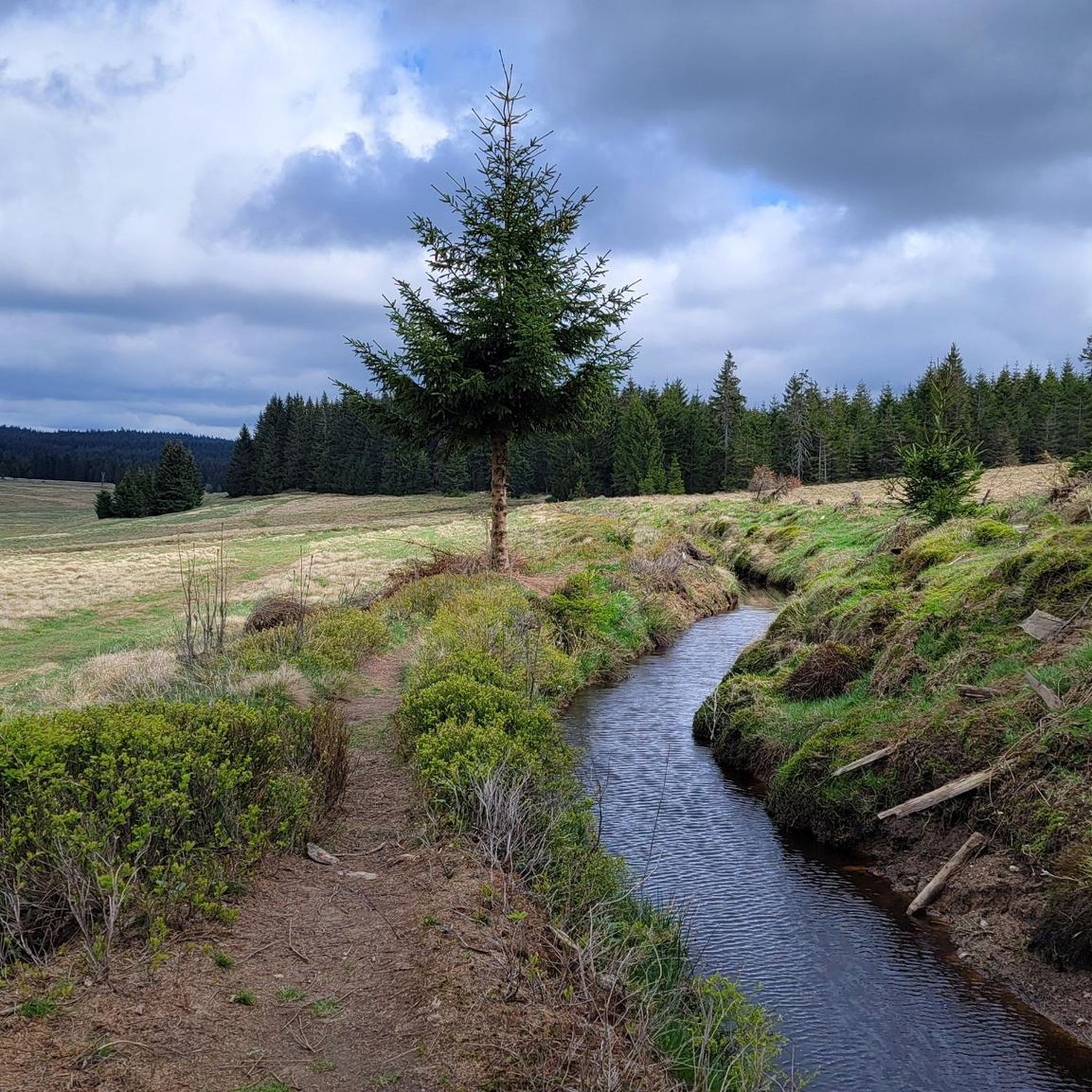
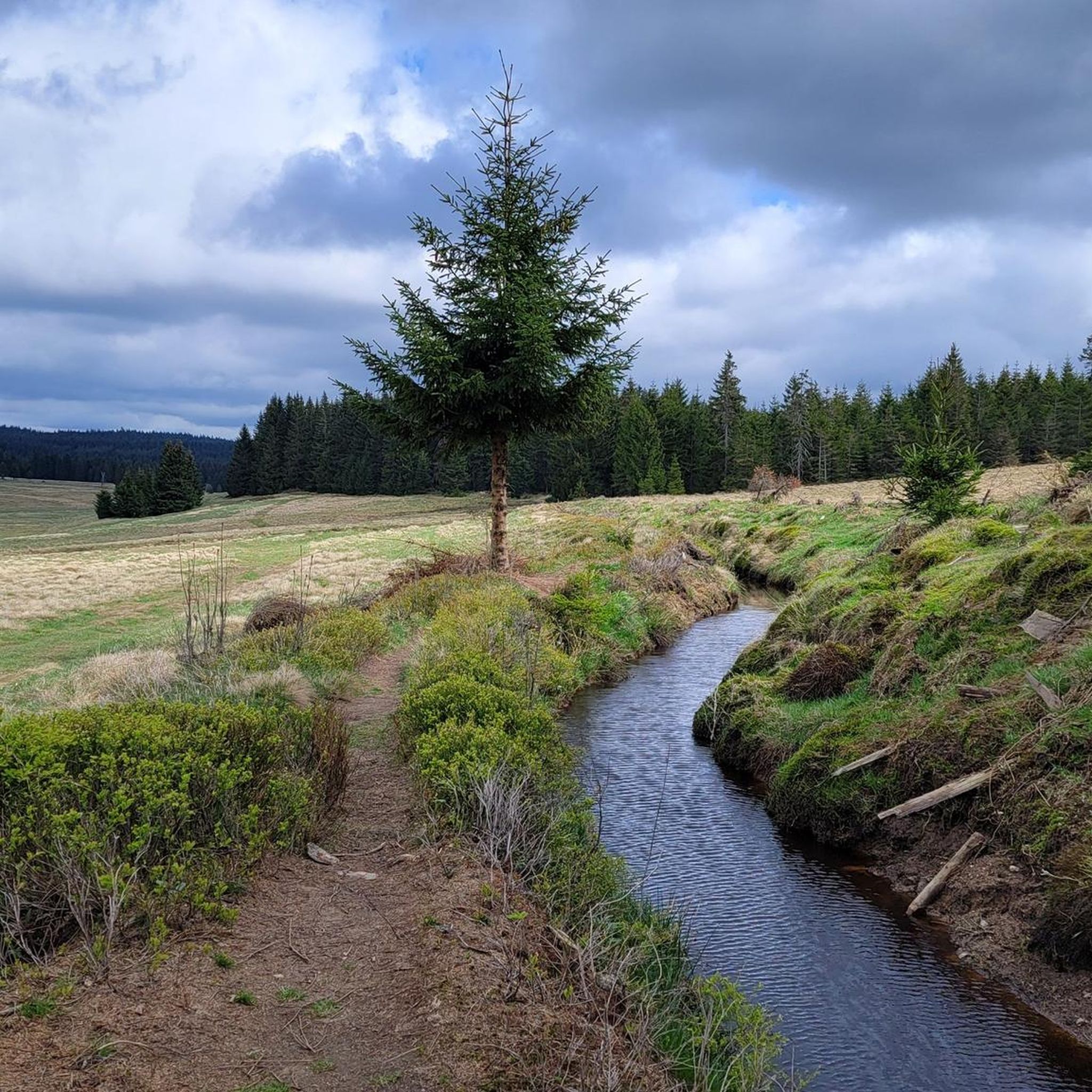
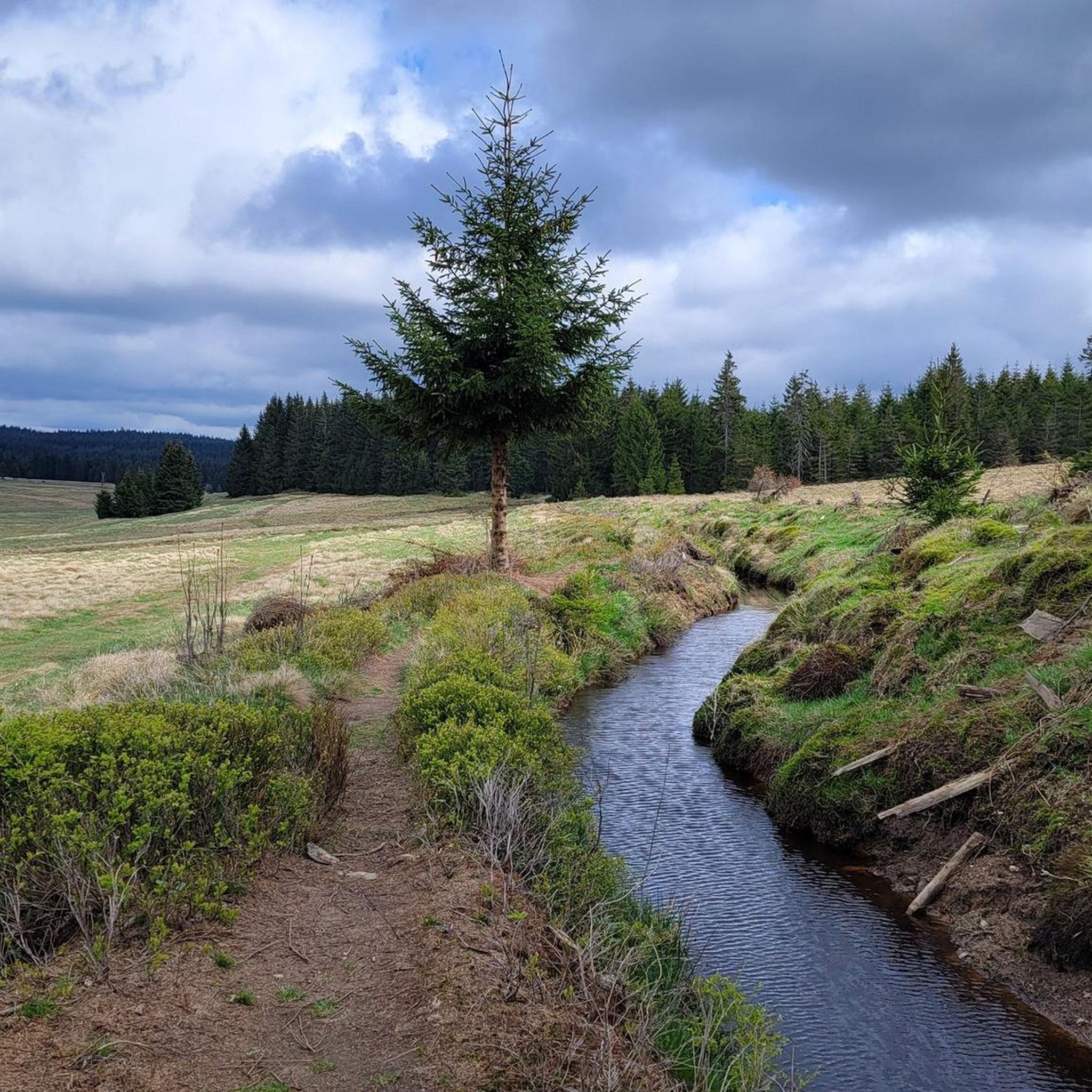
- The most popular attractions is Plattner Kunstgraben (Blatenský Příkop), a trail that is a 13 km long historical technical monument. It was originally constructed in the mid-16th century to supply water to local mines.
- Another must-see spot is Božídarské Rašeliniště Boardwalk, a trail through the Božídarské rašeliniště peat bog nature reserve. This 3.2 km long educational trail features 12 information panels describing the local geology, flora, and fauna.
- Visitors also love Black (Schwarzwasser) Stream at Bozhidar Peat Bog, a bridge over the small river Černá. The river gets its name from the dark, humic-rich water flowing from the surrounding bogs.
- Božídarské rašeliniště is known for its nature trails, historical sites, and unique natural features. The region offers a variety of attractions to see and explore, from protected peat bogs to historical mining infrastructure.
- The attractions around Božídarské rašeliniště are appreciated by the komoot community, with more than 720 upvotes and over 1000 photos shared.
Last updated: July 6, 2026
Božídarské Rašeliniště Boardwalk
Highlight (Segment) • Trail
Translated by Google •
Tip by

Božídarské Peat Bog (Boží Dar Peat Bog)
Highlight • Natural Monument
Translated by Google •
Tip by

Sign up now to discover places like this
Get recommendations on the best single tracks, peaks, & plenty of other exciting outdoor places.
Sign up for free
Božídarské Rašeliniště (Boží Dar Peat Bog)
Highlight • Natural Monument
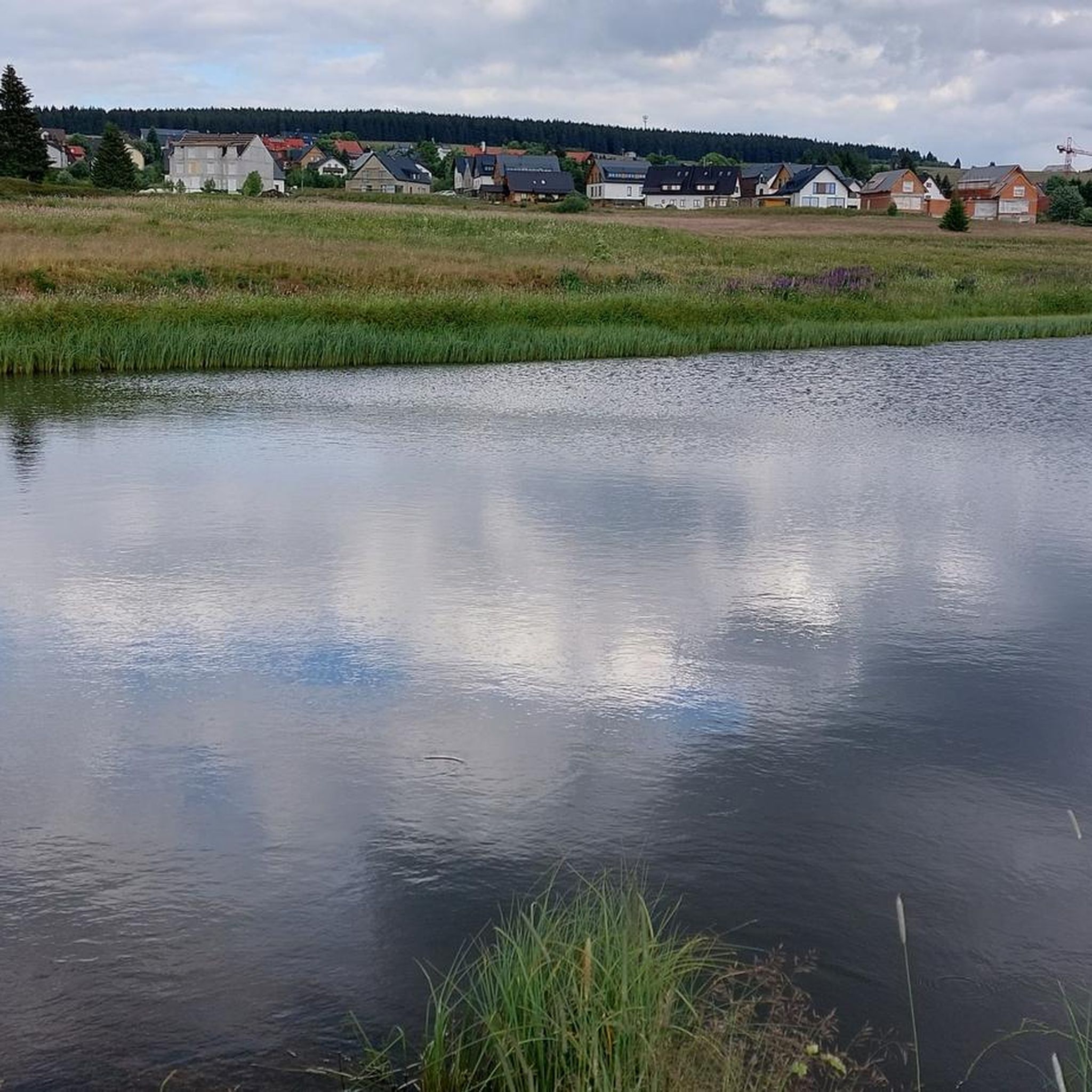
The best way to marvel at the moor with its typical vegetation is from the paths with footbridges.
Translated by Google •
Tip by

Plattner Kunstgraben (Blatenský Příkop)
Highlight (Segment) • Trail
Translated by Google •
Tip by

Black (Schwarzwasser) Stream at Bozhidar Peat Bog
Highlight • Bridge
Translated by Google •
Tip by
Sign up for free to discover even more attractions around Božídarské rašeliniště.
Sign up for free
Already have an account?
Start today with a free account
Your next adventure awaits.
Login or Signup
Popular around Božídarské rašeliniště

Tips from the Community

Definitely not suitable for bicycles the path :-)
0
0

The small river Černá (Black Water) rises west of the Fichtelberg in Saxony, then flows into Czech territory and along the northern border of the Božídarské rašeliniště nature reserve. The river gets its name from the dark water, rich in humic substances, flowing from the numerous surrounding bogs. After 18.6 kilometers in the Czech Republic, the river flows back to Saxony and finally into the Zwickauer Mulde near Aue.
12
0
Since 1977, a 3.2-kilometer-long nature trail on wooden planks has led through the Božídarské rašeliniště peat bog nature reserve. It features twelve stations with information panels. The 11.61-square-kilometer area has been protected since 1965. It encompasses a series of raised bogs with spruce, pine, Scots pine, dwarf birch, heaths, and meadows. A carnivorous plant characteristic of peat bogs, the round-leaved sundew, also grows here. The largest peat bog in the Ore Mountains lies at an elevation of 940 to 1116 meters; its specific mountain climate creates challenging conditions for animals and plants.
13
2

a very nice corner
1
2
great corner, always worth a trip
0
4

Highly recommended hiking area with stunning nature, e.g. butterflies, insects, etc. Part of the national nature reserve Božídarské rašeliniště.
2
0

Invites you to linger. Cozy place!
0
3

The Borzi Dar raised bog is one of the largest nature reserves in the Ore Mountains. Although peat has been extracted here for hundreds of years, the remaining bog is relatively well preserved within the protected area, and the beauty of these important biotopes can be observed. However, the drought in the summers still affects the bog. It will take centuries for it to become a fully functioning bog again. The best way to admire the bog and its typical vegetation is from the paths with footbridges.
3
1
Frequently Asked Questions
What natural features can I explore at Božídarské rašeliniště?
The Božídarské rašeliniště National Nature Reserve is known for its extensive peat bogs, which are the largest in the Ore Mountains. You can observe unique ecosystems, including spruce forests, mountain peat meadows, and distinctive flora like dwarf birch, bog pine, heaths, and the carnivorous round-leaved sundew. The prominent basalt peak of Božídarský Špičák Mountain, standing at 1,115 meters, is also a significant geological feature.
Are there specific nature trails or boardwalks to experience the peat bog?
Yes, the Božídarské Rašeliniště Boardwalk offers a 3.2 km long educational trail through the most valuable parts of the peat bog. It features 12 information panels describing the local geology, unique flora and fauna, and the history of peat and tin mining. This trail is accessible for pedestrians, families with strollers, and even wheelchair users.
What historical sites or cultural landmarks are there to visit in the region?
The region boasts a rich mining history. You can explore the Plattner Kunstgraben (Blatenský Příkop), a 13 km long historical technical monument from the 16th century, originally built to supply water to local mines. The town of Boží Dar itself, as the highest town in Central Europe, preserves its original Renaissance layout and features an Empire-style Town Hall from 1845 and the Baroque Church of St. Anne built in 1771.
Are there family-friendly activities or trails suitable for children?
Absolutely. The Ježíškova cesta (Baby Jesus Path) in Boží Dar is specifically designed for children, offering two circuits (6 km and 13 km) with 13 stops featuring tasks, slides, swings, and wooden sculptures. Children can get a 'Baby Jesus passport' and receive a small gift upon completion. You can also find the Wooden Sculpture of Krtek (The Little Mole) along one of the paths, which is a popular stop for families.
What unique plant and animal life can be found in the Božídarské rašeliniště area?
The unique mountain climate of the peat bog creates challenging conditions for its flora and fauna. You can find diverse plant life, including spruce forests, mountain peat meadows, dwarf birch, bog pine, and heaths. A characteristic carnivorous plant of peat bogs, the round-leaved sundew (Drosera rotundifolia), also grows here. The area is also home to unique insects like the Carabus menetriesi beetle.
Where can I find scenic viewpoints or prominent natural landmarks?
The Božídarský Špičák Mountain, at 1,115 meters, offers a prominent natural landmark. Additionally, the Black (Schwarzwasser) Stream at Bozhidar Peat Bog provides a picturesque spot where you can see the dark, humic-rich water flowing from the surrounding bogs, giving the river its name.
What outdoor activities, such as hiking or cycling, are available near Božídarské rašeliniště?
The region is a popular destination for various outdoor activities. You can find numerous trails for hiking, Nordic walking, and cycling that connect to the wider Ore Mountains network, including the famous Krušnohorská magistrála. For specific routes, explore the Mountain Hikes, Road Cycling Routes, and Easy Hikes guides around Božídarské rašeliniště.
Are there any wheelchair-accessible trails or attractions?
Yes, the Božídarské Rašeliniště Boardwalk is designed to be accessible for wheelchair users, allowing everyone to experience the unique peat bog environment. The bridge over the Black (Schwarzwasser) Stream at Bozhidar Peat Bog is also noted as wheelchair accessible.
What is the significance of the Černá River?
The Černá River, also known as the Black Stream, flows along the northern border of the Božídarské rašeliniště nature reserve. Its name comes from the dark, humic-rich water that flows from the surrounding peat bogs. It's a natural feature that highlights the unique geological composition of the area.
What is the best time of year to visit Božídarské rašeliniště?
The Božídarské rašeliniště area offers different experiences throughout the year. While the unique mountain climate creates challenging conditions, spring and summer are ideal for hiking and exploring the diverse flora. Autumn brings beautiful colors to the landscape. In winter, the area transforms into a popular destination for cross-country skiing, with numerous trails available.
What do visitors enjoy most about the attractions around Božídarské rašeliniště?
Visitors frequently praise the well-maintained trails and the immersive natural experience. The Božídarské Rašeliniště Boardwalk is particularly popular for its informative panels and beautiful winding path through the moor. The historical significance of sites like the Plattner Kunstgraben (Blatenský Příkop) also draws interest, offering a blend of nature and history.
Are there any historical ruins or abandoned sites to explore?
Yes, you can visit the Ruins of the Wunderblume Inn. From this once proud inn on the slope of Spitzberg, only a few foundations remain today. A sign and photos on site help to imagine its past, and you can read the legend about the miracle flower that gave the inn its name. This site is a remnant of the settlement Spitzberghäuser, which was abandoned and demolished in the 1940s.
Most popular routes around Božídarské rašeliniště
Most popular attractions around Božídarské rašeliniště

Get inspired with the komoot mobile app


