The best traffic-free bike rides around Narcau/Narcao
4.7
(22)
743
riders
2
rides
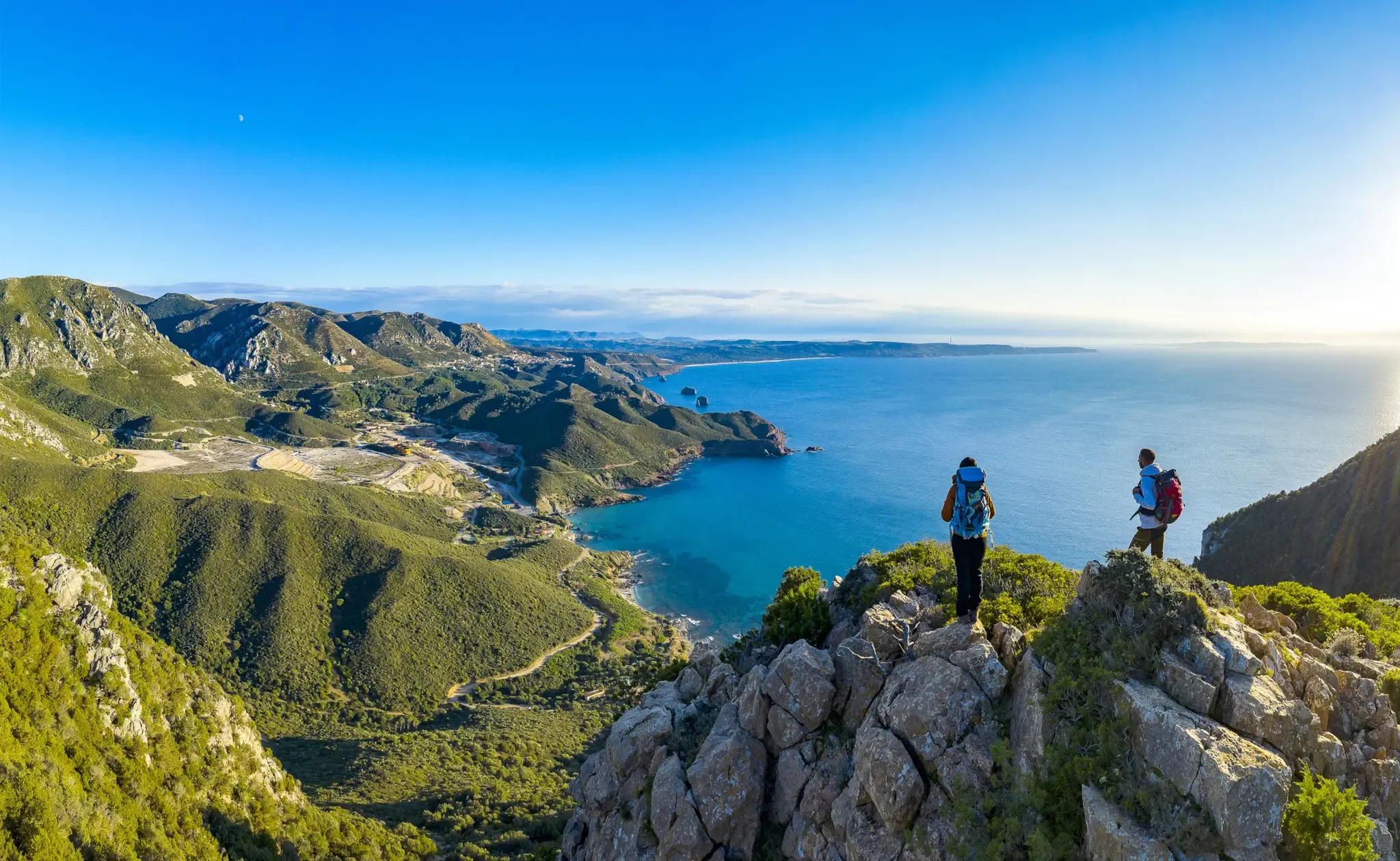
No traffic road cycling routes around Narcau/Narcao traverse an undulating landscape in southwest Sardinia, characterized by a blend of mountains and Mediterranean scrub. The region features modest yet picturesque hilly reliefs, with areas covered in oak trees, pinewoods, and eucalyptus forests. This varied terrain provides diverse gradients suitable for road cycling, offering a tranquil environment away from significant traffic. The area's geological past contributes to its distinct character, making it an appealing destination for exploring on two wheels.
Best no…
Last updated: May 18, 2026
25
riders
52.3km
02:14
380m
380m
Moderate road ride. Good fitness required. Some segments of this route may be unpaved and difficult to ride.
18
riders
45.8km
01:52
180m
180m
Easy road ride. Great for any fitness level. Mostly well-paved surfaces and easy to ride.

Sign up for free
3
riders
106km
04:34
680m
680m
Moderate road ride. Good fitness required. Some segments of this route may be unpaved and difficult to ride.
Our route recommendations are based on thousands of hikes, rides, and runs completed by other people on komoot.
Start today with a free account
Your next adventure awaits.
Login or Signup


Other adventures around Narcau/Narcao

Tips from the Community

Carloforte, still closely linked to Pegli and Genoa, is the island's only center, with 6,000 inhabitants. It enchants with its many narrow streets rising up a gentle slope, its colorful corners and sea views, its small harbor, and its former defenses, of which watchtowers and sections of walls with forts can still be seen, including La Porta del Leone. Among the architectural highlights of this town, which is included in the Club of the Most Beautiful Towns in Italy, are U Palassiu, dating from the early 20th century and now the Giuseppe Cavallera Cinema, and the Church of the Madonna del Naufrago, which houses the wooden statue venerated by the Tabarkin people, a symbol of the faith and solidarity of the community.
5
0

Small town in the Iglesiente area with an ancient mining history.
2
0
In the tourist port, which houses up to 400 boats, you can enjoy a splendid view of the sunset and a "lungoporto" that can also be traveled by bike!
3
0
Admission is free and is permitted in the evening. During the day it will be closed, and you will have to be content with peeking under the door!
3
0
Beautiful Spanish tower. There is a small museum inside.
3
0
Beautiful panoramic point overlooking the beach of Acqua sa Canna
2
0
At every bend a breathtaking view. The road is wide, well-kept and not very busy (at least outside the summer peak period) and it is very pleasant to cycle on.
2
0

The language of the Tabarchians essentially corresponds to the Ligurian language of the 15th century. Through personal and trade connections - both from Tunisia and from the island of San Pietro - it has developed just as much as the actual Ligurian and Genoese languages. Due to its geographical location, the port of Carloforte was of considerable importance in shipping and as a transshipment point for medium tonnage until the beginning of the 19th century. Carlofortine Ligurian preserves some nouns and rare grammatical forms that only occur in the outdated Genoese. It does not contain any Gallicisms that Genoese has adopted in recent centuries; for example, the accent (còccina) is typical of Pegli and not of pure Genoese. Only a few nouns from Sardinian, Arabic and Tuscan can be identified as external influences. More than 80 percent of the population still speak this dialect in everyday life today. The architecture, culture, customs and traditions of Carloforte still correspond to those of Liguria. Due to its historical, economic and cultural ties with the Ligurian capital, especially with Pegli, Carloforte was recognized as an honorary municipality of the province of Genoa on November 10, 2004. In 2006, the neighboring municipality of Calasetta received the same honor. Carloforte celebrates twin festivities with Pegli every year.
2
0
Frequently Asked Questions
How many no-traffic road cycling routes are available around Narcao?
Komoot currently features a selection of curated no-traffic road cycling routes around Narcao. While the region offers many quiet roads, we highlight a few specific tours designed for a serene cycling experience, including options like the Tonnara Su Pranu – Portoscuso loop and the Carloforte – Cala Sapone Beach loop.
What kind of terrain and elevation can I expect on no-traffic road cycling routes in Narcao?
The Narcao area is characterized by undulating and hilly terrain, nestled between mountains and the sea. This means you can expect varied gradients, from modest climbs to more challenging ascents. For example, the 10% Ascent – Spring loop features over 1000 meters of elevation gain, offering a significant challenge.
Are there routes suitable for beginners or families looking for no-traffic road cycling?
While many routes in the region offer varied gradients, the Tonnara Su Pranu – Portoscuso loop from Carbonia Serbariu is rated as 'easy' with a more manageable elevation gain of around 177 meters over 45 kilometers. This could be a good option for those seeking a less strenuous ride away from traffic.
What are the best times of year for no-traffic road cycling in Narcao?
Narcao enjoys a Mediterranean climate, making spring (April-May) and autumn (September-October) ideal for road cycling. During these seasons, temperatures are pleasant, and the natural landscape is vibrant. Summers can be hot, while winters are generally mild but may bring more rainfall.
What interesting landmarks or natural features can I see along the no-traffic cycling routes?
The region around Narcao is rich in history and natural beauty. You can explore sites like the ancient Montessu Necropolis with its 'domus de janas,' or the impressive Caves of Is Zuddas. The landscape itself features thick Mediterranean scrub, oak trees, and pinewoods, offering scenic views throughout your ride.
Where can I find parking for cycling routes near Narcao?
Narcao is a rural area, and specific dedicated cycling parking might not be explicitly signposted for every trailhead. However, you can typically find parking in the villages where routes begin or pass through. For routes starting from larger towns like Carbonia Serbariu or Barbusi, there are usually more established parking options available.
What do other cyclists enjoy most about road cycling in Narcao?
The komoot community highly rates the cycling experience in Narcao, with an average score of 4.66 out of 5 stars from 22 ratings. Cyclists often praise the tranquil, rural setting, the varied terrain that offers both scenic beauty and a good workout, and the opportunity to immerse themselves in the untouched Mediterranean landscape away from heavy traffic.
Are there any cafes or pubs along the no-traffic road cycling routes in Narcao?
While the routes are designed to be traffic-free and often pass through quieter areas, you will find opportunities for refreshments in the villages and towns along or near the routes. For instance, the Rosas Mining Village, a significant historical attraction, features a restaurant that was once the director's office, offering a unique stop for cyclists.
Can I access these cycling routes using public transport?
Narcao is approximately an hour's drive from Cagliari, the main city in Sardinia. While local bus services connect Narcao to nearby towns, direct public transport access to specific trailheads for cycling routes might be limited. It's advisable to check local bus schedules and consider how easily you can transport your bike if relying on public transport.
Are there any viewpoints on the no-traffic road cycling routes around Narcao?
Yes, the undulating terrain and mountainous backdrop of Narcao offer several opportunities for scenic viewpoints. Monte Narcao, for example, features a flat summit known as 'Sa Pranedda' which provides expansive views of the surrounding landscape. Many of the higher points on the routes will offer panoramic vistas of the Mediterranean scrub and the distant sea.
Are there any specific permits required for cycling in protected areas around Narcao?
Generally, no specific permits are required for road cycling on public roads in the Narcao area. However, if your route takes you into designated natural parks or specific archaeological sites, it's always good practice to check for any local regulations or entry fees, especially if you plan to explore off the main roads or trails.
Most popular routes around Narcau/Narcao
Most popular attractions around Narcau/Narcao

Get inspired with the komoot mobile app


Explore more
Browse the best Road cycling routes in other regions.
