The best traffic-free bike rides around Ovaro
4.5
(759)
7,745
riders
64
rides
No traffic touring cycling routes around Ovaro are situated in the Friuli-Venezia Giulia region of Italy, characterized by its mountainous landscapes and the wide basin of the Degano valley. The area is surrounded by prominent peaks such as Col Gentile, Arvenis, and Monte Volaia, providing a dramatic backdrop for cycling. This terrain offers challenging ascents and descents, making it a notable destination for touring cyclists seeking significant climbs and endurance tests. The region's infrastructure supports diverse cycling, with routes featuring…
Last updated: October 3, 2026
5.0
(3)
714
riders
27.9km
02:45
1,290m
1,290m
Hard bike ride. Very good fitness required. Mostly paved surfaces. Suitable for all skill levels.
5.0
(23)
253
riders
32.0km
03:00
1,370m
1,370m
Hard bike ride. Very good fitness required. Mostly paved surfaces. Suitable for all skill levels.

5.0
(3)
82
riders
39.8km
04:10
2,090m
2,090m
Hard bike ride. Very good fitness required. Mostly paved surfaces. Suitable for all skill levels.
5.0
(1)
12
riders
31.7km
03:01
1,370m
1,370m
Hard bike ride. Very good fitness required. Mostly paved surfaces. Suitable for all skill levels.
2.5
(2)
25
riders
21.9km
02:03
930m
930m
Hard bike ride. Very good fitness required. Mostly paved surfaces. Suitable for all skill levels.
Get access to more routes and recommendations from other explorers.
Already have an account?
Our route recommendations are based on thousands of hikes, rides, and runs completed by other people on komoot.
Start today with a free account
Your next adventure awaits.
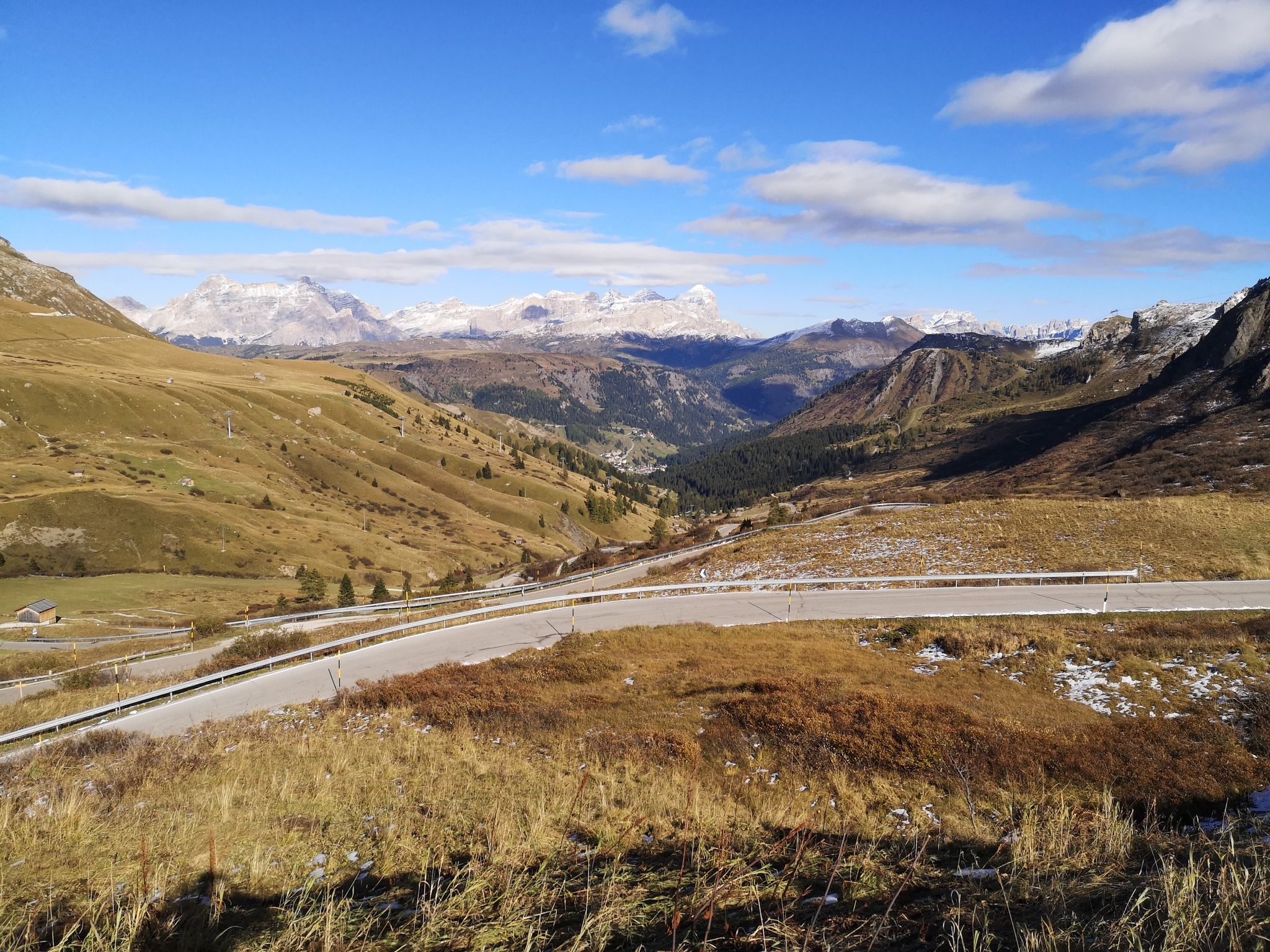
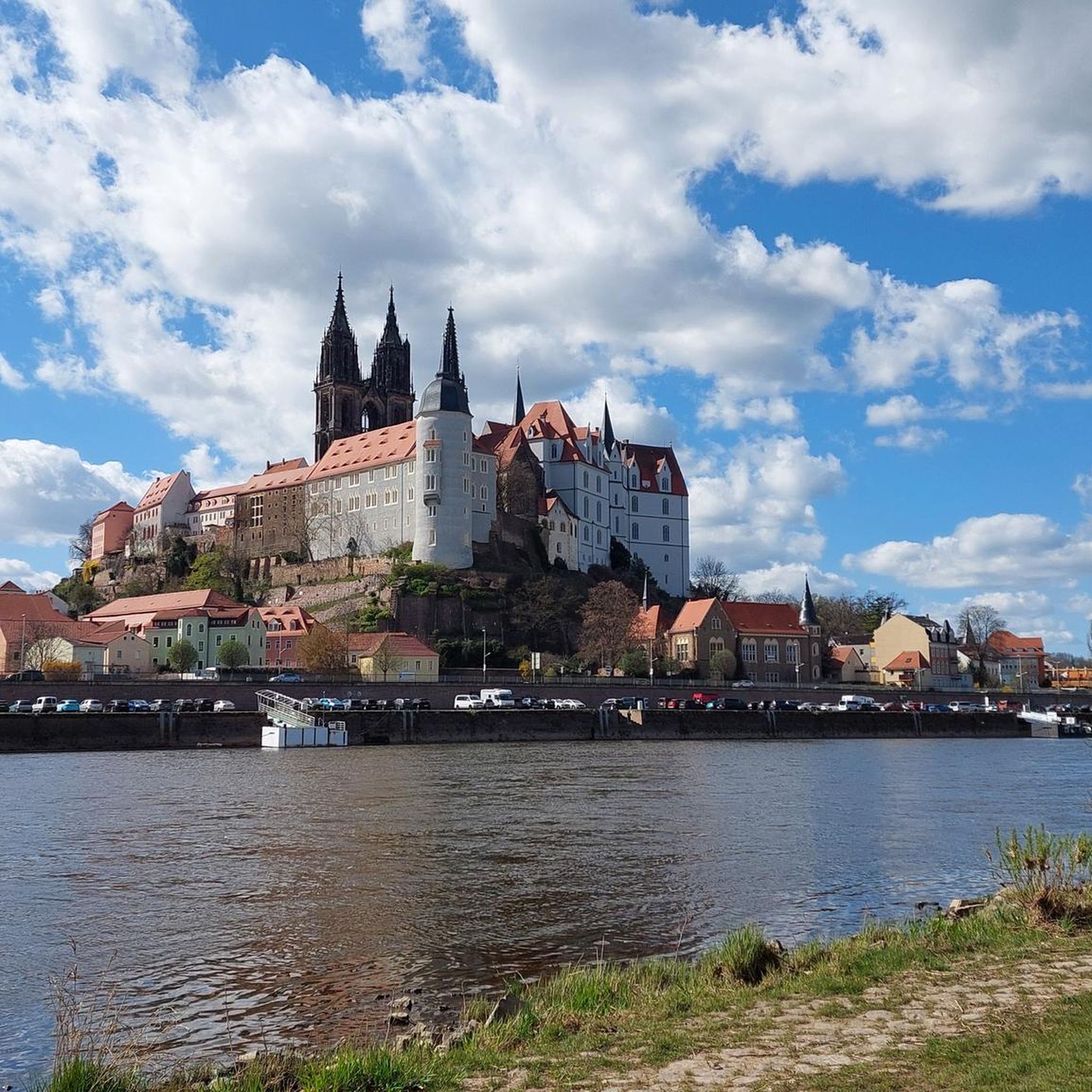
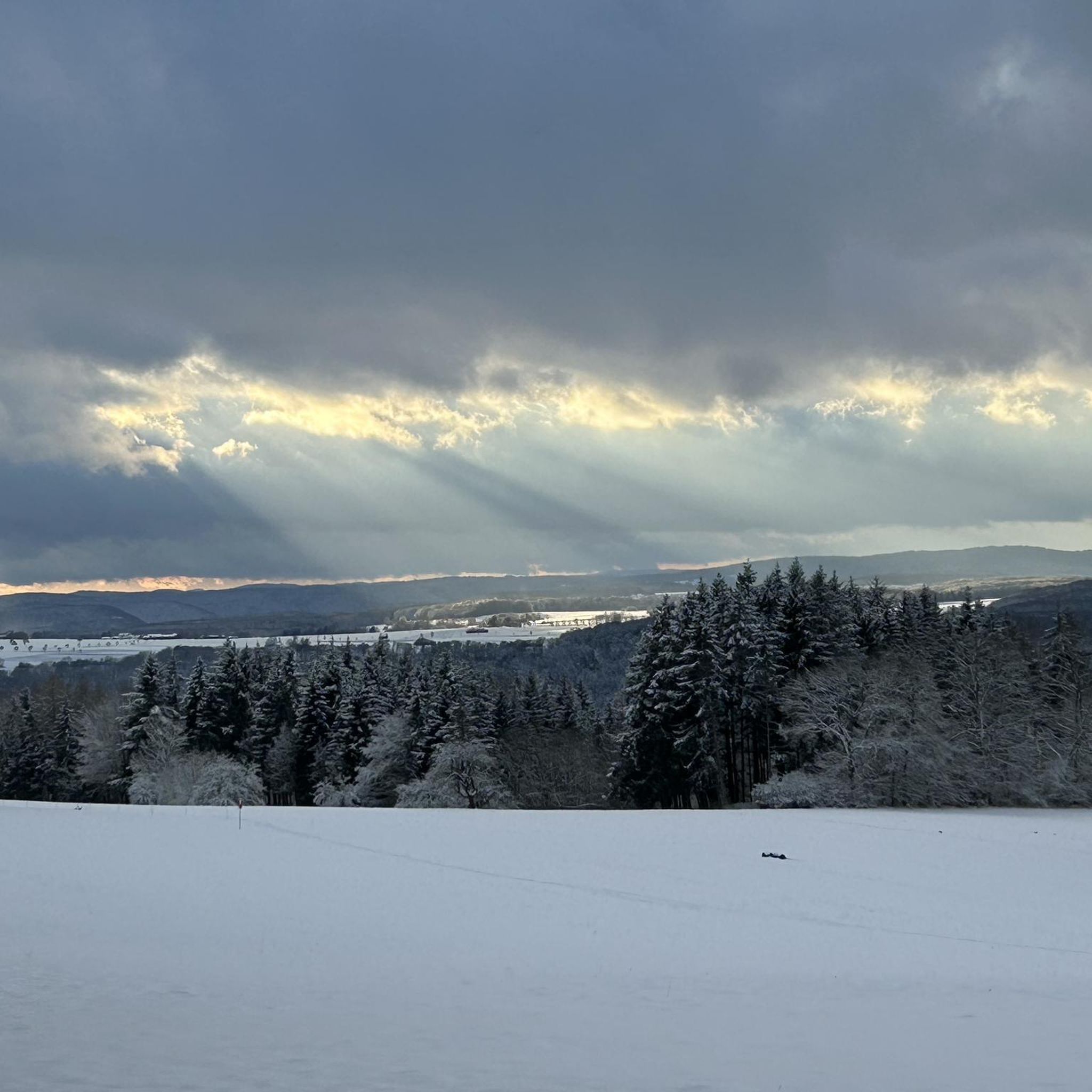
Other adventures around Ovaro

Tips from the Community

Hammer route with luggage managed, but took the cable car, descent was grandiose, similarly crazy as the Col de la Loze.
2
0
Clever saying for the ascent
2
0
Great route and some unlit tunnels
0
0
Managed with luggage, even if it was just the cable car. Dream pass and great descent.
2
0
View of Salars, the road was unfortunately closed after Tualis.
2
0
I didn't notice it at this point. Today I noticed it in several places, it's rather inconspicuous.
2
0
Quite substantial climbs, not everyone rides with a battery, but in places very beautiful views. With cable car and Zoncolan.
3
0
Unfortunately, I didn't find a summit sign, but the view was still beautiful
2
0
Frequently Asked Questions
How many no-traffic touring cycling routes are available around Ovaro?
There are over 60 dedicated no-traffic touring cycling routes around Ovaro, offering a wide range of experiences. Most of these, about 50, are rated as difficult, providing significant challenges for experienced touring cyclists. There are also 13 moderate and 4 easy routes for those seeking a less strenuous ride.
What kind of terrain can I expect on no-traffic touring cycling routes in Ovaro?
The terrain around Ovaro is predominantly mountainous, situated in the Degano valley and surrounded by peaks like Col Gentile, Arvenis, and Monte Volaia. You can expect challenging ascents and descents, with some routes featuring gradients up to 29%. The regional cycling network includes both asphalt and gravel surfaces, so be prepared for varied conditions.
Are there any particularly challenging no-traffic routes for experienced touring cyclists?
Absolutely. Ovaro is famous for its demanding climbs, especially those involving Monte Zoncolan. Routes like the Monte Zoncolan Pass Road loop from Comeglians, with over 1280m of elevation gain, or the Monte Zoncolan Pass Road – View of the Degano River loop from Ovaro, climbing over 1400m, are excellent choices for those seeking a significant endurance test on quiet roads.
What natural features can I see along the no-traffic touring cycling routes?
The routes offer breathtaking views of the mountainous landscape. You can encounter stunning natural monuments such as Plera Waterfall, the serene Lake Volaia, and the impressive Mount Crostis. Many routes provide panoramic vistas of the Carnia region's natural beauty.
Are there any circular no-traffic touring routes available?
Yes, many of the no-traffic touring routes around Ovaro are designed as loops, allowing you to start and finish in the same location. For example, the Monte Zoncolan Pass Road loop from Ovaro offers a challenging circular ride, as does the longer Zoncolan loop from Comeglians.
What do other touring cyclists enjoy most about the no-traffic routes in Ovaro?
The komoot community highly rates the touring cycling experience in Ovaro, with an average score of 4.54 out of 5 stars from over 70 ratings. Reviewers often praise the challenging climbs, the stunning mountain scenery, and the quiet, traffic-free nature of the routes, especially those leading up to Monte Zoncolan, which offers a truly epic cycling experience.
Are there any places to stop for refreshments or rest along the routes?
While specific cafes or pubs on every route are not detailed, the region has several mountain huts that can serve as excellent rest stops or even overnight accommodation. Highlights include the Edoardo Tolazzi Hut, Tamai Hut, and Lambertenghi-Romanin Hut, which are often located in scenic spots.
What cultural or historical attractions can I visit near the no-traffic cycling routes?
Beyond the cycling, Ovaro offers cultural insights. You can explore the Pieve (Church) of Santa Maria di Gorto, learn about local history at the Museum of Wood and the Venetian Sawmill, or visit a Historical Coalmine. The region's connection to cycling is also evident with the 'Monument to the cyclist climber' near Monte Zoncolan.
Is Ovaro suitable for family-friendly no-traffic touring cycling?
While many routes in Ovaro are quite challenging due to the mountainous terrain, there are a few easier options available. With 4 routes rated as easy, families with some cycling experience might find suitable paths. It's advisable to check the elevation profiles and distances carefully to ensure they match your family's capabilities.
What is the best season for no-traffic touring cycling in Ovaro?
The best season for touring cycling in Ovaro is typically from late spring to early autumn (May to October) when the weather is most favorable and mountain passes are clear of snow. Summer offers warmer temperatures, but spring and autumn provide pleasant conditions and vibrant scenery. Always check local weather forecasts before heading out, especially for higher elevations.
Are there any routes that offer views of the Degano River?
Yes, some routes provide scenic views of the Degano River. For instance, the Monte Zoncolan Pass Road – View of the Degano River loop from Ovaro specifically highlights this natural feature, allowing you to enjoy the river's beauty as part of your ride.
Most popular attractions around Ovaro

Get inspired with the komoot mobile app


Explore more
Browse the best Cycling routes in other regions.
