The best traffic-free bike rides around Sala Baganza
4.4
(47)
516
riders
50
rides
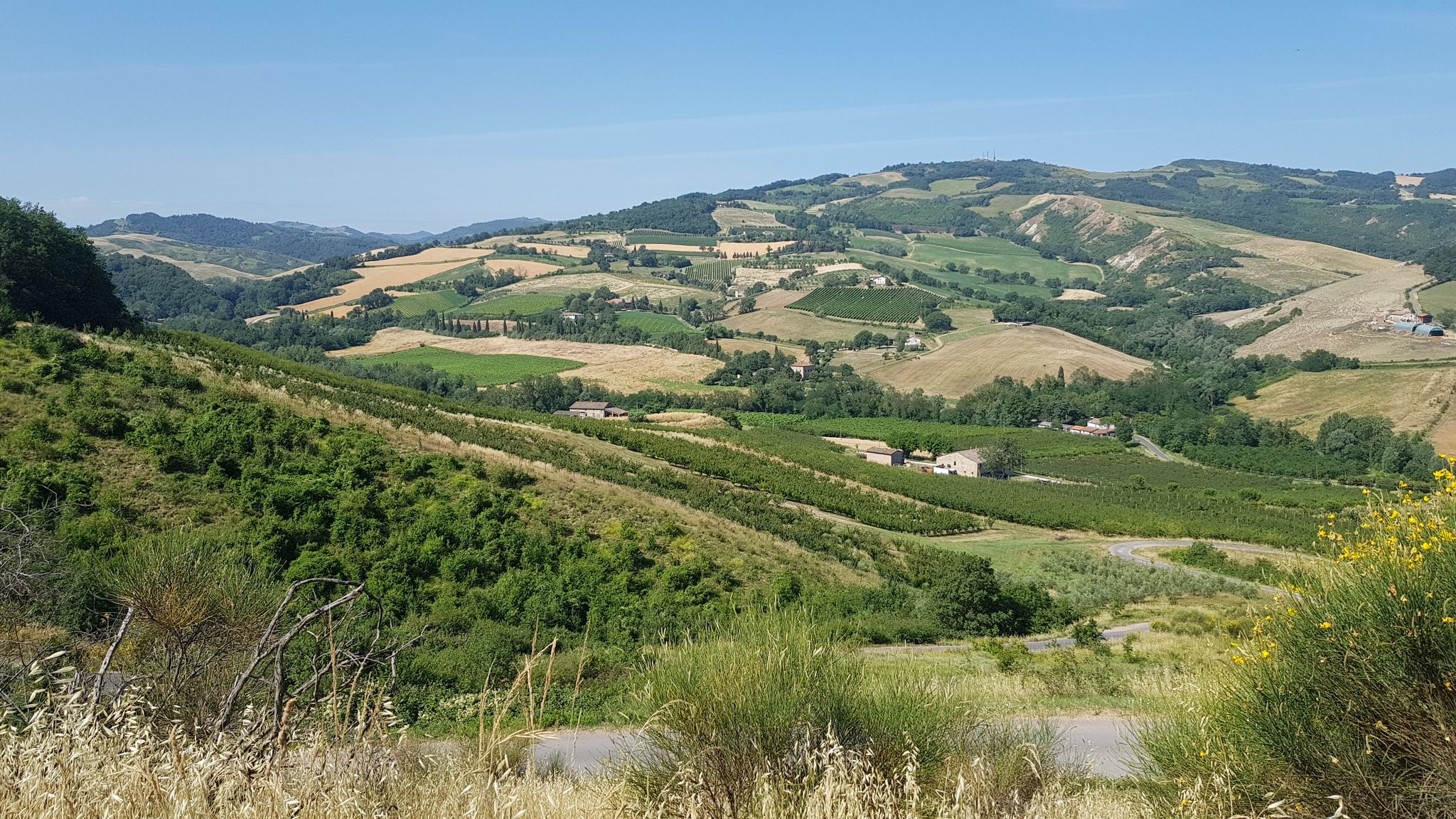
Gravel biking around Sala Baganza offers diverse landscapes in the Apennine foothills of Emilia-Romagna. The region features a mix of natural parks, river valleys, and gentle hills, providing varied terrain for cyclists. Key areas include the dense woodlands of Parco dei Boschi di Carrega and the biodiverse Taro Regional Park, both offering extensive unpaved sections ideal for gravel bikes. The Val Baganza contributes scenic backdrops with gradual ascents and panoramic vistas, characterized by varied elevations, forests, and clear streams.
Best…
Last updated: May 18, 2026
5
riders
98.8km
08:27
1,870m
1,870m
Hard gravel ride. Very good fitness required. You may need to push your bike for some segments of this route.
3.0
(1)
10
riders
85.9km
07:40
1,520m
1,520m
Hard gravel ride. Very good fitness required. Some segments of this route may be unpaved and difficult to ride.

Sign up for free
4.4
(5)
58
riders
68.3km
04:55
1,200m
1,190m
Hard gravel ride. Very good fitness required. Mostly paved surfaces. Suitable for all skill levels.
4.3
(4)
30
riders
42.3km
02:47
510m
510m
Hard gravel ride. Very good fitness required. Mostly paved surfaces. Suitable for all skill levels.
5.0
(4)
15
riders
54.3km
03:47
920m
920m
Hard gravel ride. Very good fitness required. Mostly paved surfaces. Suitable for all skill levels.
Get access to more routes and recommendations from other explorers.
Sign up for free
Already have an account?
Our route recommendations are based on thousands of hikes, rides, and runs completed by other people on komoot.
Start today with a free account
Your next adventure awaits.
Login or Signup
Other adventures around Sala Baganza

Tips from the Community

The Boschi di Carrega Regional Nature Park was established in 1982 as the first regional park in Emilia-Romagna. It is located in the province of Parma, extending for about 1270 hectares on the river terraces between the Taro river and the Baganza stream, in the municipal territories of Collecchio, Sala Baganza and Fornovo di Taro. This green lung protects a hilly area of immense naturalistic, historical and cultural value, famous for its ducal atmospheres and elegant landscapes.
0
0
The Boschi di Carrega Regional Park was established in 1982 as the first regional park in Emilia-Romagna. It is located in the province of Parma, extending for about 1270 hectares on the river terraces between the Taro river and the Baganza stream, in the municipal territories of Collecchio, Sala Baganza and Fornovo di Taro. This green lung protects a hilly area of immense naturalistic, historical and cultural value, famous for its ducal atmospheres and its elegant landscapes.
0
0

Always pleasant to ride this road on MTB.
0
0
A well-maintained dirt road overlooking the Parma Valley. Very pleasant for both walking and cycling.
0
0

Felino Castle is located in the hills between the Parma and Baganza rivers in Emilia, a manor surrounded by a wide, deep moat and defended by imposing bastions. You will enter an elegant and charming atmosphere in the interior rooms and enchanting outdoor spaces, where summer events can be held, illuminated by the vibrant light of torches and the romantic glow of the moon. The main courtyard is accessed via a bridge over a wide moat. The bridge, now fixed but a drawbridge until the 19th century, was the castle's last defense against invaders. The dark bronze door, once opened, reveals a bright, luminous courtyard overlooked by porticoes and galleries that, over time, have replaced the ancient accesses to the patrol walkways. The high walls, defensive towers, and mighty keep are surrounded by a lawn whose position and shape resemble a terrace overlooking the hills and the plains stretching below the castle. Today, after over twenty years of careful restoration, it can be admired in all its splendor. Its nighttime illumination is so evocative and powerful that it can be seen from kilometers away. SOURCE: https://castelliemiliaromagna.it/it/s/felino/6005-castello_di_felino/ HISTORY of the castle and other information; https://it.wikipedia.org/wiki/Castello_di_Felino
0
0
La corte di Giarola è una corte rurale medievale dotata di chiesa interna, situata nell'omonima località presso Pontescodogna, frazione di Collecchio, in provincia di Parma; costituisce la sede dell'Ente di Gestione per i Parchi e la Biodiversità Emilia Occidentale, del museo del pomodoro, del museo della pasta, del Teatro alla Corte, del centro visite "Sotto il segno dell'acqua", di due sale convegni e di un ristorante.[1][2] È il punto di partenza per semplici camminate nel Parco del Taro. STORIA: La corte fu costruita originariamente tra l'VIII e il IX secolo per volere della casata di Ingo, nobile franco; l'edificio nacque quale presidio fortificato a controllo del vicino guado di un ramo della via Francigena attraverso il fiume Taro; a causa della sua prossimità al corso d'acqua, la località era conosciuta col nome di Glarola, forse di origine latina, in riferimento alla grande quantità di ghiaia depositata sulle sponde. La più antica testimonianza della sua esistenza risale al 1034, quando Glariola fu citata in un rogito di compravendita di terreni da parte di Alberto Prete a Giovanni di Viarolo. I discendenti di Ingo, feudatari della zona,nel 1045 donarono il castrum con la sua cappella romanica alla badessa Imila del monastero di San Paolo di Parma. L'anno seguente il vescovo Cadalo cedette alcune terre in castro clariolae alle monache. Nei decenni seguenti le religiose trasformarono la struttura in una corte agricola indipendente,[4][5] protetta da mura e dotata di abitazioni, stalle, caseificio e mulino alimentato dalle acque del canale Naviglio; le boscose e paludose terre circostanti furono bonificate e coltivate. Nel 1187 il papa Gregorio VIII emanò una bolla confermando alla badessa di San Paolo i diritti sull'Ecclesiam Sancti Nicomedi de Glarola, oltre a numerose altre del Parmense. A difesa dell'edificio e del guado il vescovo di Parma fece inoltre erigere una torre difensiva, che si aggiunse ai vicini castelli di Collecchio, Segalara, Madregolo e Carona. Nel 1308 i Rossi e i Lupi, dopo la loro cacciata da Parma, presero possesso della struttura fortificata di Giarola, che pochi mesi dopo fu contrattaccata dalle truppe di Giberto III da Correggio e distrutta al termine di un aspro combattimento; sopravvissero solo la corte agricola e la cappella. Nel 1440 ogni residua struttura fortificata fu completamente demolita o trasformata in abitazioni. Nel 1451 la corte ospitò durante il suo viaggio il duca di Milano Francesco Sforza,mentre nel 1495 vi si accamparono, in vista della battaglia di Fornovo, le truppe di Ludovico il Moro. Secondo il Catasto farnesiano del 1562, la corte, dipendente dalla magistratura di Parma e abitata da 110 persone, gestiva un territorio di 1140 biolche parmigiane, corrispondenti a circa 342 ettari, appartenenti in gran parte al monastero di San Paolo; le coltivazioni si estendevano in particolare nella pianura occidentale, in quanto all'epoca il fiume Taro scorreva molto più a ovest. Nel 1760 la chiesa romanica fu modificata in stile neoclassico. Dopo la conquista napoleonica del ducato di Parma e Piacenza, la corte rimase per alcuni anni soggetta direttamente al Comune (o mairie) di Parma, ma nel 1806 fu aggregata a quello di Collecchio. In seguito alla soppressione degli ordini religiosi che colpì anche le benedettine del monastero di San Paolo, nel 1811 la tenuta fu confiscata dal governo francese e affittata a imprenditori agricoli, primi tra tutti i conti Camillo e Alessandro Zileri. Gli abitanti della struttura raggiunsero la quota di 312 nel 1855, per calare un po' alla volta nei decenni seguenti. Le terre furono lottizzate e alienate a privati, mentre la corte fu acquistata alla fine del XIX secolo dalla famiglia Montagna, che dedicò parte dei terreni circostanti alla coltivazione di pomodori e costruì in adiacenza una fabbrica di conserva e un moderno caseificio con annesso allevamento di suini, affittati a conduttori esterni. Durante la seconda guerra mondiale, il 17 aprile 1945 la corte fu colpita dai bombardamenti alleati, che causarono la morte di nove persone[14] e il parziale crollo della chiesa di San Nicomede, di cui rimasero in piedi soltanto alcune porzioni delle murature esterne; il luogo di culto fu ricostruito nel 1950 nelle originarie forme romaniche. La fabbrica conserviera fu alienata nel 1957 all'imprenditore Ercole Azzali; pochi anni dopo fu però chiusa, mentre il caseificio sopravvisse ancora per qualche tempo. Dopo la cessazione dell'attività, il degrado aumentò, finché nel 1998 la corte e le strutture annesse furono acquistate dall'Ente Parco Fluviale Regionale del Taro, poi Ente di Gestione per i Parchi e la Biodiversità Emilia Occidentale, che ne avviò i lavori di ristrutturazione, adibendo parte dell'edificio a propria sede; nell'ala est furono inoltre ricavati un percorso espositivo e una sala auditorium. Nel 2005 fu recuperata la casa colonica esterna, destinata a Laboratorio storico. Nel 2006, su finanziamento della Regione Emilia-Romagna, del Comune di Collecchio e della Fondazione Cariparma, l'ala sud, originariamente adibita a legnaia e deposito, fu trasformata in sala teatrale; il Teatro alla Corte fu inaugurato nel settembre del 2007; nello stesso anno furono avviati i lavori di sistemazione dell'ala ovest, ove all'interno delle antiche stalle trovò spazio nel 2010 il Museo del pomodoro. Nel 2013 il cantiere dell'ala ovest fu completato recuperando anche l'antico pastificio e il mulino; l'anno seguente gli ambienti divennero la sede del Museo della pasta. Nel 2014 fu inoltre ricostruito il tetto della chiesa di San Nicomede,sede parrocchiale a servizio della frazione di Pontescodogna. Nel 2019 fu ristrutturato l'antico caseificio posto nell'ala nord ovest, al cui interno nel novembre dello stesso anno fu inaugurato l'Agrilab Giarola, un laboratorio di cucina per promuovere la biodiversità agroalimentare, i prodotti del territorio e la loro stagionalità. FONTE ed altre b notizie: https://it.wikipedia.org/wiki/Corte_di_Giarola
0
0
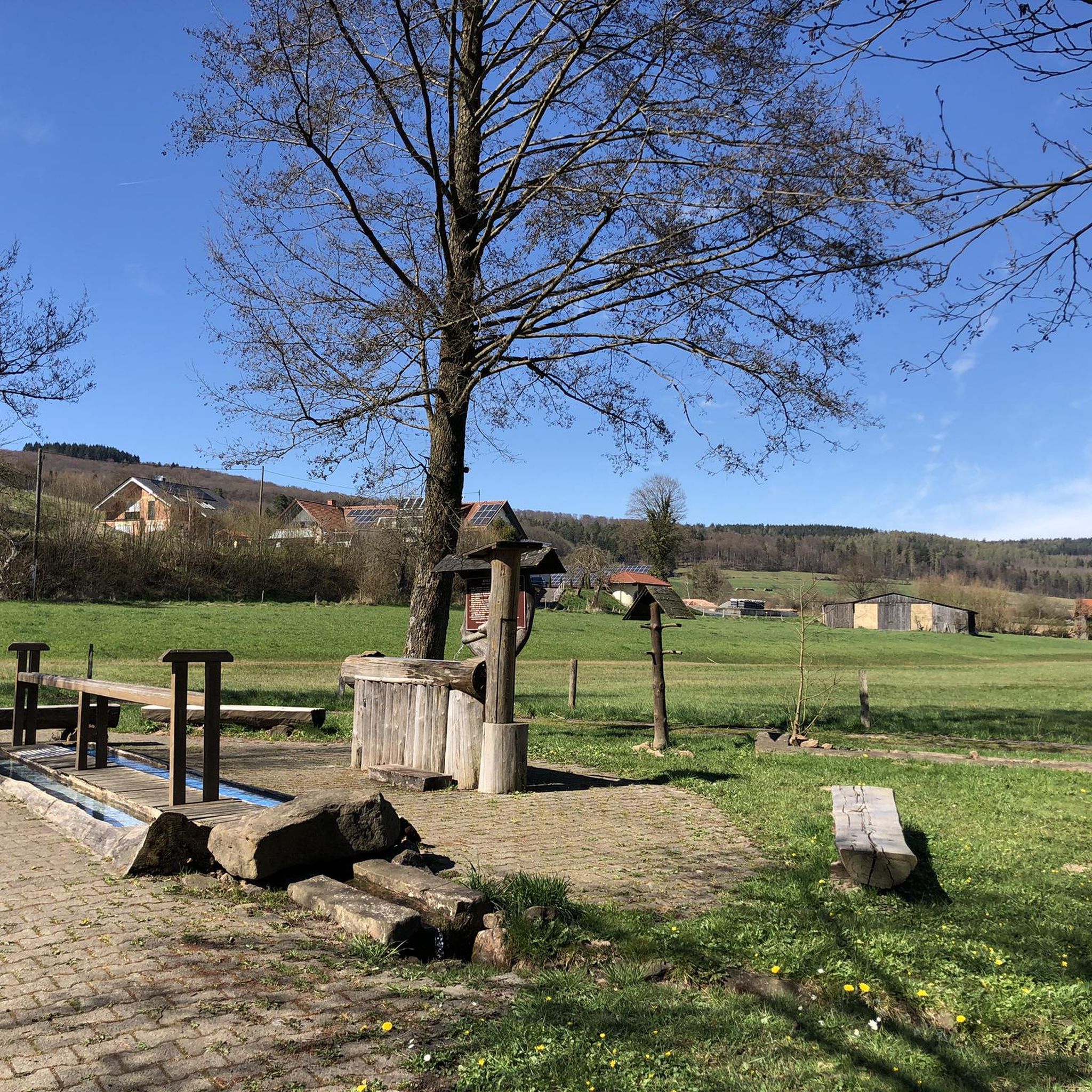
Beautiful rest area with 360-degree views. There's a covered table, two benches, and a drinking fountain. If the trash can is full, we're all asked to take our belongings home. It's a given, but unfortunately, there's always a lot of trash on the ground...
2
0
Great place for a stop and to fill up your water bottle
1
0
Frequently Asked Questions
How many no-traffic gravel bike trails are available in Sala Baganza?
There are over 40 dedicated no-traffic gravel bike trails around Sala Baganza, offering a wide range of options from easy to difficult. This ensures you can find a route that perfectly matches your skill level and desired adventure.
What kind of terrain can I expect on gravel bike trails in Sala Baganza?
The terrain around Sala Baganza is incredibly diverse, ranging from the dense woodlands and ancient river terraces of the Parco dei Boschi di Carrega to the dynamic riverbanks of the Taro Regional Park. You'll encounter a mix of unpaved sections, gravel paths, and quiet country roads, often winding through picturesque Malvasia vineyards and the gentle hills of Val Baganza. Some routes, particularly in the Taro Regional Park, feature natural terrain that can be varied and adventurous, with occasional rough surfaces or small water crossings.
Are there any family-friendly no-traffic gravel routes in Sala Baganza?
Yes, the region offers several options suitable for families. The Parco dei Boschi di Carrega, for instance, has shaded routes with varying difficulty, making it possible to find easier loops away from traffic. While specific 'family-friendly' routes are not explicitly listed, many of the 'easy' rated trails within the parks are generally suitable for a relaxed family outing, focusing on natural beauty and minimal traffic.
Can I bring my dog on the gravel trails in Sala Baganza, especially in the parks?
The Parco dei Boschi di Carrega and Taro Regional Park are generally dog-friendly, but it's crucial to keep your dog on a leash, especially due to the presence of wildlife like roe deer in Carrega Woods and diverse bird populations in Taro Park. Always ensure you follow local regulations and clean up after your pet to maintain the natural environment for everyone.
What are some notable landmarks or natural features I can see along the gravel routes?
Many routes offer glimpses of historical sites and natural beauty. You might pass by the historic Rocca Sanvitale di Sala Baganza, a former hunting residence, or the grand ducal residence of Casino dei Boschi within the Carrega Woods. Natural highlights include the dense Road in the Boschi di Carrega, the rich biodiversity of the Taro Regional Park, and scenic Malvasia vineyards. Some routes also feature points like Torrechiara Castle.
What is the best season for gravel biking in Sala Baganza?
Sala Baganza is enjoyable for gravel biking across multiple seasons. Spring and autumn offer pleasant temperatures and vibrant landscapes, with autumn showcasing beautiful foliage. Even during warmer months, the shaded routes within the Parco dei Boschi di Carrega provide a comfortable experience. Always check local weather conditions before heading out.
Are there any circular gravel routes that avoid traffic?
Yes, many of the no-traffic gravel routes in Sala Baganza are designed as loops, allowing you to start and end at the same point without retracing your steps. For example, the Torrechiara Castle – Val Baganza Bridge loop from Collecchio offers a substantial circular ride, and the Val Baganza Bridge – Villa Casino dei Boschi loop from Collecchio is another excellent option for exploring the area in a circuit.
Where can I find parking for gravel biking trailheads in Sala Baganza?
Parking is generally available near the entrances to the regional parks and in towns like Sala Baganza or Collecchio, which serve as common starting points for many routes. Specific parking information is often detailed on individual komoot tour pages, so it's recommended to check the tour you plan to ride for precise trailhead parking locations.
What do other gravel bikers enjoy most about the trails in Sala Baganza?
The komoot community highly rates the gravel biking experience in Sala Baganza, with an average score of 4.4 stars from 24 ratings. Reviewers often praise the region's diverse landscapes, the tranquility of the no-traffic routes through natural parks, and the opportunity to combine cycling with visits to historical sites and vineyards.
Are there any longer, more challenging no-traffic gravel rides available?
Absolutely. For those seeking a more demanding adventure, routes like the Gravel ride between the Taro and Enza rivers offer nearly 100 km of riding with significant elevation gain. Another challenging option is the Torrechiara Castle and the Taro River Regional Park - gravel tour, which covers over 85 km and includes substantial climbing, providing a full day of exploration through varied terrain.
Can I find cafes or places to stop for refreshments along the gravel routes?
While many routes traverse natural parks and rural areas, towns like Sala Baganza, Collecchio, and Felino, which often serve as starting or passing points, offer cafes, restaurants, and pubs. It's a good idea to plan your route and check for refreshment stops in advance, especially on longer rides, or carry sufficient supplies.
Most popular routes around Sala Baganza
Most popular attractions around Sala Baganza

Get inspired with the komoot mobile app


Explore more
Browse the best Gravel rides in other regions.
