The best traffic-free bike rides in Pays Des Collines Natural Park
4.5
(129)
1,640
riders
217
rides
Touring cycling in Pays Des Collines Natural Park is characterized by its distinctive hilly landscapes and undulating terrain in the west of Belgium. The region features extensive groves, diverse woodlands, and bocage, with highest points like Mont de l'Enclus at 141 meters and Pottelberg at 157 meters. Cyclists navigate narrow, hilly roads that offer scenic views of charming houses, farms, and chapels, often on mostly paved surfaces. This "green lung" of Wallonie Picarde provides a varied cycling experience.
Best no…
Last updated: May 18, 2026
4.4
(10)
47
riders
23.8km
01:29
180m
180m
Moderate bike ride. Good fitness required. Mostly paved surfaces. Suitable for all skill levels.
4.6
(7)
38
riders
45.3km
02:56
570m
570m
Hard bike ride. Very good fitness required. Mostly paved surfaces. Suitable for all skill levels.

Sign up for free
5.0
(1)
208
riders
58.8km
04:37
850m
850m
Hard bike ride. Very good fitness required. You may need to push your bike for some segments of this route.
5.0
(1)
129
riders
Hard bike ride. Very good fitness required. You may need to push your bike for some segments of this route.
5.0
(4)
36
riders
32.2km
02:16
330m
330m
Hard bike ride. Good fitness required. You may need to push your bike for some segments of this route.
Get access to more routes and recommendations from other explorers.
Sign up for free
Already have an account?
Our route recommendations are based on thousands of hikes, rides, and runs completed by other people on komoot.
Start today with a free account
Your next adventure awaits.
Login or Signup
Popular around Pays Des Collines Natural Park




Tips from the Community

The castle of Anvaing is a strictly symmetrically built water castle with four corner towers. Dating from the 19th century, the castle is the main residence of the Count de Lannoy. Stephanie de Lannoy, the Grand Duchess consort of Luxembourg, grew up in this castle with her family. The 18th-century gardens are French in style and were laid out at the behest of the Marquis Jean de Mesgrigny. The large pond by the castle is filled with water from the neighboring river, the Rhosnes. On May 28, 1940, the castle was the scene of an important historical event: the Belgian capitulation to the Germans was signed there. The castle is not open to the public... but from the street side, you get a beautiful view of the castle and its reflection in the pond. For a few years now, wine has been cultivated on the castle estate. In 2022, the first vines were planted on the estate, located on a south-facing slope with a well-draining loamy-calcareous soil. On an area of three hectares, there are approximately 18,000 Chardonnay and 2,000 Pinot Meunier vines, which equates to a relatively high planting density of around 6,600 vines per hectare compared to the Belgian average. The chosen rootstocks and planting density are intended to produce grapes with a high concentration. The estate focuses primarily on the production of still wines from a single grape variety. Source: Wikipedia
2
0

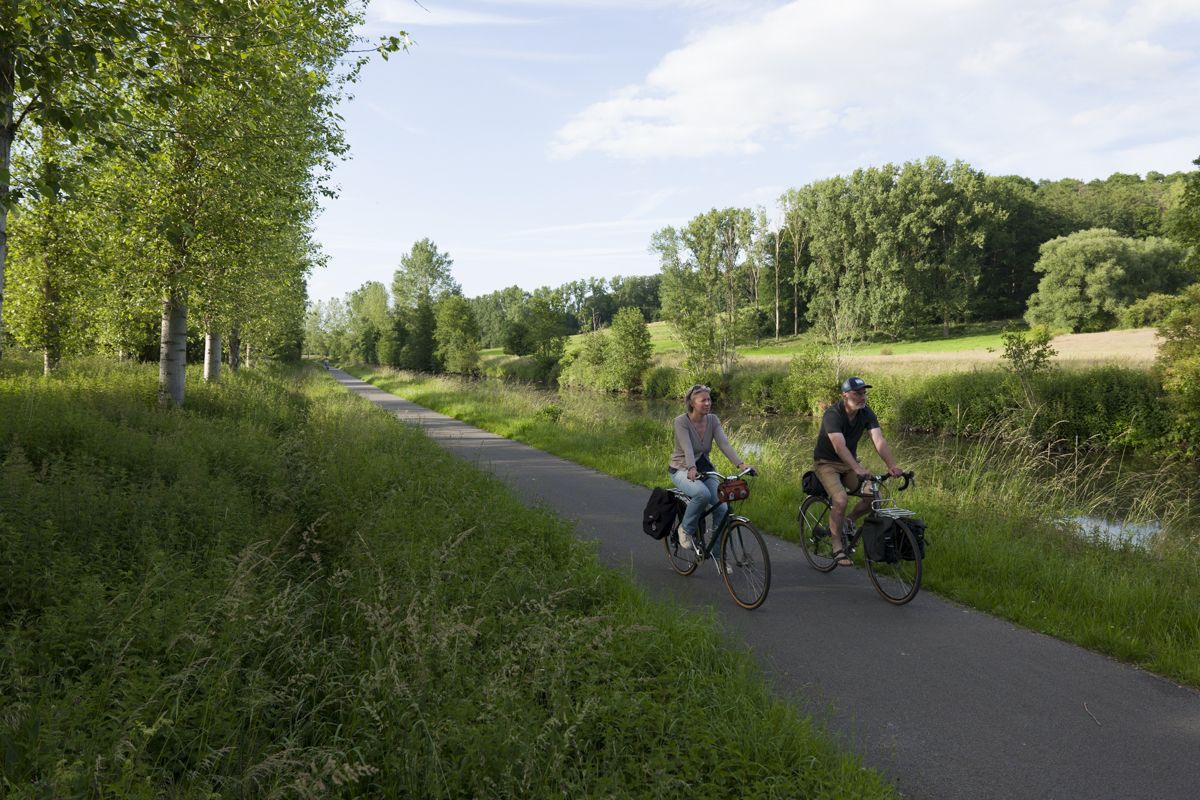
Railway line cycle path with a rest area. Unfortunately, the connection from Ronse is not yet well established.
2
0

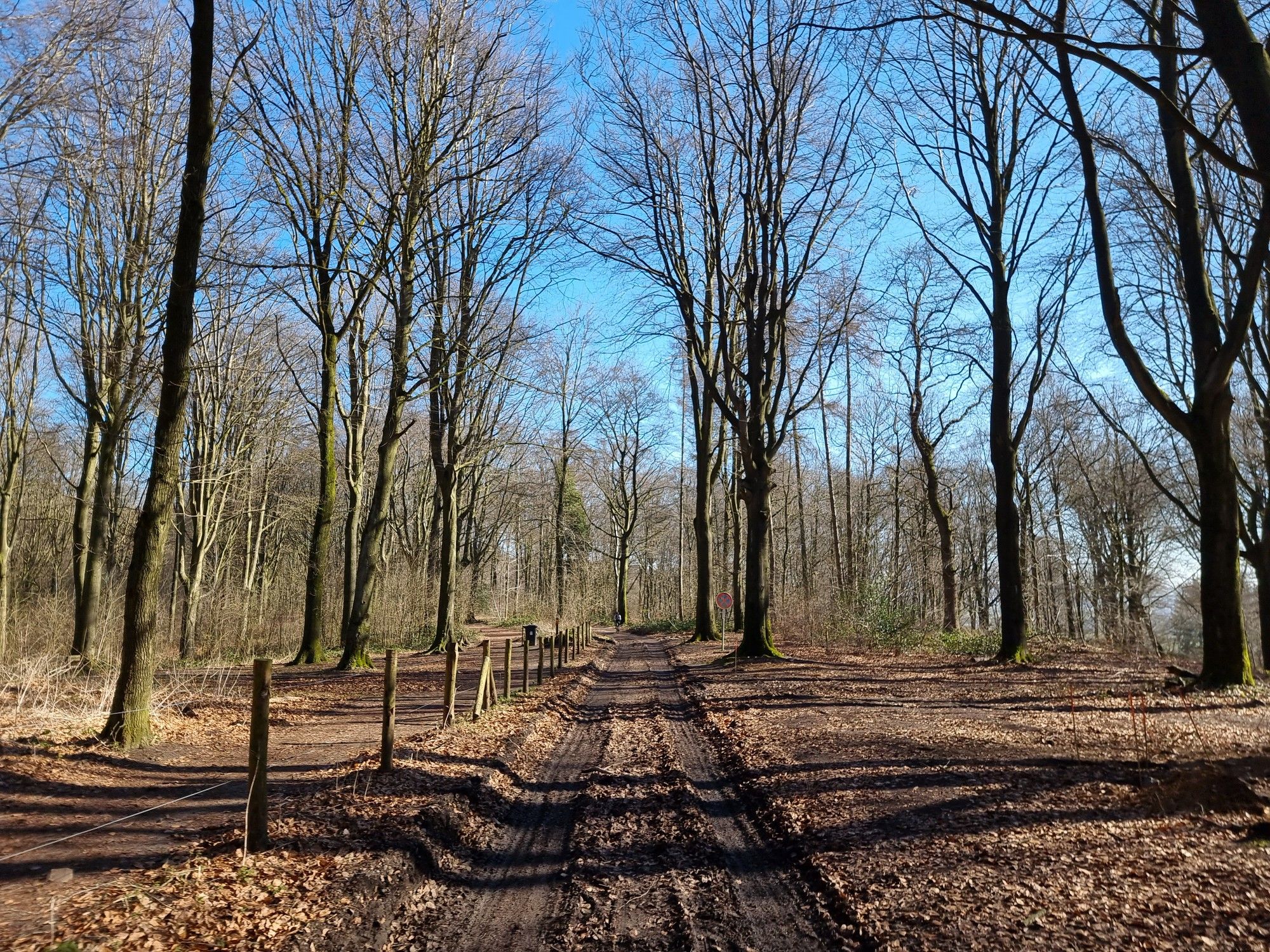
This beautiful forest is home to superb roads and trails that delight cyclists, especially gravel bike enthusiasts. You'll be in the cool of the forest and can climb its small peak at your leisure.
0
0
Nice house, pretty to look at.
1
0


Very beautiful brick castle, typical of Belgian architectural heritage
0
1

Mistletoe, a magical plant, oh so saving or heavenly? Bench to rest with works and images on this route.
1
1

Anvaing Castle was built in 1561 in a Renaissance style. Since 1781, it has belonged to the family of Counts of Lannoy. The castle is famous for having been the site of the surrender of the Belgian army on May 28, 1940. Today, it is surrounded by English and French gardens, as well as a park and a orangery.
2
0
Frequently Asked Questions
How many no traffic touring cycling routes are available in Pays Des Collines Natural Park?
There are over 200 dedicated no traffic touring cycling routes in Pays Des Collines Natural Park. These routes cater to various skill levels, with approximately 57 easy, 100 moderate, and 57 difficult options to explore.
What makes the touring cycling routes in Pays Des Collines Natural Park unique?
The routes stand out due to the region's distinctive 'supernatural hills' and undulating terrain, offering scenic climbs and panoramic vistas. You'll cycle through diverse woodlands, past charming picturesque houses, and experience a bucolic atmosphere with hedged farmlands. Many routes utilize the RAVeL des Collines, a greenway on an old railway line, ensuring a smooth, traffic-free experience.
Are there any family-friendly or easy no traffic touring cycling routes?
Yes, Pays Des Collines Natural Park offers around 57 easy touring cycling routes, perfect for families or beginners. The RAVeL des Collines is particularly suitable, as it's a greenway designed for both cyclists and pedestrians, providing a safe and enjoyable ride through scenic landscapes.
What kind of attractions can I see along the no traffic touring cycling routes?
Along the routes, you can discover a rich blend of natural and cultural heritage. Highlights include the Kluisberg - Mont de l'Enclus, offering great views, and the Witches’ Trail – Sculpture Route, which ties into the region's folklore. You might also encounter historical sites like the Hôpital Notre Dame à la Rose or the Ecomusée du Pays des Collines, and charming small heritage elements.
Are there challenging no traffic touring cycling routes for experienced cyclists?
Absolutely. The park features approximately 57 difficult routes, many with significant elevation changes. For example, the Ellezelles loop covers 45.3 km with over 570m of elevation gain, while the Roman quarry – Hubermont Forest loop is 61.5 km with nearly 900m of climbing, offering a robust challenge.
Are there circular touring cycling routes available?
Yes, many of the no traffic touring cycling routes in Pays Des Collines Natural Park are designed as loops, allowing you to start and end at the same point. Examples include the challenging Hubermont Forest – Bois Lefèbvre Forest Path loop or the more moderate IJzerweg Bridge – Oudenaarde Town Hall loop.
What do other touring cyclists enjoy most about Pays Des Collines Natural Park?
The area is highly rated by the komoot community, with an average score of 4.5 stars. Reviewers often praise the quiet, traffic-free nature of the routes, the picturesque landscapes, and the unique 'supernatural hills' that provide both a good workout and stunning views. The well-maintained greenways like the RAVeL des Collines are also frequently highlighted.
What is the best season to go touring cycling in Pays Des Collines Natural Park?
The park is enjoyable throughout the warmer months, typically from spring to autumn. Spring brings blooming wildflowers and fresh greenery, while autumn offers beautiful foliage. Summer is also popular, but be prepared for potentially warmer temperatures on climbs. Always check local weather forecasts before your ride.
Is public transport accessible near the touring cycling routes?
While the region is known for its rural charm, some towns bordering the park may have public transport connections. For detailed information on public transport options to access the park, it's recommended to consult local transport authority websites or resources like VisitWapi or VisitWallonia for regional travel advice.
Are there places to park my car when starting a touring cycling route?
Yes, many starting points for touring cycling routes, especially in and around the larger villages within the Pays Des Collines Natural Park, offer designated parking areas. It's advisable to check the specific route details on komoot for parking recommendations near your chosen starting point.
Can I find cafes or refreshment stops along the routes?
The charming villages and towns scattered throughout Pays Des Collines Natural Park often feature local cafes, bakeries, and restaurants where you can stop for refreshments. The bucolic scenery and cultural heritage mean you'll frequently pass through areas with amenities, especially in places like Ellezelles or Frasnes-lez-Anvaing.
What kind of wildlife can I expect to see on the touring cycling trails?
The diverse woodlands and bocage landscapes of Pays Des Collines Natural Park are home to various wildlife. You might spot common forest animals, a wide array of bird species, and insects. The park's commitment to preserving its natural environment ensures a rich biodiversity, making for an engaging experience for nature lovers.
Most popular routes in Pays Des Collines Natural Park
Most popular attractions in Pays Des Collines Natural Park

Get inspired with the komoot mobile app


Explore more
Browse the best Cycling routes in other regions.
