The best traffic-free bike rides in Perche
4.4
(140)
3,364
riders
203
rides
No traffic road cycling routes in Perche traverse a landscape characterized by rolling hills, green valleys, and serene forested areas. The region features undulating terrain with quiet, well-paved country roads, offering varied experiences for road cyclists. Much of the area is encompassed by the Parc naturel régional du Perche, preserving its natural beauty and providing a network of routes. This combination of natural features and low-traffic roads makes Perche a notable destination for road cycling.
Best no traffic road cycling…
Last updated: June 29, 2026
4.0
(4)
33
riders
75.2km
03:51
840m
840m
Moderate road ride. Good fitness required. Some segments of this route may be unpaved and difficult to ride.
5.0
(2)
33
riders
127km
05:39
1,190m
1,190m
Hard road ride. Very good fitness required. Mostly well-paved surfaces and easy to ride.

Sign up for free
4.8
(5)
17
riders
Hard road ride. Very good fitness required. Mostly well-paved surfaces and easy to ride.
13
riders
65.8km
02:58
430m
430m
Moderate road ride. Good fitness required. Mostly well-paved surfaces and easy to ride.
13
riders
104km
04:49
1,120m
1,110m
Hard road ride. Very good fitness required. Mostly well-paved surfaces and easy to ride.
Get access to more routes and recommendations from other explorers.
Sign up for free
Already have an account?
Our route recommendations are based on thousands of hikes, rides, and runs completed by other people on komoot.
Start today with a free account
Your next adventure awaits.
Login or Signup
Popular around Perche
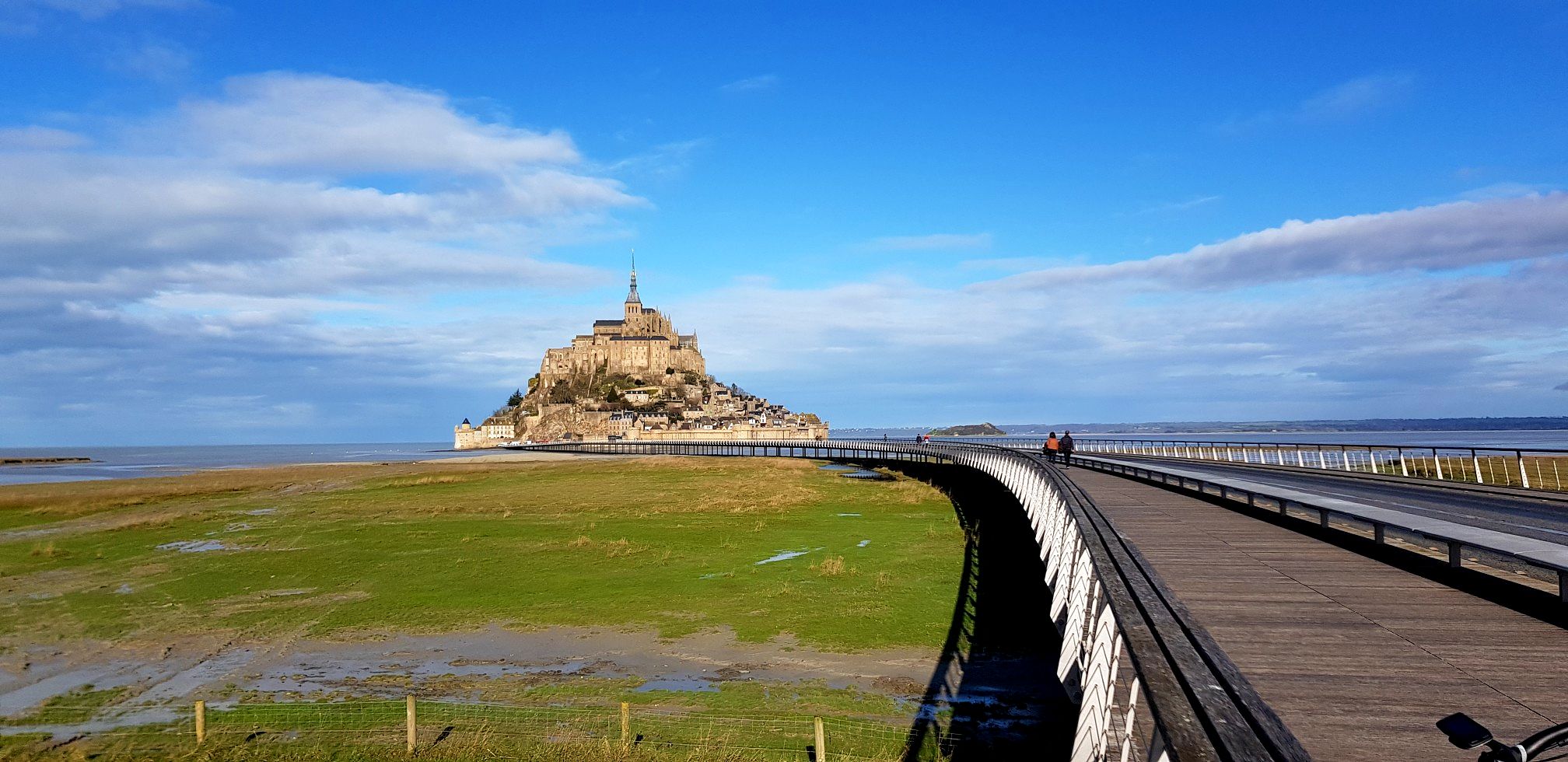
GR 22 to Mont-Saint-Michel – Miquelot's Walk
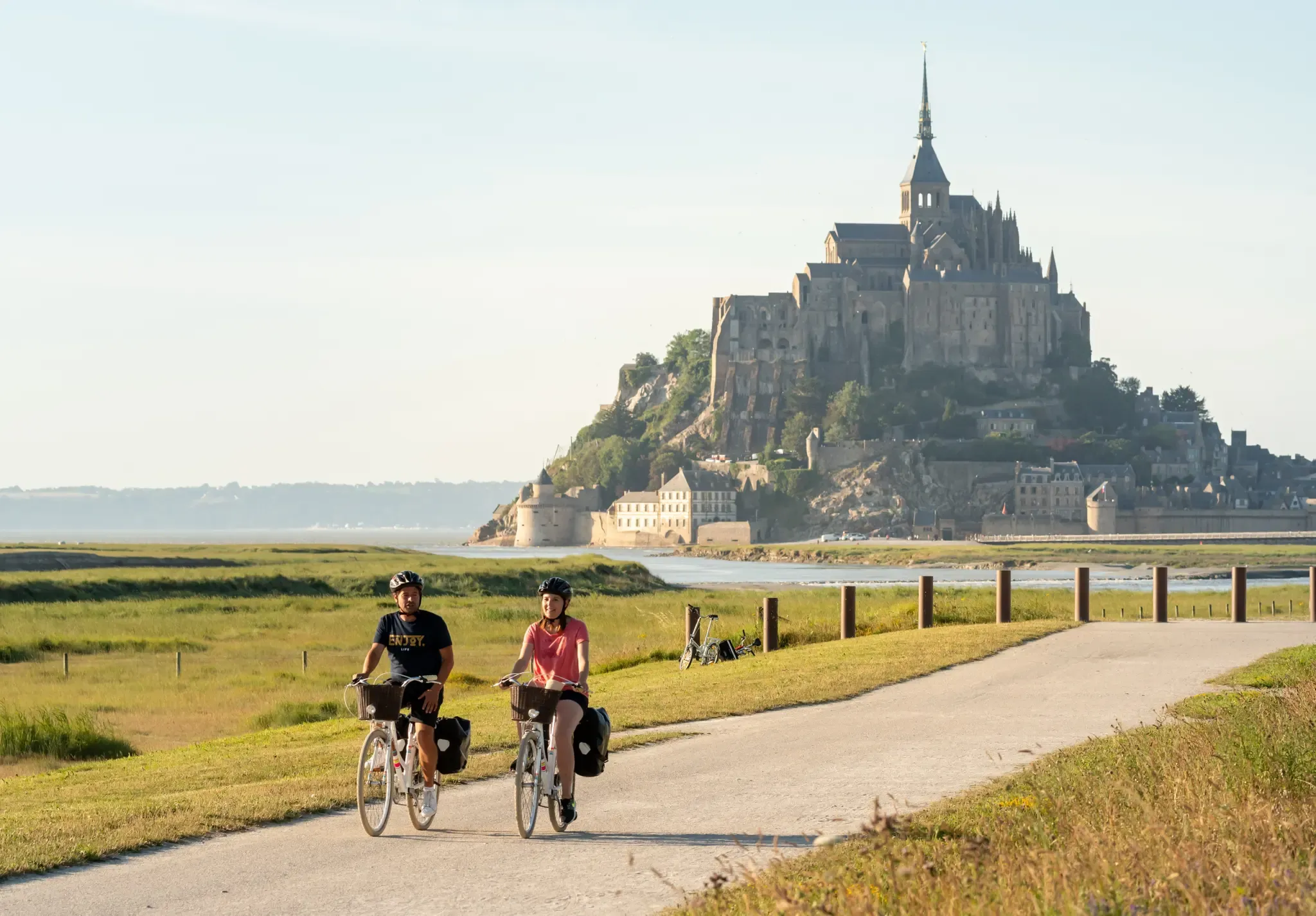
Cycling in Normandy – 7 station to station routes
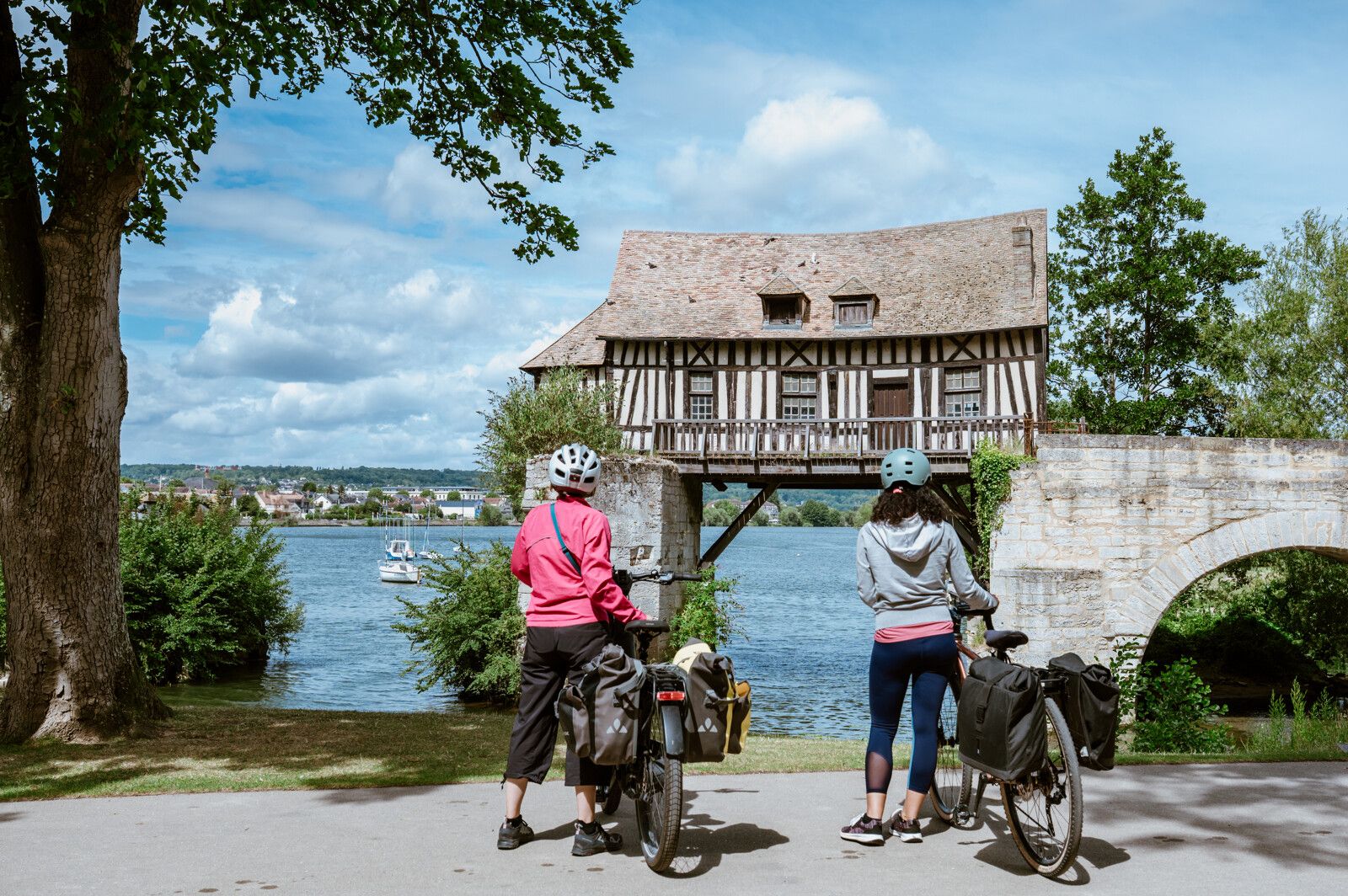
Cycling in Normandy – The most beautiful station to station routes
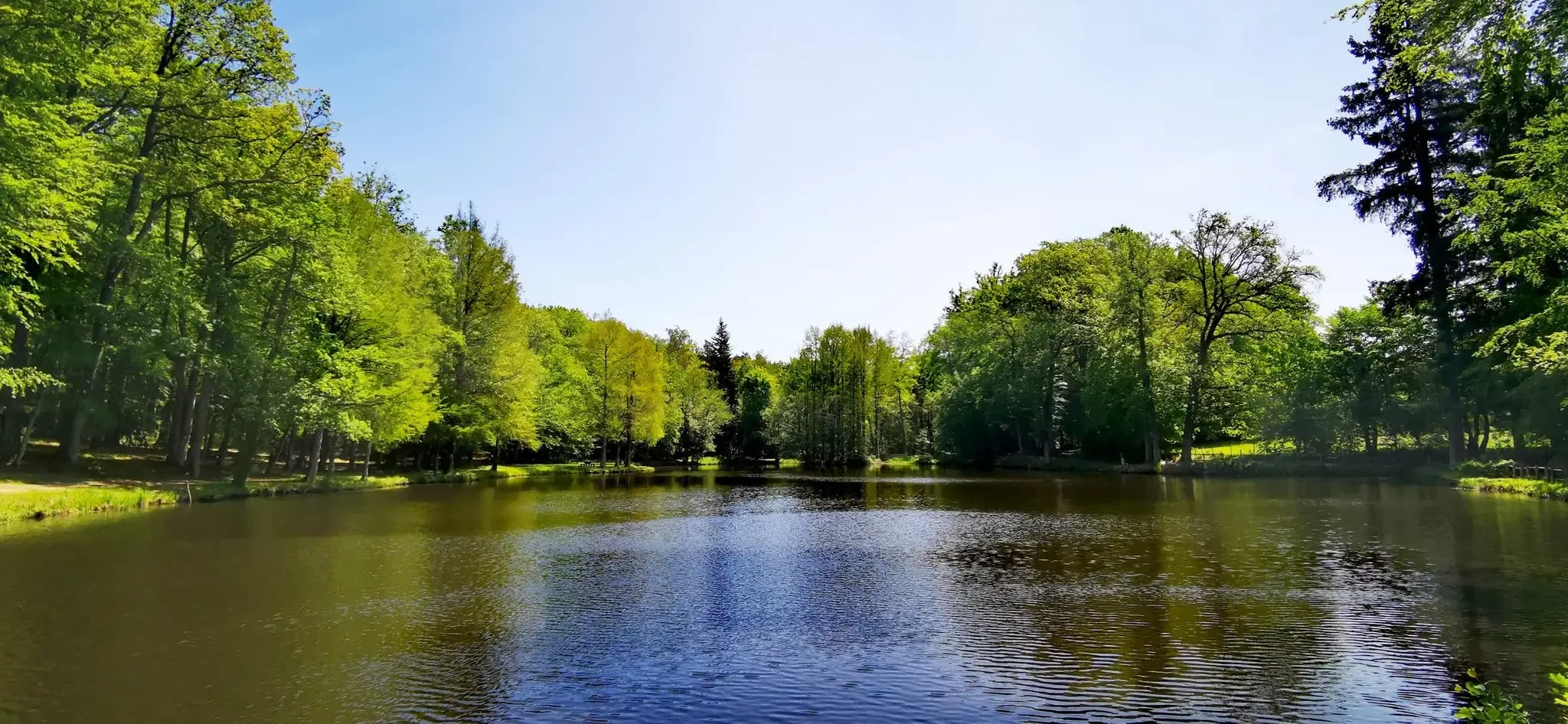
Hilly bike rides – the quiet roads of Perche in France
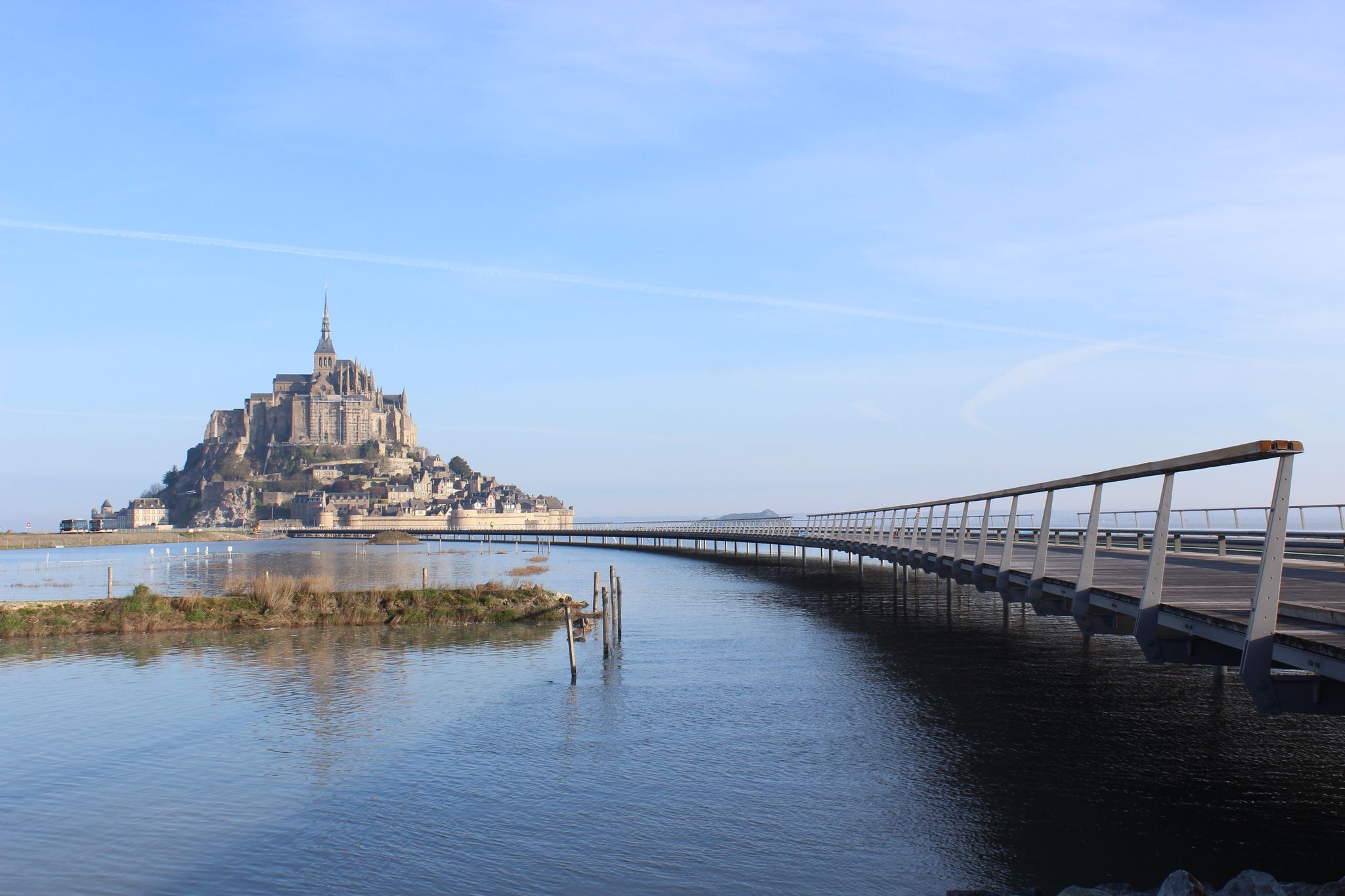
From Paris to Mont-Saint-Michel — La Véloscénie
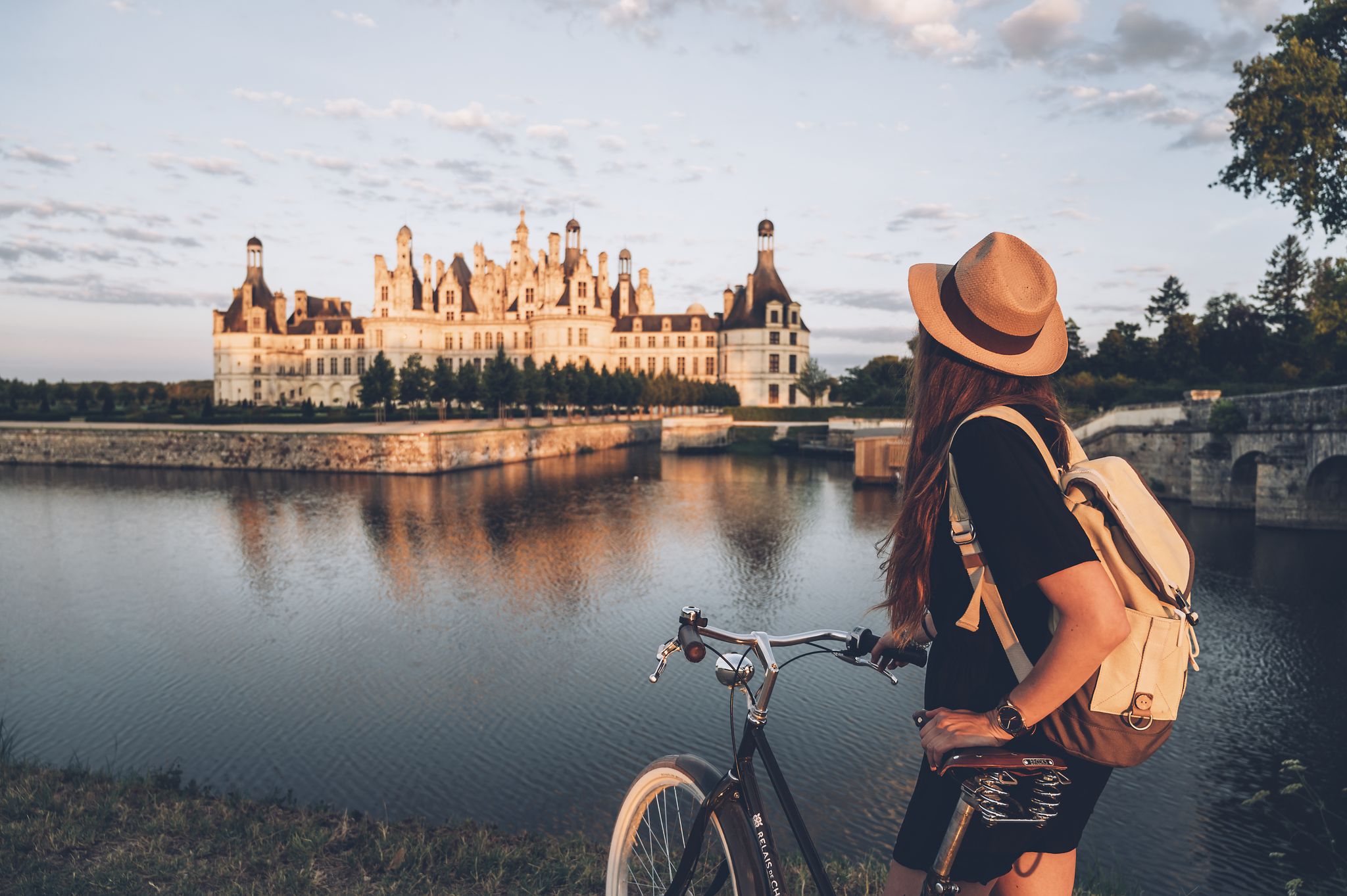
Nature and Culture — discover the Loire and its castles by bike
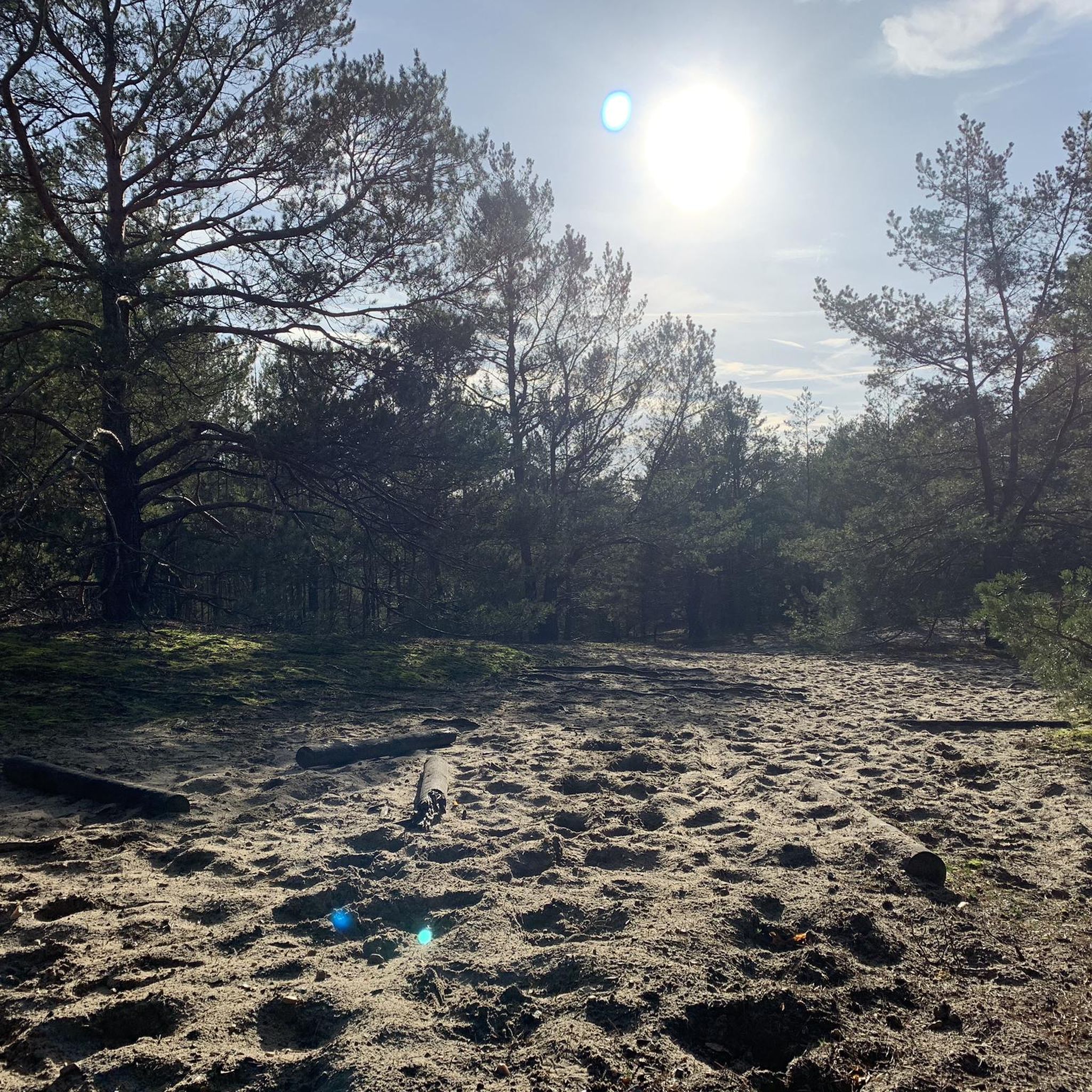
Traffic-free bike rides in Perche

Traffic-free bike rides in Perche
Other adventures in Perche


Tips from the Community

Magnificent ceiling with the possibility of lighting it up
0
0

I am delighted to see and see again the basilica of "La chapelle Montligeon" and I am proud to have been the doctor of this charming village. In the year 2000 and following after 40 years of general medicine in Paris. R.G. Dean of the "couch of doctors".
0
0

From very humble beginnings, a significant sanctuary with a very unusual patronage has emerged in La Chapelle-Montligeon, one I've never encountered anywhere else: The church here, with the papal distinction of "Basilica Minor," is not one of the usual churches dedicated to Our Lady, but rather specifically to "Our Lady, the Liberator of Souls in Purgatory." The present pilgrimage church was built at the turn of the 19th and 20th centuries, as the previous building had become far too small for the pilgrims who came here.
0
0

Moutiers is one of the oldest villages in the Perche region, built around a monastery founded in the 6th century and destroyed by the Norman invasions. This is where the village's name comes from, since "Moutiers" means monastery in Old French. On the slopes of the hill, called Mont Harou, stands the church, flanked by a few typical Perche houses that form the old town. To reach it, you'll have to navigate the steep, straight climb of Church Street or take a detour through small streets that soften the steepness of the climb. The church square offers a beautiful view of the surrounding area. Don't forget to walk around the church to admire the gargoyles, which are quite exceptional for such a small church. Restrooms and water are available right next door.
0
0

Praying for your deceased is more than necessary. If you don't pray for yours, pray for mine. 🙏🏻😇
0
0

Church built in the 12th and 16th centuries. Listed apse from the 12th century. 4-storey bell tower. Corner buttress bell with staircase turret. Renaissance portal. Large Gothic window above the portal. 16th century roof and nave. Stone statue of a bishop, 16th century paintings.
0
0
Between the green hills of Perche, the Saint-Denis church contains a 16th century baptistery listed as a Historic Monument. Explanatory plaque at the entrance. This church is Romanesque in style and has a rounded apse and a quadrangular bell tower. The baptismal font dates from the 16th century. The church is surrounded by walls made of Saint-Denis stone.
0
0
In the nearby park shaded by large trees, the ruins of fortifications recall the memory of the six towers of the old castle built in the 11th century……. In the nearby park shaded by large trees, the ruins of fortifications recall the memory of the six towers of the old castle built in the 11th century by Geoffroy IV, Count of Perche, in order to control this border region near the Chartres region, Normandy, and the possessions of the Lords of Bellême and Alençon which extended as far as Sées. During the Hundred Years' War, Charles, Count of Evreux and King of Navarre, allied with the English against the King of France, seized the fortress in 1364. It was then besieged and retaken on behalf of King Charles V by his younger brother Philip the Bold, Duke of Burgundy, using catapults that threw large stones to collapse sections of the walls. But after the English victory at Verneuil in 1424, they rushed to destroy Marchainville, setting fire to the town and the castle. The church, too, has experienced some vicissitudes. It occupies the site of a very old small monastery, given to the abbey of Saint-Evrouit by a certain Fulchierus of Chartres, who was chaplain to Baldwin I, King of Jerusalem and author of an account of the first crusade. The monks built the priory church in the 11th century, of which the thick right wall with its flat buttresses, the cornice in grison stone, and the support points of the descending roof, which housed a small adjoining cloister, still remain. The church was enlarged (end of the 15th or beginning of the 16th century) along its entire length by a side nave resting on stone arches, whose voussures connect without capitals to octagonal pillars. On the unfortunate initiative of Abbot Fleuriel, this side nave was knocked down in 1723, and the roof of the church lowered. It was not until 1810 that a new priest, Abbot Dubois, had the four arcades of the current chapel of the Virgin reopened. The three other old arcades, still visible, remain blocked in the left wall of the nave. Unfortunately, on March 15, 1820, the shock of an earthquake caused the old square bell tower of the priory, which was located above the entrance to the choir, to collapse, which caused considerable damage. Thanks to the generosity of the inhabitants and the personal contribution of the Bishop of Séez, the church was repaired and a new bell tower was erected next to the entrance porch in 1824. On the classical-style altarpiece, a painting, dated 1949, of the Holy Virgin surrounded by angels replaces the painting of the Assumption hanging in the nave. The 18th century tabernacle presents a pretty wooden statuette of the resurrected Christ, with on each side those of a holy bishop with a kneeling donor, and perhaps a Father of the Church. Two pretty statues of Saint Lawrence and Saint Peter adorn the altarpiece of the chapel of the Virgin, where in the center appears the traditional image of Our Lady of Victories presenting Jesus as a child on a starry sphere that symbolizes the world. Above, appear God the Father, his arms outstretched, and the Holy Spirit. Finally, let us not forget the curious statue of Saint Louis with his scepter, presenting the crown of thorns and the three nails of the crucifixion, nor the ancient painting, in the nave, of Saint Eloi as bishop, with his anvil of patron saint of blacksmiths.
0
0
Frequently Asked Questions
How many no traffic road cycling routes are available in Perche?
There are over 180 dedicated no traffic road cycling routes in the Perche region, offering a wide variety of experiences. You'll find routes ranging from easy, short rides to challenging, longer circuits, all designed to keep you away from heavy vehicle traffic.
What is the terrain like for road cycling in Perche?
The Perche region is characterized by its rolling hills and green valleys, offering an undulating terrain. While you won't find extreme mountain passes, many routes feature significant elevation changes and challenging gradients, providing magnificent views. For example, the Saint-Ouen-de-la-Cour – Porte Saint Denis loop from Mortagne-au-Perche includes over 1,100 meters of ascent.
Are there any easy, traffic-free road cycling routes suitable for beginners or families?
Yes, Perche offers a good selection of easier, traffic-free routes perfect for beginners or families. For instance, the Forêt Domaniale de Bellême – Saint-Ouen-de-la-Cour loop from Sérigny is an easy 18 km ride with manageable elevation, allowing you to enjoy the serene forested areas without significant challenge.
What kind of natural features and landscapes can I expect to see while cycling in Perche?
As you cycle through Perche, you'll experience lush countryside, serene forested areas, and expansive open landscapes. The region is part of the Parc naturel régional du Perche, known for its picturesque rolling hills and green valleys. You might also encounter the famous Percheron horses, for which the region is the cradle.
What cultural attractions or historic towns can I visit along the routes?
Perche is dotted with charming villages and historic towns. You can explore places like Mortagne-au-Perche with its half-timbered houses, or visit Nogent-le-Rotrou. Many routes pass by old manors, mills, and abbeys. Highlights include the Nogent-le-Rotrou Castle or the historic settlement of Bellême.
Are there any challenging no traffic road cycling routes for experienced cyclists?
Absolutely. For those seeking a challenge, Perche offers routes with significant elevation gains and longer distances. The Saint-Jouin Church of Dancé – Saint Martin Church loop from Montlandon is a difficult route spanning over 100 km with nearly 1,000 meters of ascent, providing a rewarding experience for very good fitness levels.
What do other cyclists say about road cycling in Perche?
The Perche region is highly rated by the komoot community, with an average score of 4.36 stars. Reviewers often praise the peacefulness of the small country roads with very little traffic, the beautiful undulating landscapes, and the charming villages encountered along the way.
Are there circular no traffic road cycling routes available?
Yes, many of the no traffic road cycling routes in Perche are circular, allowing you to start and end your ride in the same location. An example is the Moutiers-au-Perche – Kisses from Bizou! loop from Bretoncelles, which is a moderate 75 km circular tour.
What is the best time of year for no traffic road cycling in Perche?
The Perche region is enjoyable for cycling throughout the warmer months, typically from spring to early autumn. Spring brings blooming landscapes, while summer offers longer daylight hours. Autumn provides beautiful foliage. Always check local weather forecasts before heading out, as conditions can vary.
Where can I find parking for these traffic-free road cycling routes?
Many of the routes start from charming villages or towns like Mortagne-au-Perche, Bretoncelles, or Randonnai, where public parking is generally available. It's advisable to check the specific starting point of your chosen route on komoot for detailed parking information.
Are there any long-distance cycling routes that pass through Perche?
Yes, the notable long-distance cycling route La Véloscénie, which connects Paris to Mont-Saint-Michel, passes through the Perche region. This route utilizes greenways and quiet roads, offering an excellent way to explore the natural park and its surroundings.
Can I find places to eat or stay along the no traffic road cycling routes?
The charming villages and historic towns throughout Perche often have local cafes, restaurants, and accommodation options. Planning your route to pass through these settlements can provide convenient stops for refreshments or overnight stays, allowing you to experience the local culture.
Most popular routes in Perche
Most popular attractions in Perche

Get inspired with the komoot mobile app


Explore more
Browse the best Road cycling routes in other regions.
