The best city hikes and walks in Forêt D'Orient
4.3
(922)
4,831
hikers
43
hikes
Urban hiking trails in Forêt D'Orient offer routes through the region's towns and their immediate surroundings, characterized by a mix of historic architecture and green spaces. The area, part of the Aube department, features a landscape influenced by its proximity to the three large artificial lakes of Lac d'Orient, Lac du Temple, and Lac Amance, though urban routes focus on townscapes. These trails provide opportunities to explore local heritage and urban environments.
Best urban hiking trails in Forêt D'Orient
- The…
Last updated: June 29, 2026
13
hikers
3.44km
00:52
10m
10m
Easy hike. Great for any fitness level. Easily-accessible paths. Suitable for all skill levels.
4.5
(2)
2
hikers
Moderate hike. Good fitness required. Easily-accessible paths. Suitable for all skill levels.

Sign up for free
4.0
(1)
2
hikers
Moderate hike. Good fitness required. Easily-accessible paths. Suitable for all skill levels.
4.5
(11)
103
hikers
Easy hike. Great for any fitness level. Easily-accessible paths. Suitable for all skill levels.
4.5
(70)
495
hikers
Moderate hike. Good fitness required. Easily-accessible paths. Suitable for all skill levels.
Get access to more routes and recommendations from other explorers.
Sign up for free
Already have an account?
Our route recommendations are based on thousands of hikes, rides, and runs completed by other people on komoot.
Start today with a free account
Your next adventure awaits.
Login or Signup
Popular around Forêt D'Orient


Tips from the Community

Fun facts & legends • In 1789, the police wanted to put up fences because the alley was notorious as a meeting place for lovers. • A local legend tells of a pregnant woman who was miraculously saved when a wall “moved aside” in front of her belly. • The street is also said to have played a role during epidemics: the many cats helped keep rat populations under control. Why visit? • Very photogenic: One of the most photographed places in Troyes – often featured on postcards. • Historic and romantic: Perfect for those who love medieval towns and hidden gems. • Nearby: You’ll also find cozy cafés and a cat café (“Troyes Petits Chats”), plus a pretty courtyard called Cour du Mortier d’Or and the Jardin Juvénal-des-Ursins.
3
0
The Ruelle des Chats, or Cat Alley, is one of the most charming and famous streets in the old town of Troyes, located in the Champagne region of France. ⸻ 🏛️ History & Architecture • Medieval origins: The alley dates back to the 15th century and was rebuilt after a major fire in 1524. • Why the name “Cat Alley”?: The houses are built so that their upper floors almost lean against each other. It is said that a cat could jump from one roof to the other — hence the name. • Typical half-timbering: The street is paved with a gutter in the middle for rainwater, and the houses are half-timbered with wooden beams that stabilize the whole. ⸻ 🌆 Atmosphere & charm • Romantic appearance: The narrow passage and leaning facades create a mysterious, almost fairytale-like atmosphere. • Reconstruction: In 2014, several half-timbered houses were rebuilt based on old prints and photos. • Preserved thanks to heritage protection: In the 1960s, the street was saved from demolition by the efforts of heritage organisations and Minister André Malraux.
3
0
The 12th century Hôtel de Ville is located in the heart of the historic district of Troyes and was built by Pierre Cottard. The building is built in the style of Louis XIII and the façade with the statue of a "helmeted Minerva" has been listed as a monument historique since 1932.
3
0
In 1482, King Louis XII agreed to entrust the management of the city of Troyes to a mayor, assisted by aldermen. These functions were carried out by magistrates or merchants, usually on a voluntary basis. The first mayor of Troyes was Edmond Le Boucherat. Before him, an advisory council sat occasionally in various places in the heart of the city, such as the chapter of Saint-Pierre or the former convent of Cordeliers. In 1479, the council moved out of this aristocratic district to live permanently in the "corps du bouchon" and rented a house near the church of Saint-Urbain, then known as the Chambre de l'Échevinage, which was equipped with a bell to call meetings. In 1494, the city council bought the Hôtel de Mesgrigny, a large building from the 15th century, and in the 17th century decided to build a new city hall. Louis XIII gave permission to use a small part of the income from the tax on wine and salt. The building was therefore built gradually and was not finished until around 1672. In 1933 and 1937, two wings were added to the back by the architect F. Balley. The central facade, with its blue Tournai marble columns, has a niche with a helmeted Minerva, replacing a statue of Louis XIV that was destroyed during the French Revolution. On the monumental mantelpiece in the council chamber, there is still a large wooden medallion with the effigy of this king, sculpted in 1687 by the Trojan François Girardon (1628-1715). Another memorable trace of the Revolution on the facade is the revolutionary motto that was displayed on all French town halls at the time: "Unité, Indivisibilité de la République, Liberté, Égalité, Fraternité ou la Mort" ("Unity, Indivisibility of the Republic, Liberty, Equality, Fraternity or Death").
3
0
Opening hours: High season (1 April–31 Oct): Mon–Sat 09:30–12:30 & 14:00–18:00, Sun 14:00–18:00. Low season (1 Nov–31 Mar): Mon–Sat 09:30–12:30 & 14:00–17:00, Sun 14:00–17:00 troyeslachampagne.com . Free admission. Audio guides available in several languages (€2) .
3
0
The Église Sainte-Madeleine in Troyes is one of the oldest and most remarkable churches in the city. The Église Sainte-Madeleine combines centuries-old Gothic architecture with magnificent 16th-century stained glass windows and a monumental jubé that is one of the few remaining stone rood screens. Perfect for lovers of art history and medieval splendor – a hidden gem in the heart of Troyes.
3
0
Address: 16 Rue Aristide Briand, 10000 Troyes, France Phone: +33 3 25 82 62 70 Opening hours: Tuesday 09:00–18:00 Wednesday 09:00–18:00 Thursday 09:00–18:00 Friday 09:00–18:00 Saturday 09:00–18:00 Sunday 10:00–13:00, 14:00–18:00 Monday 09:00–18:00
3
0
"Wait for me" - Between Rue de la Cité and Rue Clemenceau This humorous and poetic work by the same sculptor as "La Ribambelle joyeuse", the Belgian artist Tom Frantzen, known for his creations that cross the line between the real and the fantastic, was installed on the old swing bridge at the end of 2018 and shows a small dog scaring a group of birds, causing them to fly away. The group is reminiscent of the cranes that fly over the Aube department every year. The artist has worked in harmony with the site, so that the movement fits in and adds lightness to these heavy bronze sculptures.
3
0
Frequently Asked Questions
How many urban hiking trails are available in Forêt D'Orient?
Forêt D'Orient offers a wide selection of urban hiking trails, with over 40 routes to explore. These trails range from easy strolls to more moderate walks, providing options for various fitness levels.
What kind of urban hiking experiences can I expect in Forêt D'Orient?
Urban hikes in Forêt D'Orient often blend natural beauty with cultural and historical elements. You can expect to walk through charming towns, discover unique architecture like the half-timbered houses, and enjoy views of the surrounding landscapes, including the famous lakes. Many routes are circular, allowing you to start and end at the same point.
Are there easy urban hikes suitable for beginners or families?
Yes, Forêt D'Orient has many easy urban hikes perfect for beginners and families. For example, the Mooie vakwerkhuizen – Saint-Nizier Church, Troyes loop from Pont-Sainte-Marie is an easy 3.7 km route. Another accessible option is the Maison des Marais loop from Saint-Julien-les-Villas, which is around 5 km.
What are some notable sights or attractions along the urban hiking trails?
Many urban trails in the region offer glimpses of local heritage and natural beauty. You might encounter historical churches like the Saint-Quentin Church in Dienville, or enjoy views of the expansive Orient Lake. Some routes also pass through charming town centers with unique architecture, such as the beautiful half-timbered houses found in Troyes.
Are the urban hiking trails in Forêt D'Orient dog-friendly?
Generally, dogs are welcome on most urban hiking trails in Forêt D'Orient, especially if kept on a leash. It's always a good idea to check specific trail regulations or local signage, particularly in nature reserve areas, but many paths through towns and along lake edges are suitable for walking with your dog.
What is the best time of year to go urban hiking in Forêt D'Orient?
Urban hiking in Forêt D'Orient is enjoyable throughout much of the year. Spring and autumn offer pleasant temperatures and beautiful scenery, with changing foliage in the fall. Summer is also popular, though it can be warmer, while winter walks can be picturesque, especially if you're prepared for cooler weather. The region's lakes and forests provide diverse landscapes in every season.
Are there any urban hikes that offer scenic views?
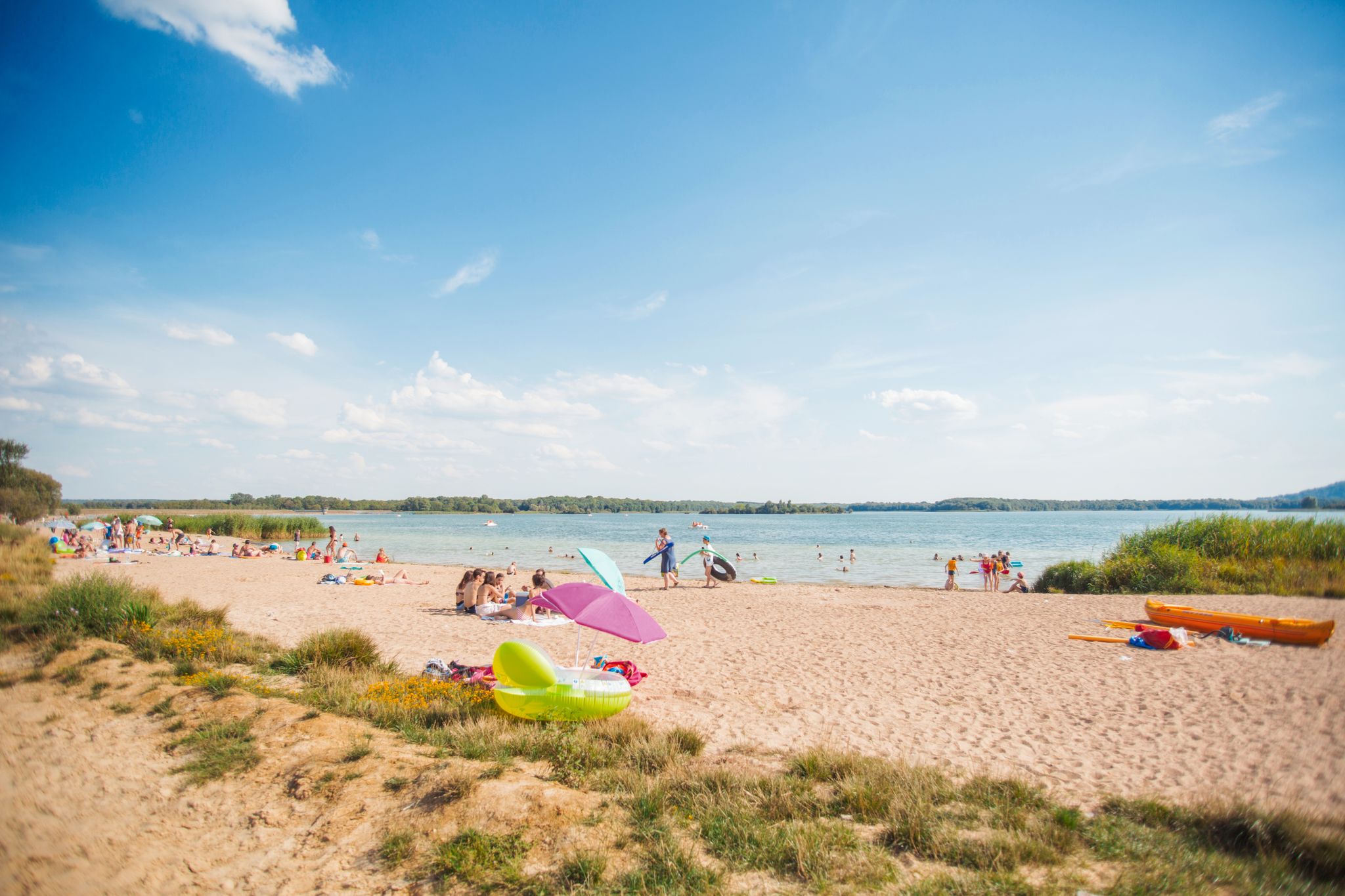
Yes, several urban hikes provide scenic views, particularly those that skirt the edges of the large lakes. While specific urban routes might not climb high, they often offer picturesque perspectives of the water and surrounding towns. Look for trails that mention lakeside paths or viewpoints, such as those near View of Forêt d'Orient Lake.
How long do urban hiking trails typically take in Forêt D'Orient?
The duration of urban hikes varies. Many easy routes can be completed in 1-2 hours, while moderate trails might take 2-4 hours. For instance, the Beautiful half-timbered houses – Place de la Liberation loop from Troyes is a moderate 8.4 km route that typically takes around 2 hours.
Is public transport available to access urban hiking trailheads?
Access to urban hiking trailheads via public transport can vary. While larger towns like Troyes have bus services, many smaller villages and specific starting points for trails might require a car. It's advisable to check local bus schedules for the specific town or village where your chosen trail begins.
What do other hikers enjoy most about urban hiking in Forêt D'Orient?
The komoot community highly rates the urban hiking experiences in Forêt D'Orient, with an average score of 4.3 stars. Reviewers often praise the well-maintained paths, the charming blend of historical architecture and natural landscapes, and the peaceful atmosphere. The opportunity to explore local towns and enjoy lakeside views is frequently highlighted.
Are there circular urban hiking routes available?
Yes, many urban hiking routes in Forêt D'Orient are designed as circular loops, making them convenient for day trips. Examples include the Place de la Liberation – Beautiful half-timbered houses loop from Saint-Julien-les-Villas, and the Cats' Alley – Beautiful half-timbered houses loop from Pont-Sainte-Marie, both offering a return to your starting point.
Most popular routes in Forêt D'Orient
Most popular attractions in Forêt D'Orient

Get inspired with the komoot mobile app


