The best traffic-free bike rides in Camargue
4.1
(110)
2,040
riders
19
rides
No traffic road cycling routes in Camargue traverse a unique and predominantly flat landscape, characterized by its extensive river delta. This region features vast marshes, tranquil reed beds, and large brine lagoons, with the Étang de Vaccarès being a prominent natural landmark. Cyclists will also encounter cultivated areas, including rice fields, alongside picturesque Mediterranean coastal paths and dunes. The topography makes it ideal for road cycling across various skill levels.
Best no traffic road cycling routes in Camargue
- The most…
Last updated: October 3, 2026
4.1
(11)
177
riders
Moderate road ride. Great for any fitness level. Some segments of this route may be unpaved and difficult to ride.
3.9
(9)
125
riders
Easy road ride. Great for any fitness level. Mostly well-paved surfaces and easy to ride.

4.7
(3)
78
riders
Easy road ride. Great for any fitness level. Mostly well-paved surfaces and easy to ride.
4.3
(4)
87
riders
32.3km
01:18
20m
20m
Moderate road ride. Great for any fitness level. Some segments of this route may be unpaved and difficult to ride.
27
riders
Easy road ride. Great for any fitness level. Mostly well-paved surfaces and easy to ride.
Get access to more routes and recommendations from other explorers.
Already have an account?
Our route recommendations are based on thousands of hikes, rides, and runs completed by other people on komoot.
Start today with a free account
Your next adventure awaits.




Tips from the Community

At the next intersection (200m) take the Cacharel road which is much more pleasant and less busy. A change of scenery guaranteed!
0
0

Beautiful old town with small alleys and many shops and restaurants.
3
0

Beautiful town by the sea
1
0

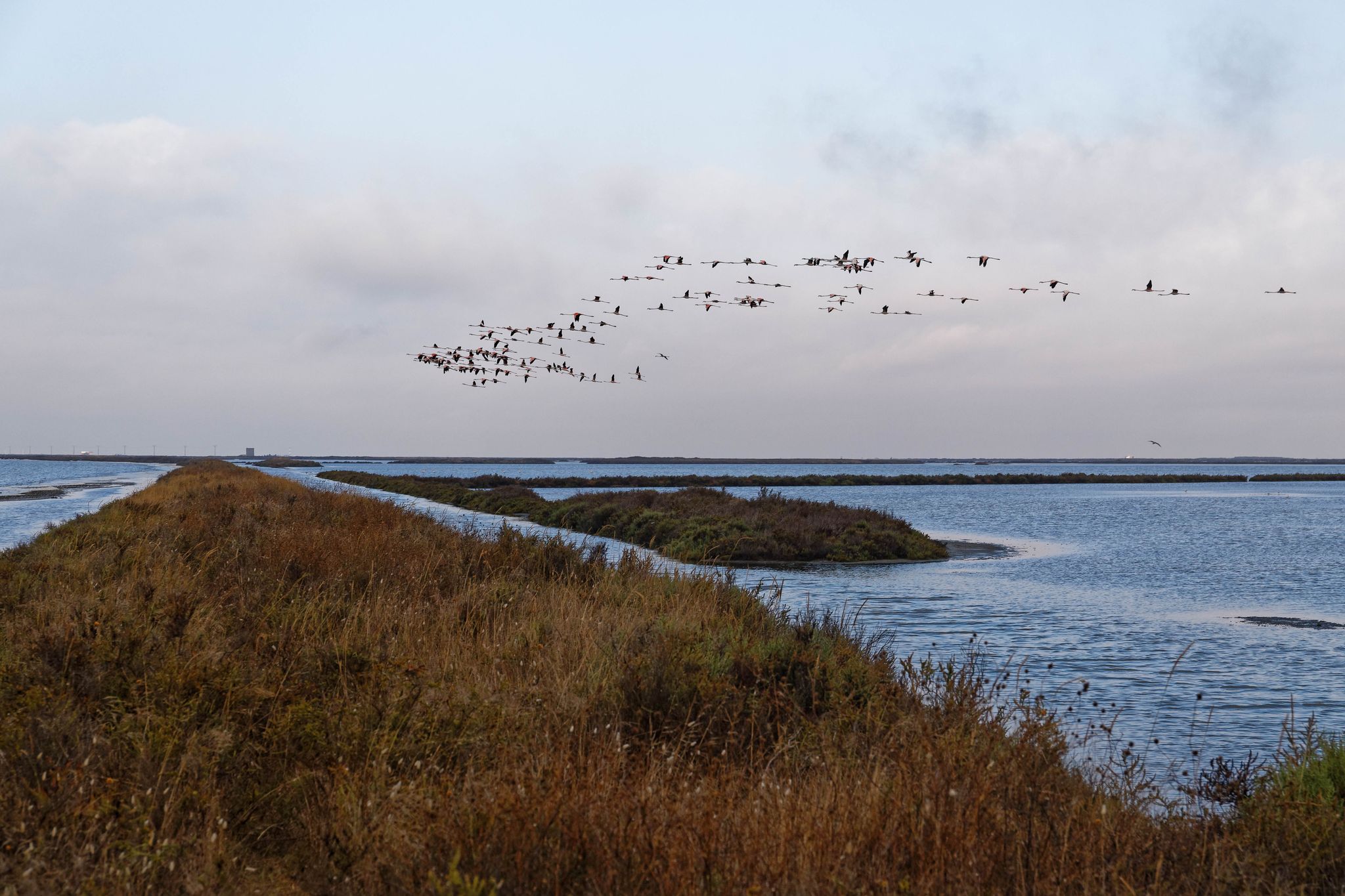
You can observe flamingos everywhere here in peace and quiet.
1
0

The new town hall was built in 1930 in Mediterranean style and is located on Place des Gitanes. The modern color scheme gives it an elegant look.
13
0

From April to September the ferry runs from 9:00 a.m. to 12:00 p.m. and between 1:30 p.m. and 6:00 p.m. (As of 09/23). If you come at the wrong time, you can bridge the forced break in the bar or restaurant next to the ferry. Probably a popular meeting place on Sundays.
1
0

Ferry allowing you to cross the Petit Rhône downstream from the Sylvéréal bridge. (passage every 30 minutes check the operation on the site).
2
0

Like its counterpart, the Barcarin ferry on the Rhône side, the Sauvage ferry provides access to the Camargue via the Petit Rhône. This is a cable ferry that operates all year round. A departure is every 30 minutes and the crossing is free. The information is available on the site of the mixed syndicate of the crossing of the deltas of the Rhône: http://smtdr.polesud.fr/bac-du-sauvage/heures/
2
0
Frequently Asked Questions
How many traffic-free road cycling routes are available in Camargue?
There are 14 dedicated traffic-free road cycling routes in Camargue featured in this guide. These routes are designed for racebikes and range from easy to moderate difficulty, making the region accessible for various skill levels.
What kind of terrain can I expect on Camargue's traffic-free road cycling routes?
Camargue is known for its remarkably flat topography, making it ideal for road cycling. You'll primarily encounter flat roads traversing extensive marshes, vast salt flats, tranquil reed beds, and large brine lagoons known as étangs. Some routes also pass through cultivated rice fields and along picturesque Mediterranean coastal paths.
What are the best times of year to enjoy traffic-free road cycling in Camargue?
The generally mild weather in Camargue makes cycling enjoyable for much of the year. The best times are typically from March to June and September to early November. During these periods, the natural beauty is at its peak, and the temperatures are comfortable for longer rides.
Are there any easy, shorter traffic-free road cycling routes for beginners or a quick ride?
Yes, Camargue offers several easy routes perfect for beginners or those looking for a shorter ride. An excellent option is the Ferry on the Rhône River loop from Salin-de-Giraud, which is approximately 20 km long and features minimal elevation gain. Another easy route is the Notre-Dame-de-la-Mer Church – Bac du Sauvage Ferry Crossing loop from Saintes-Maries-de-la-Mer, covering about 30 km.
What wildlife can I expect to see while cycling in Camargue?
Camargue is a haven for wildlife, especially birds. You're very likely to spot large populations of pink flamingos wading in the marshes and lagoons, particularly around the Etang de Vaccares - Camargue National Nature Reserve. Cyclists frequently encounter the iconic white Camargue horses and black bulls roaming freely in the expansive marshlands and on traditional manades (ranches).
Are there any notable landmarks or attractions along these traffic-free routes?
Absolutely. Many routes offer views of significant natural and cultural landmarks. You can cycle past the vast Etang de Vaccares - Camargue National Nature Reserve, observe flamingos at the Flamingo Observation in the Camargue Regional Natural Park, or see the Saintes-Maries-de-la-Mer Fortified Church. The salt flats, especially around Salin de Giraud, also offer visually striking pink and purple hues.
What do other road cyclists enjoy most about the traffic-free routes in Camargue?
The Camargue's traffic-free road cycling routes are highly rated by the komoot community, with an average score of 4.2 stars. Reviewers often praise the region's unique, flat landscape, the abundance of wildlife sightings like flamingos and horses, and the peaceful experience of cycling away from vehicle traffic. The well-maintained paths and stunning natural scenery are frequently highlighted.
Are there any longer, more challenging traffic-free road cycling routes in Camargue?
Yes, for those seeking a longer ride, routes like the Branch line to the D570 – Rice fields along the D 202 loop from Saintes-Maries-de-la-Mer offer a moderate challenge, covering over 80 km. Another moderate option is the Bac de Barcarin Ferry Crossing – Napoleon Beach loop from Mas-Thibert, which is approximately 67 km long.
Can I find circular traffic-free road cycling routes in Camargue?
Many of the traffic-free road cycling routes in Camargue are designed as loops, allowing you to start and end at the same point. Examples include the Vaccarès Lagoon – Camargue Salt Flats loop from Villeneuve and the Ferry on the Rhône River loop from Salin-de-Giraud, providing convenient options for exploration.
Is it possible to rent bikes in Camargue for these routes?
Yes, bike rentals are readily available in Camargue, particularly in towns like Saintes-Maries-de-la-Mer. This makes it convenient for visitors who don't bring their own equipment to enjoy the region's extensive network of cycle paths and quiet roads.
What should I pack or wear for road cycling in Camargue?
Given the flat terrain and open landscapes, sun protection is crucial. Pack sunscreen, sunglasses, and a hat. Lightweight, breathable cycling attire is recommended. While the weather is generally mild, a light windbreaker can be useful, especially near the coast or during cooler months. Always carry enough water, as some routes may have limited access to facilities.
Most popular routes in Camargue
Most popular attractions in Camargue

Get inspired with the komoot mobile app


Explore more
Browse the best Road cycling routes in other regions.
