The best hikes from bus stations in Brière
4.4
(3779)
32,439
hikers
87
hikes
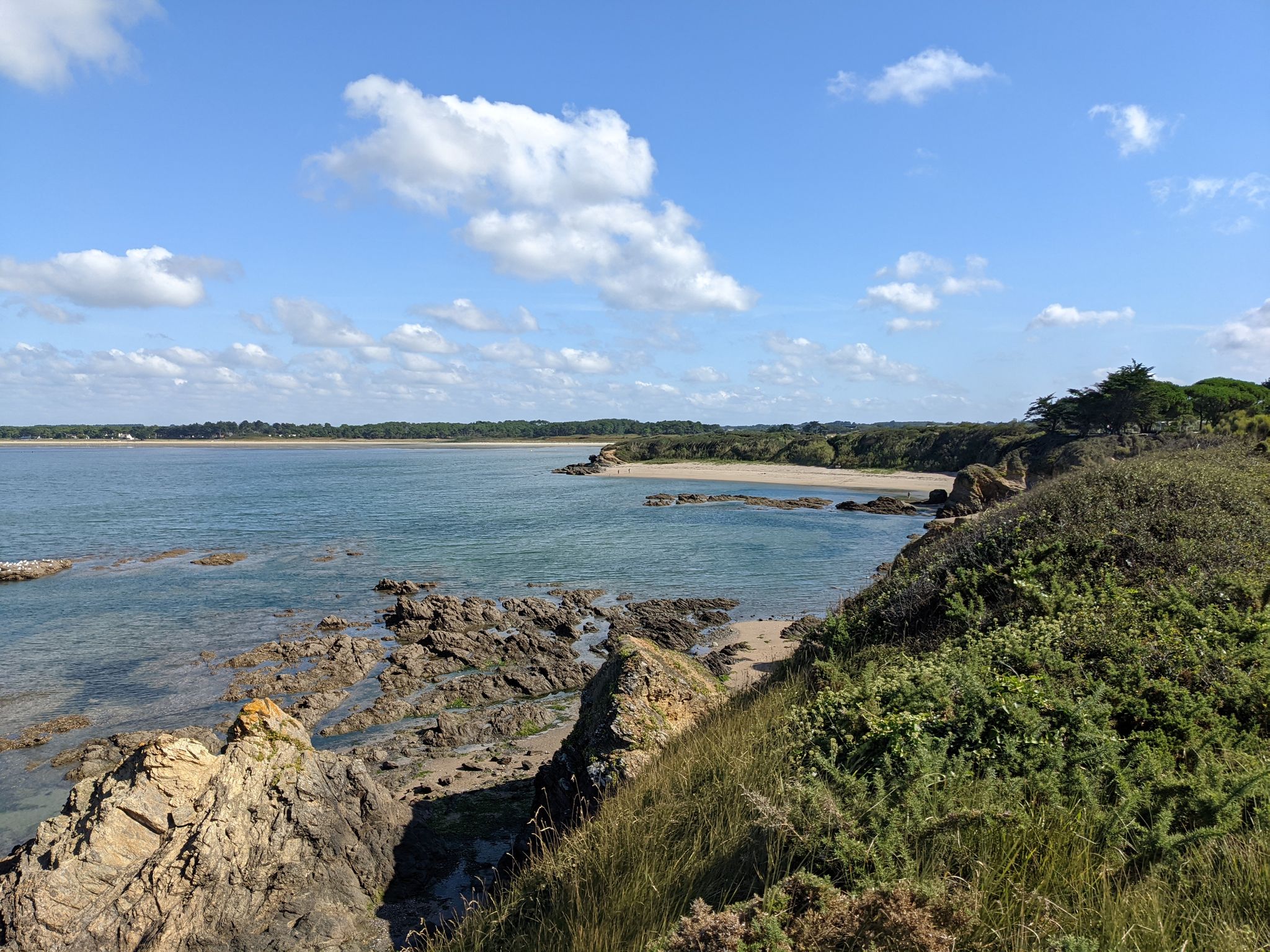
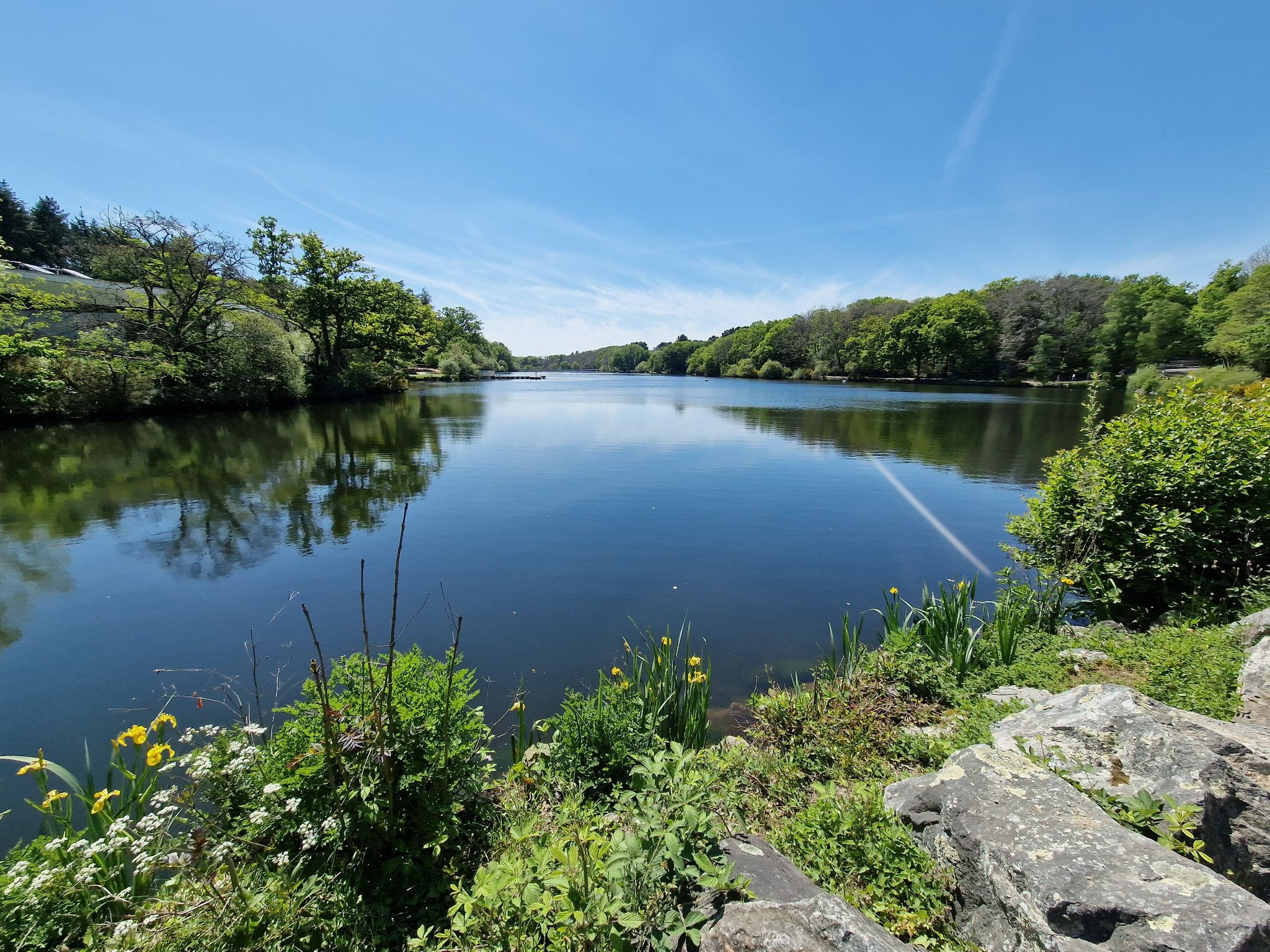
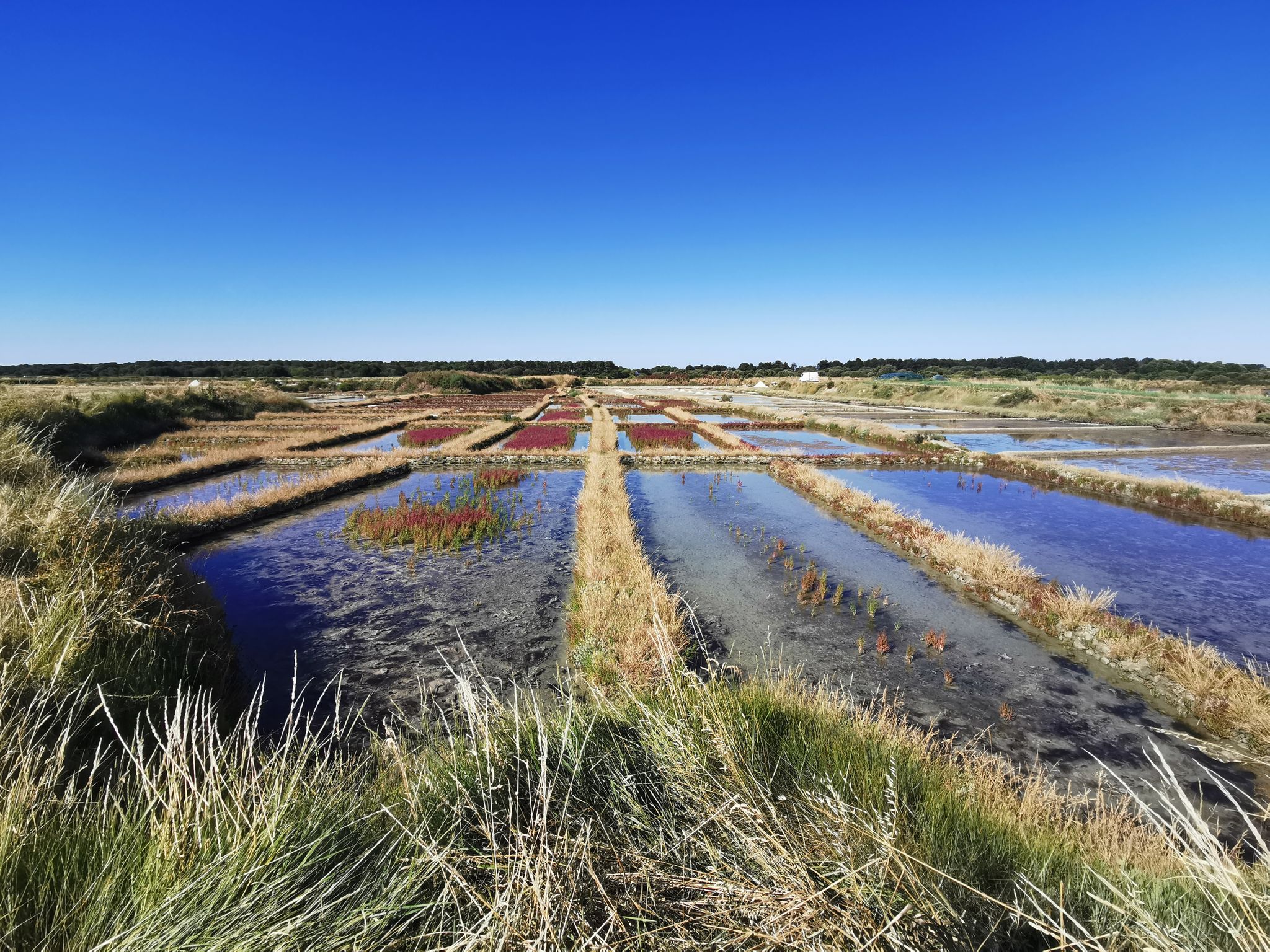
Bus station hiking trails in Brière explore a unique wetland ecosystem in southern Brittany, France. This Regional Natural Park is characterized by its extensive network of freshwater marshes, salt marshes, wet meadows, and peat bogs, covering over 40,000 hectares. The landscape features a dense maze of canals, reed beds, and waterways, with small "islands" of dry land amidst the wetlands. The terrain is generally flat, offering accessible paths through diverse natural habitats.
Best bus station hiking trails in Brière
- The…
Last updated: October 3, 2026
4.7
(16)
85
hikers
9.57km
02:26
30m
30m
Moderate hike. Good fitness required. Easily-accessible paths. Suitable for all skill levels.
4.3
(8)
49
hikers
10.8km
02:44
20m
20m
Moderate hike. Good fitness required. Easily-accessible paths. Suitable for all skill levels.

4.5
(11)
50
hikers
5.11km
01:18
20m
20m
Easy hike. Great for any fitness level. Easily-accessible paths. Suitable for all skill levels.
3.4
(5)
34
hikers
Moderate hike. Good fitness required. Easily-accessible paths. Suitable for all skill levels.
4.5
(2)
31
hikers
13.2km
03:19
20m
20m
Moderate hike. Good fitness required. Easily-accessible paths. Suitable for all skill levels.
Get access to more routes and recommendations from other explorers.
Already have an account?
Our route recommendations are based on thousands of hikes, rides, and runs completed by other people on komoot.
Start today with a free account
Your next adventure awaits.
Other adventures in Brière


Tips from the Community

Medieval washhouse that looks like an artificial pond. Unfortunately completely dry when I passed by.
0
0
Attention when crossing as you have to carry the bike.
0
0
Le Moulin de la Fée is an old flour mill converted into a wind turbine, capable of producing electricity for about 20 households.
0
0
The unmissable and typical village of Grande Brière
0
0

Mixed road and path. Thatched villages. Dolmen. Gallo-Roman bridge
0
0

High viewpoint over the Briére marsh
0
0
To do in different seasons to see the evolution of the marsh.
2
0
Frequently Asked Questions
How many hiking trails are accessible from bus stations in Brière?
Brière offers nearly 100 hiking trails that are easily accessible from various bus stations. These routes cater to a range of abilities, with over 30 easy trails, more than 50 moderate options, and a few challenging paths for experienced hikers.
What kind of terrain can I expect on bus-accessible hikes in Brière?
The terrain in Brière is predominantly flat, characterized by extensive wetlands, canals, and peat bogs. You'll encounter well-maintained paths, often alongside waterways, and through wet meadows. While elevation changes are minimal, some routes may involve walking on slightly raised 'islands' of dry land. The landscape is unique, sometimes referred to as the 'black country' due to its peat.
Are there easy bus-accessible hikes suitable for families or beginners?
Yes, Brière has many easy bus-accessible routes perfect for families and beginners. These trails typically feature gentle terrain and shorter distances. For example, the Kerhinet Village – Pont de Gras loop from Dolmen de Kerbourg A is an easy 5 km hike that offers a pleasant introduction to the area's charm.
Which bus-accessible trails offer the best views of the Brière marshes?
For panoramic views of the vast marshlands, consider routes that pass near viewpoints. The Rozé Locks – Rozé Port and Viewpoint loop from Saint-Malo-de-Guersac is an excellent choice, bringing you close to the Rozé Port and Viewpoint, which offers a 360-degree perspective. Another route, the Rozé Viewpoint – Rozé Canal loop from Saint-Malo-de-Guersac, also provides great marshland vistas.
Can I find circular hiking routes accessible by bus in Brière?
Absolutely. Many of the bus-accessible trails in Brière are circular, allowing you to start and end your hike at the same point, often near a bus stop. Examples include the Pont de Gras – Dolmen de Kerbourg loop from Dolmen de Kerbourg A and the Brothaus – Waschplatz loop from Dolmen de Kerbourg A, both offering convenient circular options.
Are there any bus-accessible trails that pass through traditional thatched villages?
Yes, Brière is famous for its picturesque thatched-roof villages. The Kerhinet Village – Pont de Gras loop from Dolmen de Kerbourg A is an easy route that takes you through or near Kerhinet Village, which functions as an open-air museum showcasing local architecture. This allows you to experience the unique cultural heritage of the region directly from a bus-accessible trailhead.
What is the best time of year to hike in Brière using public transport?
The best times for hiking in Brière are generally spring (April-May) when the flora is in bloom, and autumn (September-October) for vibrant foliage colors. During these seasons, the weather is typically pleasant, and the natural beauty of the wetlands is at its peak. Birdwatching is also excellent during migratory periods in spring and autumn.
Are bus-accessible trails in Brière dog-friendly?
Many trails in Brière are dog-friendly, but it's crucial to keep your dog on a leash, especially given the rich biodiversity and presence of migratory birds in the Regional Natural Park. Always check local signage for specific rules regarding pets on individual trails or in protected areas.
What interesting landmarks or natural features can I see along bus-accessible routes?
Beyond the vast marshes, bus-accessible routes can lead you to several interesting points. You might encounter the Pont de Gras, a notable bridge, or the historic Crossac site. The region is also home to unique natural monuments like the Port of Bréca and the Pierre Constant Site – Brière Marsh Nature Reserve, offering glimpses into the area's natural and cultural heritage.
What do other hikers enjoy most about hiking in Brière?
The Brière region is highly rated by the komoot community, with an average score of 4.5 stars. Reviewers often praise the unique wetland landscapes, the tranquility of the marsh, and the excellent birdwatching opportunities. Many appreciate the well-maintained paths and the chance to discover traditional thatched villages, making for a distinctive and peaceful outdoor experience.
Are there cafes or places to eat near bus-accessible trailheads in Brière?
While Brière is a natural park, some villages and towns that serve as bus stops and trailheads do offer amenities. For instance, Kerhinet Village, a popular starting point for hikes, has facilities and sometimes local markets. It's advisable to check specific village information or carry provisions, especially for longer hikes, as services might be spread out within the park.
Most popular routes in Brière
Most popular attractions in Brière

Get inspired with the komoot mobile app


Explore more
Browse the best Hikes in other regions.
