The best traffic-free bike rides in Calanques
4.3
(2125)
27,135
riders
192
rides
No traffic touring cycling routes in Calanques navigate a landscape characterized by dramatic limestone massifs and steep-walled sea inlets known as calanques. The region features a rugged Mediterranean coastline with towering cliffs and turquoise waters. Terrain varies from coastal paths to mountainous areas, offering diverse cycling experiences. These routes provide views of the Mediterranean Sea and unique geological formations.
Best no traffic touring cycling routes in Calanques
- The most popular no traffic touring cycling route is View of Cassis –…
Last updated: June 29, 2026
4.8
(101)
834
riders
26.7km
02:16
900m
900m
Hard bike ride. Very good fitness required. Mostly paved surfaces. Suitable for all skill levels.
4.3
(6)
64
riders
20.0km
01:49
610m
610m
Hard bike ride. Very good fitness required. Mostly paved surfaces. Suitable for all skill levels.

Sign up for free
4.1
(7)
85
riders
42.5km
03:51
1,070m
1,070m
Hard bike ride. Very good fitness required. Mostly paved surfaces. Suitable for all skill levels.
5.0
(1)
100
riders
34.3km
02:34
510m
510m
Hard bike ride. Very good fitness required. Mostly paved surfaces. Suitable for all skill levels.
3.0
(1)
78
riders
Easy bike ride. Great for any fitness level. Mostly paved surfaces. Suitable for all skill levels.
Get access to more routes and recommendations from other explorers.
Sign up for free
Already have an account?
Our route recommendations are based on thousands of hikes, rides, and runs completed by other people on komoot.
Start today with a free account
Your next adventure awaits.
Login or Signup


Tips from the Community

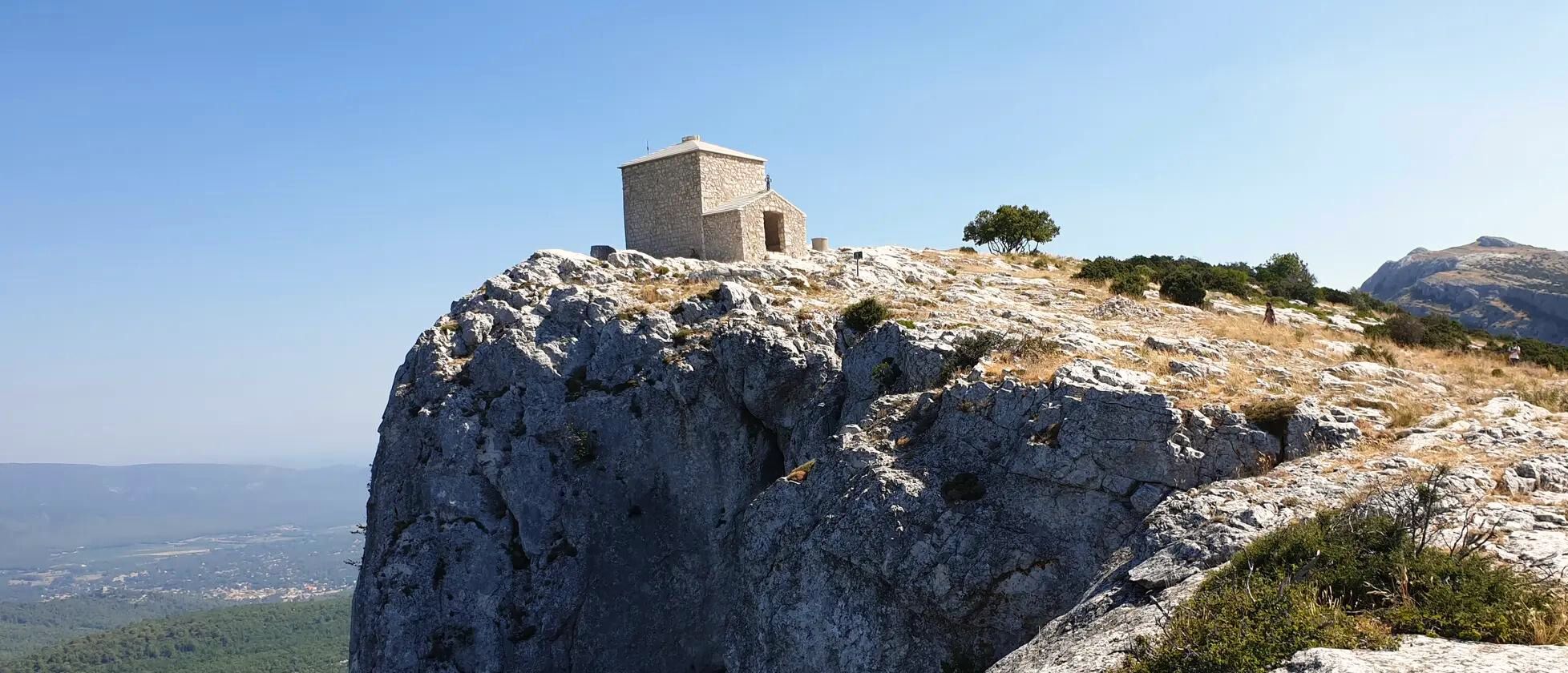
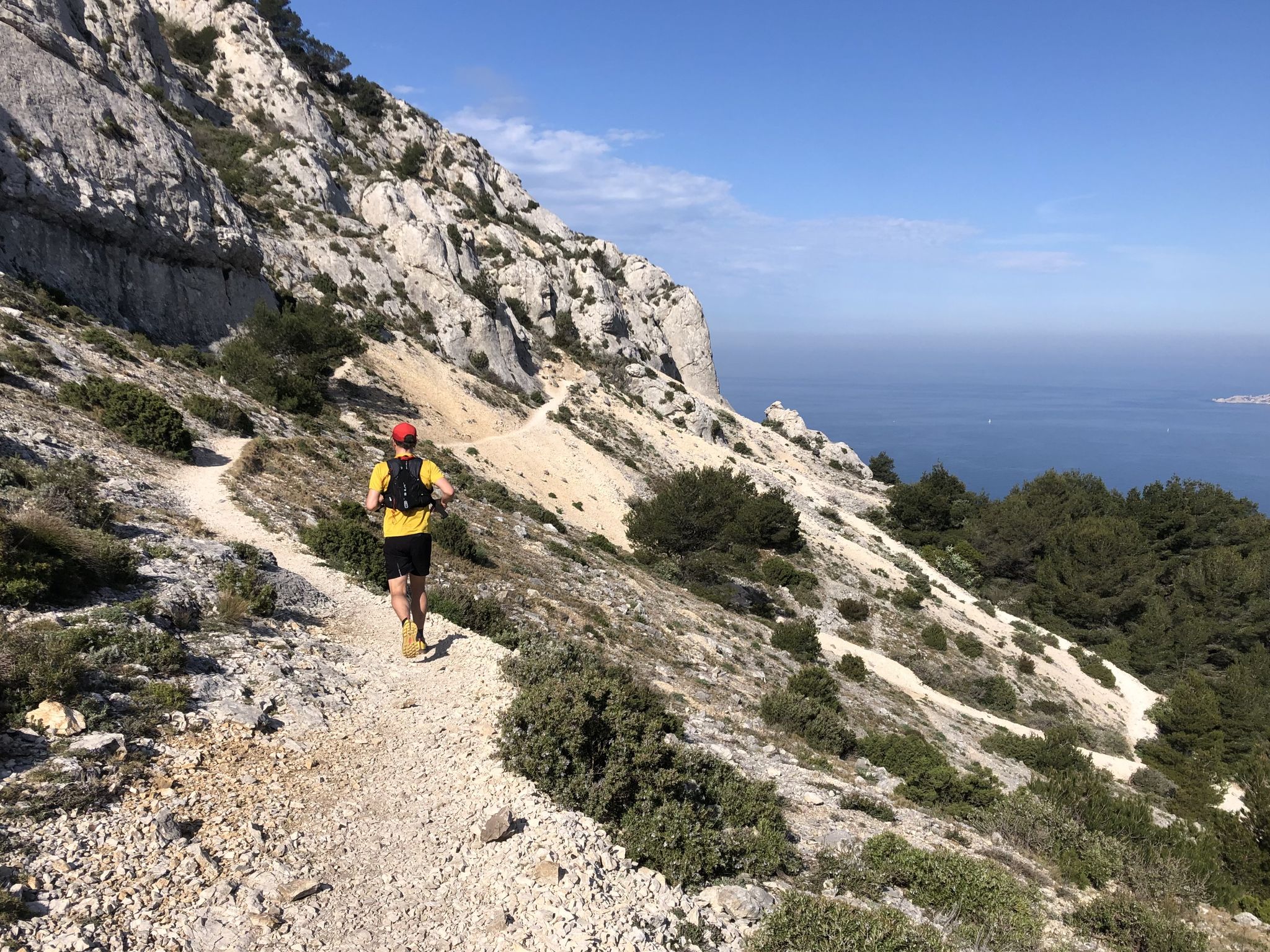
great panorama - excellent gravel track
0
0

Port of Pointe Rouge
0
0

beautiful view over Cassis
0
0

Olympique de Marseille's training center is an iconic venue for football fans. A must-see during a bike ride in the La Commanderie district.
0
0
Beautiful Provençal church in the heart of a picturesque village with views of Marseille - a peaceful and charming stopover.
0
0

📜 Cassis, a village through the centuries 🗿 The origins... Cassis has been inhabited since prehistoric times! The underwater Cosquer Cave and the rock shelters around the village bear witness to this. The connection between man and this territory has never been severed since. ⛰️ The Celto-Ligurians As early as the 3rd century BC, the Celto-Ligurians settled in the region. They built fortified villages (oppida) on the hills. They traded with the Greeks of Massalia, attracted by the local riches: coral, sheltered coves, etc. Vines and olive trees may have already appeared, but the mystery remains! 🏛️ The Roman period In the 1st century BC, Cassis became a bustling town. Fishing and trade took place there, and above all, the famous Cassis stone, used in construction, began to be mined. The ancient port, mentioned under the name of Carsicis Portus, bears witness to a true maritime life. ⚔️ From the withdrawal of the lords Between the 5th and 10th centuries, invasions forced the inhabitants to leave the port and take refuge in a castrum, a fortified village on the hills. In 1223, Cassis came under the control of the lords of Baux de Provence. ⛪ The time of the bishops In the 15th century, Cassis joined the County of Provence. King René then entrusted the city to the bishops of Marseille, who retained control of it until the Revolution. The crozier on the city's coat of arms still recalls this era. ⚓ Port, trades, and expansion From the 18th century onward, Cassis opened up around its port. Cod, coral, olive oil (thanks to the famous scourtins), stone are all cultivated here... and vines are increasingly common. 🍇 From wine to tourism In the 20th century, the old industries declined. Cassis wine gained in renown (Appellation d'Origine Contrôlée in 1936!), and tourism became essential. 🌞 Today Cassis seduces with its colorful alleyways, shaded squares, fountains, bowling greens... and its gentle way of life between the sea, cliffs, and vineyards. A village steeped in history, nature, and the Provençal art of living 🌊🍷🌿
0
0

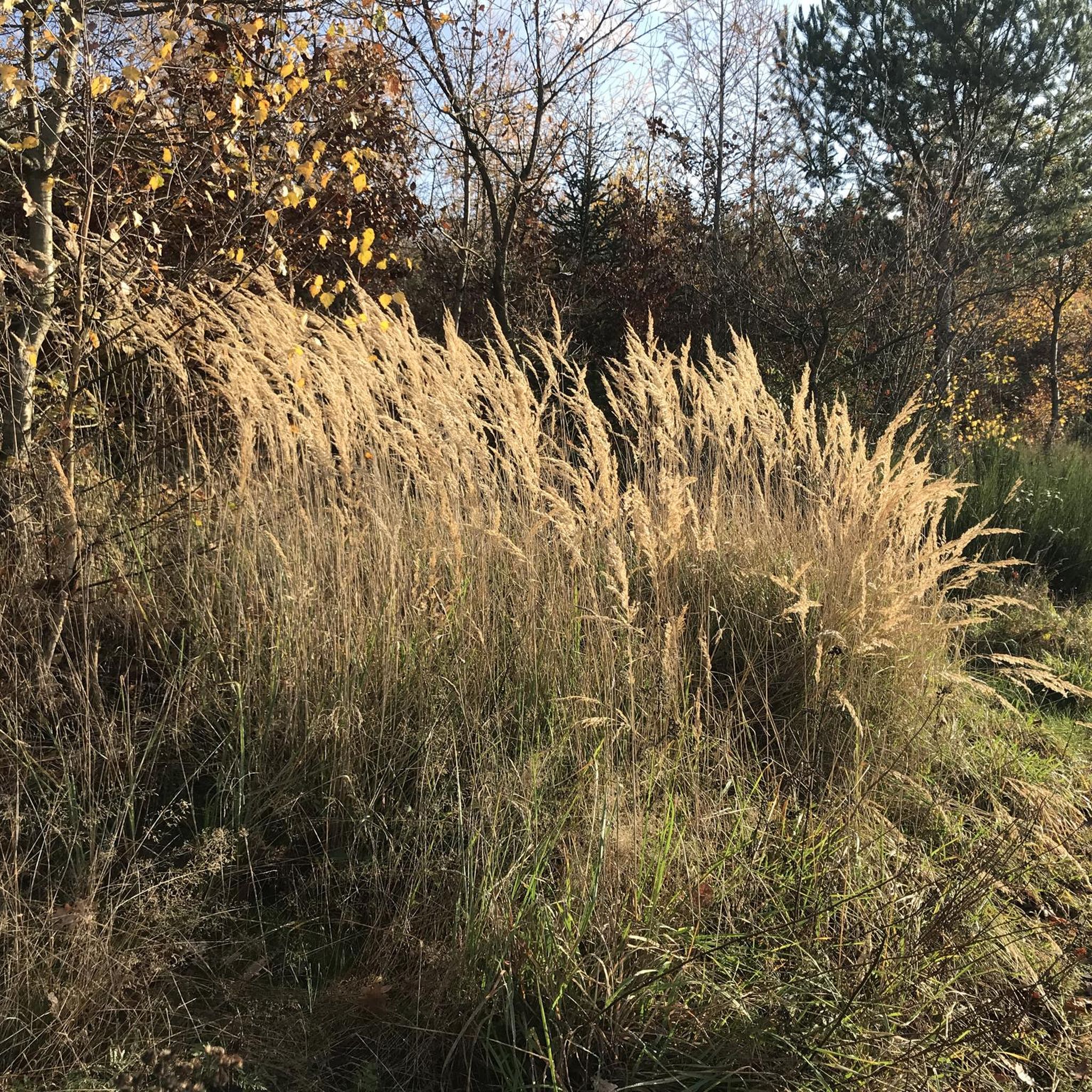
Narrow country road, rough and bumpy between vineyards and fields. All that's missing is grass in the middle ;)
0
0

today too much wind my days are hard with the bike it doesn't matter from time to time it's like that good luck to you all
0
0
Frequently Asked Questions
How many no-traffic touring cycling routes are available in Calanques?
There are over 180 dedicated no-traffic touring cycling routes in the Calanques region, offering a wide variety of experiences. These include 30 easy routes, 70 moderate routes, and 82 difficult routes, catering to all skill levels.
What kind of terrain can I expect on no-traffic touring cycling routes in Calanques?
The no-traffic routes in Calanques feature a diverse landscape of dramatic limestone massifs, steep-walled sea inlets (calanques), and a rugged Mediterranean coastline. You'll encounter everything from coastal paths with stunning sea views to more mountainous areas with significant climbs, even on car-free sections. Expect varied surfaces, typical of a national park environment.
Are there any easy no-traffic routes suitable for beginners or families?
Yes, there are 30 easy no-traffic routes in Calanques. A great option for a more relaxed ride is the Calanque Blanche – Village of Les Goudes loop from 8th Arrondissement. This route is approximately 9.8 km long with minimal elevation gain, making it ideal for those looking for a gentle introduction to cycling in the area.
What are some of the most scenic no-traffic routes for touring cyclists?
Many no-traffic routes offer breathtaking views. The View of Cassis – Route des Crêtes loop from Cassis, while challenging, provides expansive vistas from one of Europe's highest maritime cliffs. Another scenic option is the Calanque Blanche – View of the Calanques loop from Maïre, which takes you through coastal limestone terrain with stunning views of the calanques.
What landmarks or viewpoints can I expect to see along these routes?
Even on no-traffic routes, you'll find numerous natural landmarks and viewpoints. Keep an eye out for dramatic sea inlets like Calanque d'En-Vau, Calanque de Sormiou, and Calanque de Port Pin. You might also pass by significant mountain passes such as Gineste Pass or enjoy views towards peaks like Marseilleveyre summit. The famous Route des Crêtes, accessible on some routes, offers panoramic views of the Mediterranean.
Can I combine cycling with other activities like swimming on these routes?
Absolutely! Many no-traffic routes in Calanques offer opportunities to stop and enjoy the natural beauty. Calanques like Sormiou and Port Pin are known for their clear waters and sandy beaches, perfect for a refreshing swim. Some routes also provide access points for hiking or simply relaxing by the sea.
What do other touring cyclists say about their experience in Calanques?
The Calanques region is highly rated by the komoot community, with an average score of 4.3 stars from over 2,100 ratings. Reviewers often praise the stunning natural beauty, the challenging yet rewarding climbs, and the unique experience of cycling through such dramatic coastal landscapes, especially on the quieter, no-traffic sections.
Are there any specific cycling regulations or restrictions in the Calanques National Park?
Yes, as a protected National Park, there are specific regulations to preserve the environment. While many areas are accessible, some sensitive zones might have restrictions, especially during high fire risk periods in summer. Always stay on marked paths and respect signage. It's advisable to check the official Calanques National Park website for the most current regulations before your visit, particularly regarding access to certain calanques or specific trails.
How can I access the no-traffic cycling routes using public transport?
Access to the Calanques National Park is possible via public transport from nearby cities like Marseille and Cassis. Buses often serve the periphery of the park, allowing you to reach starting points for many routes. For example, from Marseille, you can take buses towards areas like Luminy or Les Baumettes, which are close to various entry points for cycling routes. Check local bus schedules for the most up-to-date information.
Are there any circular no-traffic touring cycling routes in Calanques?
Yes, many of the no-traffic touring cycling routes in Calanques are designed as loops, allowing you to start and end in the same location. For instance, the View of Allauch – Pichauris loop from Saint-Marcel is a challenging circular route that offers a comprehensive experience of the varied terrain without needing to retrace your steps.
What is the best time of year to enjoy no-traffic touring cycling in Calanques?
The best times for touring cycling in Calanques are spring (April to June) and autumn (September to October). During these seasons, the weather is generally mild and pleasant, avoiding the intense heat of summer and the potential for strong winds or rain in winter. The landscapes are also particularly vibrant in spring, and the crowds are typically smaller than in peak summer months.
Most popular routes in Calanques
Most popular attractions in Calanques

Get inspired with the komoot mobile app


Explore more
Browse the best Cycling routes in other regions.
