The best city hikes and walks in Karwendel
4.6
(90340)
477,377
hikers
223
hikes
Urban hiking trails in Karwendel offer a unique blend of city exploration and natural beauty, often following river systems and providing views of the surrounding alpine landscape. The region features quiet valleys and wild river systems, even within its more urbanized areas. While the broader Karwendel is known for rugged peaks and alpine meadows, urban routes typically navigate through city centers and along waterways. This diverse topography ensures a variety of experiences for hikers.
Best urban hiking trails in Karwendel
…Last updated: June 29, 2026
30
hikers
Easy hike. Great for any fitness level. Easily-accessible paths. Suitable for all skill levels.
4.7
(3)
78
hikers
5.38km
01:23
30m
30m
Easy hike. Great for any fitness level. Easily-accessible paths. Suitable for all skill levels.

Sign up for free
8
hikers
Easy hike. Great for any fitness level. Easily-accessible paths. Suitable for all skill levels.
4.6
(5)
27
hikers
Moderate hike. Good fitness required. Mostly accessible paths. Sure-footedness required.
4.8
(4)
32
hikers
Easy hike. Great for any fitness level. Easily-accessible paths. Suitable for all skill levels.
Get access to more routes and recommendations from other explorers.
Sign up for free
Already have an account?
Our route recommendations are based on thousands of hikes, rides, and runs completed by other people on komoot.
Start today with a free account
Your next adventure awaits.
Login or Signup
Popular around Karwendel
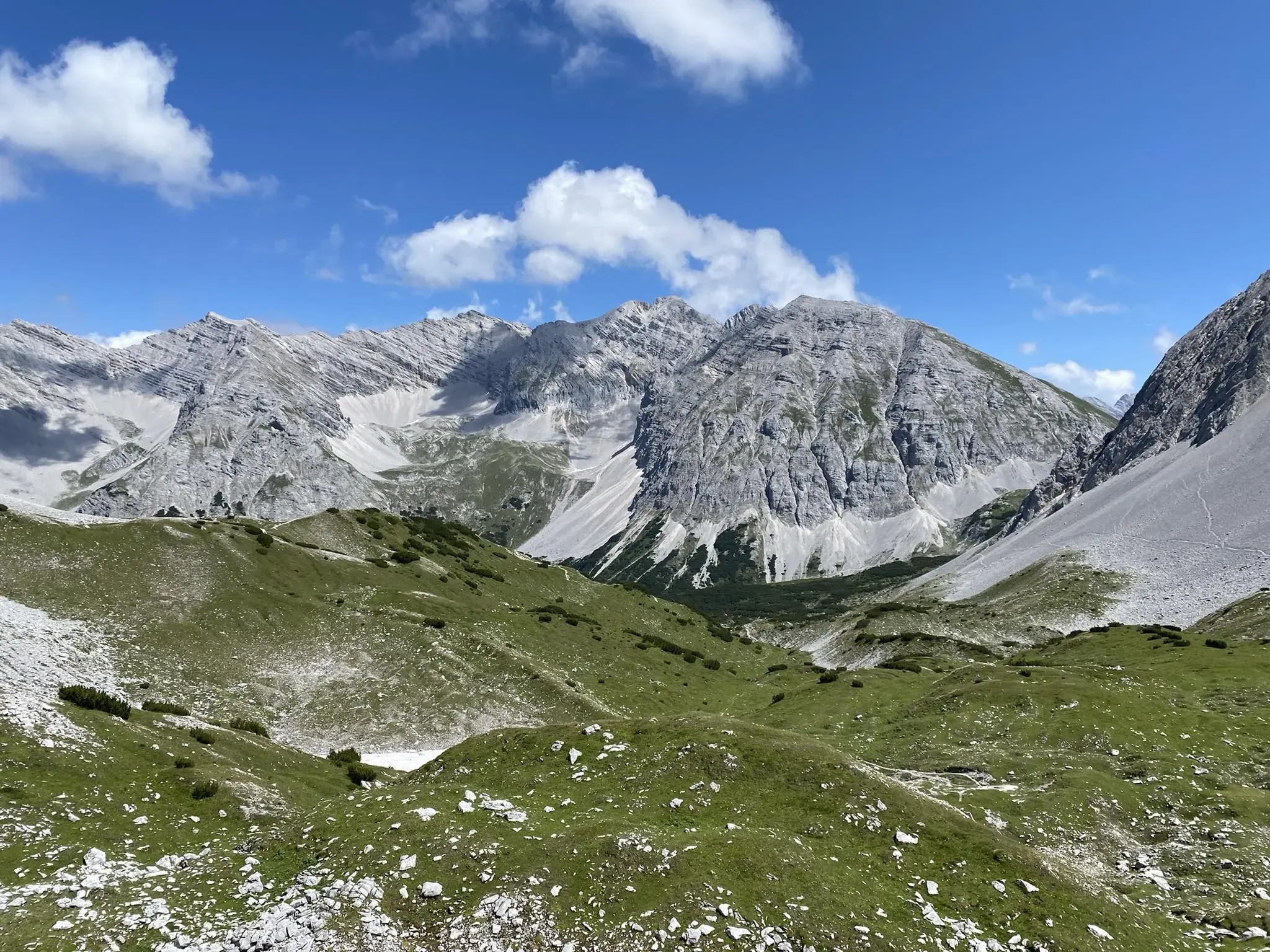
Karwendel crossing – Innsbruck to Sylvensteinspeicher
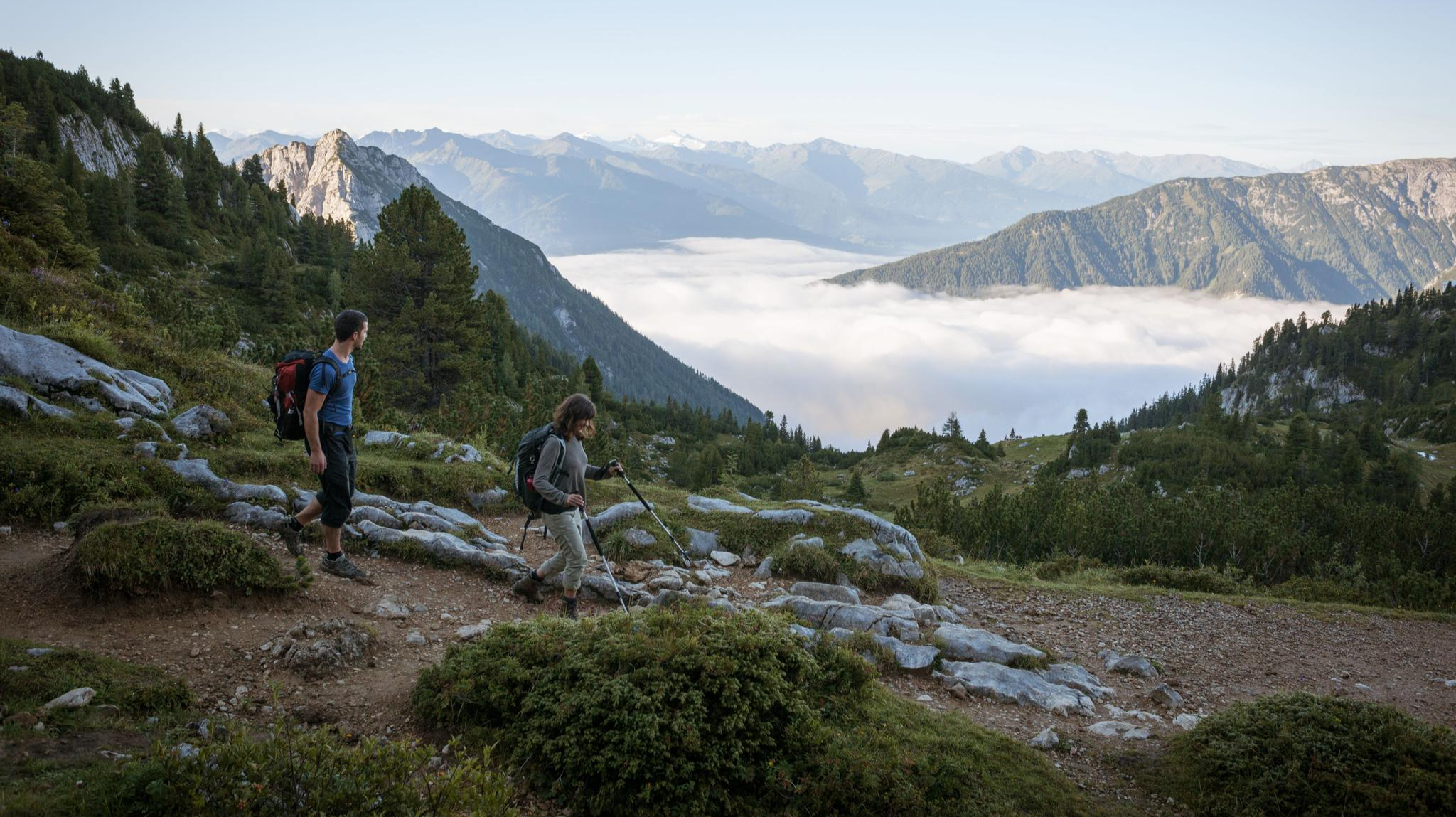
Eagle Walk – Majestic hiking along Tirol's trail
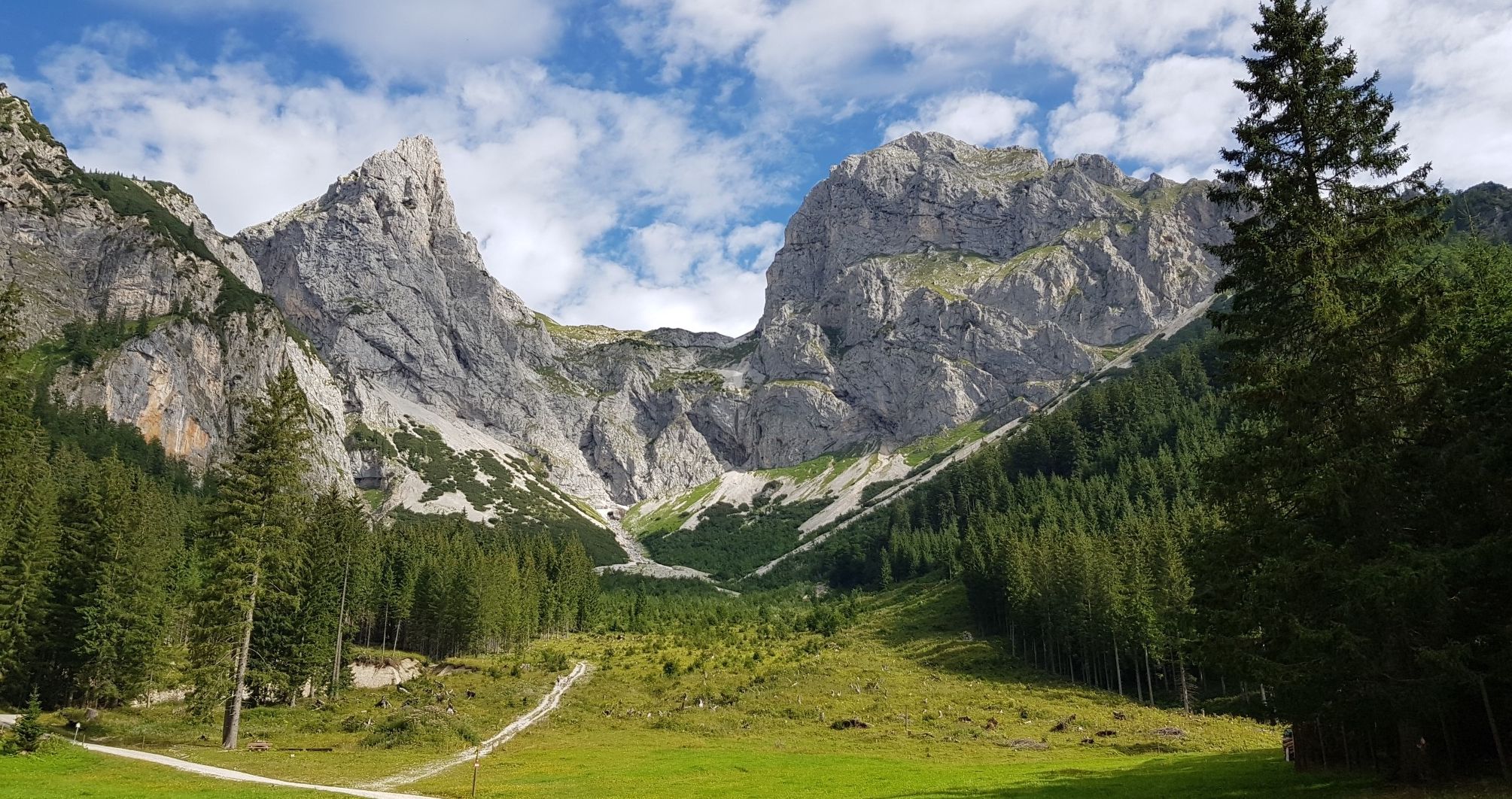
North Alpine Trail 01 – Hike across Austria in 49 days
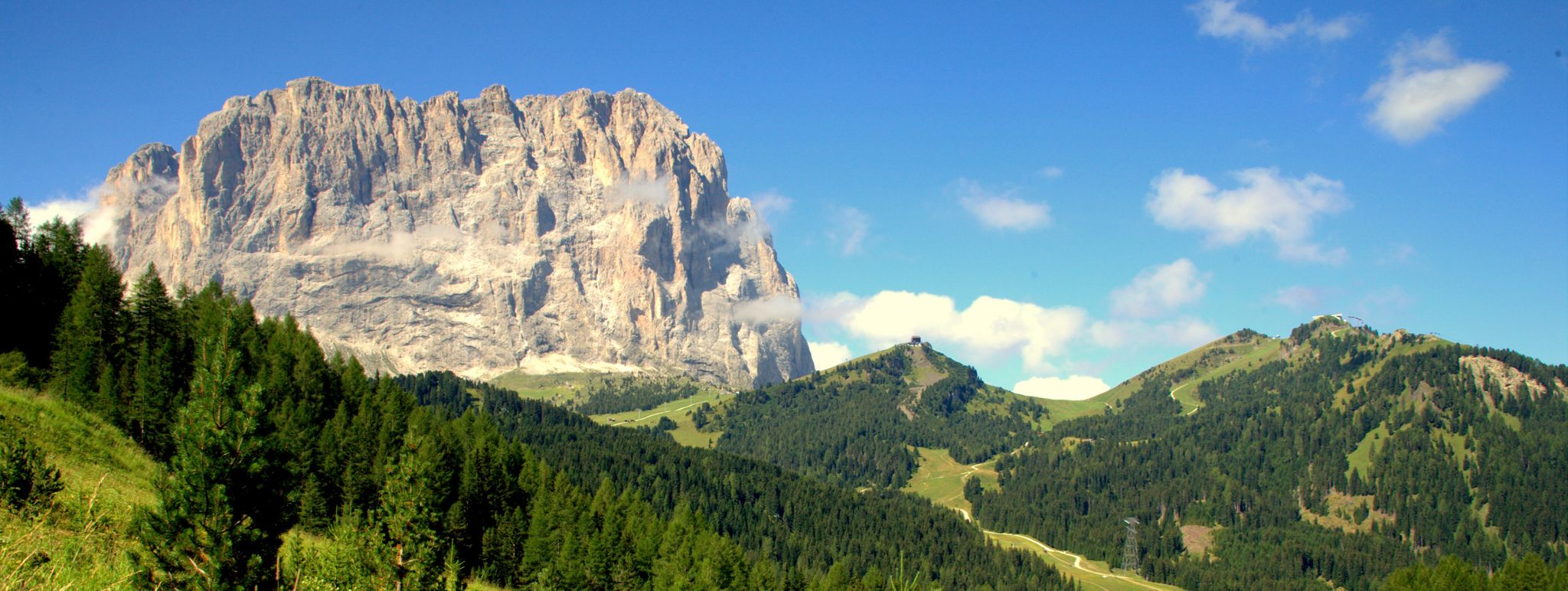
Via Venezia Alpina – hiking across the Alps to the Adriatic Sea
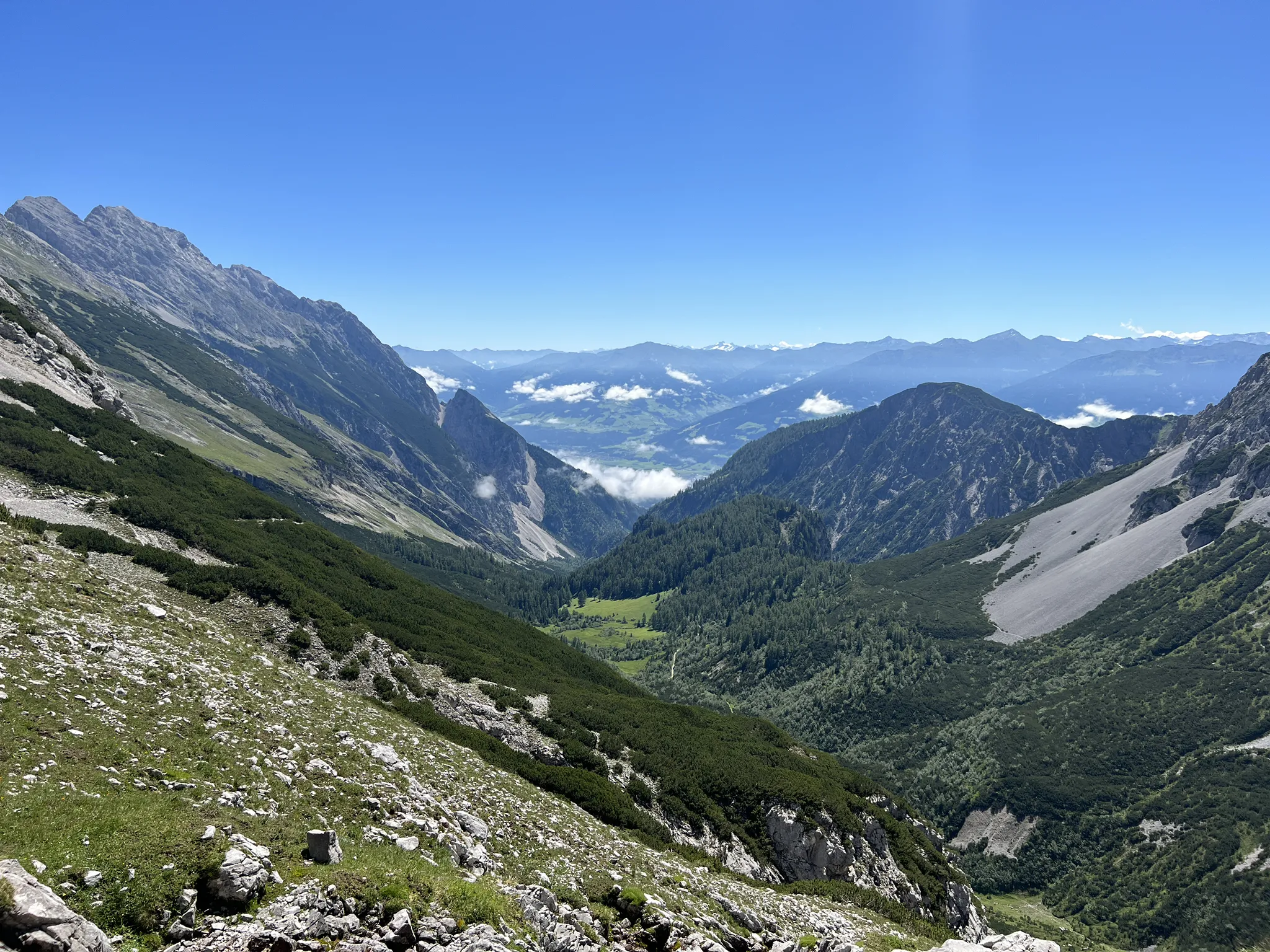
The Karwendel Trail – Discover Austria's largest national park
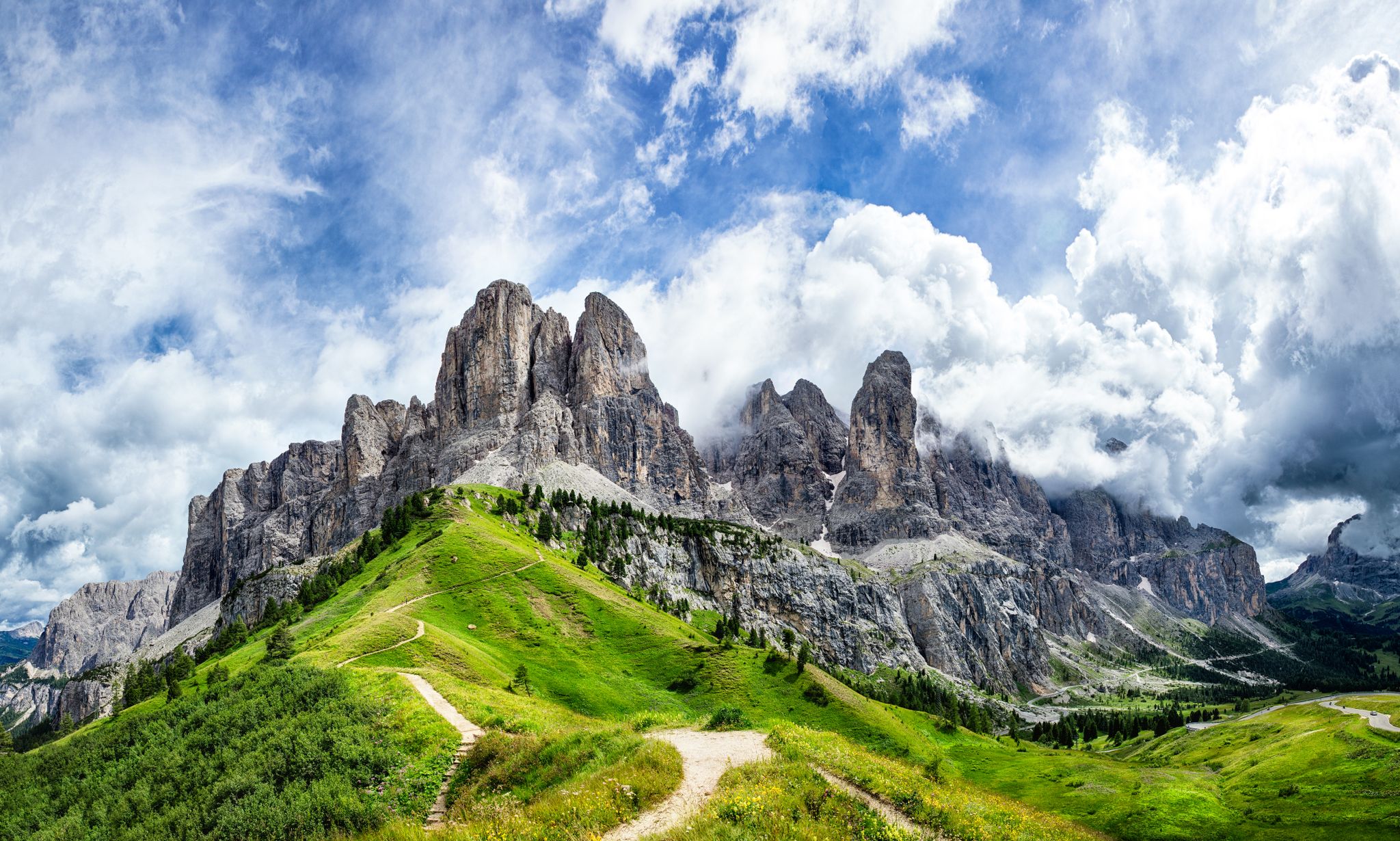
The "Dream Path" hiking trail – From Munich to Venice in 28 stages
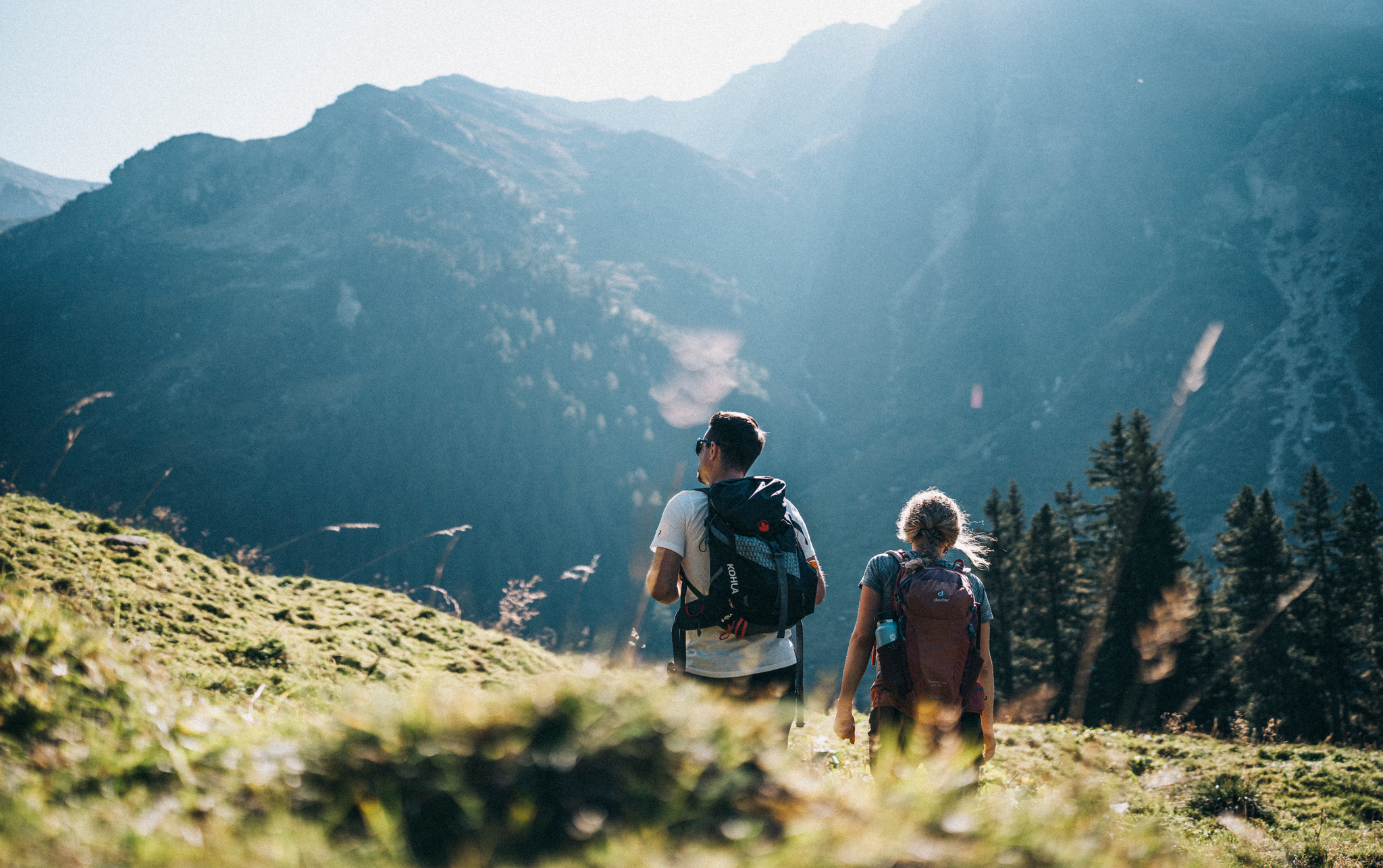
The most beautiful autumn hikes in Hall-Wattens
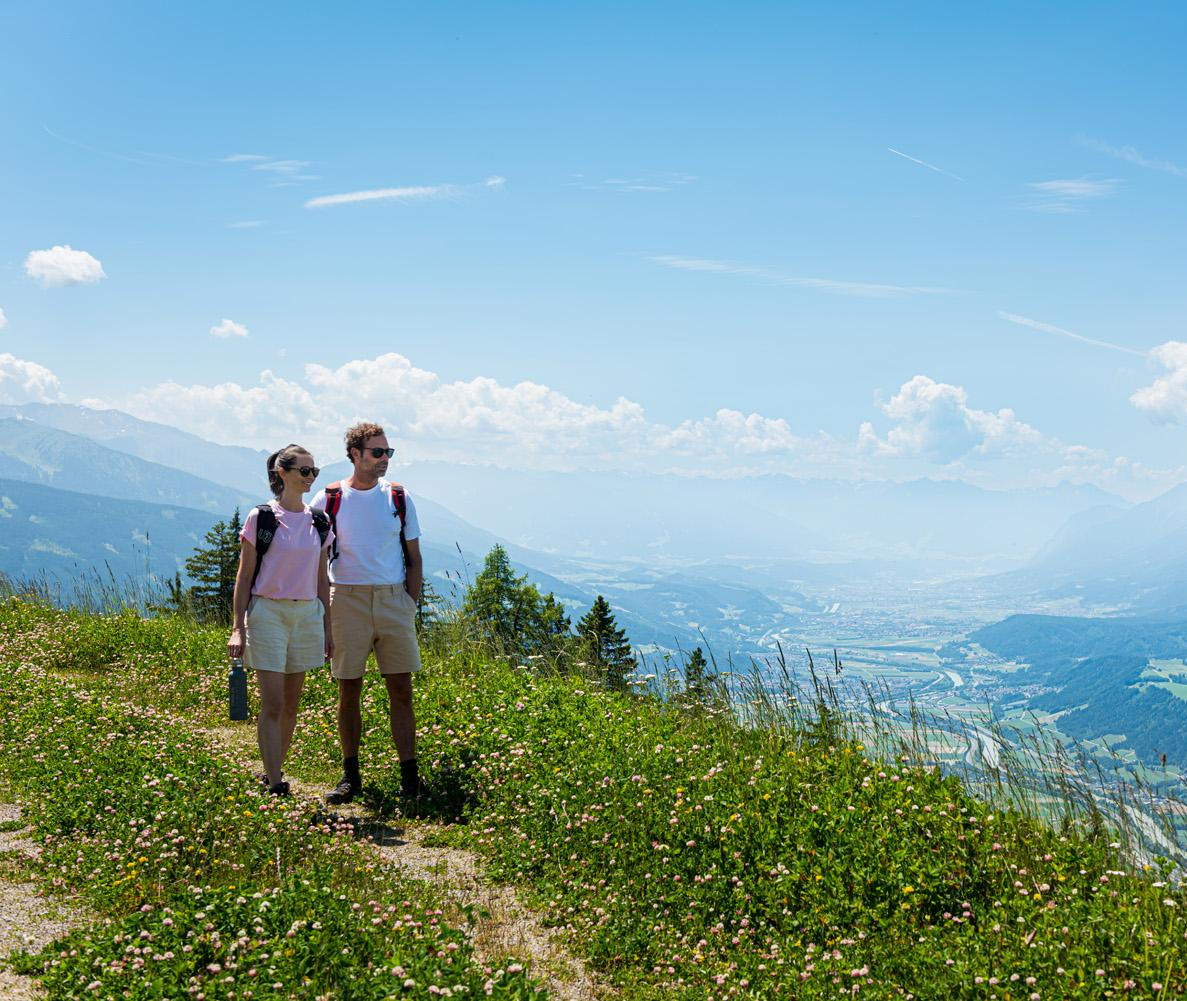
Pure enjoyment in nature – hiking in the Silberregion Karwendel
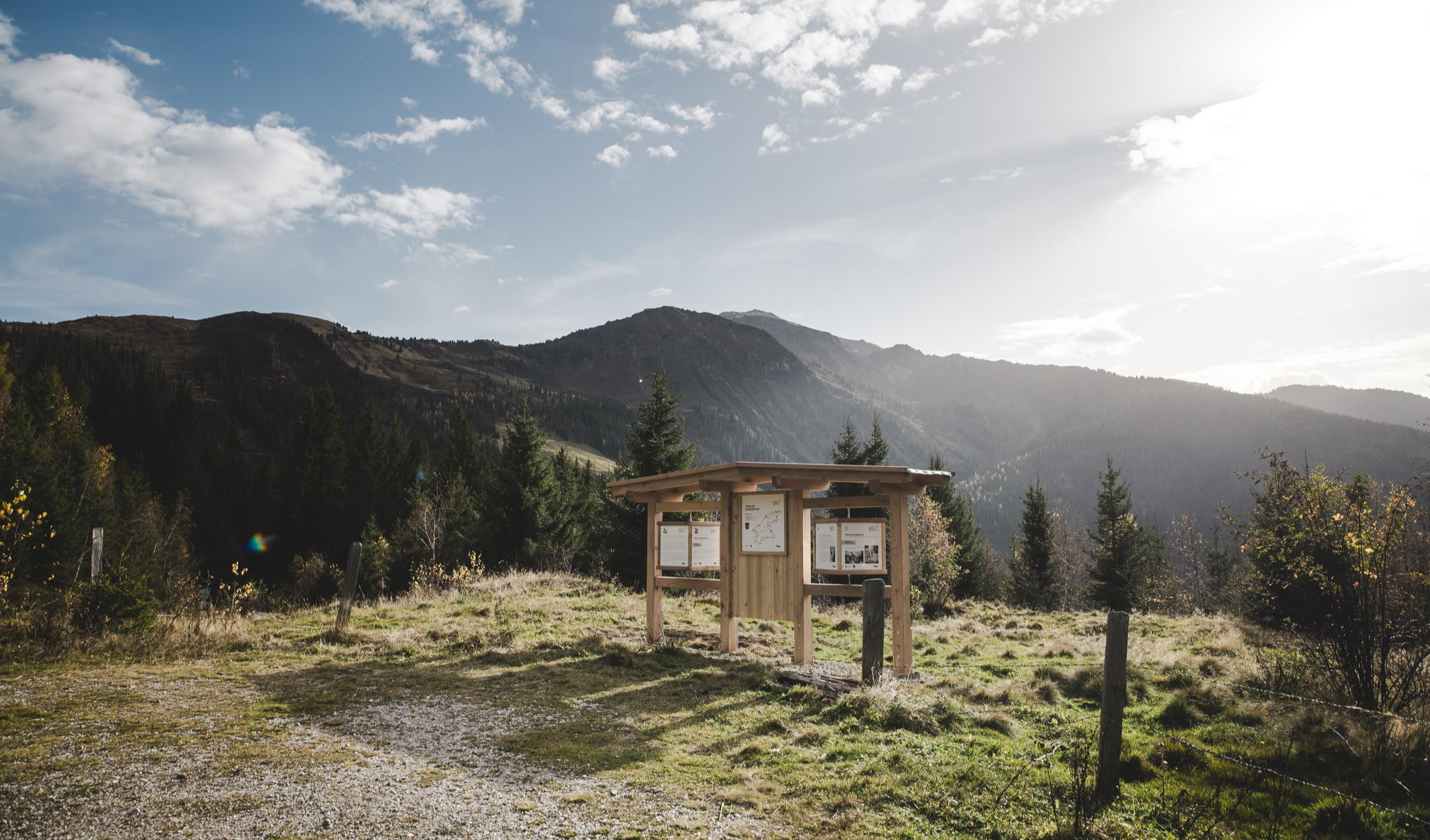
Long-distance hiking on the Tiroler Silberpfad
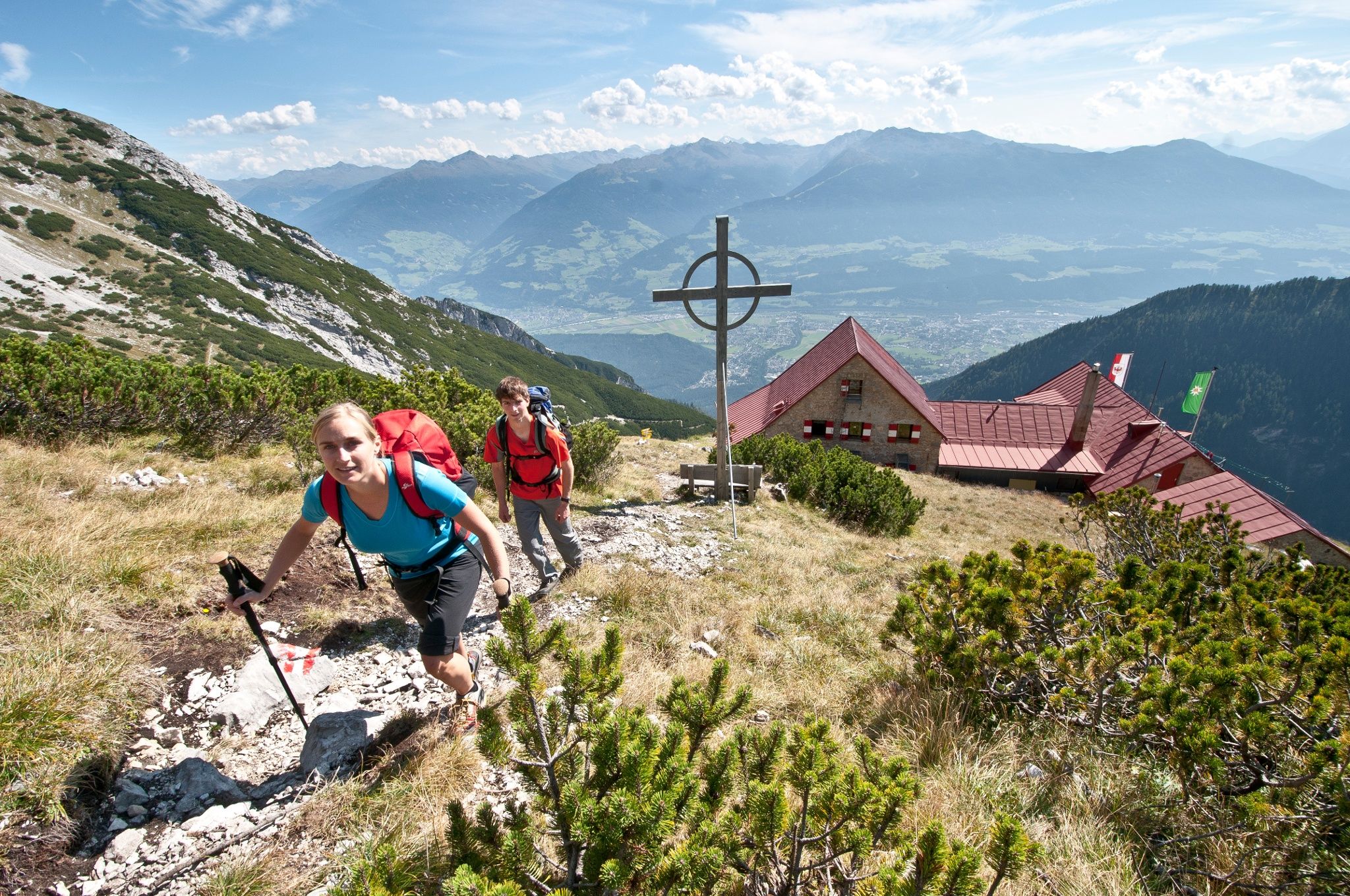
Multi-day WÖFFI mountain hikes in Karwendel
Other adventures in Karwendel


Tips from the Community

The historic center of Innsbruck forms the historical core of the Tyrolean provincial capital and originated from the 12th century around the Inn bridge. Due to its location on the important Brenner trade route, Innsbruck quickly developed into a significant commercial and administrative center. The medieval old town is characterized by its narrow alleys, colorful burgher houses, and well-preserved historical buildings. Its most famous sights include the Golden Roof, the Ottoburg, the Innsbruck City Tower, and the Cathedral of St. James. In the late Middle Ages and especially under Emperor Maximilian I, Innsbruck experienced a golden age. The city became an important residence of the Habsburgs and received numerous representative buildings that still shape the cityscape today. Despite several city fires and structural changes, the medieval layout has largely been preserved. As a result, the old town is now one of the most beautiful historical city centers in Austria.
0
0


Great little town center with many beautiful alleyways.
3
0

Innsbruck Old Town – Capital of Tyrol Innsbruck's Old Town is the heart of the Tyrolean capital. Narrow streets, magnificent town houses, and important architectural monuments such as the Golden Roof, the Helblinghaus, the Imperial Palace, and the Hofkirche (Court Church) characterize the cityscape. The Old Town combines Gothic, Baroque, and modern elements in a small space. Numerous cafés, boutiques, and traditional shops enliven the pedestrian zone. The surrounding mountains form a breathtaking backdrop. You can ski, hike, climb, and mountain bike from the city. Innsbruck is a city that never ceases to fascinate me – it combines the best of nature and urbanity. Here you'll find impressive mountain landscapes and urban flair. Right in the heart of the city lies the Old Town, with its historic buildings such as the Golden Roof and the Hofburg Palace. Innsbruck's city center is a blend of the charm of bygone imperial times, modern architecture, and the Alpine joie de vivre of the Alps. That's certainly how the city appears to me. It's not without reason that it's considered one of the most beautiful cities in Austria. Be inspired by my impressions of Innsbruck's Old Town, the magnificent sights, and other beautiful things to see here on this website. I've lived here for a long time and have seen a lot. Benefit from my firsthand tips. My personal highlight is also the city's highest attraction – the Top of Innsbruck. Text / Source: INNSBRUCK ALTSTADT.Com https://www.innsbruck-altstadt.com/
16
0


Innsbruck Court Garden Gardens have existed at the Innsbruck Hofburg for approximately 600 years. During this long period, they have undergone numerous transformations, from Renaissance and Baroque gardens to landscaped parks. Today, the Innsbruck Court Garden covers almost ten hectares and is a listed building. As early as the beginning of the 15th century, Duke Friedrich IV acquired land near the Innsbruck Hofburg to create kitchen and ornamental gardens for the court. During the reign of Archduke Ferdinand II, a magnificent garden complex with Ruhelust Palace and other buildings was created from 1564 onwards, incorporating the old kitchen and ornamental gardens. Individual garden areas with fountains, arcades, pleasure houses, a maze, and a pheasant garden were created, modeled on Italian Renaissance gardens. This initial period of prosperity was followed by a period of neglect in the 17th century. In 1636, a fire destroyed part of the buildings. Due to austerity measures following the Thirty Years' War, the Hofburg gardens were eventually barely maintained. In 1665, with the death of Sigismund Franz von Habsburg, the Tyrolean line of the Habsburgs died out. From then on, Innsbruck was governed by an imperial governor. The Court Garden now served as a kitchen garden. It was not until the end of the reigns of Emperor Franz I Stephan and Maria Theresa that the Innsbruck Court Garden experienced a new flourishing. Starting in 1763, the existing area was laid out as a Baroque pleasure garden. A cross-axis divided the garden. At the intersection of the main and transverse axes stood the imperial pleasure house, built in 1733 and converted into a bandstand in 1773. The walled garden was adorned with parterres, circular paths, avenues, fountains, and sculptures. Near the Hofburg Palace was an orangery building, and towards the Inn River lay the small Court Garden or Governor's Garden. Text / Source: Austrian Federal Gardens, Schönbrunn, 1130 Vienna https://www.bundesgaerten.at/innsbruck/Hofgarten.html
17
0
A beautiful bridge from here you can see a lot
0
0
Frequently Asked Questions
How many urban hiking trails are available in Karwendel?
Karwendel offers a wide selection of urban hiking trails, with over 230 routes documented on komoot. The vast majority, around 200, are rated as easy, making them accessible for most walkers. There are also about 30 moderate routes and a few more challenging options for those seeking a greater workout.
What kind of urban hiking experiences can I expect in Karwendel?
Urban hiking in Karwendel often combines city exploration with natural beauty. You can expect routes that weave through historic town centers, along riverbanks, and into green spaces, offering a blend of cultural sights and refreshing outdoor moments. Many trails are relatively flat, making them ideal for relaxed strolls.
Are there any circular urban walks in Karwendel?
Yes, many urban hiking trails in Karwendel are designed as circular routes, allowing you to start and end at the same point without needing to retrace your steps. For example, the Sieglangersteg Bridge – Hans-Flockinger Promenade loop from Innsbruck offers a pleasant circular walk along the river, while the Golden Roof (Goldenes Dachl) – Old Town Innsbruck loop from SoWi takes you through the historic heart of Innsbruck.
What are some notable landmarks or attractions I can see on urban hikes in Karwendel?
Urban hikes in Karwendel, particularly around Innsbruck, often feature historical and natural highlights. You can explore iconic sights like the Golden Roof (Goldenes Dachl) and the Triumphal Arch. While the urban trails focus on cityscapes, you're never far from the majestic Karwendel mountains, with peaks like Hafelekar Peak visible in the distance, offering a stunning backdrop.
Are urban hiking trails in Karwendel suitable for families?
Absolutely. Many urban trails in Karwendel are easy and relatively flat, making them very suitable for families with children. Routes that stick to paved paths or well-maintained riverside promenades are particularly good for strollers. The blend of city sights and accessible green spaces provides engaging walks for all ages.
Can I bring my dog on urban hikes in Karwendel?
Generally, dogs are welcome on urban hiking trails in Karwendel, provided they are kept on a leash, especially in populated areas and nature protection zones. Always ensure you carry waste bags and respect local regulations. It's advisable to check specific route details for any restrictions before you go.
What is the best time of year for urban hiking in Karwendel?
Urban hiking in Karwendel is enjoyable year-round. Spring and autumn offer pleasant temperatures and beautiful scenery, with autumn particularly vibrant as the leaves change. Summer is great for longer daylight hours, while winter can transform the city into a picturesque wonderland, though some paths might be icy. Always check local weather conditions before heading out.
How can I access urban hiking trails in Karwendel using public transport?
Many urban hiking trails, especially those centered around Innsbruck, are easily accessible via public transport. Major trailheads are often located near bus stops or train stations, allowing you to reach your starting point conveniently without a car. For example, routes exploring Innsbruck's Old Town are directly accessible from the city center.
Are there places to eat or drink along urban hiking routes in Karwendel?
Yes, urban hiking routes in Karwendel, particularly those passing through towns and cities like Innsbruck, offer numerous opportunities for refreshments. You'll find a variety of cafes, restaurants, and traditional inns where you can stop for a meal, a coffee, or a local beverage. Many routes also pass by public parks with benches for a picnic.
What do other hikers say about urban hiking in Karwendel?
The komoot community highly rates the urban hiking experiences in Karwendel, with an average score of 4.7 out of 5 stars from over 17,500 ratings. Reviewers often praise the accessibility of the trails, the beautiful blend of historic architecture and natural river landscapes, and the ease of combining a city stroll with refreshing outdoor activity.
What is a good easy urban hike for beginners in Karwendel?
For beginners, an excellent easy urban hike is the Innsbruck Town Tower – Golden Roof (Goldenes Dachl) loop from Innsbruck. This 3.6 km route is relatively flat, takes you through the heart of Innsbruck's historic center, and offers iconic sights without significant elevation gain, making it perfect for a relaxed introduction to urban hiking.
Are there any moderate urban hikes for those seeking a bit more challenge?
If you're looking for a slightly more challenging urban hike, consider the Triumphal Arch, Innsbruck – Golden Roof (Goldenes Dachl) loop from Innsbruck Hötting. This moderate 9.2 km route includes a bit more elevation gain (around 165m) compared to the easier city strolls, offering a good workout while still keeping you within an urban-adjacent setting with great views.
Most popular routes in Karwendel
Most popular attractions in Karwendel

Get inspired with the komoot mobile app


