The best traffic-free bike rides in Pöllauer Valley
4.6
(288)
1,769
riders
69
rides
No traffic touring cycling routes in Pöllauer Valley traverse a diverse natural landscape characterized by wooded hills, expansive fields, and extensive orchards. This region, designated a Nature Park, features a cultural landscape of East Styrian hills with altitudes ranging from 345 to 1280 meters above sea level. The terrain offers varied gradients, from gentle paths through valleys to more challenging ascents into higher elevations. Cyclists can explore well-preserved natural environments and charming villages on less-trafficked local roads.
Best no traffic…
Last updated: October 3, 2026
4.9
(29)
168
riders
46.3km
03:12
720m
720m
Hard bike ride. Very good fitness required. Mostly paved surfaces. Suitable for all skill levels.
4.6
(33)
152
riders
69.9km
04:31
740m
740m
Hard bike ride. Very good fitness required. Mostly paved surfaces. Suitable for all skill levels.

4.8
(28)
117
riders
64.1km
04:00
550m
550m
Hard bike ride. Very good fitness required. Mostly paved surfaces. Suitable for all skill levels.
4.9
(24)
81
riders
41.2km
02:41
450m
450m
Hard bike ride. Very good fitness required. Mostly paved surfaces. Suitable for all skill levels.
4.8
(17)
43
riders
Hard bike ride. Very good fitness required. Mostly paved surfaces. Suitable for all skill levels.
Get access to more routes and recommendations from other explorers.
Already have an account?
Our route recommendations are based on thousands of hikes, rides, and runs completed by other people on komoot.
Start today with a free account
Your next adventure awaits.
Popular around Pöllauer Valley
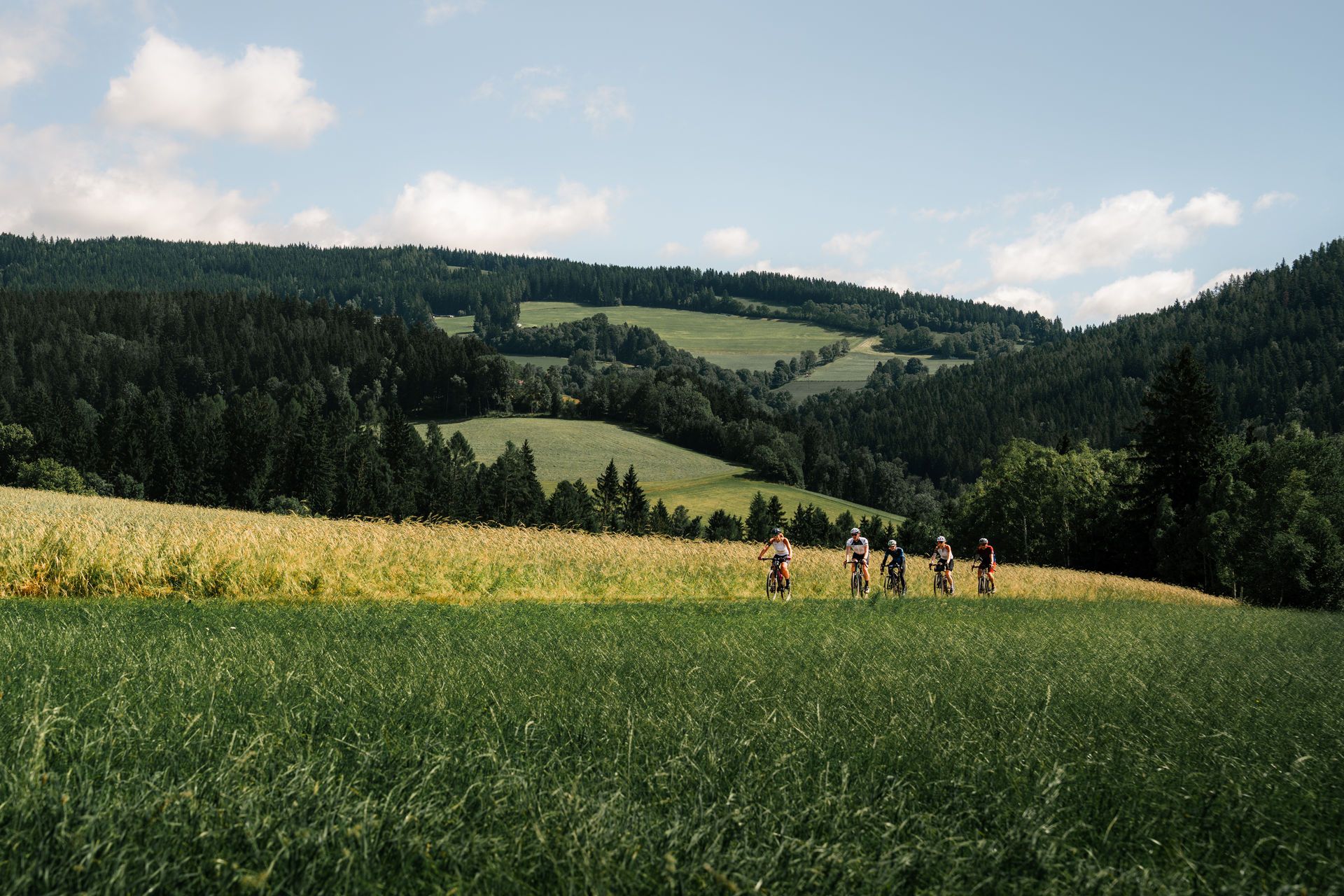
Spring awakening – through Eastern Styria on two wheels
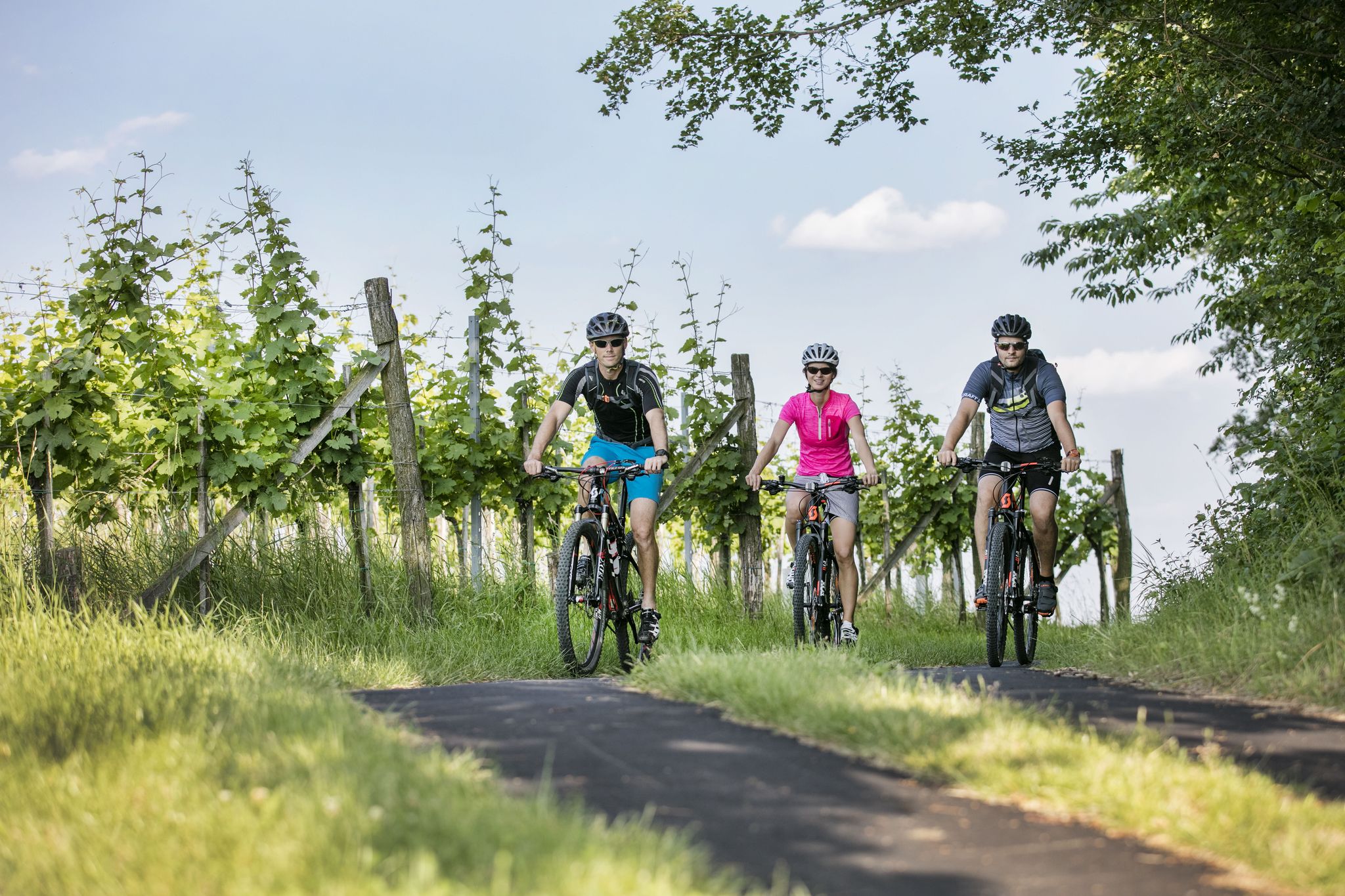
6 gourmet rides in East and Southeast Styria
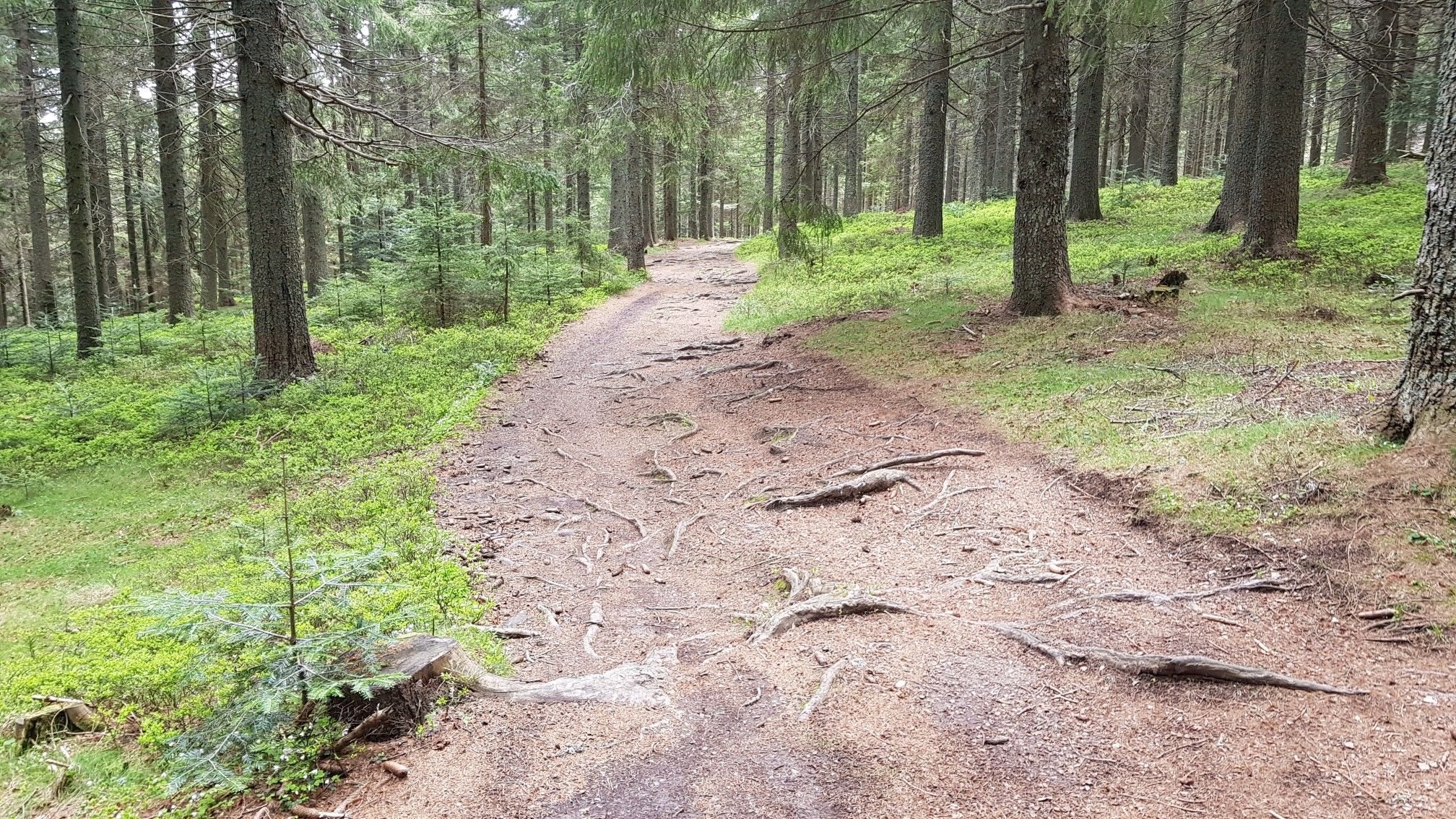
Mountain bike tours around the Pöllauer Tal nature park
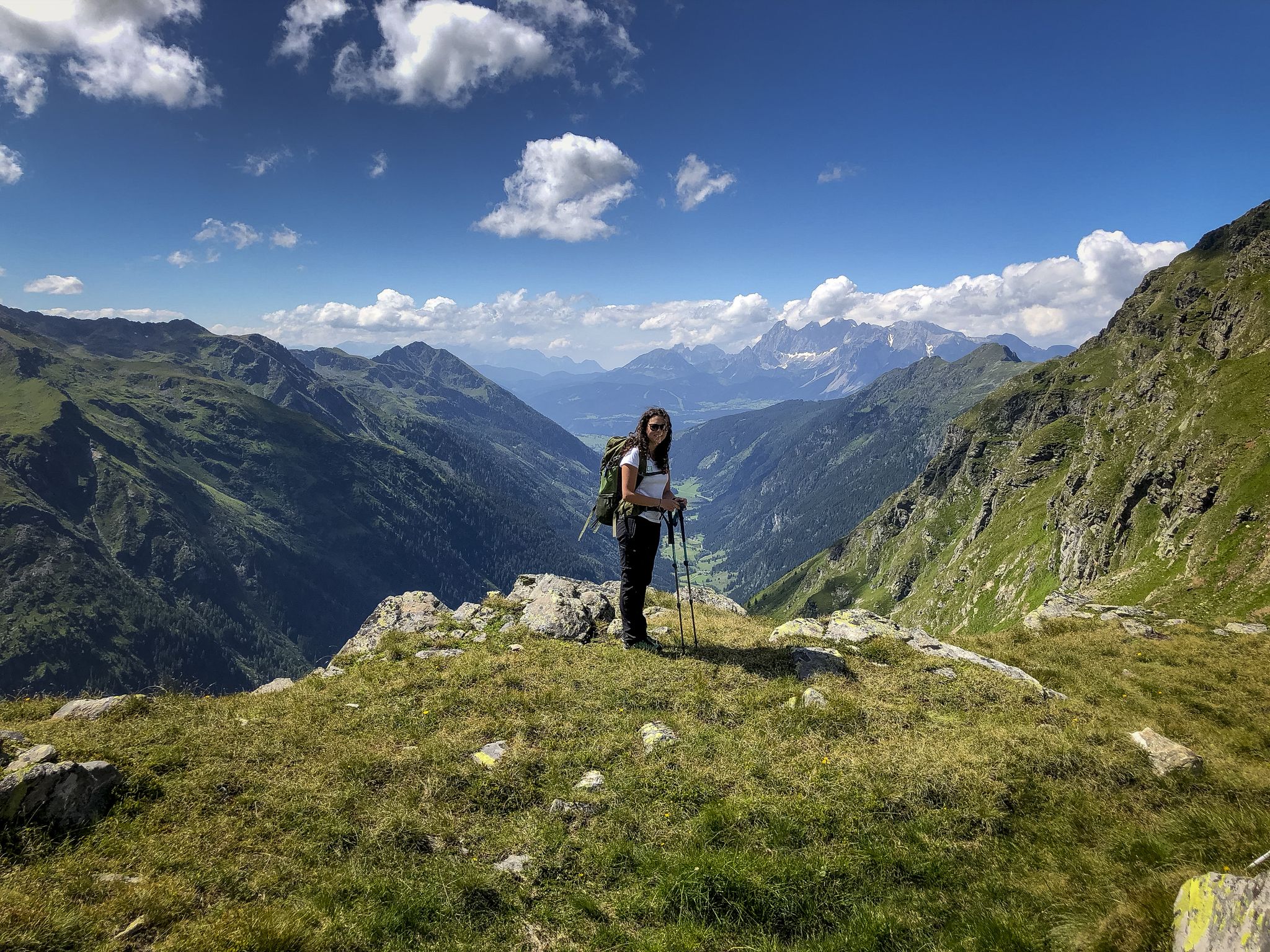
Discover Styria in Austria on foot – ‘From Glacier to Wine’ North Route
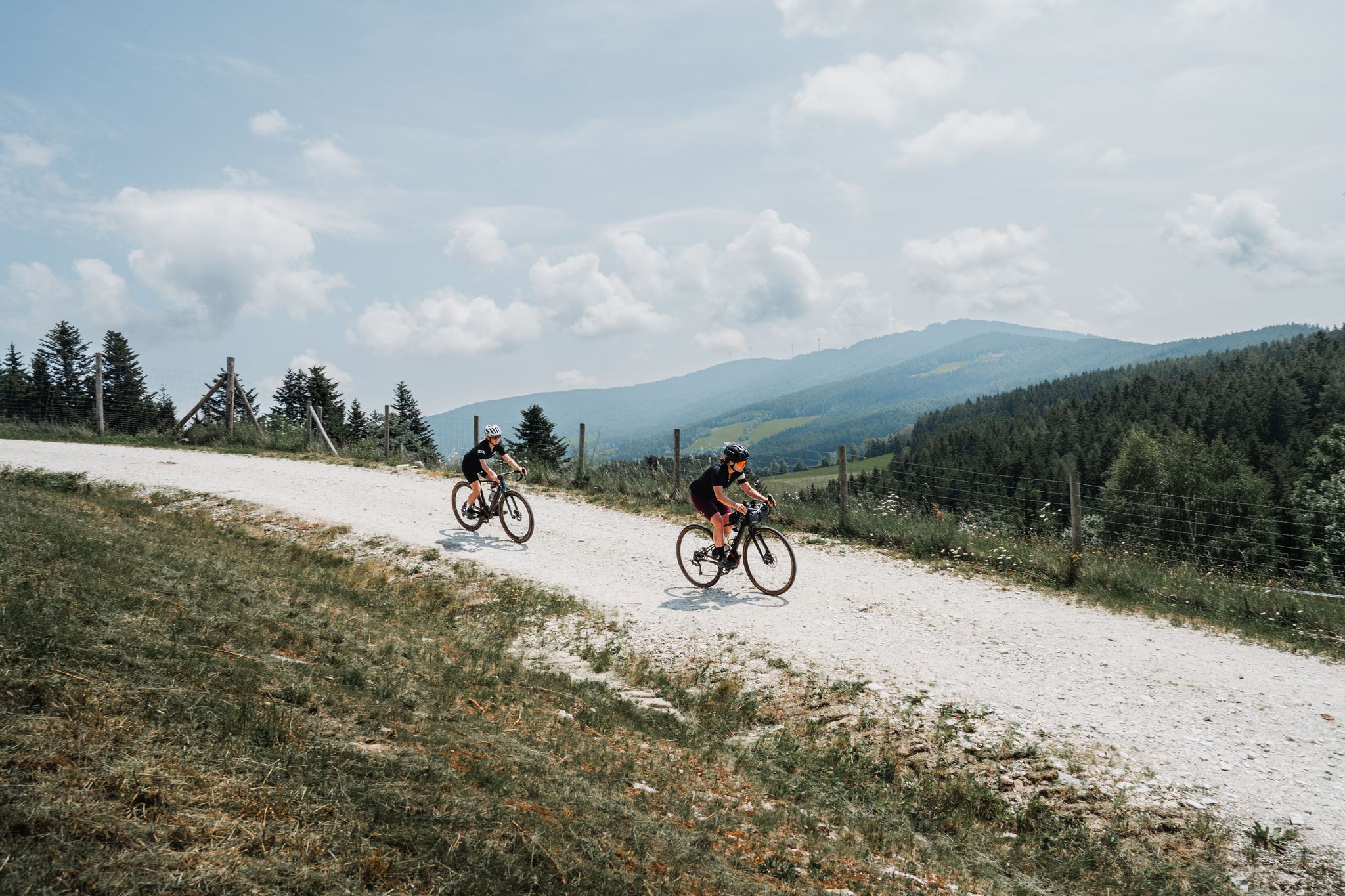
Gravel Challenge - Der große Jogl
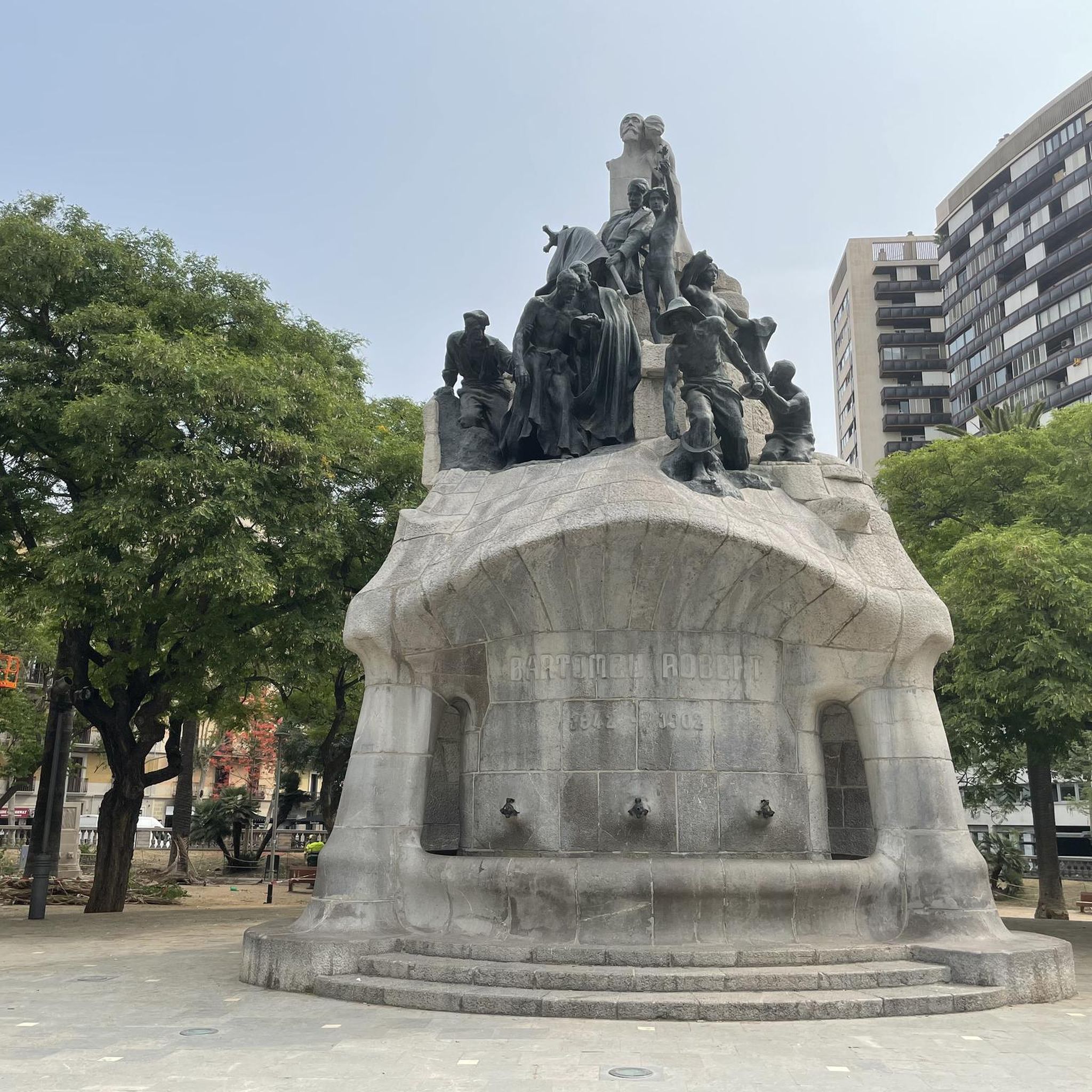
Traffic-free bike rides in Pöllauer Valley
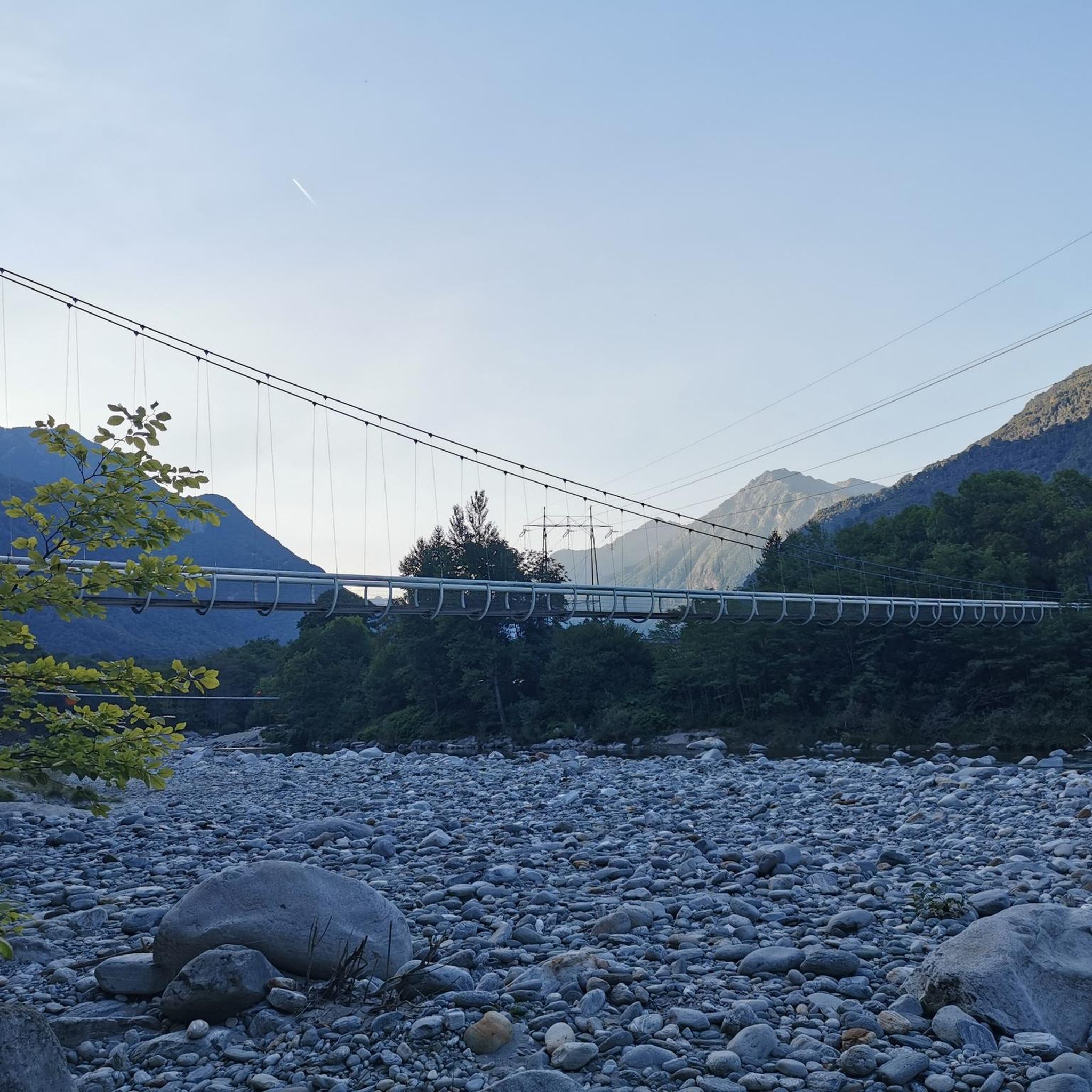
Traffic-free bike rides in Pöllauer Valley
Other adventures in Pöllauer Valley


Tips from the Community

Besides the wonderfully creative sculpture, you will also find some resting places and a great view here.
0
0

The church was built in 1384 in quarry stone masonry and has remained unplastered. Therefore, the scaffolding holes are visible. It is one of the few churches in Styria whose original Gothic condition has been largely preserved. During renovation work in 1958, frescoes dating from around 1530 were uncovered. The frescoes in the chancel depict the Last Judgment. The floor of large stone slabs was laid in 1722. The sacristy was added to the church in 1771. The high altar was designed by the Hartberg sculptor Johann Feiner and the carpenter Georg Maurer in 1647.
0
0

Hartberg is a fine town with just under 6800 inhabitants, known primarily for its historic buildings. The main square is the heart of the city, featuring the town parish church, the town hall, the Marian column, and many other historical buildings, all of which are under monument protection. You can really feel the long history when you walk through it. It's not particularly ugly when the sun's rays shine on the main square and people sit together in the beer gardens of the numerous inns and cafés. You can comfortably enjoy a cool beer or a Styrian cider and gaze at the magnificent buildings. The main square is practically the living room of Hartberg, where people meet and wind down the day. And the square isn't just lively at all times, no! Many events take place there. Whether festivals, markets, or cultural highlights, there's always something going on at Hartberg's main square. This is how tradition stays alive and connects the past with the here and now. Anyone visiting Hartberg should definitely take time to experience the charm and hospitable atmosphere in the middle of the historic ambience. It is a real tip for anyone who wants to feel a bit of Styrian cosiness.
6
0
A real highlight here between Neustift and Ebersdorf. A lot of heart and soul has gone into it. Definitely visit. Rest stops are also available.
0
0
An imposing church with a small park and resting places. I have to explore the interior another time... I didn't want to be the party pooper at the fair.
0
0
A beautiful wayside shrine here by the roadside. Directly opposite, you will also find some resting places.
1
0
Frequently Asked Questions
How many no-traffic touring cycling routes are available in Pöllauer Valley?
There are over 75 touring cycling routes in the Pöllauer Valley that focus on minimizing traffic, allowing you to enjoy the serene landscape. These routes range from moderate to difficult, offering options for various skill levels.
What kind of terrain can I expect on these no-traffic touring cycling routes?
The Pöllauer Valley features a diverse landscape with wooded hills, expansive fields, and orchards. While routes aim for low-traffic roads, you can expect varied terrain with significant ascents and descents, as the region spans altitudes from 345 to 1280 meters above sea level. This creates a dynamic cycling experience through a unique cultural landscape.
What are the difficulty levels of the no-traffic touring cycling routes?
The majority of the no-traffic touring cycling routes in Pöllauer Valley are classified as difficult (47 routes) or moderate (26 routes). There are also a few easy routes (2 routes) available, ensuring options for different fitness levels while still providing a rewarding challenge.
What attractions or landmarks can I see along the no-traffic touring cycling routes?
Many routes pass by significant cultural and natural landmarks. You can explore the impressive Pöllau Parish Church, often called 'Styria's St. Peter's Cathedral,' or the scenic Pilgrimage Church Pöllauberg, which offers fantastic valley views. Natural highlights include the Schönauklamm Gorge and various summits like Schlofferreck (941 m), providing stunning vistas of the Nature Park.
Where can I park my car when starting a no-traffic touring cycling route?
Parking is generally available in the larger towns and villages within the Pöllauer Valley, such as Pöllau or Pöllauberg, which serve as common starting points for many routes. Look for designated parking areas near the town centers or trailheads.
Is public transport available to reach the no-traffic touring cycling routes, and can I bring my bike?
Public transport options exist within the Pöllauer Valley, connecting various villages. However, specific information regarding bike transport on buses or trains should be checked with local transport providers in advance, as policies can vary.
What is the best time of year to cycle the no-traffic touring routes in Pöllauer Valley?
The Pöllauer Valley is particularly beautiful in spring when flowers bloom and in autumn when the orchards glow golden. These seasons offer pleasant temperatures for cycling. Summer can also be enjoyable, but it's advisable to start earlier in the day to avoid the midday heat. Winter cycling might be limited due to snow and ice on higher elevations.
Are there family-friendly no-traffic touring cycling routes in Pöllauer Valley?
While many routes feature significant ascents and descents, there are a few easier options available. For families, it's recommended to look for routes with less elevation gain or shorter distances. The Pöllau cycle path (R57) has sections that are more suitable for a relaxed pace, though it does include some challenging parts.
Are dogs allowed on the no-traffic touring cycling routes?
The Pöllauer Valley is a Nature Park, and while dogs are generally welcome, they must be kept on a leash, especially in protected areas and near wildlife. Always ensure your dog is well-behaved and that you clean up after them to preserve the natural environment for everyone.
What do other touring cyclists enjoy the most about touring cycling in Pöllauer Valley?
The Pöllauer Valley is highly rated by the komoot community, with an average score of 4.6 stars. Reviewers often praise the region's well-preserved natural landscape, the quiet roads that allow for peaceful cycling, and the stunning views, particularly from elevated points like Pöllauberg. The combination of cultural sights and natural beauty makes for a memorable experience.
Are there any circular no-traffic touring cycling routes?
Yes, many of the touring cycling routes in Pöllauer Valley are designed as loops, allowing you to start and end in the same location. For example, the Pöllau Parish Church – Hartberger Gmoos loop from Pöllau offers a challenging circular tour, as does the Pöllau Parish Church – Pilgrimage Church Pöllauberg loop from Pöllau.
Can I find food and accommodation along the no-traffic touring cycling routes?
The Pöllauer Valley is known for its culinary delights. You'll find numerous cafes, traditional inns, and wine taverns, especially along routes like the GenussCard route, which passes vineyards and offers many culinary stops. Accommodation options, including bike-friendly hotels and guesthouses, are available in the villages throughout the region.
Most popular routes in Pöllauer Valley
Most popular attractions in Pöllauer Valley

Get inspired with the komoot mobile app


Explore more
Browse the best Cycling routes in other regions.
