The best traffic-free bike rides around De Maasduinen National Park
4.6
(653)
2,831
riders
30
rides
De Maasduinen National Park no traffic cycling routes traverse a landscape shaped by the Maas River, featuring the longest river dune belt in the Netherlands. The terrain includes a mosaic of heathlands, mixed forests, and wetlands, with notable small lakes like Reindersmeer. Elevation changes are generally gentle, making it suitable for touring cyclists seeking routes with minimal climbing. The park's diverse ecosystems provide varied scenery along its extensive network of paths.
Best no traffic touring cycling routes around De Maasduinen…
Last updated: October 3, 2026
4.6
(32)
112
riders
Moderate bike ride. Good fitness required. Mostly paved surfaces. Suitable for all skill levels.
4.7
(136)
494
riders
Easy bike ride. Great for any fitness level. Mostly paved surfaces. Suitable for all skill levels.

4.6
(27)
151
riders
Moderate bike ride. Good fitness required. Mostly paved surfaces. Suitable for all skill levels.
4.6
(31)
139
riders
Easy bike ride. Great for any fitness level. Mostly paved surfaces. Suitable for all skill levels.
4.9
(9)
52
riders
Moderate bike ride. Good fitness required. Mostly paved surfaces. Suitable for all skill levels.
Get access to more routes and recommendations from other explorers.
Already have an account?
Our route recommendations are based on thousands of hikes, rides, and runs completed by other people on komoot.
Start today with a free account
Your next adventure awaits.
Popular around De Maasduinen National Park
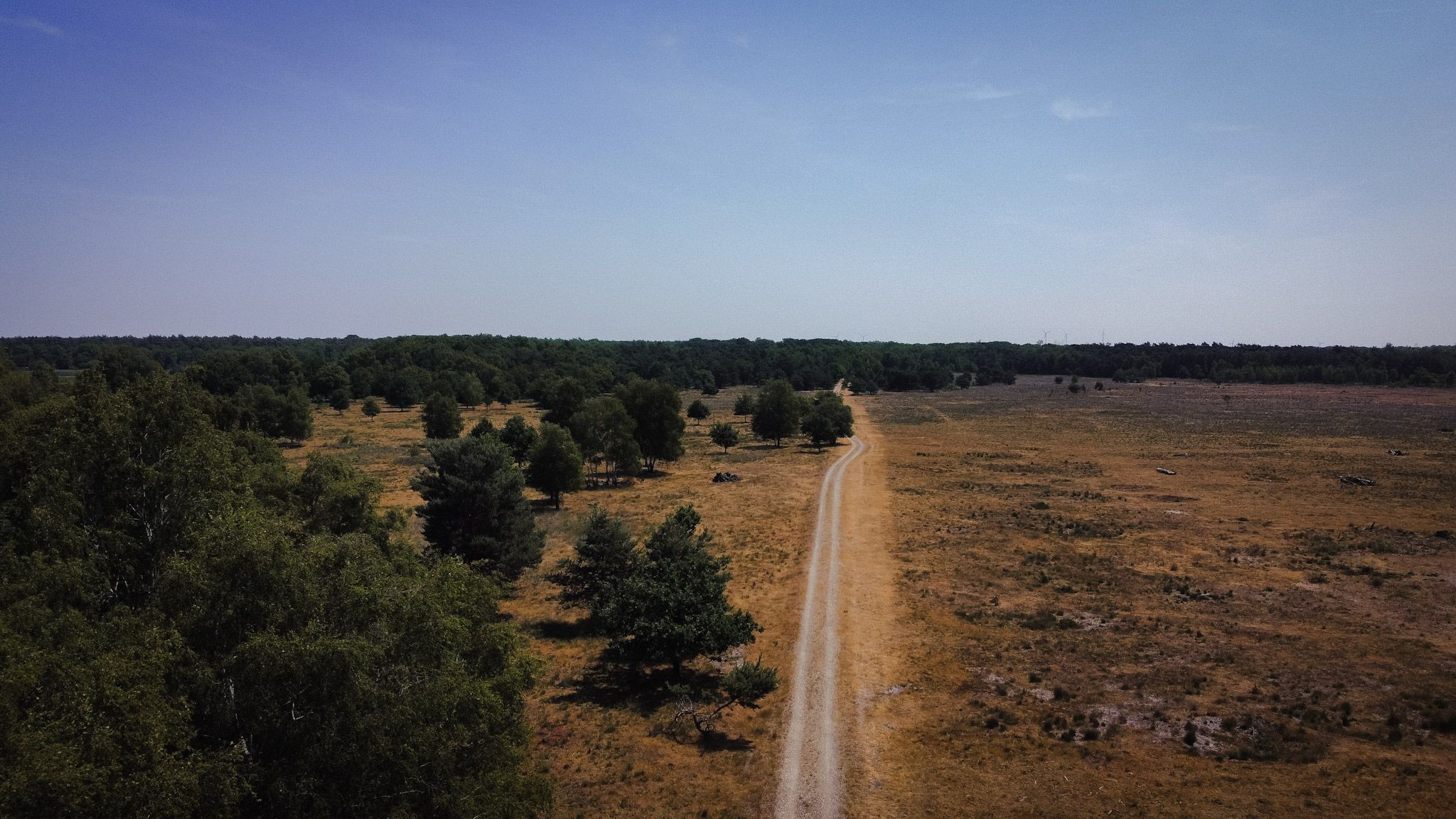
Geile Strecke — the Limburg divide
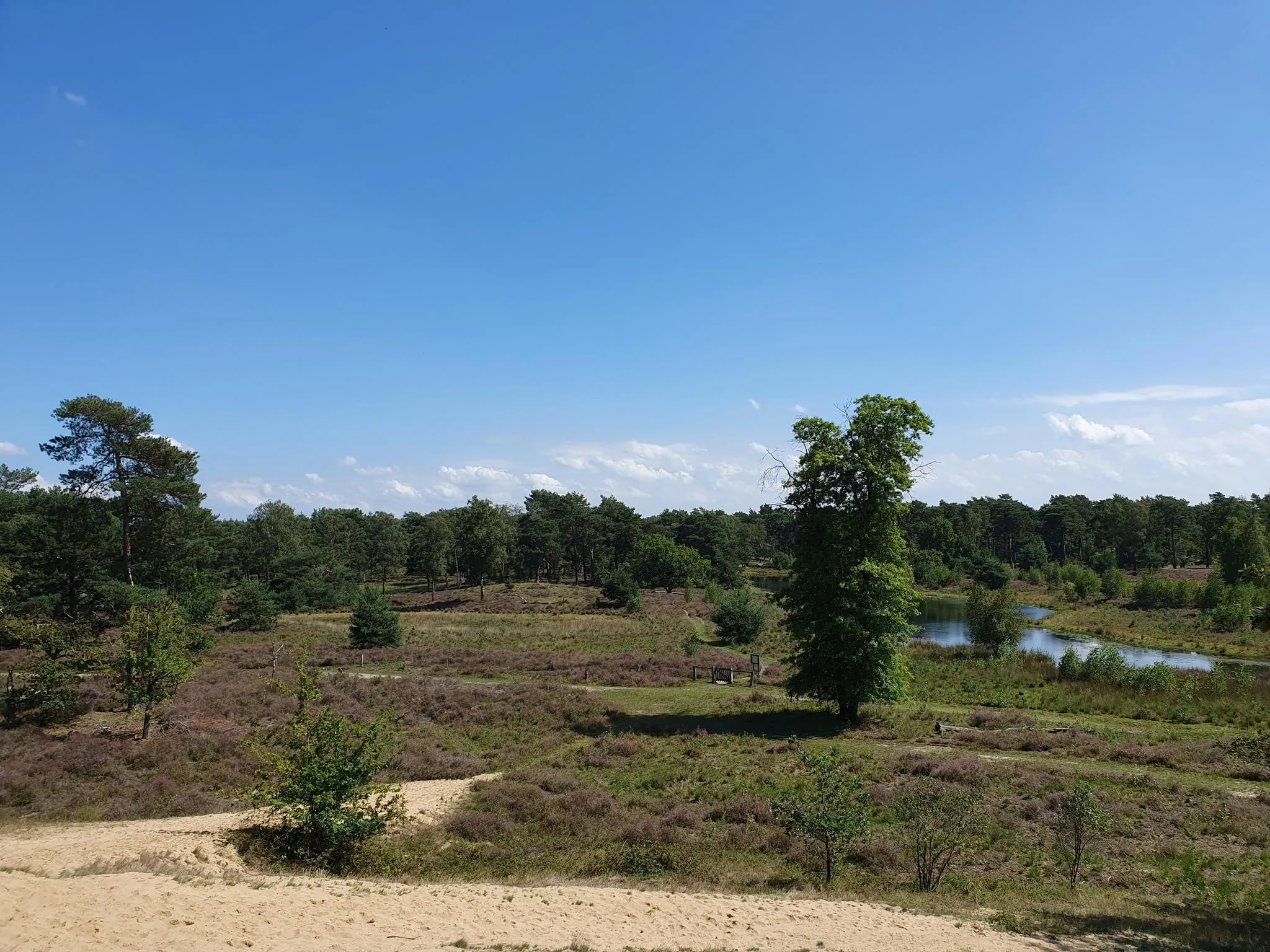
The Maas-Niederrhein Trail - Cross-border hiking in 19 stages
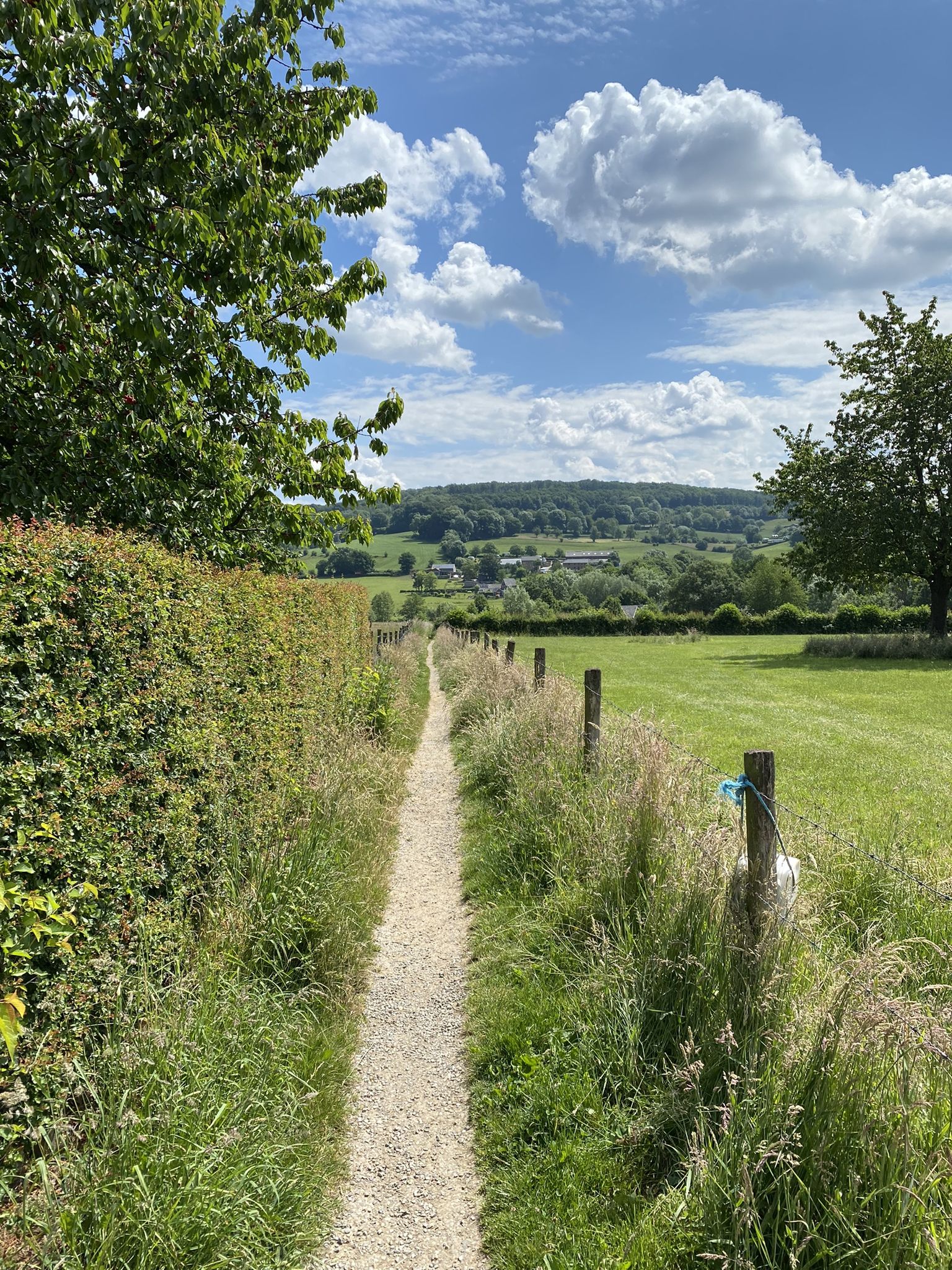
Train your calves in the rolling hills - 10 trailruns in Limburg
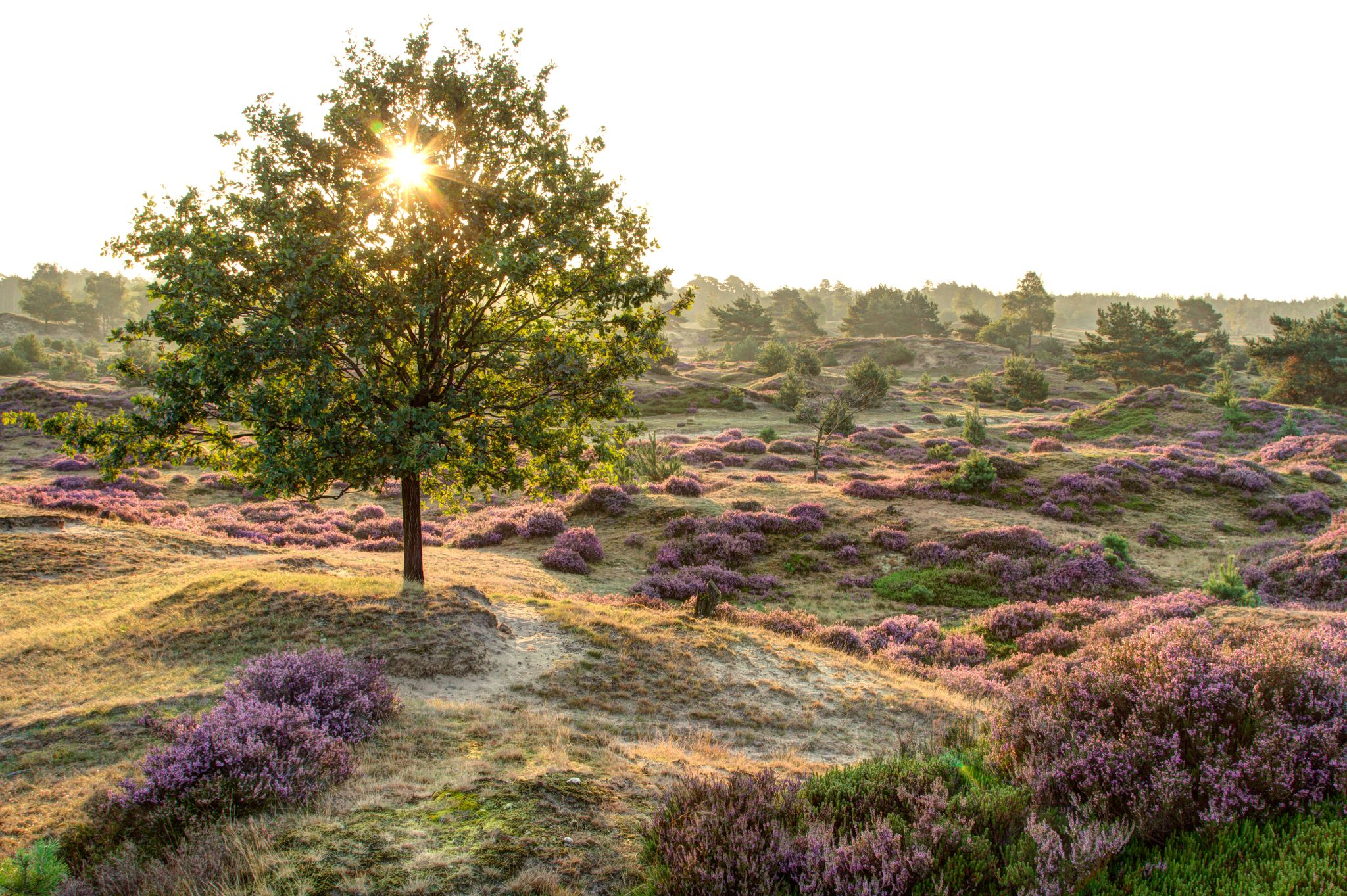
A complete hiking bucket list through every Dutch National Park

Traffic-free bike rides around De Maasduinen National Park
Traffic-free bike rides around De Maasduinen National Park
Other adventures around De Maasduinen National Park


Tips from the Community

This national park is really worth a trip. Magnificent dune and heath landscape with wonderful paths. Partially asphalted and mostly easily passable gravel. It is also very good to mention that these paths always run separately from the forest paths. 👍🏼
0
0

Cozy terrace with a view of the Maas.
0
0
Image of St. Christoffel
0
0

Here you can cross the Maas by ferry. But check the opening hours first. I have also stood here too early before. in April 2026, I paid €1.35 as a cyclist
0
0

Here too, the cycle path is a blast. In the middle of the forest in summer, it's a real treat.
2
0

From here you have a wonderful view of the Meuse with its small bends.
2
0


Lots of birds to watch, simply fascinating.
2
0
Frequently Asked Questions
How many no traffic touring cycling routes are available in De Maasduinen National Park?
There are over 20 dedicated no traffic touring cycling routes in De Maasduinen National Park, offering a variety of distances and experiences. These routes are designed to keep you away from vehicular traffic, allowing for a peaceful ride through the park's unique landscapes.
What kind of terrain can I expect on the no traffic cycling routes in De Maasduinen National Park?
The terrain in De Maasduinen National Park is generally gentle, characterized by the longest river dune belt in the Netherlands. While many routes are paved, you'll also find unpaved and semi-paved paths through heathlands, forests, and along the Maas River. Elevation changes are minimal, making most routes suitable for touring cyclists of all levels.
Are there any easy no traffic touring cycling routes suitable for beginners or families?
Yes, many routes are classified as easy, perfect for beginners or families. For example, the De Maasduinen National Park loop from Bergen is an easy 16 km route with minimal elevation, offering a relaxed ride through the park's beautiful scenery. The park's node network system also allows for customizing shorter, easier loops.
What natural features or landmarks can I see along the no traffic touring cycling routes?
The routes offer diverse natural beauty. You can cycle past the iconic parabolic dunes, expansive heathlands, and serene forests. Highlights include the beautiful Reindersmeer (Reinders Lake), where you might spot a bird hide, and various viewpoints like the View from the Dikkenberg over the Maasduinen wetlands. The park is also home to diverse wildlife, including red deer, wild boars, and numerous bird species.
Are there any circular no traffic touring cycling routes in De Maasduinen National Park?
Yes, many of the no traffic touring cycling routes are designed as loops, allowing you to start and end at the same point. An excellent example is the Maasduinen National Park loop from Aijen, which covers nearly 45 km and takes you through varied landscapes without retracing your steps.
What is the best time of year to go touring cycling in De Maasduinen National Park?
The park is beautiful year-round, but spring (April-May) offers blooming flora and mild temperatures, while late summer (August-September) is spectacular when the heathlands are in full purple bloom. Autumn brings vibrant fall colors. Even in winter, the quiet, traffic-free paths can offer a serene experience, though some facilities might have reduced hours.
Can I bring my dog on the no traffic touring cycling routes?
De Maasduinen National Park is generally dog-friendly, but specific rules may apply to certain areas or nature reserves within the park. It's always best to keep your dog on a leash to protect wildlife and ensure a pleasant experience for all visitors. Check local signage for any specific restrictions along your chosen route.
Are there places to eat or rest along the no traffic cycling routes?
Yes, you'll find various spots to refuel and relax. The Visitor Center De Maasduinen, located on Reindersmeer, is a great starting point. There are also charming establishments like Pancake House Jachthut Op den Hamer and De Wellsche Hut, offering refreshments and meals. Many routes pass through or near small villages with cafes and restaurants.
How can I access De Maasduinen National Park by public transport for a cycling tour?
While direct public transport into the heart of the park might be limited, several towns bordering the park, such as Bergen or Wellerlooi, are accessible by bus. From these points, you can easily connect to the park's extensive cycling network. It's advisable to check local bus schedules and bike transport policies in advance.
Where can I park my car when starting a no traffic cycling tour in De Maasduinen National Park?
There are several designated parking areas around the park's entrances and near popular starting points for cycling routes. The Visitor Center De Maasduinen often has parking facilities. Additionally, many of the komoot routes, such as the Reindersmeer loop from Bergen, start from locations with convenient parking options in nearby villages.
What do other touring cyclists enjoy most about cycling in De Maasduinen National Park?
The komoot community highly rates the touring cycling experience in De Maasduinen National Park, with an average score of 4.6 stars. Reviewers often praise the tranquility of the traffic-free paths, the diverse and beautiful landscapes, and the well-maintained routes that make for a relaxing and immersive ride through nature.
Most popular routes around De Maasduinen National Park
Most popular attractions around De Maasduinen National Park

Get inspired with the komoot mobile app


Explore more
Browse the best Cycling routes in other regions.
