Attractions and Places To See around Area Marina Protetta Regno di Nettuno - Top 20
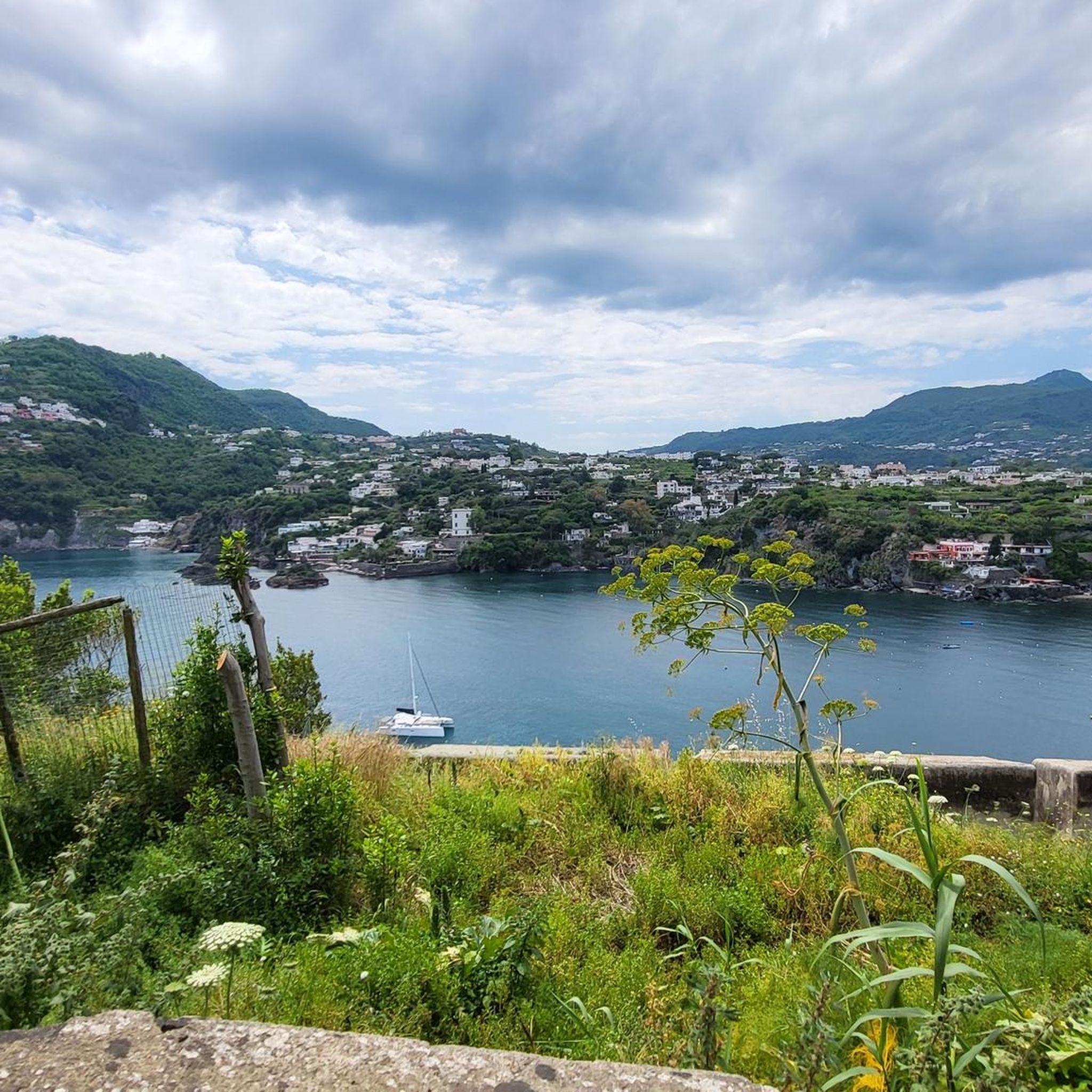
Best attractions and places to see around Area Marina Protetta Regno di Nettuno, located in the Gulf of Naples, encompass the islands of Ischia, Procida, and Vivara. Established in 2007, it is the largest marine protected area in Campania, covering 11,256 hectares. This region offers a blend of natural beauty, historical significance, and diverse attractions, including notable landmarks, cultural sites, and unique natural features. The area is characterized by volcanic activity, resulting in thermal springs and varied marine habitats.
Best…
Last updated: August 18, 2026
Sorgeto Hot Springs
Highlight • Natural Monument
Exception: the holiday in August. I would …
Translated by Google •
Tip by

Marina Corricella Harbour
Highlight • Settlement
Translated by Google •
Tip by

Sign up now to discover places like this
Get recommendations on the best single tracks, peaks, & plenty of other exciting outdoor places.
Sign up for free
Old Municipal Baths of Ischia Porto
Highlight • Historical Site
Translated by Google •
Tip by

Church of Our Lady of Succor
Highlight • Religious Site
Translated by Google •
Tip by
Pirate of Sorgeto
Highlight • Beach
The profile of a character who islanders and tourists know well and who assiduously …
Translated by Google •
Tip by

Sign up for free to discover even more attractions around Area Marina Protetta Regno di Nettuno.
Sign up for free
Already have an account?
Start today with a free account
Your next adventure awaits.
Login or Signup
Popular around Area Marina Protetta Regno di Nettuno
Tips from the Community


Characteristic, suggestive and romantic, Marina Corricella is the oldest seaside village in Procida. Arranged like an amphitheatre on the sea and surrounded by nets laid out on the dock, this small fishing village is a quiet and seductive refuge for those who prefer relaxing holidays. The smell of the sea, the characteristic streets, the unique architecture and the total absence of cars make Corricella a world apart.
0
0
Sorgeto Bay is one of the hidden treasures of Ischia. It is located on the south coast of the island and offers a unique natural thermal experience thanks to its natural hot springs that flow directly into the sea, creating a mixture of hot and cold water. TIP: The bay can be reached by land via the hamlet of Panza in the municipality of Forio, climbing 250 panoramic steps, or by sea with a taxi boat from the village of Sant’Angelo which also connects with Maronti beach.
0
0


There are hot thermal springs by the sea
0
0
The Ancient Municipal Baths Villa dei Bagni owes its name to the presence of two springs, Fornello and Fontana, whose fortune in the field of thermal literature dates back to the treatise published in 1588 by Giulio Iasolino, "On the natural remedies that are on the island Pithaecusa, today called Ischia.” In the text, the rigorous scientific analysis of the spring waters is accompanied by the description of the site: an Arcadian image of the lake, which will be transformed into a port in 1854. The use of the baths for therapeutic purposes is attested by the presence of reception structures overlooking the shore, with masonry tanks to collect mineral waters and huts for the hospitalization of the sick. Around the first half of the nineteenth century, the establishment consisted of two distinct buildings: three barrel-vaulted rooms for the Fornello bathrooms and two rooms for the Fontana bathrooms. The dilapidated conditions of the buildings, now insufficient to satisfy the needs of users, impose the need for a radical modernization. In the numerous reports, requested by the Municipality and citizens with the aim of requesting the works from the mainland authorities, the state of abandonment in which the baths find themselves is deplored several times, underlining how Casamicciola has in the meantime equipped itself with thermal facilities at avant-garde. Thanks also to the interest of King Ferdinand II, who usually spends his holidays in the nearby Royal Casino, work was undertaken and the new spa was inaugurated in April 1845. The two springs are incorporated into a single building, created by Gaetano Fazzini by modifying, with a significant reduction in space, the more ambitious original project by Camillo Ranieri. A large central hall leads to the dressing rooms arranged in rooms on two sides. Three public pools have been created outside for the benefit of those who want to use the water, even if it is forbidden to take a full bath. After national unification, the Royal Casino passed to the state property of the Italian State and was transformed into a military spa with the construction of new buildings near the baths.
0
0

Leaving the port area and proceeding to the left, the building of the Municipal Baths, designed in 1845 by the architect De Fazio, can be seen in Via Iasolino. They arise in the place where the sources of Fontana and Fornello (or Formeillo) gushed, famous and ancient Ischia waters, which in the 19th century attracted a large number of patrons.
10
0
Frequently Asked Questions
What unique natural features can I explore in the Area Marina Protetta Regno di Nettuno?
The region is renowned for its volcanic activity, which gives rise to numerous thermal springs. You can experience these at natural sites like the Sorgeto Hot Springs on Ischia, where different temperatures are found depending on your location in the bay. The area also boasts extensive Posidonia oceanica meadows, vital seagrass ecosystems, and diverse marine life along its rocky walls and coastlines, including sponges, corals, and brilliantly colored gorgonians.
Are there any historical or cultural sites worth visiting in the marine protected area?
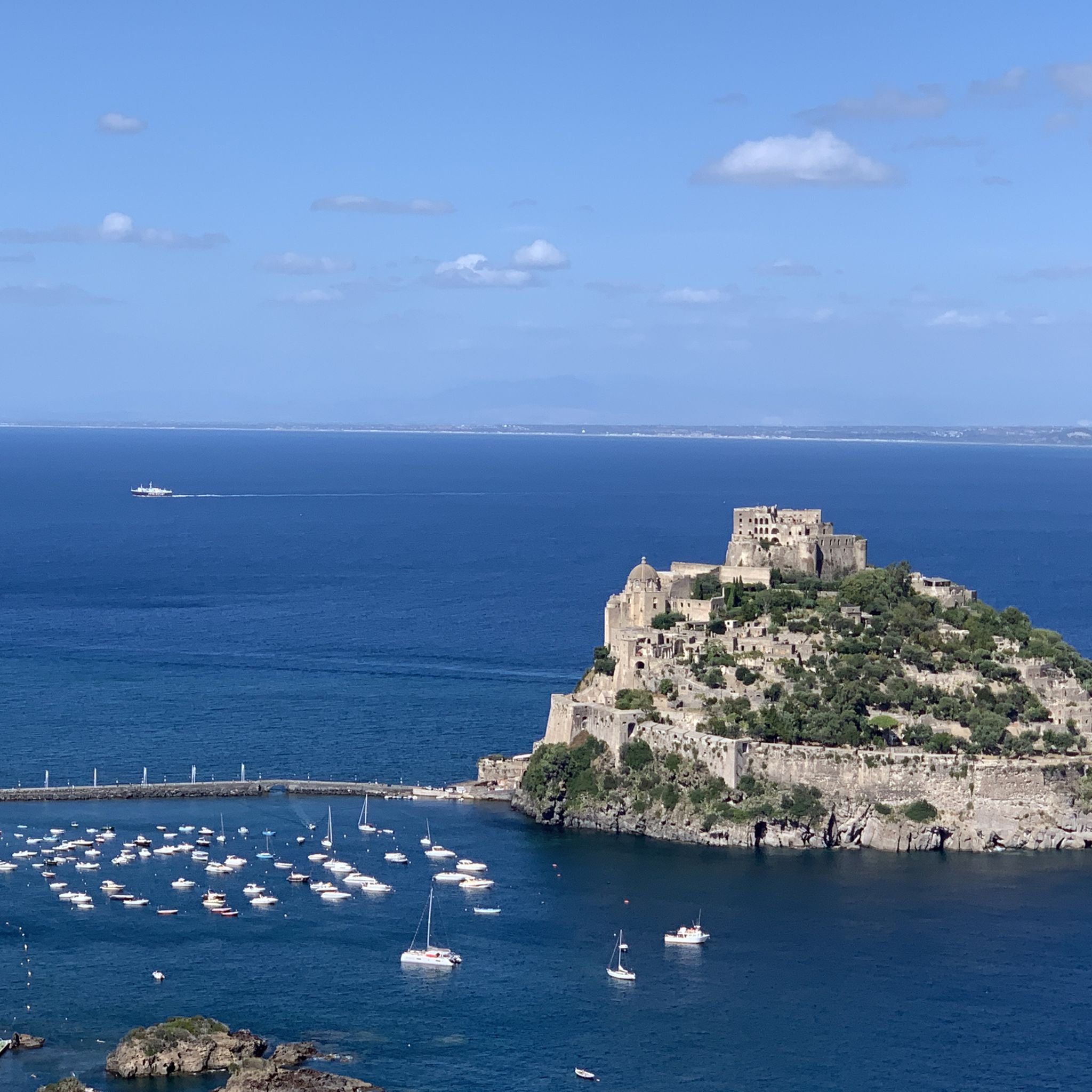
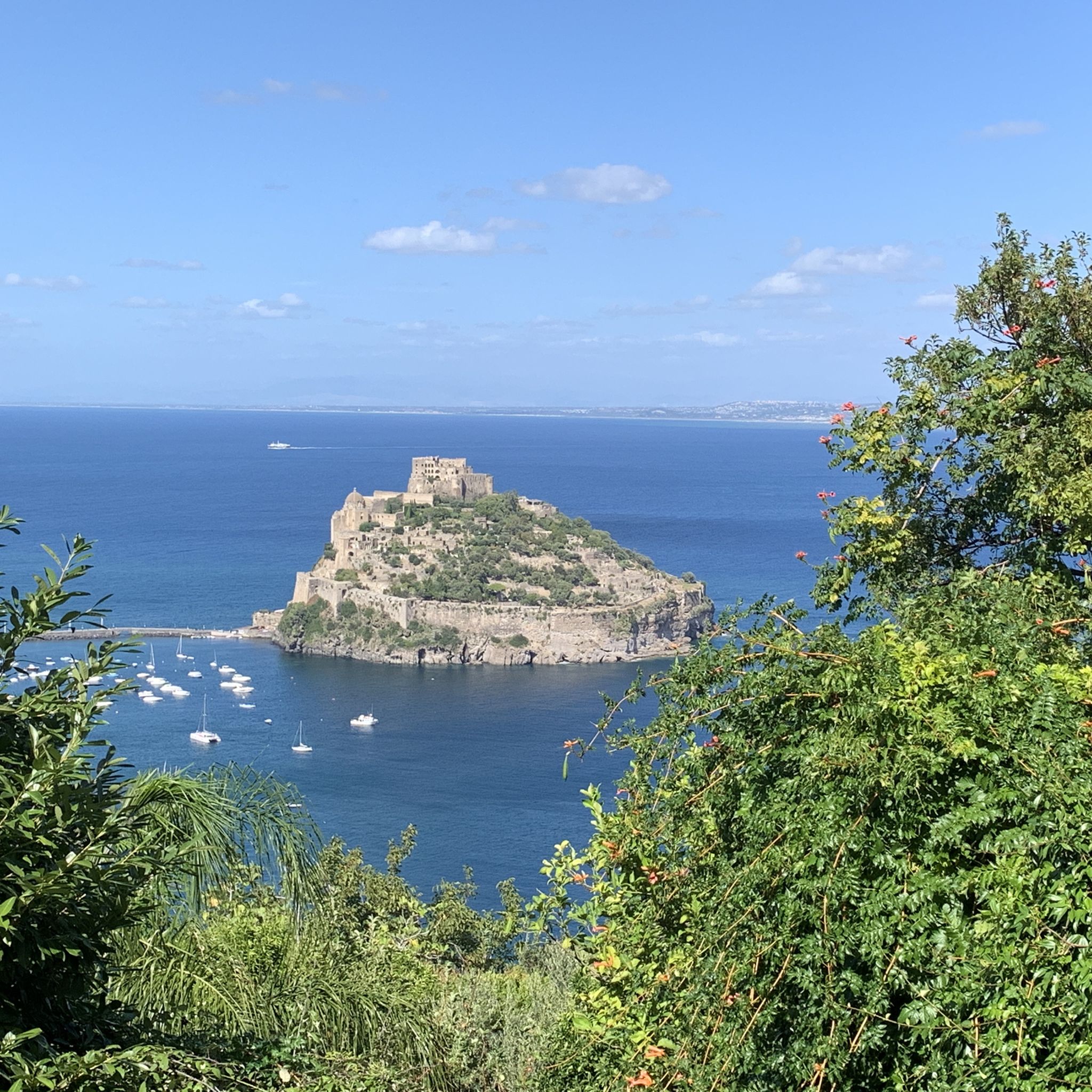
Absolutely. The islands are rich in history. On Ischia, you can visit the Old Municipal Baths of Ischia Porto, designed in 1845, which stand where famous thermal springs once flowed. Another significant site is the Submerged Roman Port of Aenaria, located near Castello Aragonese, which reveals ancient Roman structures now underwater due to volcanic activity. On Procida, the Marina Corricella Harbour offers picturesque views of a historic fishing village.
What kind of marine life can I expect to see in the Area Marina Protetta Regno di Nettuno?
The protected area is a haven for diverse marine life. Its rocky walls and seabeds host a wide array of Mediterranean species, including various green and red algae, sponges, bryozoans, and corals. The Cuma Canyon, part of the protected area, is a significant cetacean sanctuary, home to seven species of cetaceans, such as fin whales, sperm whales, and various dolphins, making it an important feeding and reproduction site for these mammals.
What are some popular outdoor activities or hiking trails near these attractions?
The region offers various hiking opportunities. For easy walks, consider routes like the Marina Corricella Harbor Trail or the Aragonese Castle Loop. For more moderate challenges, you can explore trails like the Riccardo D'Ambra Blue Trail or a loop tour from Sant'Angelo to Monte Epomeo on Ischia.
Are there family-friendly attractions or activities in the Area Marina Protetta Regno di Nettuno?
Yes, the area offers several family-friendly options. The picturesque Marina Corricella Harbour on Procida is a charming place for families to stroll and enjoy the views. Exploring the various beaches and coves, or even taking a boat tour to observe the diverse marine life in designated zones, can be enjoyable for all ages. The natural thermal springs, like those at Sorgeto, can also be a unique experience for families, though supervision is advised.
What is the best time of year to visit the Area Marina Protetta Regno di Nettuno?
The best time to visit is generally during the spring (April-June) and early autumn (September-October) when the weather is pleasant for outdoor activities and exploring, and the crowds are smaller than in the peak summer months. August, in particular, can be very crowded and loud, especially on Ischia, making it less ideal if you prefer a quieter experience.
Can I go diving or snorkeling in the marine protected area?
Yes, diving and snorkeling are permitted in designated areas within the Area Marina Protetta Regno di Nettuno. The diverse marine habitats, including rocky walls, Posidonia meadows, and vibrant coral formations, offer excellent opportunities for underwater exploration. Guided diving tours are available to help visitors discover the rich biodiversity while adhering to the protection zone regulations.
What makes Vivara Island special?
Vivara Island, connected to Procida by a pedestrian bridge, is a wild and pristine island that forms an integral part of the protected area. It's known for its untouched natural beauty and significant archaeological findings on its seabed, suggesting ancient navigation even before Greek colonization. It's a place where nature and history intertwine, offering a glimpse into the region's past and present ecological importance.
Are there any unique geological formations to see?
The volcanic origins of the Flegrean Archipelago have created several unique geological formations. Beyond the thermal springs, the varied coastlines feature dramatic rocky cliffs, pebbly coves, and sandy beaches. Underwater, you can find red coral formations in areas like Pizzaco (Procida) and on the volcanic rock wall of Sant'Angelo (Ischia), showcasing the region's dynamic geological history.
What do visitors enjoy most about the Area Marina Protetta Regno di Nettuno?
Visitors particularly enjoy the blend of natural beauty and historical charm. Many appreciate the unique experience of the natural thermal springs, such as those at Sorgeto Hot Springs. The picturesque views from places like Marina Corricella Harbour and the historical insights offered by sites like the Church of Our Lady of Succor are also highly rated. The overall appeal lies in the opportunity to relax in nature, explore ancient sites, and enjoy the vibrant marine environment.
How can I get around to the different attractions on the islands?
The islands, particularly Ischia, have a well-developed public transport system, including buses, which can take you to many of the highlights. For example, you don't necessarily need a rental car to visit attractions on Ischia. For inter-island travel between Ischia, Procida, and Vivara (which is connected to Procida by a bridge), ferries and local boat services are available.
Most popular routes around Area Marina Protetta Regno di Nettuno
Most popular attractions around Area Marina Protetta Regno di Nettuno

Get inspired with the komoot mobile app


Explore more
Still not found the Highlight you’re looking for? See guides of the top attractions in other regions:
