The best traffic-free bike rides around Forêt Domaniale de Chapaize
4.5
(41)
784
riders
58
rides
Road cycling around Forêt Domaniale de Chapaize features an undulating rural landscape, offering diverse terrain for cyclists. The region is characterized by extensive forest areas, including sessile oaks, hornbeams, and beeches, within a protected natural environment. This area is part of the Natura 2000 network, ensuring a pristine setting for outdoor activities. The surrounding countryside provides numerous small roads suitable for no traffic road cycling routes, often away from heavy vehicle flow.
Best no traffic road cycling routes around Forêt…
Last updated: May 18, 2026
5.0
(1)
4
riders
30.6km
01:40
510m
510m
Moderate road ride. Good fitness required. Mostly well-paved surfaces and easy to ride.
2
riders
51.6km
02:14
290m
290m
Moderate road ride. Good fitness required. Some segments of this route may be unpaved and difficult to ride.

Sign up for free
2
riders
Moderate road ride. Good fitness required. Mostly well-paved surfaces and easy to ride.
3.7
(6)
13
riders
31.3km
01:35
460m
460m
Moderate road ride. Good fitness required. Mostly well-paved surfaces and easy to ride.
10
riders
41.3km
01:55
270m
270m
Moderate road ride. Great for any fitness level. Some segments of this route may be unpaved and difficult to ride.
Get access to more routes and recommendations from other explorers.
Sign up for free
Already have an account?
Our route recommendations are based on thousands of hikes, rides, and runs completed by other people on komoot.
Start today with a free account
Your next adventure awaits.
Login or Signup
Popular around Forêt Domaniale de Chapaize
Tips from the Community

Château de Cormatin is a magnificent moated castle from the early 17th century. The castle was built between 1606 and 1625 by the Marquises d'Huxelles. It houses the best-preserved state rooms from the time of Louis XIII in all of France. Famous are the "Gilded Rooms" (Salles Dorées) with opulent paintings, sculptures, and gilded ceilings. The extensive grounds, covering around 12 hectares, are among the most beautiful gardens in France. Highlights in the outdoor area include a large boxwood maze, an open-air baroque theatre, water features, and a historic vegetable garden.
0
0

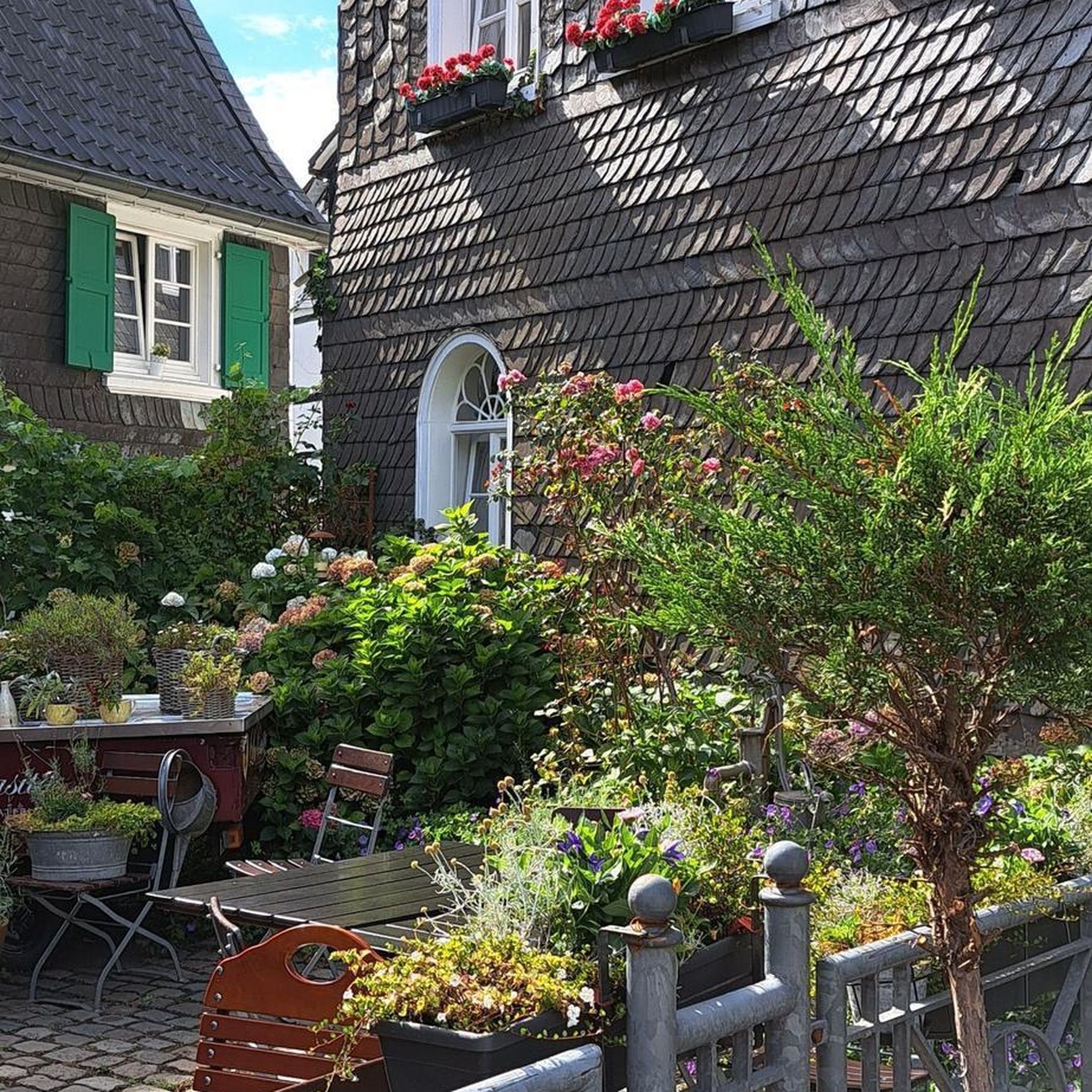
This small 15th-century castle, built of brick, has not undergone any restoration. In the 18th century, it still had a rectangular enclosure with four towers. Only a main residential building remains between two large square towers topped with high hipped roofs. The larger of the two towers features elegant mullioned windows. Some bays have retained medieval wrought-iron grilles.
0
0

Found the garden more interesting than the interior of the castle.
0
0

The town of Cluny developed around the Benedictine monastery (Abbey of Cluny) founded in 910. The abbey was the origin and center of the Cluniac reform at the beginning of the 10th century. Cluny reached its peak membership at the beginning of the 12th century with about 400 monks. The last abbey church (Cluny 3) was the world's largest Romanesque basilica and, until the construction of the present-day St. Peter's Basilica in Rome, the largest church in Christendom. The church had seven towers. Although large parts of the structure were destroyed, the remaining relics are absolutely remarkable and make a visit to Cluny an unforgettable experience!
1
0

Toilet on site, water point, the best!
1
0

nice
0
0

The residence of the Marquis d'Huxelles, built between 1606 and 1625, is home to the most sumptuous Louis XIII apartment preserved in France. Fireplaces, ceilings and wood panelling were painted, carved and gilded with sumptuous exuberance for the favourite of Queen Marie de Medici. Paintings, tapestries and period furniture complete this seductive evocation of "château life" at the time of the "Three Musketeers". The tour also reveals a monumental stone staircase (20 metres high), an 18th century kitchen and the opulent 1900s salons of an opera director. The garden, in the spirit of the Baroque period, offers 12 hectares of flowerbeds, a large boxwood labyrinth with aviary-belvedere, vegetable garden, green theatre, water features and remarkable trees.
2
1

Founded in 910, Cluny Abbey was a powerful centre of the Benedictine order and influenced the spiritual and cultural life of all of Europe at its height. Today, although much of the abbey was destroyed during the French Revolution, you can still explore the remaining parts of the vast complex, including the majestic bell tower and restored cloister.
1
0
Frequently Asked Questions
How many no-traffic road cycling routes are available in Forêt Domaniale de Chapaize?
There are over 60 dedicated no-traffic road cycling routes around the Forêt Domaniale de Chapaize, offering a wide range of options for all skill levels. These routes are designed to keep you away from busy roads, allowing you to enjoy the serene rural landscape.
What kind of terrain and elevation can I expect on these routes?
The region around Forêt Domaniale de Chapaize features an undulating rural landscape, providing engaging routes with gentle climbs and descents. While many routes are moderate, you'll find options ranging from easy, flatter rides to more challenging ascents with significant elevation gain, such as the difficult 66.8 km route that tackles the Croix de Montmain Pass and Pistole Pass.
Are there any easy no-traffic road cycling routes suitable for beginners?
Yes, approximately 15 of the routes are classified as easy, making them ideal for beginners or those looking for a more relaxed ride. These routes typically feature less elevation and shorter distances, allowing you to comfortably explore the beautiful countryside without heavy traffic.
What natural features or landmarks can I see along the no-traffic road cycling routes?
The routes often pass through the diverse Forêt Domaniale de Chapaize, characterized by ancient sessile oaks, hornbeams, and beeches. You can also discover the rich cultural heritage of the area, including historical sites like the Chapaize Church and the impressive Cormatin Castle, which are featured on several routes.
Is the Forêt Domaniale de Chapaize area suitable for family-friendly road cycling?
Absolutely. The focus on no-traffic routes makes the area particularly suitable for families. With 15 easy routes available, you can find shorter, gentler rides that are perfect for cyclists of all ages to enjoy the peaceful environment and picturesque scenery together.
What is the best time of year to go road cycling in Forêt Domaniale de Chapaize?
The spring and autumn months are generally ideal for road cycling in Forêt Domaniale de Chapaize. During these seasons, the weather is typically mild, and the forest offers stunning displays of fresh greenery or vibrant autumn colors, enhancing the scenic beauty of your ride. Summer can also be pleasant, especially in the mornings or late afternoons.
Where can I find parking for these road cycling routes?
Many routes start from villages like Chapaize, Cormatin, or Chissey-lès-Mâcon, where you can typically find public parking facilities. For example, the 19th-Century Washhouse loop starts directly from Chapaize, offering convenient access to the route.
Are there any circular road cycling routes available?
Yes, many of the no-traffic road cycling routes in the Forêt Domaniale de Chapaize area are designed as circular loops, allowing you to start and end your ride in the same location. Examples include the Cormatin Castle – Notre-Dame Church loop and the Chapaize Church – Cormatin Castle loop.
What do other road cyclists enjoy most about cycling in Forêt Domaniale de Chapaize?
The area is highly rated by the komoot community, with an average score of 4.5 stars. Reviewers often praise the quiet, beautiful small roads, the serene forest environment, and the rich cultural heritage found along the routes, making for a truly immersive and enjoyable cycling experience away from traffic.
Are there places to stop for refreshments or accommodation near the routes?
The charming villages surrounding the Forêt Domaniale de Chapaize, such as Chapaize and Cormatin, offer various options for refreshments, including local cafes and restaurants. You can also find guesthouses and other accommodation options in these villages, perfect for extending your stay and exploring more of the region's cycling opportunities.
How long do the moderate no-traffic road cycling routes typically take?
Moderate routes vary in length and duration, but you can expect rides like the Cormatin Castle – Percée Pass loop (32.7 km) to take around 1 hour 40 minutes, while longer moderate routes such as the Chapaize Church – Cormatin Castle loop (51.5 km) might take closer to 2 hours 15 minutes, depending on your pace and stops.
Most popular routes around Forêt Domaniale de Chapaize

Get inspired with the komoot mobile app


Explore more
Browse the best Road cycling routes in other regions.
