Stony Down Plantation
Stony Down Plantation
The best traffic-free bike rides around Stony Down Plantation
4.5
(186)
10,369
riders
43
rides
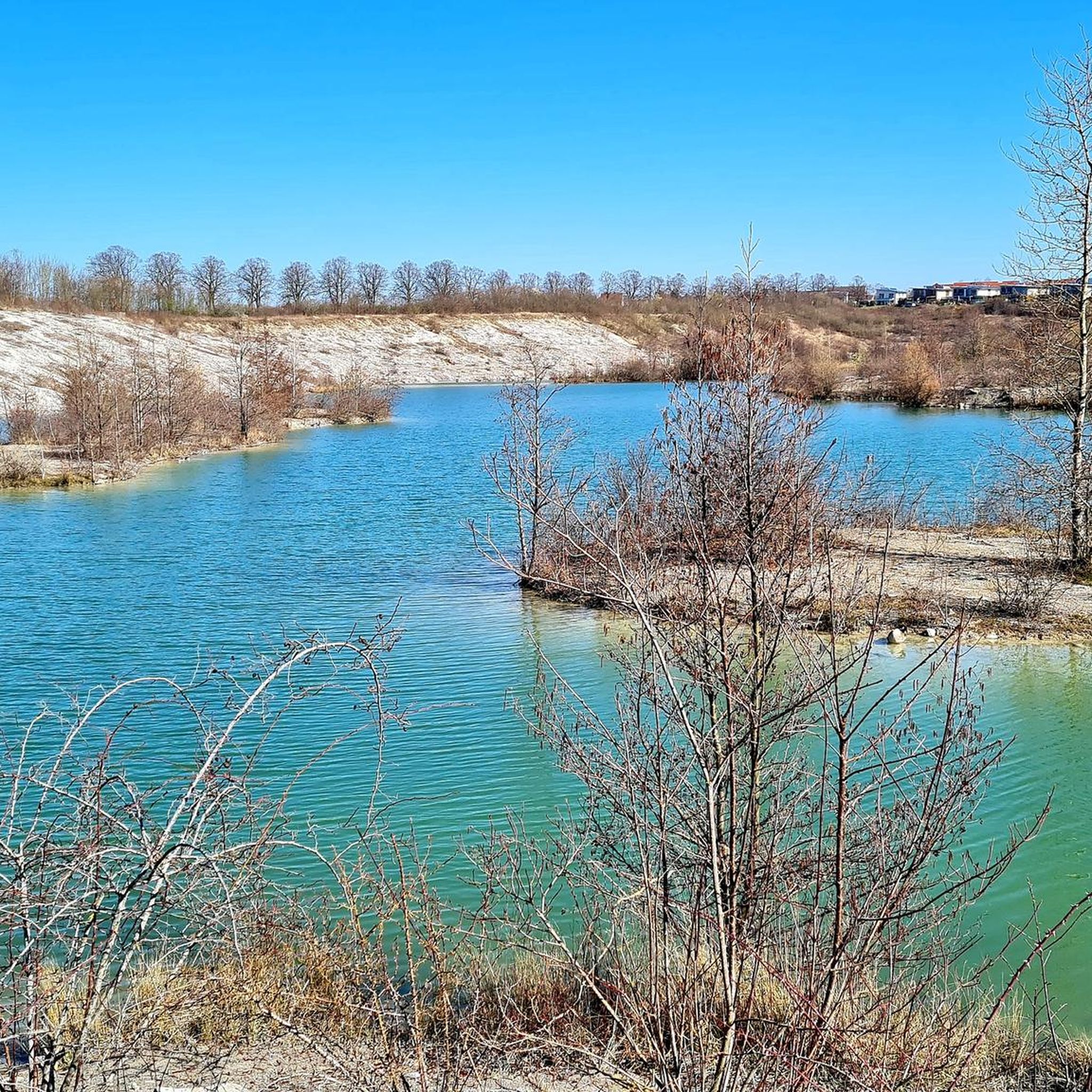
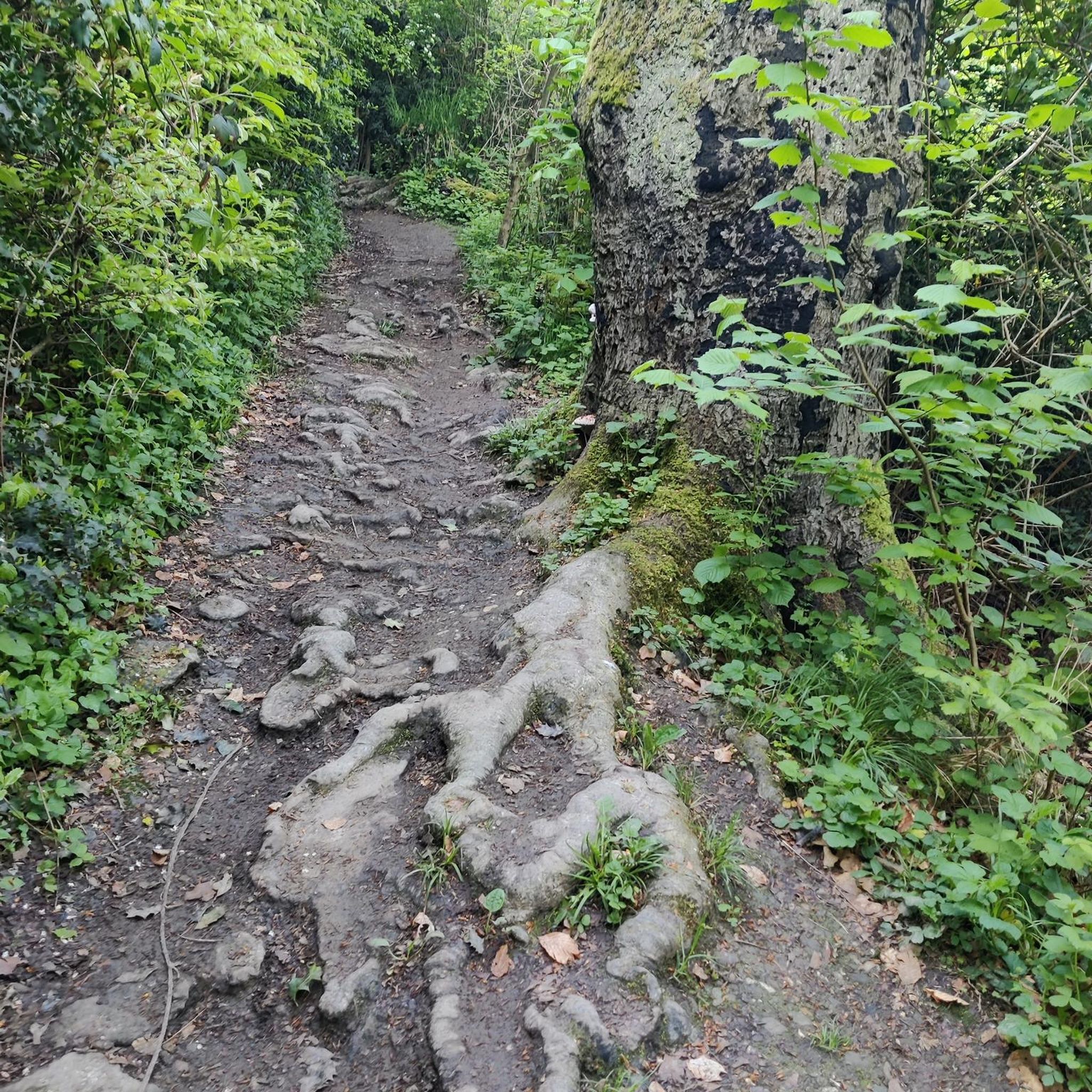
No traffic road cycling routes around Stony Down Plantation are situated within an "Area of Great Landscape Value" (AGLV) in Dorset, England. The region features a diverse forested countryside with mixed woodland, including pine, Douglas fir, larch, and ancient oak copses. While the immediate plantation area primarily offers bridleways, the surrounding East Dorset area provides country lanes and quiet roads suitable for road cycling. The landscape offers views across Crumpet's Valley to Henbury Plantation and towards the Purbeck Hills.
Best…
Last updated: July 13, 2026
5.0
(2)
270
riders
42.4km
01:44
200m
200m
Easy road ride. Great for any fitness level. Mostly well-paved surfaces and easy to ride.
8
riders
17.1km
00:53
190m
190m
Easy road ride. Great for any fitness level. Mostly well-paved surfaces and easy to ride.

Sign up for free
9
riders
Easy road ride. Great for any fitness level. Mostly well-paved surfaces and easy to ride.
5
riders
Moderate road ride. Good fitness required. Some segments of this route may be unpaved and difficult to ride.
56
riders
Easy road ride. Great for any fitness level. Mostly well-paved surfaces and easy to ride.
Get access to more routes and recommendations from other explorers.
Sign up for free
Already have an account?
Our route recommendations are based on thousands of hikes, rides, and runs completed by other people on komoot.
Start today with a free account
Your next adventure awaits.
Login or Signup
Popular around Stony Down Plantation
Tips from the Community

If you’re looking for a town that feels like a giant, historical treasure chest, Wimborne MinsterClick to open side panel for more information is the place to be. It’s a quirky mix of ancient legends, beautiful architecture, and a slightly obsession with things being very, very small. The Heart of the Town The town is dominated by the Wimborne Minster Parish OfficeClick to open side panel for more information and the stunning church itself, which has been standing for over 1,300 years. It’s famous for its unique "twinned" towers and some seriously cool interior features. The Chained Library: It’s home to one of the few surviving chained libraries in the world, where the books are literally locked to the shelves to stop medieval students from "borrowing" them forever. The Quarter Jack: Keep an eye on the exterior clock; a colorful figure known as the Quarter Jack strikes the bells every fifteen minutes. He’s been on duty since 1612! The Man in the Wall: Look for the tomb of Anthony Ettrick, who was convinced he’d die in a specific year and had his coffin built into the wall of the church so he wouldn't be buried "in" or "outside" the consecrated ground.
0
0


A beautiful ancient bridge lovely views in all seasons x
0
0
White Mill is an 18th-century water powered corn mill near Sturminster Marshall in Dorset on the River Stour which is in the care of the National Trust. The first record of a mill on the site is from Domesday Book; the current watermill was rebuilt in 1776 and extensively repaired in 1994. It still retains its original elm and applewood machinery though this can no longer be used. The mill and house are both built of brick with tiled roofs. The mill house has two stories whist the mill has three with an attic. The house has a single story lean-to extension and a timber porch. The machinery and mill stones remain but the two water wheels are no longer present. The present mill is thought to be on the site of an earlier one, probably one of those mentioned in Domesday Book. The current mill was rebuilt in 1776 on older foundations. The tenancy of the mill was the held by successive members of the Joyce family. The mill worked under water power until 1866 when a severe winter flood caused damage that was deemed beyond economic repair. The miller at the time was also a baker and he converted half of the mill to run from a portable steam engine to supply his bakery with flour. The last miller retired at the end of the 19th-century and the mill was not used again
1
0
There are documentary references to the building of "A Bridge on the River Stour adjacent to the White Mill" in the year 1175. Although the bridge you'll see today is probably a sixteenth century structure (somewhat hacked around by the Victorians). It is known, from an investigation of the foundations a few years ago, that the bridge stands on timber pilings which have themselves been carbon dated to the twelfth century. This is alleged to be the oldest bridge site in Dorset. Note the bridge warning plate "Any person wilfully damaging any part of this County Bridge will be guilty of Felony and upon conviction liable to be Transported For Life by the court"
1
0
1/10th scale model of the town's streets, shops and gardens as they looked in the 1950s, plus cafe. open 7 days a week 10 am til 5 pm. Adult £10.00 Seniors & Students £9.00 Junior (3-17 yrs) £7.00 Under 3 Free Family 2 Adults & 2 Juniors £30.00 Family 1 Adult & 3 Juniors £27.00
1
0
Wimborne Minster is the parish church of Wimborne, Dorset, England. The minster has existed for over 1300 years and is recognised for its unusual chained library (one of only a few surviving chained libraries in the world). The minster is a former monastery and Benedictine nunnery, and King Æthelred of Wessex is buried there. The Chained library is located upstairs, up a very windy stone staircase. No lifts to it. Until it was confiscated during Henry VIII's reign, the old Treasury held the wealth of the minster and numerous artefacts such as (reputed to be) a piece of the true cross, wood from the Manger and cloth from the Shroud. Since 1686 it has housed an important chained library. The chained library was one of the first public libraries in the UK, and it remains the second-largest. Some of the collections of the library include a manuscript written on lambskin in 1343, a book bound for the Court of Henry VIII, an incunabulum printed in 1495 on the works of Saint Anselm, and a Paraphrase of Erasmus printed in 1522 with a title page designed by Holbein. The library is run by volunteers and remains open to the public on week days 10.30-12.30 & 2-4 (closed in winter season). The Bells Since 1911 the west tower at the minster has been home to a ring of ten bells. The original tenor bell was housed in the central tower and was cast in 1385. The central tower was considered too structurally weak to add much more additional weight, so in 1464 the west tower was constructed in order to house five bells. In 1629 the tenor bell was recast. Besides the tenor, the minster at this time was home to the 'Bell of St. Cuthburga', 'The Fyfer Bell', 'The Jesus Bell' and 'The Morrow Mass Bell'; presumably all housed in the west tower. In 2012, the bells were augmented to 12 by Whitechapel Bell Foundry, with an additional semitone bell cast to make a total of 13 bells. Tombs The most important tomb in the church is that of King Ethelred, the brother of Alfred the Great. Ethelred was mortally wounded in a battle at Martin, near Cranborne. The exact location of the tomb however is unknown, though sources and legend indicate that it resides somewhere near the altar.
0
0
Eye Bridge in Wimborne is on the River Stour. It has plenty of parking right next to the river, however, it can quickly fill up on a summers weekend. Eyebridge is a lovely spot to Paddleboard, you can head up stream for a good 5+ miles and there’s also a pub stop off at the end (Coventry Arms) if you fancy it.
0
0
Frequently Asked Questions
How many no-traffic road cycling routes are available around Stony Down Plantation?
There are over 40 no-traffic road cycling routes around Stony Down Plantation, catering to various skill levels. You'll find a good mix of easy, moderate, and some more challenging options to explore the scenic Dorset countryside.
What is the best time of year to go road cycling near Stony Down Plantation?
The area is beautiful year-round, but spring (for bluebells and orchids) and early autumn offer pleasant temperatures and stunning natural displays. Summer can be lovely, but be mindful of potential heat. Winter cycling is possible, but check weather conditions as some quieter lanes might be less maintained.
Are there any easy, family-friendly no-traffic road cycling routes?
Yes, many of the routes are rated as easy, making them suitable for families. For instance, the White Mill Bridge – Blandford Forum Market Place loop from Corfe Mullen offers a gentle ride through the landscape. Always check the route details for distance and elevation to ensure it matches your family's ability.
What kind of natural features can I expect to see on these routes?
While Stony Down Plantation itself is known for its mixed woodlands, including pine, oak, and sweet chestnut, and seasonal bluebells, the surrounding road cycling routes will take you through broader Dorset landscapes. You'll encounter diverse forested countryside, open fields, and views across valleys towards the Purbeck Hills. Keep an eye out for local wildlife like deer and various bird species.
Where can I park when cycling near Stony Down Plantation?
Parking options are available in nearby villages like Corfe Mullen and Lytchett Matravers, which serve as common starting points for many routes. Always check local signage for specific parking regulations and availability.
Are there any circular road cycling routes available?
Yes, many of the no-traffic road cycling routes around Stony Down Plantation are designed as loops, allowing you to start and finish in the same location. An example is the St Mary the Virgin Church loop from Lytchett Matravers, which offers a convenient circular journey.
What do other road cyclists enjoy most about cycling in this area?
The komoot community highly rates the cycling experience around Stony Down Plantation, with an average score of 4.5 stars from over 160 reviews. Cyclists frequently praise the quiet country lanes, the beautiful natural scenery, and the sense of escaping traffic while exploring the Dorset countryside.
Can I find cafes or pubs along the no-traffic road cycling routes?
Yes, routes often pass through or near villages like Corfe Mullen and Lytchett Matravers, where you can find local cafes and pubs. For example, the St Mary the Virgin Church – Cork and Bottle Pub loop from Lytchett Matravers specifically highlights a pub as part of its route name, indicating amenities are available.
Are there any challenging no-traffic road cycling routes for experienced riders?
While many routes are easy to moderate, there are also options for more experienced cyclists seeking a challenge. The guide includes 6 difficult routes. These typically feature more significant elevation gains and longer distances, providing a good workout while still enjoying the quieter roads.
Is public transport available to reach the cycling areas near Stony Down Plantation?
Public transport options, primarily bus services, connect the surrounding towns and villages like Corfe Mullen and Lytchett Matravers. These can provide access to starting points for many of the cycling routes. It's advisable to check local bus schedules and bicycle carriage policies in advance.
Are there any specific landmarks or points of interest to look out for?
While Stony Down Plantation itself is a natural area, the broader region offers historical and scenic points. The routes often pass through charming villages with historic churches, and you might catch glimpses of the wider Dorset landscape, including views towards the distant Purbeck Hills. For more information on the natural heritage of the area, you can refer to the Wikipedia page for Stoney Down.
Most popular routes around Stony Down Plantation

Get inspired with the komoot mobile app


Explore more
Browse the best Road cycling routes in other regions.
