The best traffic-free bike rides around Hohe Garbe
4.7
(54)
652
riders
4
rides
No traffic road cycling routes around Hohe Garbe are characterized by the region's unique position within an Elbe River meander. The landscape features expansive floodplains, rare hardwood floodplain forests, and routes often running along Elbe dikes. This area offers predominantly flat terrain, making it suitable for road cycling while providing views of the river and its renatured surroundings.
Best no traffic road cycling routes around Hohe Garbe
- The most popular no traffic road cycling route is Wanzer Post Mill –…
Last updated: May 17, 2026
2
riders
45.4km
02:15
50m
50m
Moderate road ride. Good fitness required. Some segments of this route may be unpaved and difficult to ride.
1
riders
Moderate road ride. Great for any fitness level. Some segments of this route may be unpaved and difficult to ride.

Sign up for free
2
riders
30.0km
01:29
30m
30m
Moderate road ride. Great for any fitness level. Some segments of this route may be unpaved and difficult to ride.
4
riders
16.0km
00:54
30m
30m
Moderate road ride. Great for any fitness level. Some segments of this route may be unpaved and difficult to ride.
10
riders
Moderate road ride. Great for any fitness level. Some segments of this route may be unpaved and difficult to ride.
Our route recommendations are based on thousands of hikes, rides, and runs completed by other people on komoot.
Start today with a free account
Your next adventure awaits.
Login or Signup
Popular around Hohe Garbe
Tips from the Community

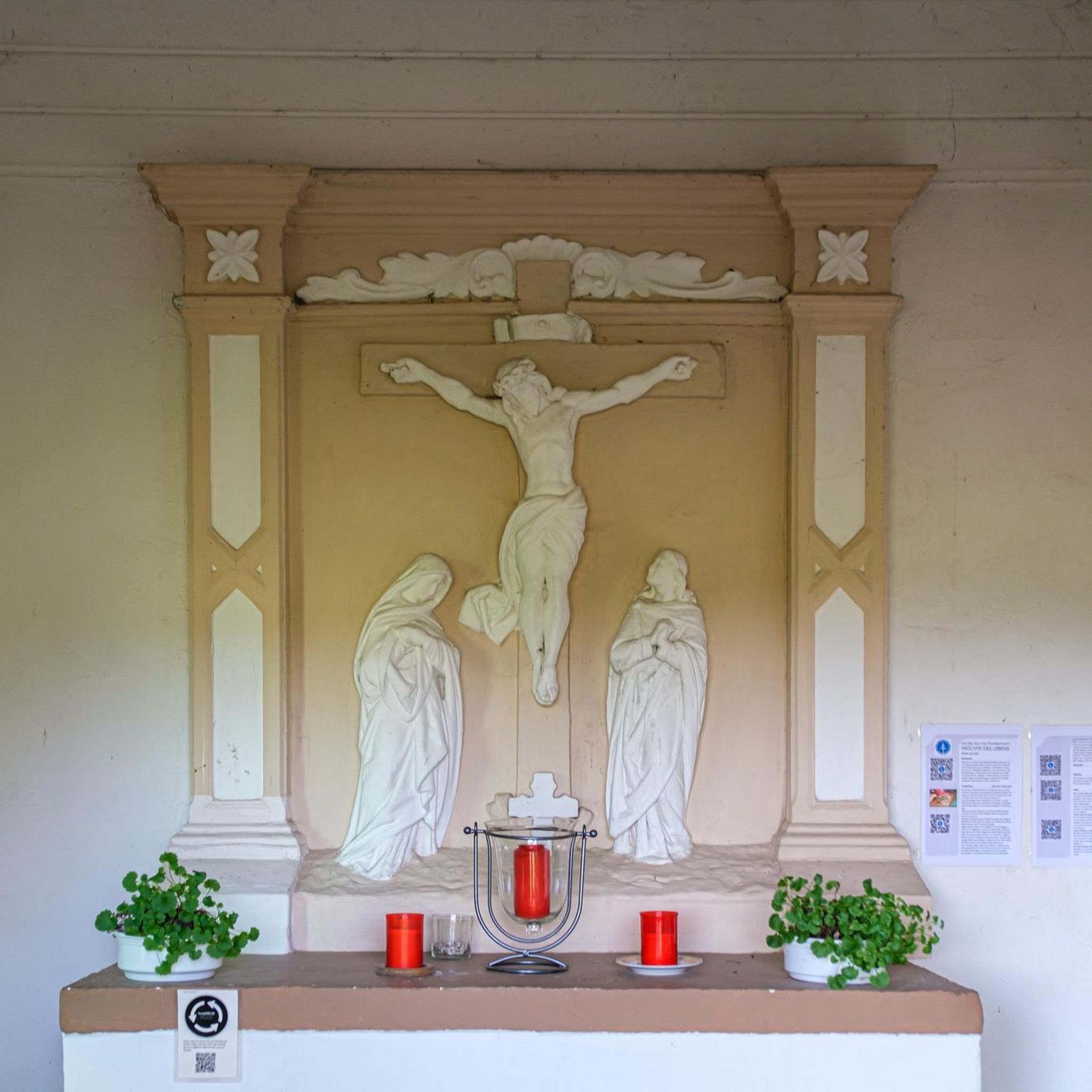
The Protestant town church in Wittenberge is a striking Neo-Gothic brick building, consecrated in 1872 after a predecessor building was demolished. The church is located on the southern edge of the old town near the Elbe and is known for its historic organ, the largest in western Brandenburg. Unusual for towns in the Mark, the church is not centrally located on the market square, but rather on the southern edge in the small old town.
3
0

Quiet country road, great to drive!
0
0

The Old Main Customs Office in Wittenberge dates back to the 19th century and served to monitor the flow of goods across the Elbe River. After years of disuse, it was renovated and converted into modern apartments, while preserving its historical appearance. The building remains a testament to Wittenberge's economic importance in Elbe River trade.
0
0
The bridge over the Stepenitz is an important crossing just before the river flows into the Elbe. It connects central urban areas with adjacent residential and recreational areas and is used by vehicular traffic, pedestrians, and cyclists. Its location in the river and floodplain landscape offers unobstructed views of the Stepenitz and the surrounding countryside. It is a defining element of Wittenberge's cityscape.
0
0

A visit to the interior is worthwhile.
0
0

Windmills have existed in Wanzer since at least 1611. This particular windmill was built in 1805, though originally in Pollitz, 3 km away. It was moved to Wanzer in 1868 and is now maintained by many volunteers. We were lucky enough to witness an interior inspection.
0
0

Great surface and very comfortable to ride on hot summer days.
2
0
Thanks to the great pictures here, you can actually save yourself the trouble of looking inside; you can just enjoy the building from the outside as it rolls by.
2
0
Frequently Asked Questions
How many no-traffic road cycling routes are available in Hohe Garbe?
There are currently 4 dedicated no-traffic road cycling routes around Hohe Garbe listed in this guide, all offering a moderate challenge. These routes are designed to provide a serene cycling experience away from vehicular traffic, allowing you to fully immerse yourself in the natural beauty of the Elbe floodplains.
What kind of terrain can I expect on these no-traffic road cycling routes?
The routes around Hohe Garbe are predominantly flat, making them ideal for leisurely road cycling. You'll primarily cycle along the Elbe dikes and through expansive floodplain landscapes, offering smooth surfaces and picturesque views. The minimal elevation changes ensure a relaxed ride, perfect for enjoying the scenery.
Are there any circular no-traffic road cycling routes in Hohe Garbe?
Yes, many of the no-traffic road cycling routes in Hohe Garbe are designed as loops. For example, you can enjoy the Wanzer Post Mill – Schnackenburg Harbor loop from Schnackenburg, which covers approximately 45 kilometers, or the shorter Aulosen Village Church – Wanzer Post Mill loop from Deutsch, at about 30 kilometers.
What kind of wildlife might I encounter while cycling in Hohe Garbe?
Hohe Garbe is a haven for diverse wildlife. Cyclists often spot sea eagles, black storks, otters, and beavers, especially along the Elbe River and within the hardwood floodplain forests. The floodplain meadows also serve as a crucial stopover for wading birds during migration, offering excellent birdwatching opportunities.
Are there any historical or natural landmarks to see along the no-traffic routes?
Absolutely. The region is rich in both natural and historical points of interest. You can visit the well-restored Bockwindmühle Wanzer (post mill) or explore the area's historical significance as part of the former inner-German border strip. The Elbe Dikes themselves offer elevated perspectives of the river and surrounding landscapes, which are a natural feature of the area.
What is the best time of year for no-traffic road cycling in Hohe Garbe?
The spring and autumn months are particularly rewarding for cycling in Hohe Garbe. During these seasons, the floodplain meadows are vibrant with migrating birds, and the weather is generally mild. The hardwood floodplain forests also offer stunning natural beauty as they change colors. Summer is also pleasant, but remember to stay hydrated.
What do other road cyclists enjoy most about cycling in Hohe Garbe?
The area is highly rated by the komoot community, with an average score of 4.7 stars from 54 ratings. Reviewers often praise the tranquility of the no-traffic routes, the stunning natural beauty of the Elbe floodplains, and the excellent cycling infrastructure that makes for a smooth and enjoyable ride.
Are there any shorter no-traffic road cycling routes suitable for beginners or a quick ride?
Yes, if you're looking for a shorter, less demanding ride, the Stepenitz Bridge – Village Church Weisen loop from Wittenberge is an excellent option. It covers approximately 15.7 kilometers and offers a moderate difficulty, perfect for a relaxed outing without traffic.
Can I access these no-traffic road cycling routes using public transport?
While specific public transport connections directly to every starting point may vary, towns like Wittenberge, which is a starting point for routes such as the Wittenberge Station – Evangelical Church Wittenberge loop, are generally well-connected. It's advisable to check local train or bus schedules to plan your journey to the nearest accessible town.
Where can I find parking for these no-traffic road cycling routes?
Many of the routes start from towns or villages like Schnackenburg, Lanz, Deutsch, or Wittenberge. These locations typically offer public parking facilities where you can leave your vehicle before starting your ride. Look for designated parking areas near the route's starting point for convenience.
Are there any cafes or places to rest along the no-traffic road cycling routes?
While the routes focus on natural immersion, you'll find opportunities for refreshments in the villages and towns you pass through or start from. Schnackenburg Harbor, for instance, offers an inexpensive ferry experience and is a good spot to take a break. It's always a good idea to carry some snacks and water, especially on longer stretches.
Most popular routes around Hohe Garbe

Get inspired with the komoot mobile app


Explore more
Browse the best Road cycling routes in other regions.
