The best traffic-free bike rides around Havel
4.5
(438)
1,936
riders
37
rides
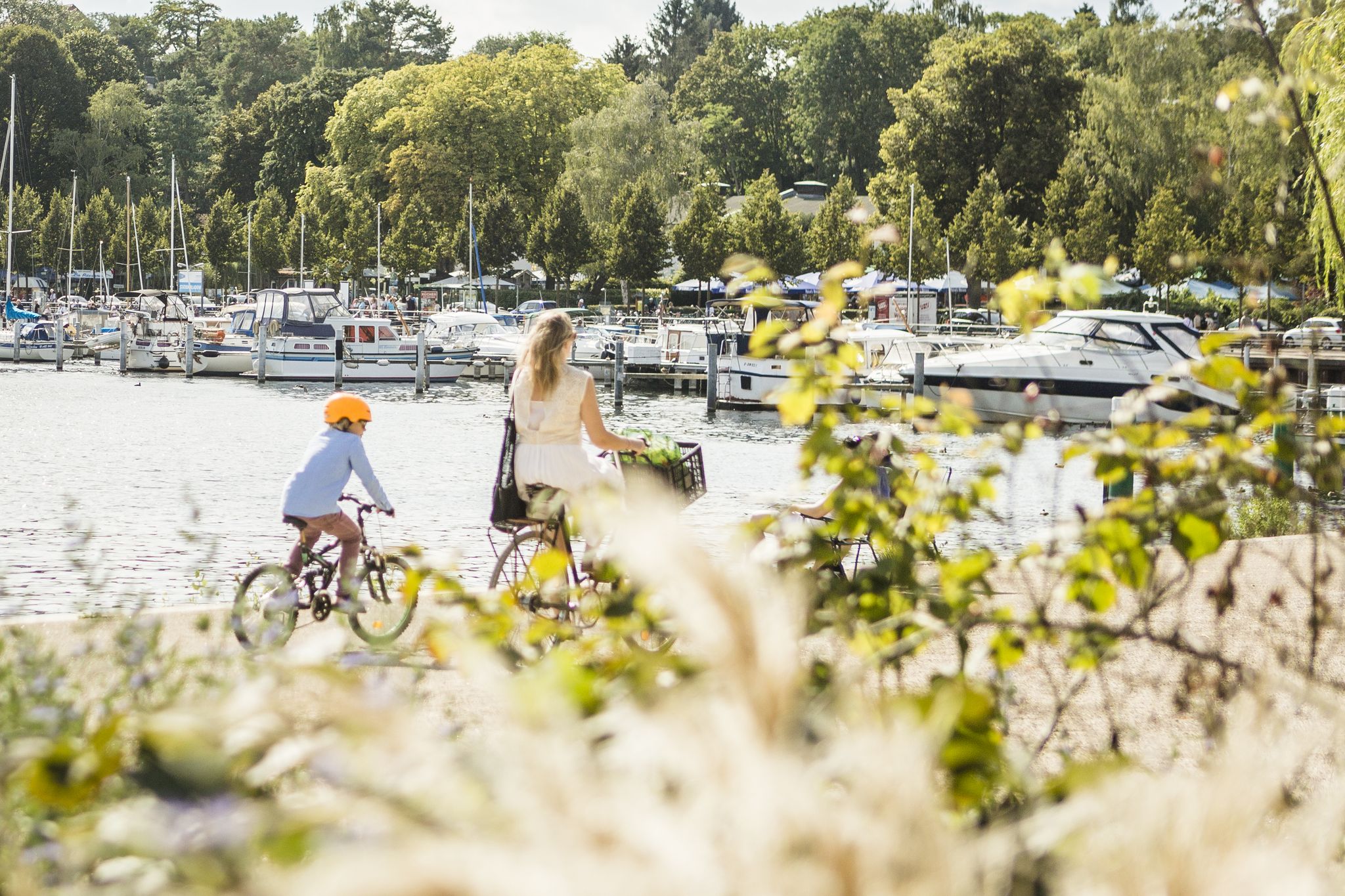
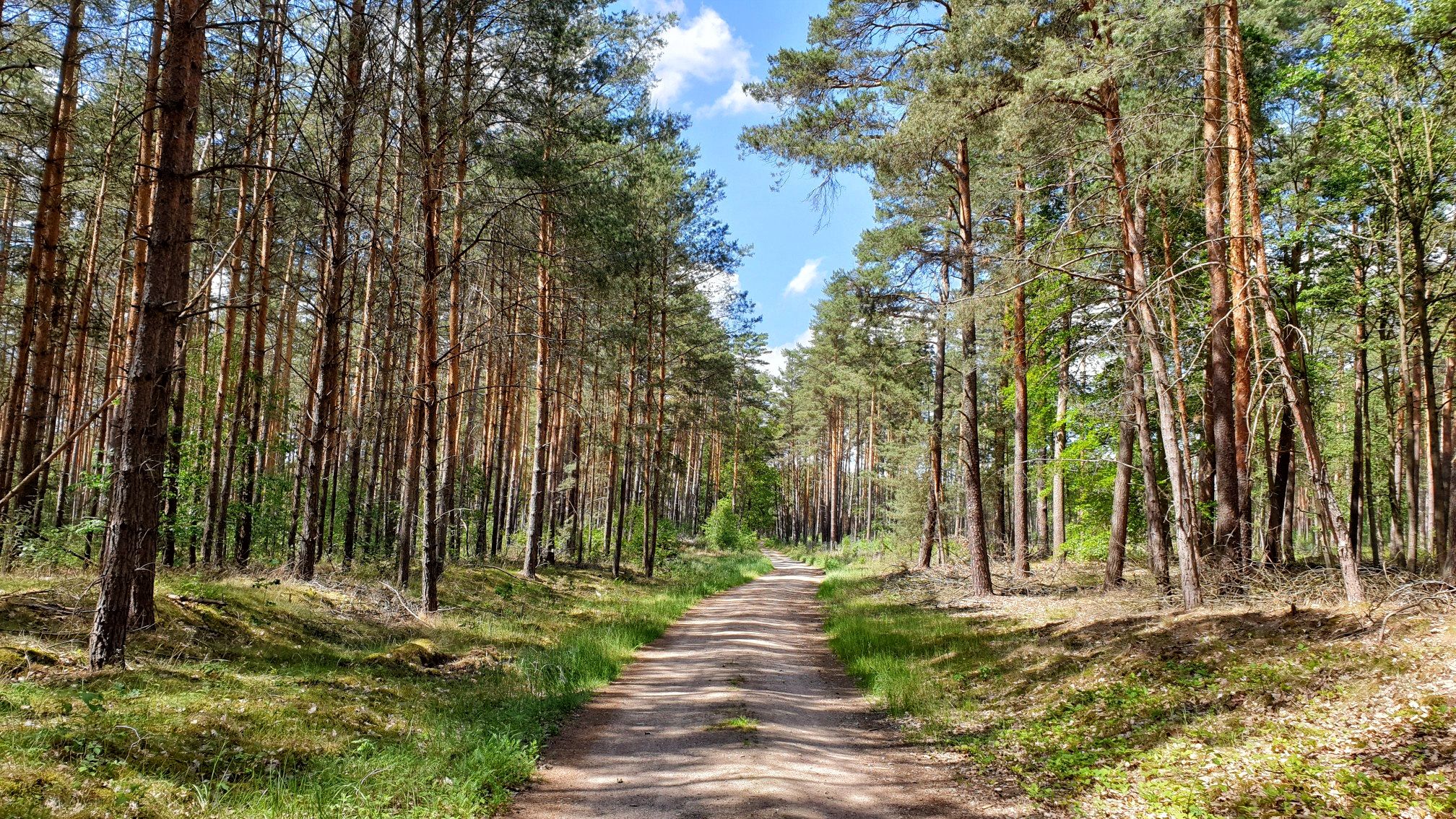
Gravel biking around Havel is characterized by its predominantly flat landscape, extensive waterways, and lush forests. The region features the Havel River and its numerous canals, offering a network of riverside paths and trails. Riders can explore diverse trail surfaces, ranging from mostly paved sections to dirt roads and woodland trails through areas like Bredower Forst Nature Reserve. This varied terrain provides accessible routes for different skill levels, often with scenic views of lakes and the surrounding countryside.
Best no…
Last updated: May 17, 2026
3.9
(9)
15
riders
28.6km
01:45
170m
170m
Moderate gravel ride. Good fitness required. Mostly paved surfaces. Suitable for all skill levels.
3.6
(5)
7
riders
37.7km
02:07
220m
220m
Moderate gravel ride. Good fitness required. Mostly paved surfaces. Suitable for all skill levels.

Sign up for free
5.0
(1)
6
riders
Easy gravel ride. Great for any fitness level. Mostly paved surfaces. Suitable for all skill levels.
2
riders
18.5km
01:10
140m
140m
Hard gravel ride. Great for any fitness level. You may need to push your bike for some segments of this route.
4.6
(5)
40
riders
Hard gravel ride. Good fitness required. You may need to push your bike for some segments of this route.
Get access to more routes and recommendations from other explorers.
Sign up for free
Already have an account?
Our route recommendations are based on thousands of hikes, rides, and runs completed by other people on komoot.
Start today with a free account
Your next adventure awaits.
Login or Signup


Tips from the Community

The steam engine house in Potsdam, often referred to as the “mosque,” is an extraordinary structure that combines engineering history with oriental-looking architecture – a real eye-catcher in Park Babelsberg.
4
0

A beautiful path for cycling.
1
0

At this point, the still-preserved railway bridge from 1926 crosses Machnower Weg. As planning progresses, an investigation is underway into whether the bridge needs to be replaced with a new one. Immediately west of the bridge will be the new Griebnitzsee crossing structure and a branch towards Potsdam Medienstadt Babelsberg. Both will allow trains on the Potsdam Main Line to continue their journeys towards both Potsdam and Michendorf. Connections to existing lines will be created. More information is available at https://www.i2030.de/suedwest/.
2
0
In 1906, the Teltow Canal opened after only six years of construction. It was intended to relieve the inner-city Spree River of heavy shipping traffic. A bridge was built over the canal for the Potsdam Main Railway. In April 1945, during the troop withdrawal at the end of World War II, the Teltow Canal Bridge was blown up by German troops and never rebuilt. A double-track bridge is to be built at the same location as part of the reactivation project i2030. More information is available at https://www.i2030.de/suedwest/.
2
0

You don't just walk up here – you enter a piece of landscape that cannot be straightened. The roots of the pines, gnarled like old hands, grasp at everything that moves: shoe soles, thoughts, time. The path winds its way up the slope, unhurriedly, but earnestly. No shallow excuses, no light footing – whoever walks here walks with their whole body. On the left, the railing, constructed from crooked wood, as if carved by the forest itself. On the right, the hint of the abyss – not deep, but just deep enough to force your gaze to pause for a moment. And then these stairs. Built not by humans, but by roots. They hold together what is about to fall apart. Earth, memory, footsteps. Every step speaks of the patience of the trees, of their desire to ascend and branch out. Nothing spectacular awaits at the top. No observation tower, no bratwurst snack bar. Only the path that leads onward – and the silence that sounds different up here. Further, clearer. Anyone who has been here knows: Not everything beautiful has to be comfortable. But everything beautiful is worth the detour.
0
0
Sand as far as the eye can see. Fine, light, slightly dusty sand that lifts in the wind and settles between the spokes. The bicycles are scattered across the water, as if someone had dumped a giant game of Mikado over the Havel. Those who land here aren't there by chance. It's far on foot, impossible by car – the place belongs to those who cycle or hike their way there. And then it lies there, this strip between water and forest. A large, wonderfully unfinished beach, where the Havel sometimes appears tame, then rough again, depending on the mood of the boats. When a recreational boater thunders past in his Bayliner, the water laps up to the ceiling of the picnic blanket, bringing a certain sense of fairness into the game – even the sun loungers should get some exercise. The people here are as mixed as the light through the trees: with clothes, without clothes, with Bluetooth speakers, without anything. Some read, others talk, most are silent. Perhaps because they know that in a place like this, you don't need to say much. It's enough to be there. Between trees and sand, between water and wind. And that's a lot.
0
0
You'd think a steam power plant wasn't a place for strolling. And yet it stands there as if it had stepped out of an oriental fairytale—with turrets, battlements, and a chimney that stretches so delicately into the Havel idyll, as if it never wanted to disturb it, but only quietly participate. The Steam Engine House in Babelsberg Park is not an engine house. It's a romantic misnomer. Not only steam was generated here, but also a certain idea of splendor: King Frederick William IV didn't want a tubular structure with a soot-covered edge, but a building with poise. So, in true Prussian style, he let aesthetics triumph over function. And so the building not only pumps water, but also imagination into the mind: Some call it a mosque, others a fairytale castle. But nobody calls it an engine house. Too banal. Those who approach do so either on foot – along one of the park's gently winding paths – or from the water, on the excursion steamer that chugs by like a nostalgic salute to the leisure culture of the 1980s. And then it stands there. Wide, tranquil, defiant – yet playful. The long chimney is an exclamation mark against boredom.
4
0

relaxed route along the Havel, have fun 🌷
0
0
Frequently Asked Questions
How many traffic-free gravel bike trails are available in the Havel region?
The Havel region offers a diverse selection of over 35 traffic-free gravel bike trails. These routes cater to various skill levels, ensuring there's a suitable option whether you're looking for a leisurely ride or a more challenging adventure.
What kind of terrain and surfaces can I expect on these trails?
Gravel biking in the Havel region is characterized by its varied paths. You'll find routes along canals, through extensive forests, and across open fields. The terrain is generally flat, making it accessible, but surfaces can range from mostly paved sections to dirt roads, and even some single and double track for more advanced riders. The region's waterways and forests provide a scenic backdrop for your ride.
Are there any easy, family-friendly traffic-free gravel bike trails?
Yes, the Havel region has plenty of easy options perfect for families or beginners. For instance, the Königsweg in Düppeler Forest – Kleinmachnower Mauerweg Trail loop from Griebnitzsee is an easy 11.9 km route with minimal elevation gain, offering a pleasant ride through nature. Many of the 18 easy tours are suitable for a relaxed outing.
What are some more challenging traffic-free gravel bike routes in the Havel area?
For those seeking a more demanding ride, the Havel region offers several difficult traffic-free gravel trails. An example is the Grunewald Tower – Grunewald Tower loop from Olympiastadion, which is a 18.5 km route with significant elevation changes, providing a good workout. There are 12 difficult tours available for experienced riders.
Can I find circular gravel bike routes that avoid traffic?
Absolutely. Many of the traffic-free gravel bike trails in the Havel region are designed as loops, allowing you to start and end at the same point without retracing your steps. The Kuhhorn Bathing Spot – Schlachtensee loop from Schlachtensee is a great example of a moderate 28.5 km circular route that keeps you away from cars.
What interesting sights or natural features can I see along these routes?
The traffic-free gravel trails often pass by beautiful natural features and viewpoints. You can enjoy expansive views of the Havel from spots like the Havel Heights Trail or catch a glimpse of the Grunewald Tower across the Havel. Many routes also feature picturesque lakes and tranquil forest sections, such as those found in the Bredower Forst Nature Reserve.
Are there any routes that offer continuous water views?
Yes, the Havel region is renowned for its extensive waterways. The Havel Riverside Trail in Düppeler Forst provides wonderfully quiet stretches with continuous water views, offering a serene experience as you cycle alongside the river.
What is the best time of year to go gravel biking in the Havel region?
The Havel region is enjoyable for gravel biking throughout much of the year. Spring and autumn offer pleasant temperatures and beautiful scenery with changing foliage. Summer is also popular, especially with the numerous lakes and bathing areas providing opportunities for refreshment. Even in winter, some trails can be ridden, though conditions may vary.
Are there options for parking near the traffic-free gravel bike trails?
Yes, many routes are accessible with convenient parking options. For example, routes starting from locations like Olympiastadion or Mexikoplatz often have nearby parking facilities. It's always a good idea to check the specific route details on komoot for recommended starting points and parking information.
How well-rated are the traffic-free gravel bike trails in Havel by other cyclists?
The traffic-free gravel bike trails in the Havel region are highly regarded by the komoot community, with an average rating of 4.47 out of 5 stars from nearly 400 reviews. Riders frequently praise the quiet, natural surroundings, the variety of terrain, and the opportunity to explore the beautiful landscapes away from traffic.
Can I reach these trails using public transport?
Many starting points for these trails are well-connected by public transport, especially those closer to urban centers like Berlin and Potsdam. For instance, routes starting from Griebnitzsee, Olympiastadion, or Mexikoplatz are typically accessible via train or S-Bahn, making it convenient to reach the trails without a car.
Most popular routes around Havel
Most popular attractions around Havel

Get inspired with the komoot mobile app


Explore more
Browse the best Gravel rides in other regions.
