The 10 Most Amazing Peaks around Parc national des Calanques (cœur)
Best mountain peaks around Parc national des Calanques (cœur) are characterized by dramatic limestone cliffs and diverse landscapes, ranging from coastal massifs to inland Provence. This region, Europe's first peri-urban national park, encompasses both terrestrial and marine areas. It offers unique geological features and panoramic views across its notable peaks. The area provides numerous hiking opportunities to explore its natural beauty.
Best mountain peaks around Parc national des Calanques (cœur)
- The most popular mountain peaks is Marseilleveyre summit, a…
Last updated: October 4, 2026
Marseilleveyre summit
Highlight • Summit
Translated by Google •
Tip by

Mount Puget
Highlight • Summit
Translated by Google •
Tip by
Sign up now to discover places like this
Get recommendations on the best single tracks, peaks, & plenty of other exciting outdoor places.
La Grande Candelle
Highlight • Summit
Translated by Google •
Tip by

Pomègues Island Summit
Highlight • Summit
Translated by Google •
Tip by

Bau de la Saoupe
Highlight • Natural Monument
Translated by Google •
Tip by

Sign up for free to discover even more peaks around Parc national des Calanques (cœur).
Already have an account?
Start today with a free account
Your next adventure awaits.
Popular around Parc national des Calanques (cœur)
La Madrague to the Sainte-Baume – GR 98
Cliffs, creeks and ridges – 10 sporty hikes in France’s Calanques
Hiking around Parc national des Calanques (cœur)
Running Trails around Parc national des Calanques (cœur)
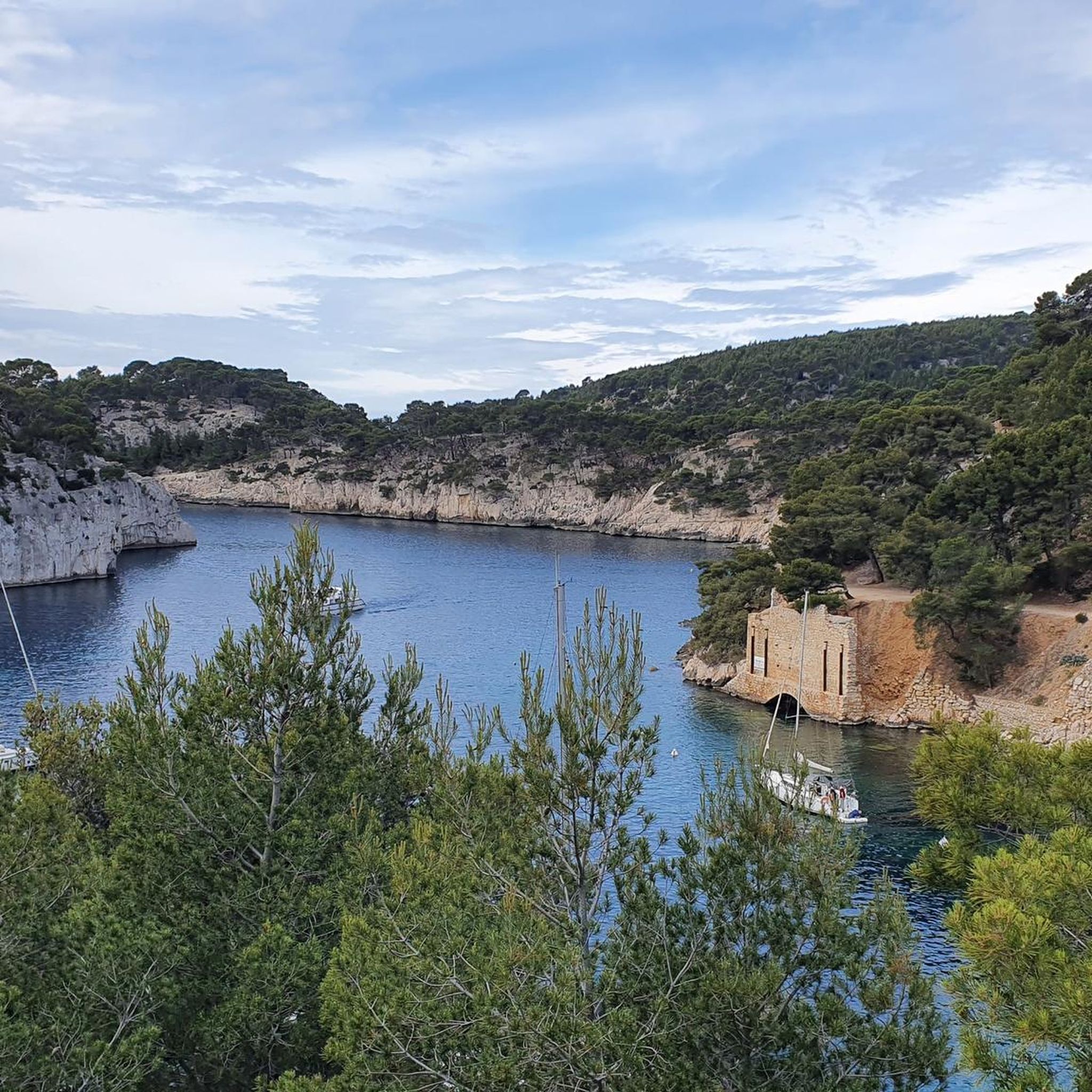
Road Cycling Routes around Parc national des Calanques (cœur)
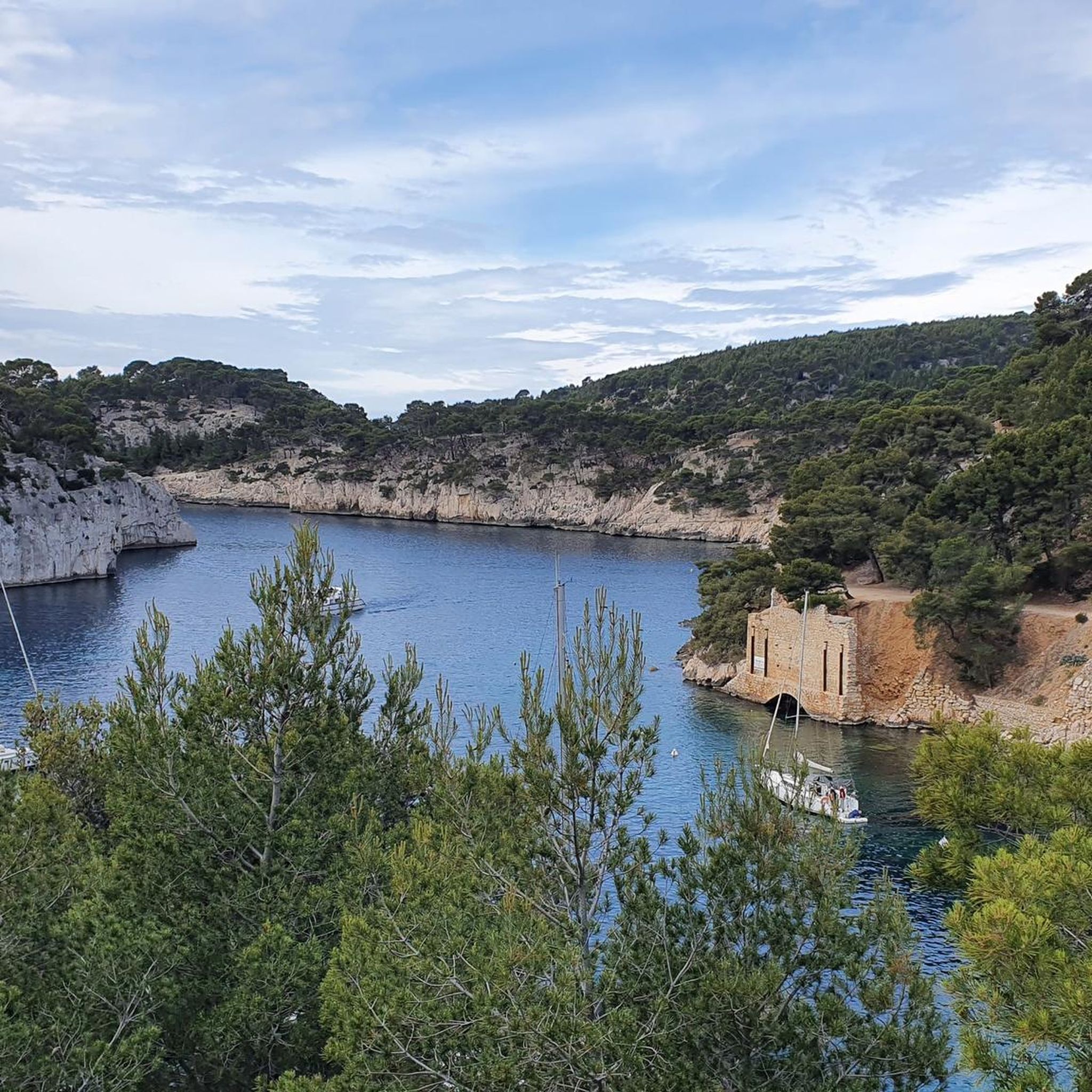
Cycling around Parc national des Calanques (cœur)
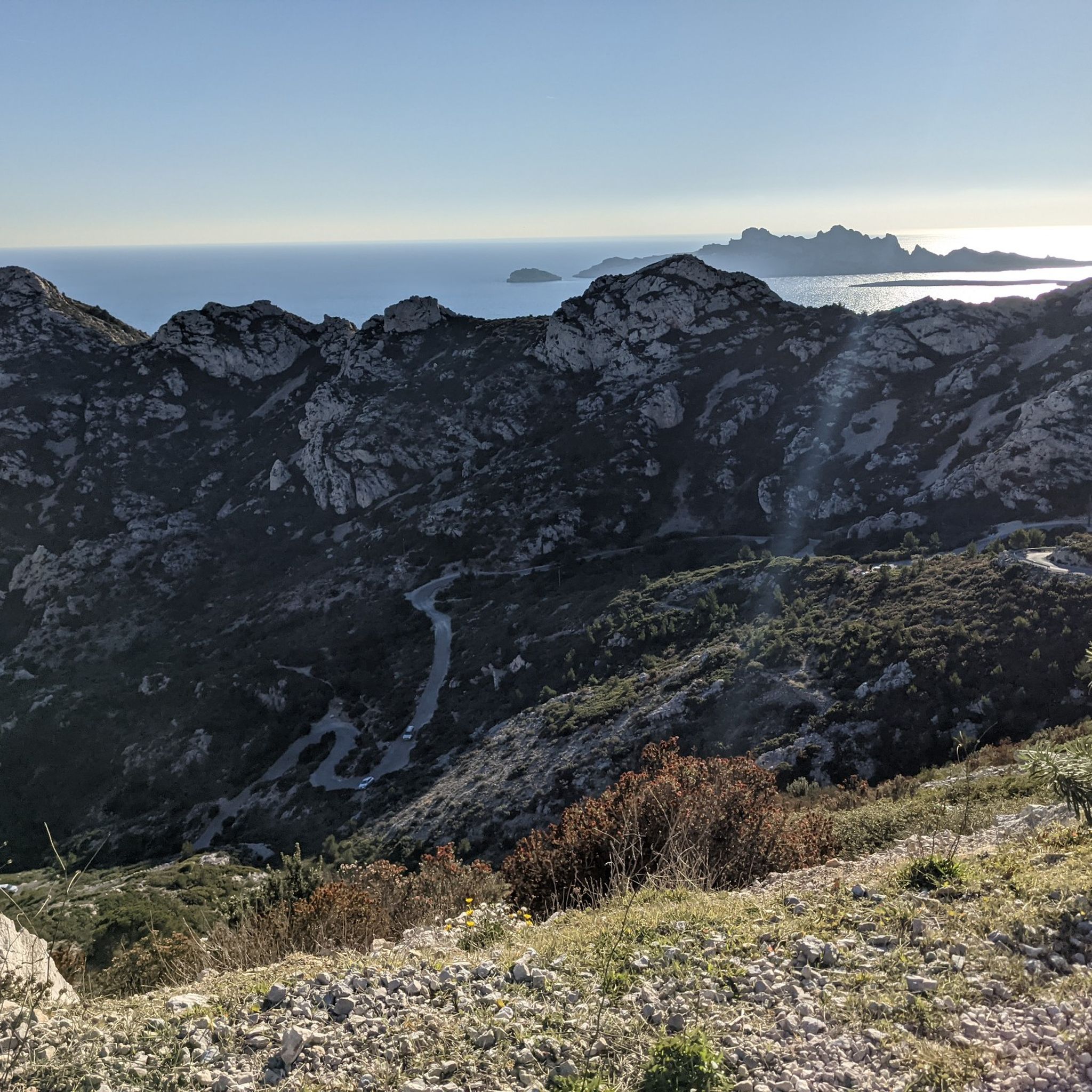
MTB Trails around Parc national des Calanques (cœur)
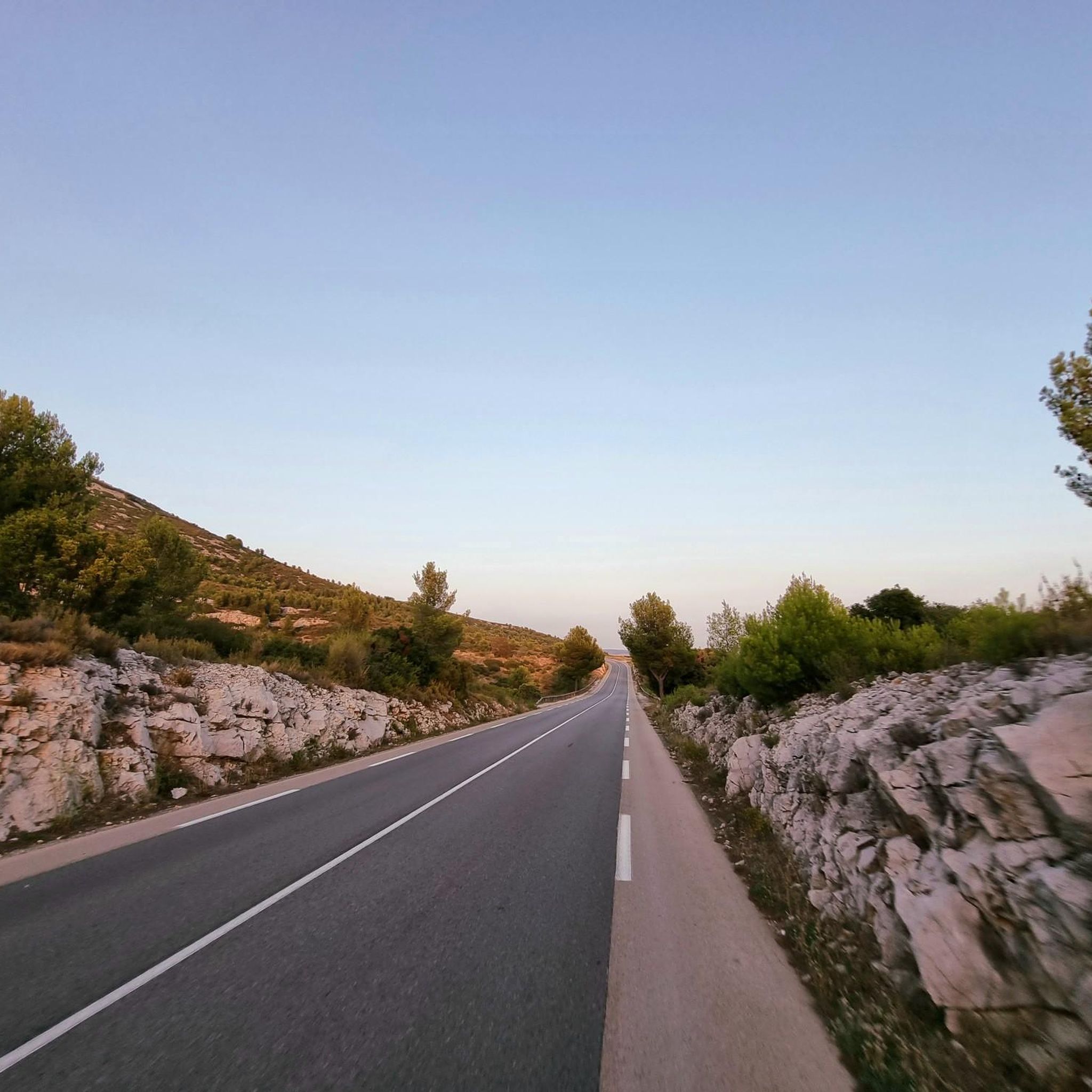
Gravel biking around Parc national des Calanques (cœur)
Mountain Hikes around Parc national des Calanques (cœur)
Other adventures around Parc national des Calanques (cœur)


Tips from the Community

From up here you have a great view in all directions.
0
0

Certainly the highest but perhaps not the most beautiful. The climb is nevertheless worth it, especially if you avoid the crowds
1
0

EN The Marseilleveyre massif is a range of karst limestone located on the southern coast of Marseille. Culminating at 432 meters above sea level, it is a popular hiking and climbing site offering a panorama of the Marseille harbor, the surrounding islands and the neighboring ranges: Puget massif, Saint-Cyr massif, Garlaban massif, Étoile massif, Sainte-Baume massif, etc. It dominates the western part of the Calanques massif. EN The Marseilleveyre massif is a range of karst limestone located on the southern coast of Marseille. Culminating at 432 meters above sea level, it is a popular hiking and climbing site offering a panorama of the Marseille harbor, the surrounding islands and the neighboring ranges: Puget massif, Saint-Cyr massif, Garlaban, Étoile massif, Sainte-Baume massif, etc. It dominates the western part of the Calanques massif. SOURCE WIKIPEDIA
1
0

Unmissable summit to admire the harbor of Marseille!
1
1

This highest point materialized by the telecom relay offers a sublime landscape at the 4 cardinal points & on the Bay of Cassis, accessible via the ridges via the D141A. going back down via the GR5 and GR98, superb views of the CASSIS vineyards
0
0

Beautiful hike with great views of the creeks and the bay of Marseille
1
0
The most at the top overlooking the 3 “Marseille” coves. The view is beautiful but not as impressive as candlelight.
1
1
Incredible viewpoint over the Sugiton cove and towards Cassis
1
1
Frequently Asked Questions
Which mountain peaks offer the most spectacular panoramic views in Parc national des Calanques (cœur)?
For breathtaking vistas, consider hiking to Marseilleveyre summit, which provides a superb panorama over Marseille and the Calanques. Mount Puget, the highest point of the Calanques massif, offers a spectacular 360-degree view of the Calanques, Cap Canaille, Sainte Baume, and Garlaban. Additionally, Mont Carpiagne, the highest peak in the entire Calanques National Park, rewards visitors with extensive panoramic views of the surrounding natural landscape.
What is the highest mountain peak in the Parc national des Calanques (cœur) region?
The highest and most prominent peak within the entire Calanques National Park is Mont Carpiagne, standing at 646 meters (2,119 ft). Within the Calanques massif itself, Mount Puget is the highest point at 563 meters (1,847 ft).
Are there any mountain peaks with historical significance in the area?
Yes, the area around Marseilleveyre holds historical significance. The Calanque de Marseilleveyre, located at the base of the Marseilleveyre summit, contains vestiges of 19th-century quarry activity and ruins of military batteries. Also, Pomègues Island Summit features an old fort with numerous rooms and chambers at its highest point.
What kind of geological features can I expect to see on these peaks?
The peaks in Parc national des Calanques (cœur) are characterized by dramatic limestone cliffs and unique geological formations. Mount Puget, for instance, is recognizable by its distinct limestone strata and features 'stone rivers' and needle-like limestone spikes at its summit.
What are the accessibility options for reaching the trailheads of these mountain peaks?
Many areas of the park are accessible via hiking trails, with various starting points such as Callelongue, Luminy, Les Baumettes, Les Goudes, and Madrague de Montredon. Public transport, specifically buses, can often take you close to these trailheads.
What is the best time of year to hike the mountain peaks in Parc national des Calanques (cœur)?
The park is generally open year-round. However, access can be restricted between June 1st and September 30th due to high fire danger. It's advisable to check the park's official website or app for daily updates on access conditions before planning your visit, especially during summer. Spring and autumn often offer more moderate temperatures for hiking.
Are there any family-friendly mountain trails in the Calanques National Park?
While many routes can be steep and rocky, requiring appropriate footwear, some trails are more accessible. For specific family-friendly recommendations, it's best to consult detailed trail descriptions or local guides. The park offers a range of difficulties, so options for various fitness levels exist.
What outdoor activities can I do near the mountain peaks of Parc national des Calanques (cœur)?
Beyond hiking the peaks, the region offers a variety of outdoor activities. You can explore numerous cycling routes, including challenging road cycling options like the 'Climb to Col de l'Espigoulier' or touring bicycle routes such as the 'View of Cassis – Route des Crêtes loop'. For more hiking, consider routes like the 'En-Vau Beach – View of the Calanque d'En-Vau loop'. You can find more details on these activities in the Road Cycling Routes, Cycling, and Mountain Hikes guides for the area.
What do visitors enjoy most about the mountain peaks in Parc national des Calanques (cœur)?
Visitors frequently praise the spectacular panoramic views from the summits, often describing them as 360-degree vistas of the coastline, Marseille, and the surrounding natural landscape. The unique geological formations and the sense of wild, untouched nature are also highly appreciated. Many find the challenging hikes rewarding, especially for the views they offer.
Are there any peaks that offer views of the Frioul archipelago?
Yes, Béouveyre Summit, culminating at 366 meters, provides a lovely panorama that includes Marseille, the Calanques, and the Frioul archipelago from its wide rocky plateau.
Can I find any unique coastal viewpoints among the peaks?
Absolutely. Bau de la Saoupe offers a sublime view of the city of Cassis and Cap Canaille. From Marseilleveyre summit, you can admire Cap Canaille, Jarre Island, and the Riou archipelago, alongside stunning views of the Calanques themselves.
Most popular routes around Parc national des Calanques (cœur)
Most popular attractions around Parc national des Calanques (cœur)

Get inspired with the komoot mobile app


Explore more
See even more amazing summits around Parc national des Calanques (cœur) with these guides:
