Attractions and Places To See around Marais indivis de Grande Brière Mottière - Top 8
Best attractions and places to see around Marais indivis de Grande Brière Mottière include a vast wetland area within the Brière Regional Nature Park, known as the second-largest marshland in France. This preserved natural space features a network of canals, reed beds, and peat bogs, offering a unique landscape. The region is characterized by its diverse wildlife, particularly birds, and its cultural heritage, including traditional thatched villages. It provides opportunities to explore natural features and historical sites.
Best attractions and…
Last updated: July 8, 2026
Port of Bréca
Highlight • Natural Monument
We tested them on May 20. It was just awful!
You had to push our bikes in several places where …
Translated by Google •
Tip by

Port of La Chaussée Neuve
Highlight • Structure
Translated by Google •
Tip by

Sign up now to discover places like this
Get recommendations on the best single tracks, peaks, & plenty of other exciting outdoor places.
Sign up for free
Port de Tréhé
Highlight • Bridge
Translated by Google •
Tip by

Grande Brière marshes
Highlight • Other
Translated by Google •
Tip by

Pierre Constant Site – Brière Marsh Nature Reserve
Highlight • Natural Monument
Translated by Google •
Tip by

Sign up for free to discover even more attractions around Marais indivis de Grande Brière Mottière.
Sign up for free
Already have an account?
Start today with a free account
Your next adventure awaits.
Login or Signup
Popular around Marais indivis de Grande Brière Mottière
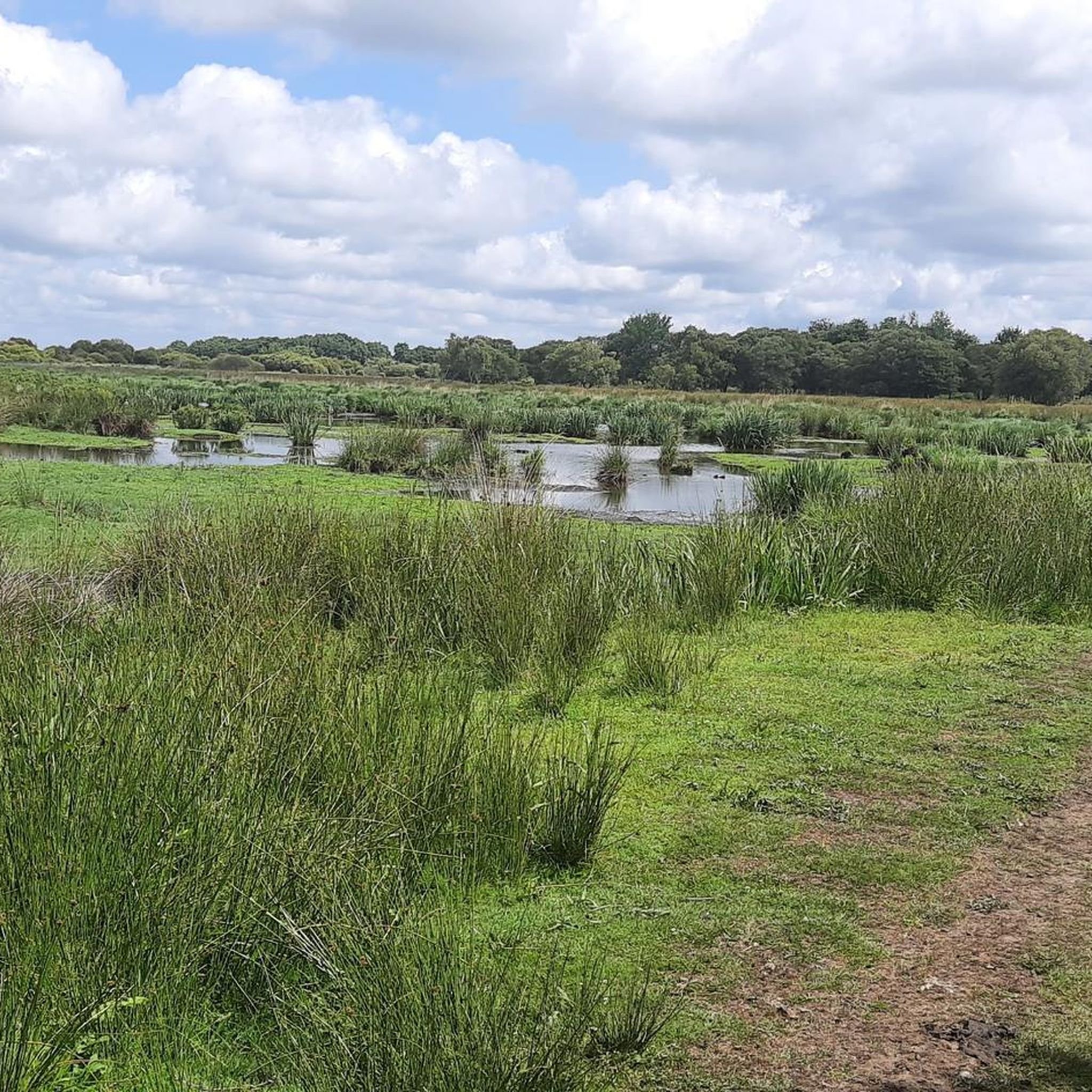
Cycling around Marais indivis de Grande Brière Mottière
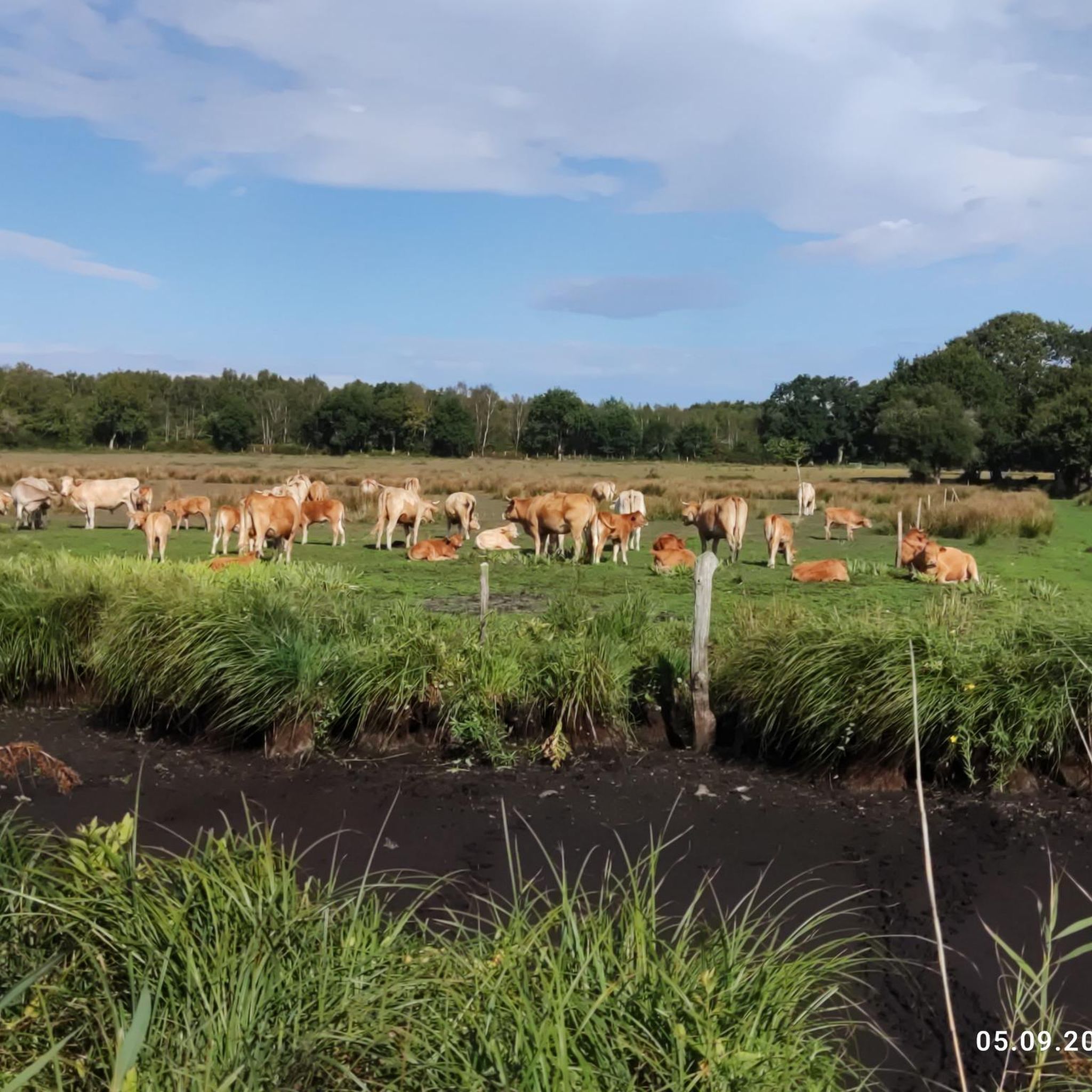
Hiking around Marais indivis de Grande Brière Mottière
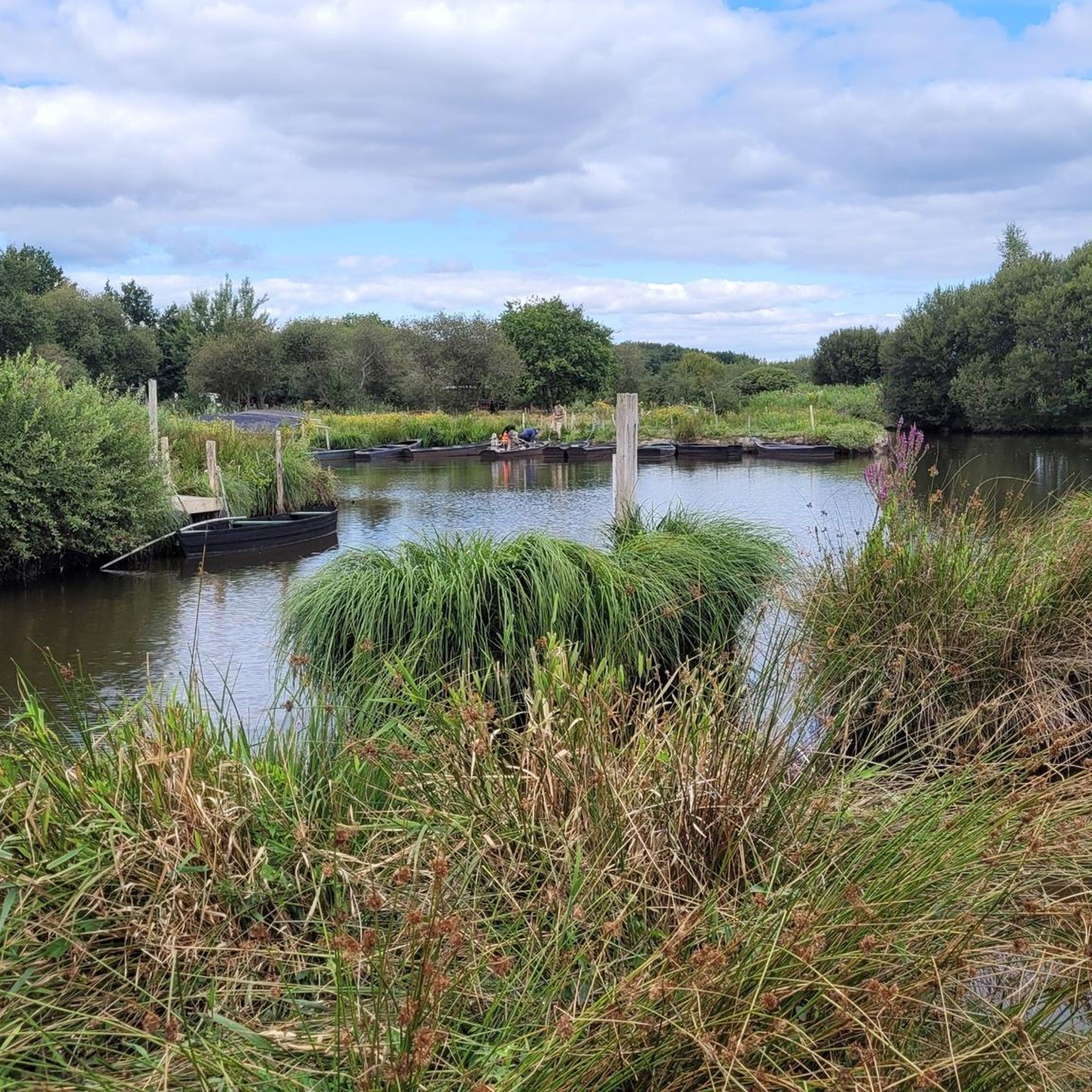
MTB Trails around Marais indivis de Grande Brière Mottière
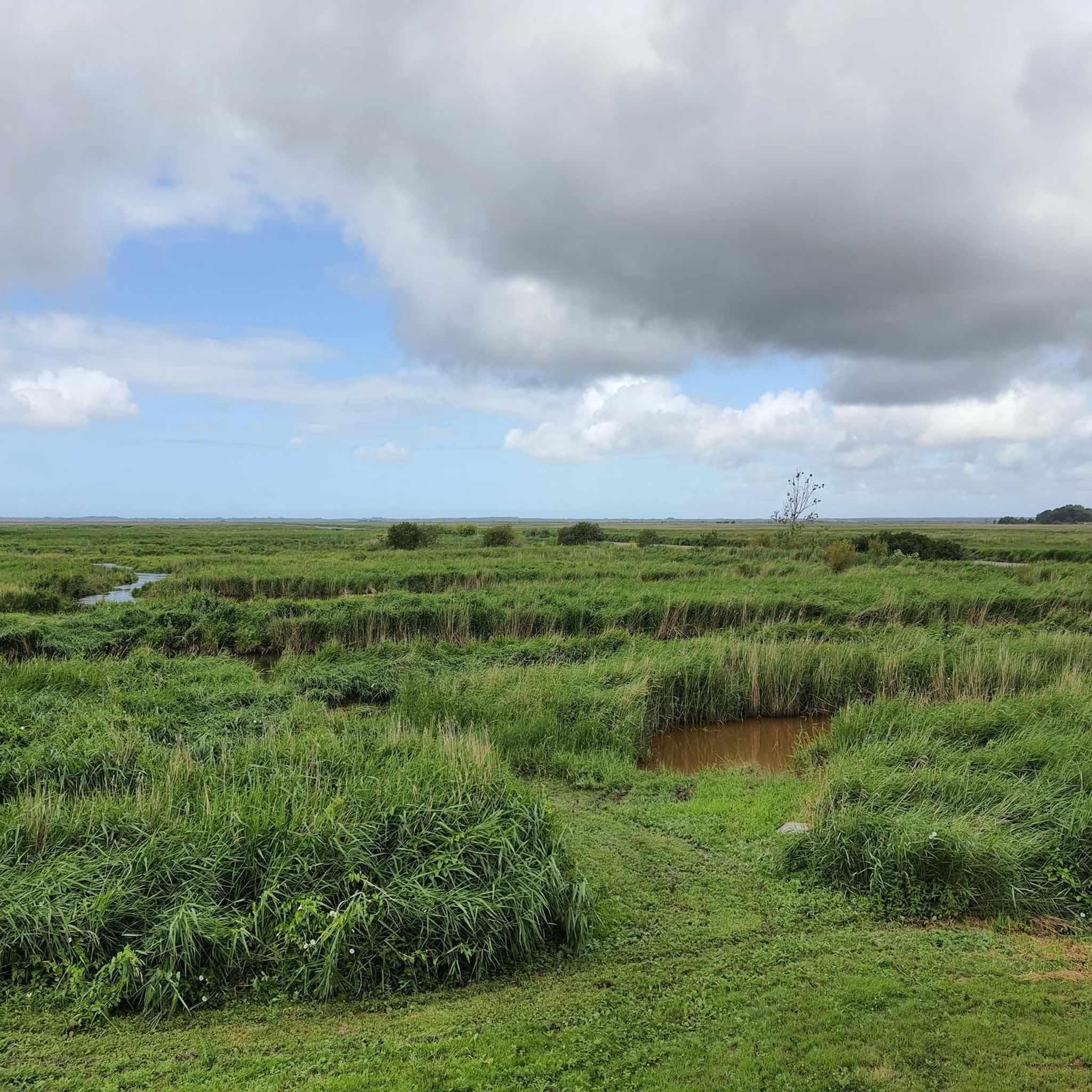
Running Trails around Marais indivis de Grande Brière Mottière
Road Cycling Routes around Marais indivis de Grande Brière Mottière
Gravel biking around Marais indivis de Grande Brière Mottière
Tips from the Community

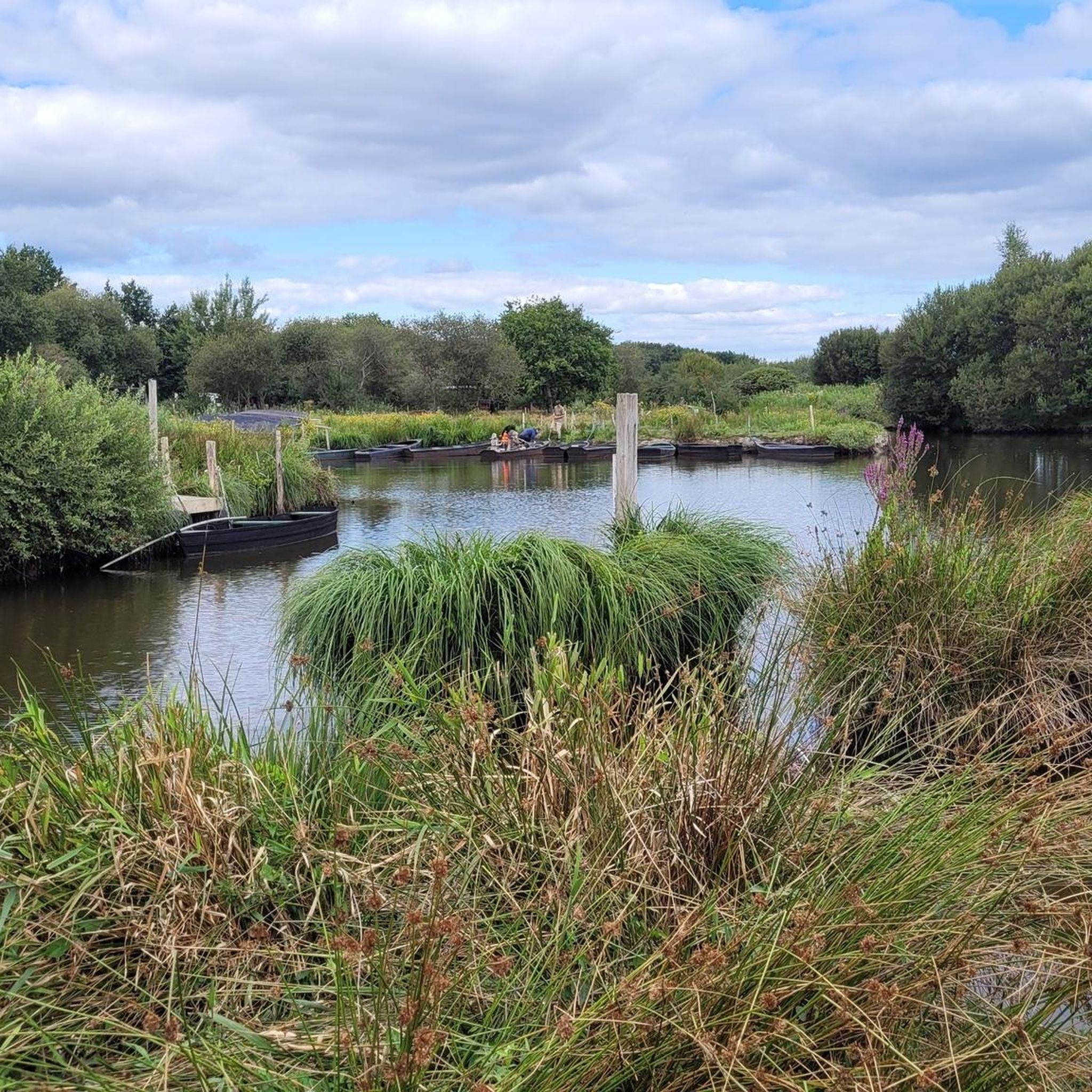
This small port, surrounded by greenery and shaded banks, offers an idyllic setting for a walk along the water or a break in the heart of nature. The moored boats and the reflections of the trees in the water create a serene atmosphere.
0
0

The Grande Brière is a vast expanse of marshland covering 6,700 hectares. Although it is difficult to access, its periphery is a beautiful playground to explore by mountain bike.
0
0

Unfortunately, you have to pre-book a time slot. Attention: Access to the many paths south of the house is only guided!!
0
0

I strongly advise against taking these trails before the summer! We tested them on May 20. It was just awful! You had to push our bikes in several places where the mud and the muddy water reached our knees. We did 1.5 km in 30 minutes. I don't wish that on anyone.
2
0

An observatory for birds in the heart of the marsh, come with binoculars!
1
0

Port of Trehe. Nice place for villainous naps ... Or picnic according to the appetite ... Numerous catwalks full of charm along the brière. You have to get your muscles out to pass the bike.
0
0
Frequently Asked Questions
What natural features can I explore in the Marais indivis de Grande Brière Mottière?
The Marais indivis de Grande Brière Mottière is a vast wetland area, the second-largest marshland in France. You can explore a labyrinth of canals, extensive reed beds, and peat bogs. Key natural attractions include the Grande Brière marshes themselves, and the Pierre Constant Site – Brière Marsh Nature Reserve, which offers excellent birdwatching opportunities.
Are there any traditional villages or cultural sites to visit in the Brière Regional Nature Park?
Yes, the Brière Regional Nature Park is famous for its unique thatched villages. Kerhinet Village is a prime example, functioning as an open-air museum with restored cottages, bread ovens, and a wash house, showcasing traditional Brière life. Fédrun Island is another characteristic village known for its charming thatched cottages, often with traditional boats in their gardens.
What are the best places for birdwatching in the Marais indivis de Grande Brière Mottière?
The Marais indivis de Grande Brière Mottière is a haven for birdwatchers, boasting the largest concentration of harriers and grey herons in France. The Pierre Constant Site – Brière Marsh Nature Reserve is an excellent spot, featuring an observatory and panoramic terrace. Remember to bring binoculars for the best experience.
What kind of outdoor activities can I do near these attractions?
The region offers over 700 kilometers of maintained paths for various outdoor activities. You can enjoy hiking, cycling, and horseback riding. For specific routes, consider exploring the running trails, road cycling routes, or general cycling routes available around the Marais indivis de Grande Brière Mottière.
Are there family-friendly attractions around Marais indivis de Grande Brière Mottière?
Yes, several attractions are suitable for families. The Port of La Chaussée Neuve offers an idyllic setting for walks along the water, while the Port of Bréca provides access to the marshland. The Pierre Constant Site – Brière Marsh Nature Reserve is also family-friendly, offering educational opportunities about the ecosystem and bird observation.
What is the best time to visit the Marais indivis de Grande Brière Mottière?
The Brière wetlands are beautiful year-round, but spring and autumn are particularly good for birdwatching due to migratory patterns. Summer offers warmer weather for boat tours and exploring the villages. Be aware that some trails, especially around the Port of Bréca, can be very challenging and muddy in wet conditions, so consider visiting during drier months if you plan on extensive hiking or cycling.
Where can I find panoramic views of the Brière marshes?
For exceptional panoramic views, visit Rozé Port and Viewpoint. Its 24-meter-high lookout (Belvédère de Rozé) offers sweeping vistas of the Brière marshes and even the port of St. Nazaire. The Port of La Chaussée Neuve also provides a serene viewpoint over the water.
Can I explore the marshes by boat?
Yes, exploring the marshes by boat is a traditional and highly recommended activity. You can take guided tours on traditional flat-bottomed boats called 'chalands' or rent a canoe to navigate the intricate network of canals and waterways.
Are there any historical landmarks in the area?
Beyond the traditional villages, you can visit the ruins of Château de Ranrouët in Herbignac, a 12th-century castle that stands as a notable historical landmark in the northern part of the park. The region's history is also deeply tied to its unique legal status as a collective property since 1461.
What do visitors enjoy most about the ports in the Marais indivis de Grande Brière Mottière?
Visitors particularly enjoy the tranquil atmosphere and scenic beauty of the ports. The Port of La Chaussée Neuve is praised for its idyllic setting, perfect for walks and relaxation. The Port of Bréca offers a direct connection to the marshland, providing a sense of immersion in nature, though some trails can be challenging.
Are there specific rules or permits needed to visit the Marais indivis de Grande Brière Mottière?
While general access to the park is open, some specific sites within the reserve, such as the Pierre Constant Site – Brière Marsh Nature Reserve, may require pre-booking a time slot, and access to certain paths might only be guided. It's advisable to check with local visitor centers for the most current information regarding specific activities or restricted areas.
What is the terrain like for hiking and cycling in the Brière marshes?
The terrain in the Brière marshes is generally flat, characterized by marshland, canals, and peat bogs. While this makes for relatively easy cycling and walking in many areas, some trails, particularly those close to the water or in less developed sections, can be very muddy and challenging, especially after rain. For example, trails around the Port of Bréca can be difficult in wet conditions, requiring you to push bikes through mud.
Most popular routes around Marais indivis de Grande Brière Mottière

Get inspired with the komoot mobile app


Explore more
Still not found the Highlight you’re looking for? See guides of the top attractions in other regions:
