Attractions and Places To See around Marais salants du Més - Top 20
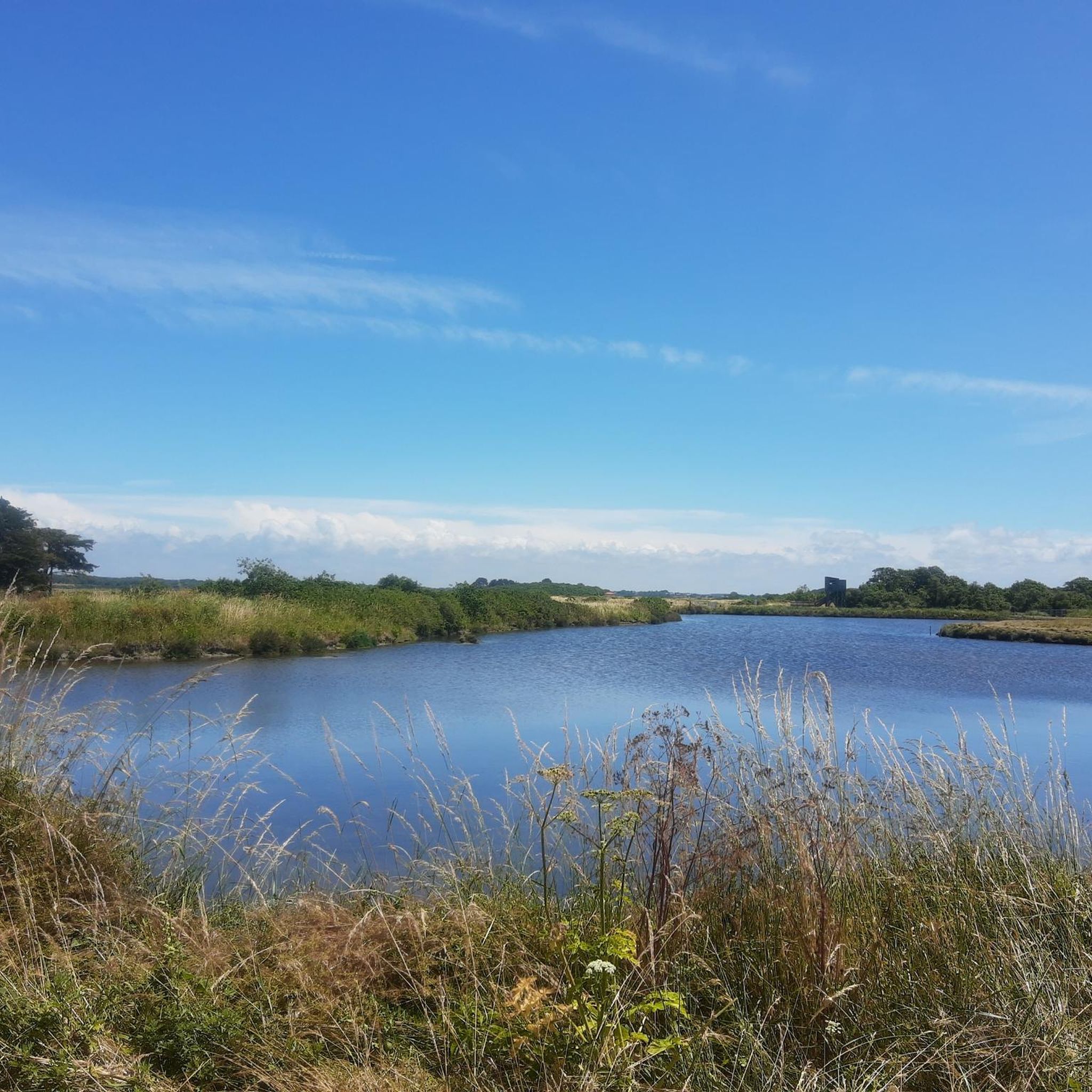
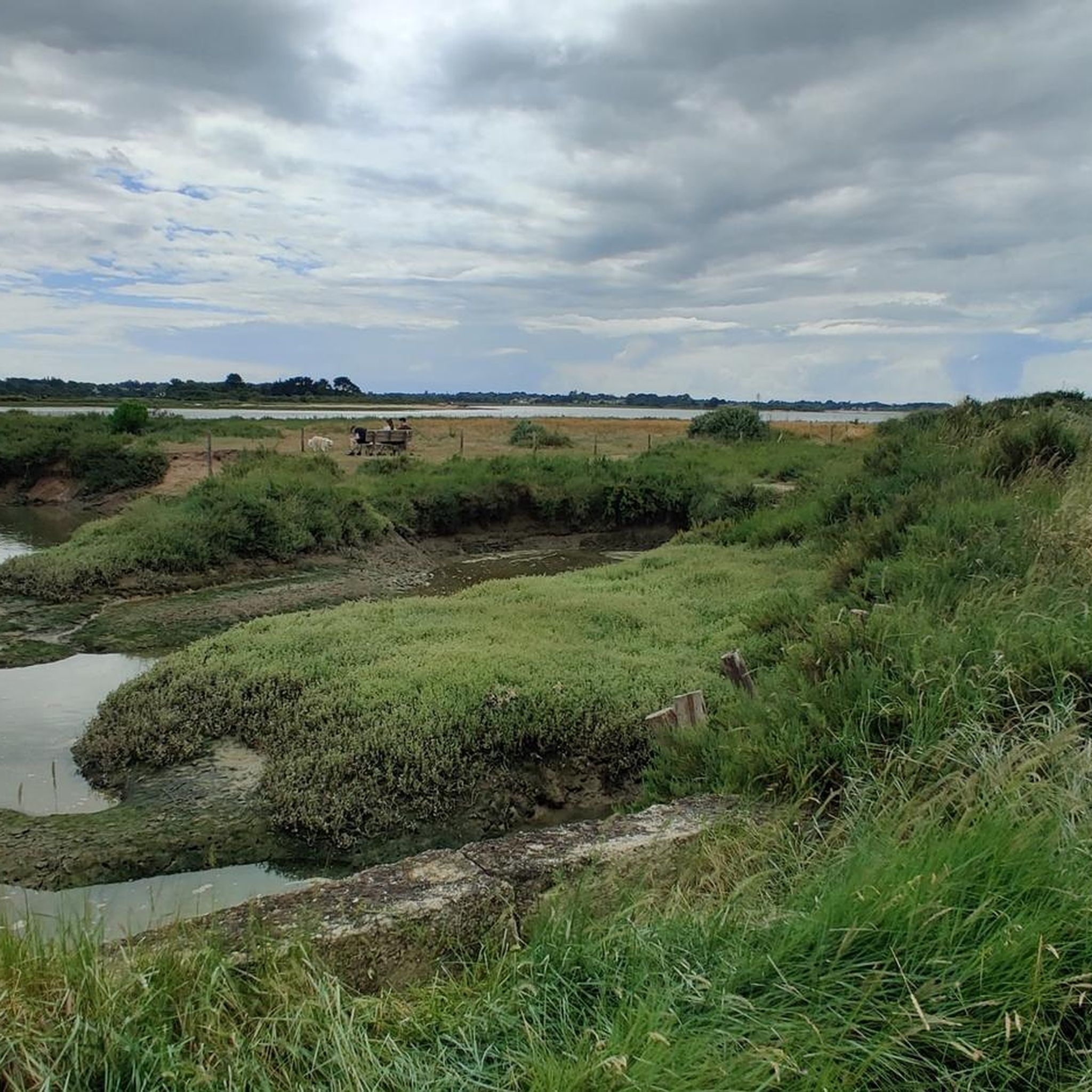
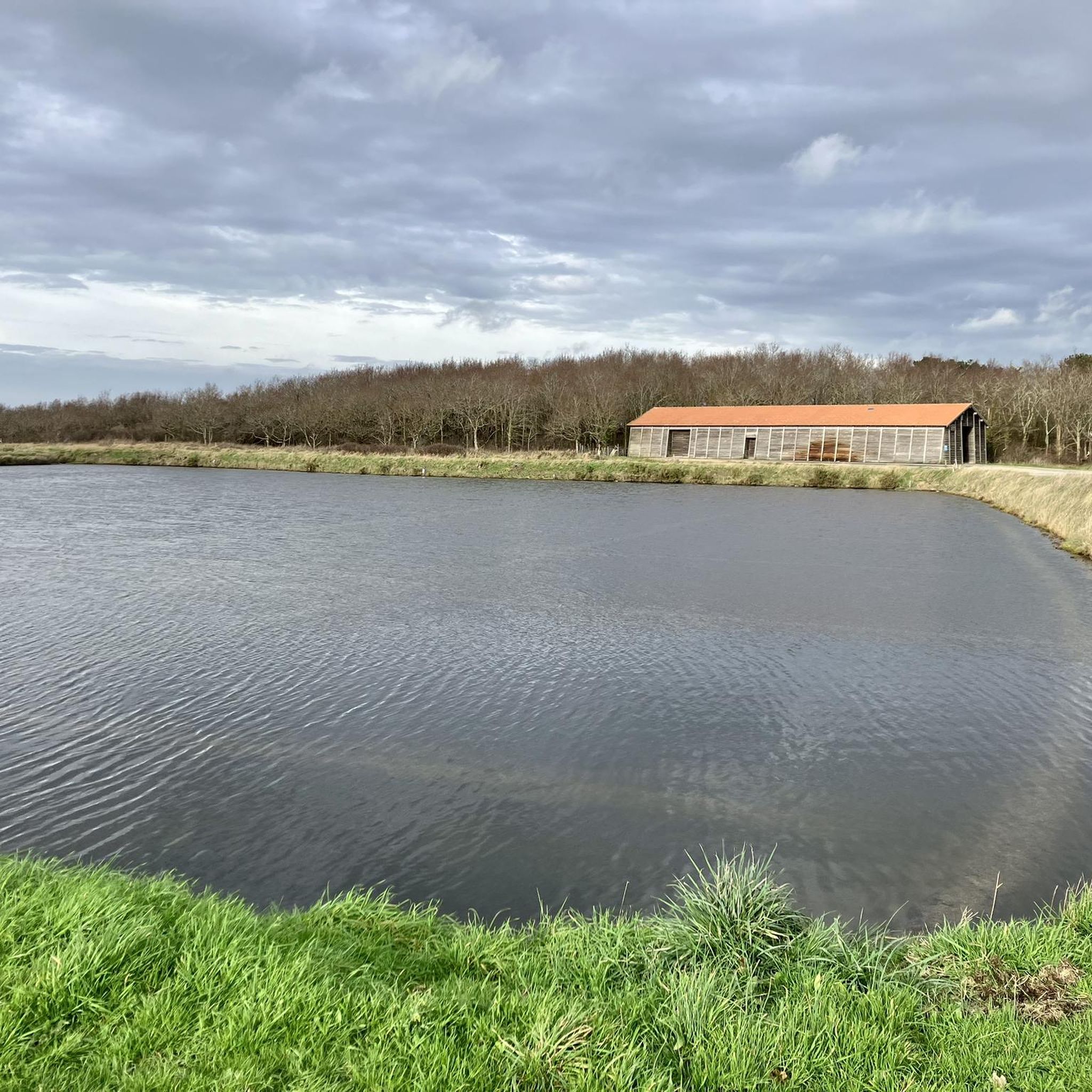
Best attractions and places to see around Marais salants du Més include a unique landscape shaped by centuries of salt production, forming an integral part of the larger Guérande salt marsh system. This region, encompassing approximately 350 hectares, offers a blend of cultural heritage and natural beauty. It is characterized by its salt pans, which are an open-air mosaic where natural elements and ancestral knowledge combine. The area provides opportunities to observe diverse flora and fauna, particularly birds.
Best attractions…
Last updated: July 7, 2026
Merquel Point
Highlight • Viewpoint
Translated by Google •
Tip by

Pont de Gras
Highlight • Bridge
Translated by Google •
Tip by

Sign up now to discover places like this
Get recommendations on the best single tracks, peaks, & plenty of other exciting outdoor places.
Sign up for free
Kercabellec
Highlight • Viewpoint
Translated by Google •
Tip by

Més Salt Marshes
Highlight • Structure
Translated by Google •
Tip by

Salines de Mesquer
Highlight • Other
Translated by Google •
Tip by

Sign up for free to discover even more attractions around Marais salants du Més.
Sign up for free
Already have an account?
Start today with a free account
Your next adventure awaits.
Login or Signup
Tips from the Community

Narrow strip of land that juts out into the sea and offers wonderful views of the ocean.
0
0

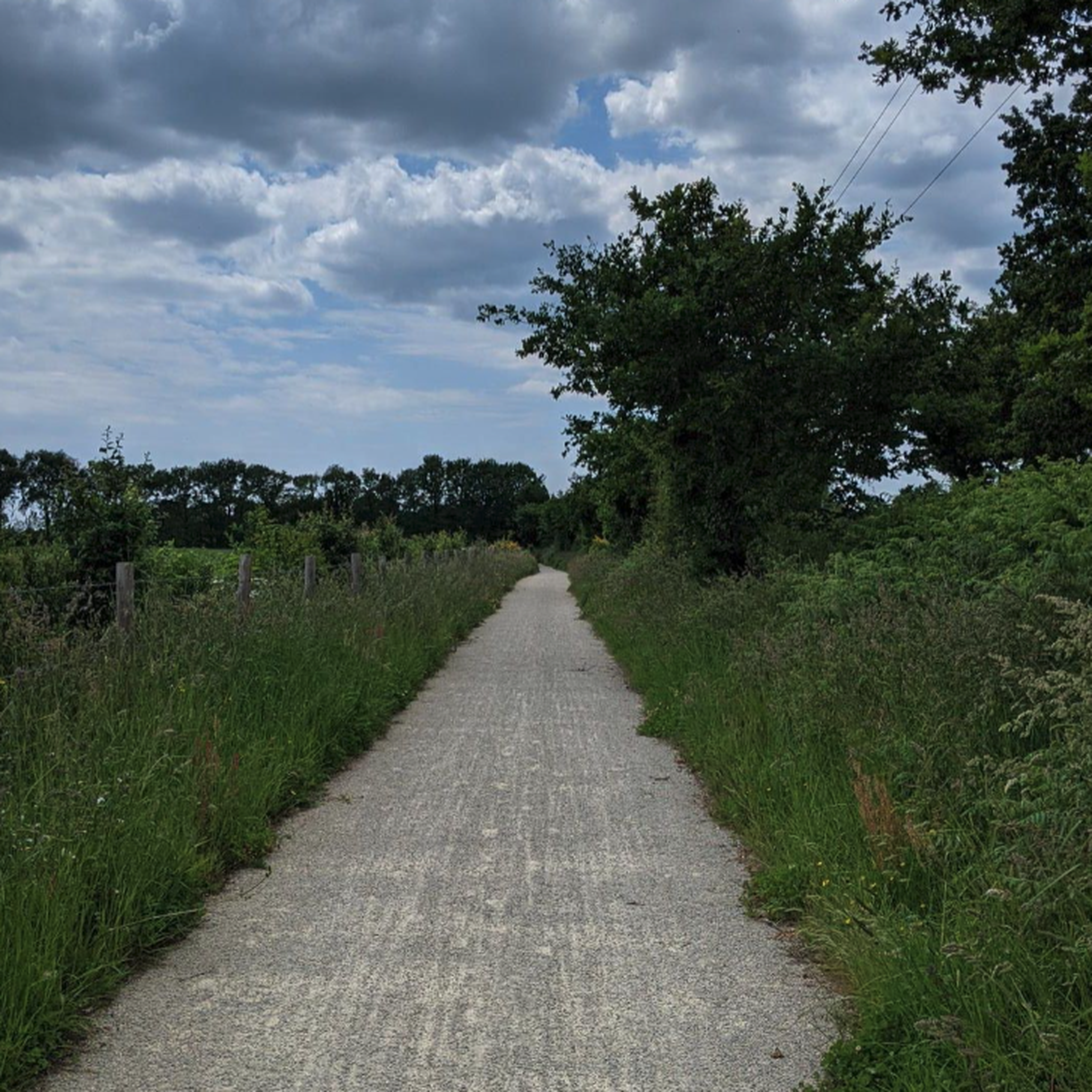
Can be done by mountain bike, gravel bike and mountain bike of course.
0
0


Attention. Bridge flooded this month of January 2024.
0
0

What can I say, just have a nice time and enjoy
2
0

Peaceful place perfect for a little break!
0
0
Frequently Asked Questions
What kind of outdoor activities can I do around Marais salants du Més?
The region offers diverse outdoor activities, especially for running, mountain biking, and general cycling. You can find numerous routes, such as the "View of the Pen Bé Coast – Coves of Baie des Dames loop" for running, or the "Kercabellec – Merquel Point loop" for mountain biking. For more options, explore the dedicated guides for running trails, MTB trails, and cycling routes around Marais salants du Més.
Are there any historical sites or cultural attractions to visit?
Yes, the area is rich in history. You can visit the ancient Pont de Gras, a Gallo-Roman ford across the Mès stream. The picturesque port district of Kercabellec also has historical significance as a grounding port for salt production. Beyond the immediate area, the fortified Medieval City of Guérande, often called the "Carcassonne of the West," offers well-preserved ramparts and historical buildings like the Porte Saint-Michel.
What natural features can I explore in the Marais salants du Més?
The primary natural feature is the vast salt marsh system itself, an open-air mosaic shaped by centuries of salt production. You can observe diverse flora and fauna, especially birds. Merquel Point offers panoramic coastal views and a bird observatory, where you can spot various seabirds, waders, and even ospreys. The Etiers de la Barre, connecting the ocean and the marshes, is another interesting natural point.
Can I observe wildlife, especially birds, in the salt marshes?
Absolutely. The Marais salants du Mès is an excellent location for birdwatching year-round. It's part of the Natura 2000 network and a Ramsar site, highlighting its importance for wetlands. You can spot species like ospreys, Brent geese (during autumn migration), terns, gulls, egrets, avocets, curlews, and sandpipers. The observatory at Merquel Point is particularly good for observing waterbirds.
Are there family-friendly activities or attractions in the area?
Many attractions are suitable for families. Exploring the salt marshes, such as Salines de Mesquer or Més Salt Marshes, can be an educational and engaging experience, especially with guided tours to learn about salt harvesting. The scenic viewpoints like Merquel Point and the charming port of Kercabellec are also pleasant for all ages. The Petit Train de Guérande offers a fun way to discover the nearby medieval city and its surroundings.
What is the best time of year to visit Marais salants du Més?
The salt marshes offer a unique visual spectacle that changes with the seasons. The landscape, with its salt pans reflecting various hues, is particularly captivating at sunset, making it a paradise for photographers. While birdwatching is possible year-round, autumn migration can be a highlight for spotting specific species like Brent geese. Generally, spring and early autumn provide pleasant weather for exploring the trails and enjoying the natural beauty.
Can I learn about traditional salt harvesting methods?
Yes, the region is dedicated to preserving its salt-producing heritage. You can visit sites like Salines de Mesquer, where the extracted salt benefits from the prestigious “Sel de Guérande” label. Guided tours are often available, allowing you to observe salt workers (paludiers) and understand the traditional methods and natural processes involved in salt formation. La Maison des Paludiers (House of the Salt Workers) in Saillé also offers insights into the history and life of salt workers.
Are there any dog-friendly trails or areas in Marais salants du Més?
While specific regulations for dogs on all trails can vary, many outdoor areas and marked footpaths in the Marais salants du Mès are generally accessible for walks with dogs, provided they are kept on a leash to protect the fragile environment and wildlife. It's always recommended to check local signage or visitor information centers for the most current rules regarding pets in specific nature reserves or protected areas.
What do visitors enjoy most about the Marais salants du Més?
Visitors frequently appreciate the unique landscape and the tranquility of the salt marshes. The panoramic views from spots like Merquel Point are highly praised. Many also enjoy the opportunity to observe salt workers and learn about the traditional salt production, as well as the rich birdlife. The picturesque port of Kercabellec is also a favorite for its charm and views.
How can I explore the salt marshes safely and respectfully?
To fully appreciate the unique blend of heritage and nature while respecting the fragile environment and the work of the paludiers, it is recommended to stick to marked footpaths and cycle paths. Joining guided tours is also an excellent way to gain deeper insight and ensure you are exploring responsibly. Always be mindful of the natural surroundings and the working salt pans.
Are there options for food and drink near the attractions?
The charming port of Kercabellec, historically linked to salt activity, is a good place to find local establishments. The wider Mesquer-Quimiac area and nearby towns will offer various cafes, pubs, and restaurants where you can enjoy local cuisine and refreshments after exploring the salt marshes and coastal areas.
Most popular routes around Marais salants du Més

Get inspired with the komoot mobile app


Explore more
Still not found the Highlight you’re looking for? See guides of the top attractions in other regions:
