The best traffic-free bike rides around Hornbæk Sø
4.8
(4)
66
riders
3
rides
Gravel biking around Hornbæk Sø offers diverse terrain, combining peaceful lake scenery with varied forest and coastal trails. The region features the distinctive Hornbæk Sø, a tunnel valley lake, alongside the dense woodlands of Hornbæk Plantage and the elevated heathland of "Rusland." These natural features provide a network of no traffic gravel bike trails suitable for exploring the area's landscape.
Best no traffic gravel bike trails around Hornbæk Sø
- The most popular no traffic gravel bike trail is Hornbæk Plantation…
Last updated: June 29, 2026
27
riders
69.0km
03:36
290m
290m
Moderate gravel ride. Good fitness required. Mostly paved surfaces. Suitable for all skill levels.
20
riders
38.5km
02:06
170m
170m
Moderate gravel ride. Good fitness required. Mostly paved surfaces. Suitable for all skill levels.

Sign up for free
4
riders
45.9km
02:44
200m
200m
Moderate gravel ride. Good fitness required. Mostly paved surfaces. Suitable for all skill levels.
Our route recommendations are based on thousands of hikes, rides, and runs completed by other people on komoot.
Start today with a free account
Your next adventure awaits.
Login or Signup
Popular around Hornbæk Sø

Tips from the Community

Monastery complex worth seeing.
2
0
Nice little castle and small park.
2
0
Small church worth seeing, on a small hill.
2
0

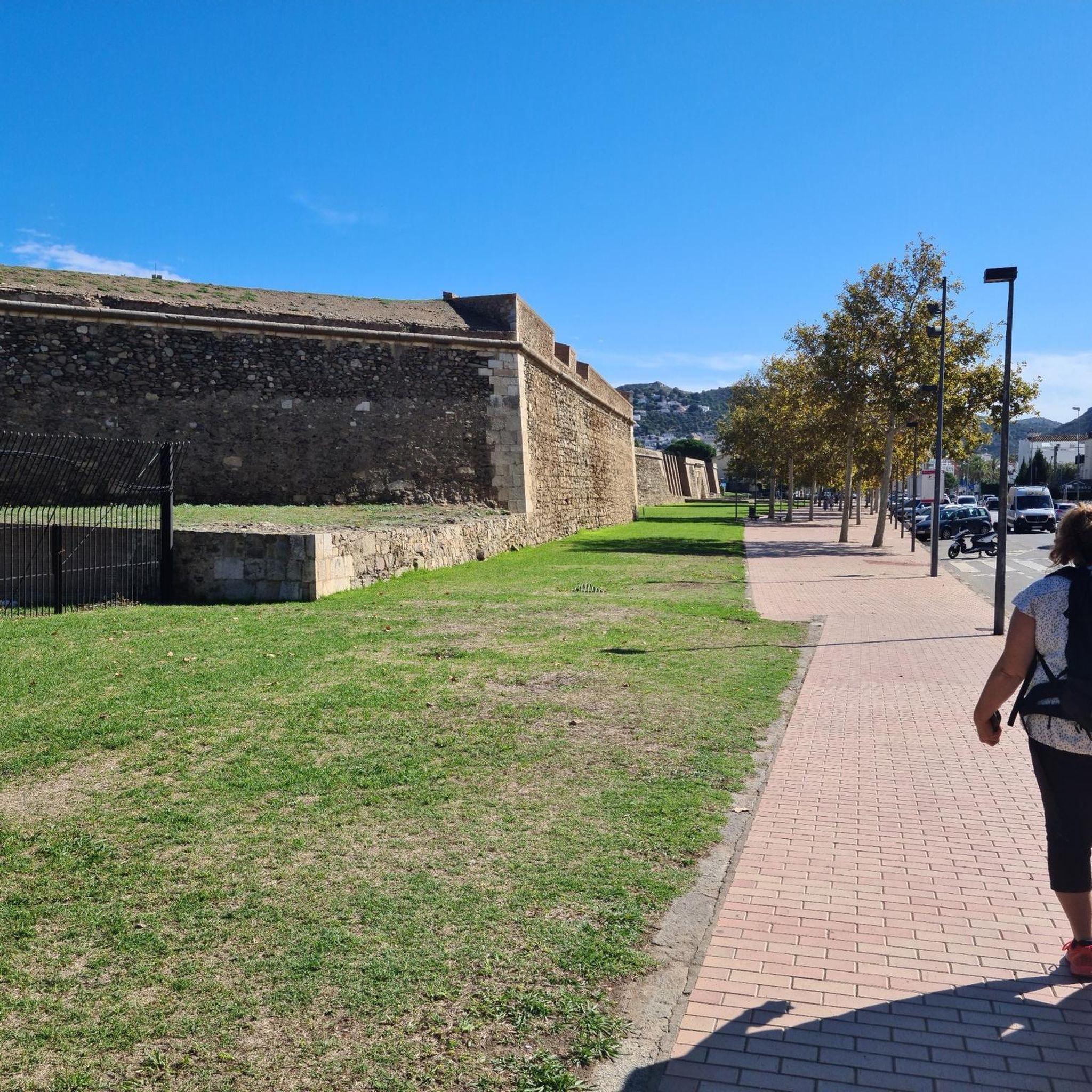
An imposing castle and fortress at the same time.
4
0


Cycling over the wooden bridge in the wetland is a nie adventure.
0
0

Kronborg Castle, known worldwide for Hamlet and Shakespeare, is one of the most beautiful Renaissance castles in Northern Europe and is also a UNESCO World Heritage Site. In Helsingør, where the Sound between Denmark and Sweden is at its narrowest, Kronborg Castle is located and overlooks the Sound, surrounded by a mighty fortification with bastions and cannon batteries. The castle has a fascinating history and is definitely worth a visit. Few places in the world are surrounded by as much drama and history as Kronborg Castle. Kronborg's history goes back to 1420, when Erik of Pomerania built the Krogen fortress to control the entrance to the Sound and to be able to collect the lucrative Sound toll from passing ships. The Sound toll was of great importance to Helsingør for more than 400 years. The money went straight into the king's pocket, but trade associated with the Sound toll made the city wealthy and famous throughout the world. Frederik II built the magnificent Renaissance castle we know today in 1574-85 as a powerful symbol of wealth and power. The Sound Customs funded towers and spires, copper roof and sandstone ornaments. During Kronborg's heyday in the late 16th century, rumours of the pomp and splendour and decadent lifestyle of the court circulated among sailors, merchants, diplomats and aristocrats. Shakespeare used Kronborg as the setting for his immortal play of the king's son Hamlet, and outside Denmark the castle is now best known as Hamlet's Castle. Kronborg was devastated by a fierce fire in 1629, which left only the castle church surviving. Christian IV rebuilt the castle with extensive new decorations in the Baroque style, but in 1658 Kronborg suffered new misfortune when the Swedes bombed and captured the castle, taking many precious art treasures as spoils of war. Kronborg was fortified as a fortress with the Kronwerk in 1690 by Christian V, but after that the castle was largely no longer inhabited by royalty. From 1785 to 1923 the military used the castle, and only then, after a thorough restoration, was it returned to the heyday of Frederik II and Christian IV. https://www.visitdenmark.de/daenemark/reiseplanung/schloss-kronborg-unesco-weltkulturerbe-gdk1077722
7
0

The royal fortress Kronborg with its fortifications and the magnificent royal palace is an absolute highlight and definitely worth a visit! Inside the castle you can see many historically furnished rooms.
9
0
Frequently Asked Questions
How many traffic-free gravel bike trails are available around Hornbæk Sø?
The Hornbæk Sø area offers several dedicated traffic-free gravel bike trails. Our guide features 3 carefully selected routes that prioritize quiet paths and natural surroundings, ensuring a peaceful ride away from cars.
What is the typical difficulty level for no-traffic gravel bike trails in the Hornbæk Sø area?
The no-traffic gravel bike trails around Hornbæk Sø are generally considered moderate. They offer a good balance for riders with some experience, featuring varied terrain and distances that provide a rewarding challenge without being overly technical. For example, the Hornbæk Plantation and Beach – The Hammer Mill loop from Saunte is rated moderate.
Are there family-friendly no-traffic gravel bike routes suitable for beginners around Hornbæk Sø?
While many routes are moderate, the Hornbæk Plantage (Plantation) offers sections that are more suitable for families and beginners looking for quiet paths. The plantation features a 3.5 km coastal bike track that is ideal for gravel cyclists seeking a gentler, traffic-free experience amidst ancient trees and diverse wildlife.
Can I find circular no-traffic gravel bike routes near Hornbæk Sø?
Yes, several of the no-traffic gravel bike routes around Hornbæk Sø are circular, allowing you to start and end at the same point. For instance, the Hornbæk Harbour – Hornbæk Plantation and Beach loop from Skibstrup St offers a scenic circular tour through varied landscapes.
What natural landscapes or attractions can I expect to see along the traffic-free gravel bike trails?
The trails offer a rich tapestry of natural beauty. You'll cycle past the tranquil Hornbæk Sø itself, through the ancient forests of Hornbæk Plantage with its historical relics, and along the picturesque sandy beaches. Some routes, like the Kronborg Castle – View of Kronborg Castle loop from Ålsgårde, even offer distant views of iconic landmarks.
Where can I find parking for accessing no-traffic gravel bike trails around Hornbæk Sø?
Parking is generally available in and around Hornbæk town, particularly near the harbour and various access points to Hornbæk Plantage. It's advisable to check local signage for specific parking regulations and availability, especially during peak season.
How can I reach the no-traffic gravel bike trails around Hornbæk Sø using public transport?
Hornbæk is well-connected by public transport. You can reach the area by train, with stations like Hornbæk and Saunte providing convenient access points close to many trailheads. This allows for easy access to routes like the Hornbæk Plantation and Beach – The Hammer Mill loop from Saunte.
What is the best time of year for gravel biking on traffic-free trails in Hornbæk Sø?
The spring and autumn months are particularly beautiful for gravel biking around Hornbæk Sø, with pleasant temperatures and vibrant foliage. Summer also offers great conditions, especially along the coastal sections. While winter riding is possible, some paths, particularly around Hornbæk Sø, can become muddy.
Are there any cafes or amenities near the no-traffic gravel bike trails in Hornbæk Sø?
Yes, Hornbæk town, located centrally to many of the trails, offers a variety of cafes, restaurants, and shops where you can refuel and relax. You'll find options near the harbour and along the main streets, perfect for a break during or after your ride.
What do other gravel bikers enjoy the most about traffic-free gravel biking in Hornbæk Sø?
The komoot community highly rates the Hornbæk Sø area for its gravel biking, with an average score of 4.75 stars. Riders frequently praise the peaceful, car-free environment, the diverse scenery ranging from serene lake views to dense forests and coastal paths, and the well-maintained gravel surfaces that make for an enjoyable ride.
Are there opportunities for wild swimming near the no-traffic gravel bike routes?
While Hornbæk Sø itself is not ideal for wild swimming due to potential muddy conditions, the extensive sandy beaches of Hornbæk, stretching for nearly three kilometers, offer excellent opportunities for a refreshing dip in the Kattegat sea. These beaches are easily accessible from many of the coastal gravel routes.
Most popular routes around Hornbæk Sø

Get inspired with the komoot mobile app


Explore more
Browse the best Gravel rides in other regions.
