The best traffic-free bike rides around IJmeer
4.4
(8972)
95,380
riders
631
rides
No traffic touring cycling routes around IJmeer are characterized by flat terrain and extensive waterways, offering accessible paths for all skill levels. The region features a unique landscape of dikes and polder fields, providing elevated views over the Markermeer and reclaimed land. Lush greenery surrounds the lake, creating a picturesque setting for cycling. This area combines natural beauty with historical sites, making it suitable for varied outdoor exploration.
Best no traffic touring cycling routes around IJmeer
- The most popular no…
Last updated: August 22, 2026
4.0
(1)
99
riders
10.7km
00:37
20m
20m
Easy bike ride. Great for any fitness level. Mostly paved surfaces. Suitable for all skill levels.
5.0
(2)
75
riders
16.4km
01:00
40m
40m
Easy bike ride. Great for any fitness level. Mostly paved surfaces. Suitable for all skill levels.

Sign up for free
4.5
(4)
55
riders
Easy bike ride. Great for any fitness level. Mostly paved surfaces. Suitable for all skill levels.
5.0
(3)
80
riders
Easy bike ride. Great for any fitness level. Mostly paved surfaces. Suitable for all skill levels.
4.5
(2)
37
riders
5.73km
00:21
10m
10m
Easy bike ride. Great for any fitness level. Mostly paved surfaces. Suitable for all skill levels.
Get access to more routes and recommendations from other explorers.
Sign up for free
Already have an account?
Our route recommendations are based on thousands of hikes, rides, and runs completed by other people on komoot.
Start today with a free account
Your next adventure awaits.
Login or Signup


Tips from the Community

Beautiful route to walk along the dike
0
0

Yes, Muiden is beautiful, but these unspecific highlights have at least for me no added value.
0
0
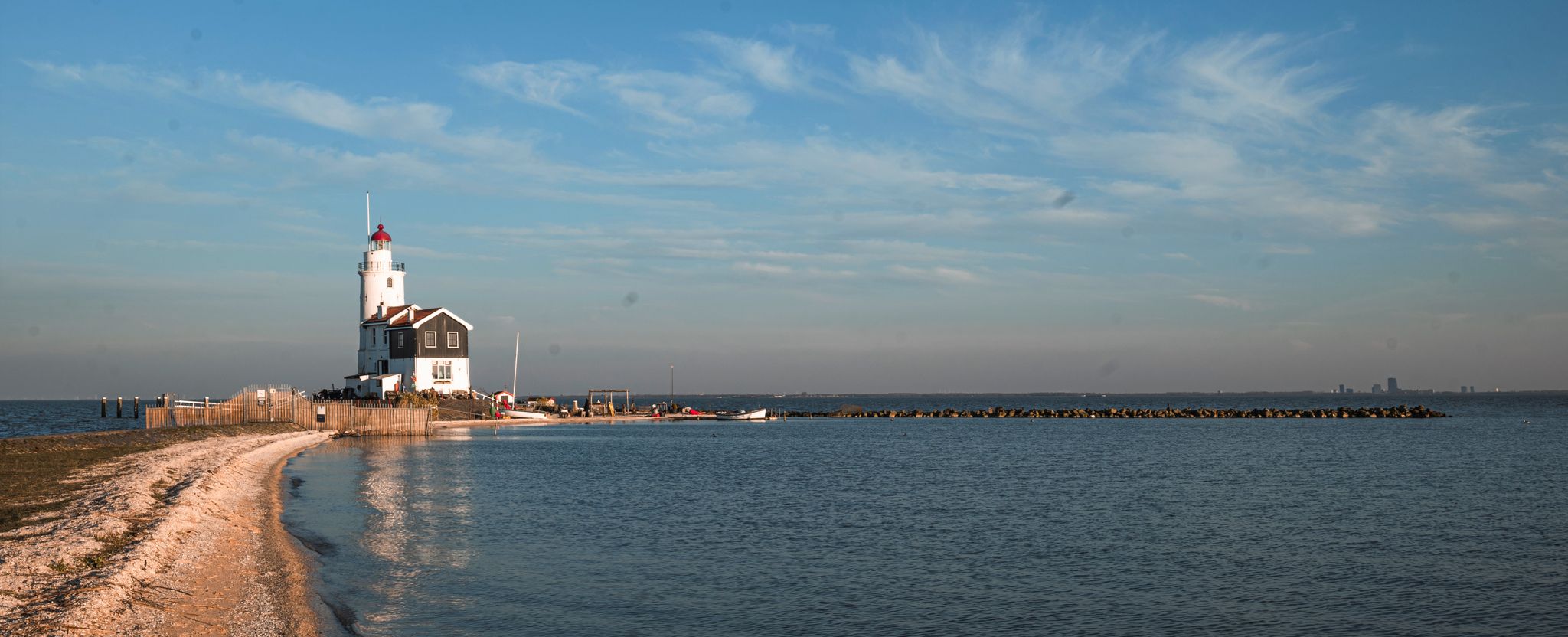
Beach with a beautiful view in the evening and sight of Pampus.
2
0

For over 100 years, Oosterpark has been a place for residents and visitors of Amsterdam East to relax, exercise, and socialize. https://www.amsterdam.nl/leefomgeving/parken-recreatiegebieden/oosterpark/
1
0
On July 1, 2002, the National Slavery Monument was inaugurated in the presence of then-Queen Beatrix. On July 1, 1863, the Netherlands was one of the last countries in Europe to abolish slavery. The National Slavery Monument serves as a place for reflection and commemoration of the Dutch transatlantic slavery past. The initiative came in 1998 from the Afro-European women's movement Sophiedela, chaired by Barryl Biekman. The Dutch government provided a financial contribution. In 2001, Minister Roger van Boxtel declared at an anti-racism conference in South Africa that the Netherlands "sincerely and deeply regrets" the slave trade and slavery. The "static" monument and the establishment of a "dynamic" knowledge institute, the Ninsee, marked the next step. The bronze statue was designed by renowned Surinamese artist Erwin de Vries, who said of it: "The assignment was to address the past of slavery, the present, and the future. From the past, I created a group of enslaved people in chains, from the present, a freed slave, and the most important thing is the future: freedom in the belief that we will one day be completely free from discrimination." While designing the monument, he felt "the pain of the slaves, including my ancestors, but also their enormous strength." Source: https://amsterdam.kunstwacht.nl/kunstwerken/bekijk/949-nationaal-monument-slavernijverleden
1
0

The beautiful Nescio Bridge, named after the Dutch writer Nescio, is a curved suspension bridge and one of the longest bicycle and pedestrian bridges in the Netherlands. You simply must see and cross it at least once... it remains a special experience, every time!
0
0

The Dutch really have a wide and well-maintained cycling network.
2
2

Cycling up and down stairs isn't recommended. Just cycle up and down.
0
0
Frequently Asked Questions
How many no-traffic touring cycling routes are available around IJmeer?
Komoot offers over 500 no-traffic touring cycling routes around IJmeer. The vast majority, nearly 400, are rated as easy, making the region very accessible for cyclists of all levels looking for peaceful rides.
What kind of terrain can I expect on no-traffic cycling routes in IJmeer?
The IJmeer region is predominantly flat, offering easy rides suitable for all fitness levels. Many routes are on paved or mostly paved surfaces, often following dikes that provide elevated views over the Markermeer and the reclaimed polder fields. You'll find serene paths with lush greenery and watery panoramas.
Are there any family-friendly no-traffic cycling routes in IJmeer?
Yes, IJmeer is an excellent destination for family-friendly cycling due to its flat terrain and numerous car-free paths. Many of the over 500 routes are easy, providing a safe and enjoyable experience for all ages. Consider routes like the Groote Sea Lock, Muiden – Muiden Great Sea Lock loop from Strandeiland, which offers a gentle ride with scenic views.
What are some notable landmarks or natural features I can see along these routes?
The no-traffic cycling routes around IJmeer offer a blend of natural beauty and historical sites. You can cycle past the historic Muiden Castle, explore the Schellingwouder Bridge with views of Amsterdam, or enjoy the tranquil IJmeer Cycle Path. Other highlights include the Diemer Vijfhoek Nature Reserve and various small beaches like Muiderberg Beach, perfect for a break.
Are there any circular no-traffic cycling routes around IJmeer?
Yes, many of the no-traffic routes around IJmeer are circular, allowing you to start and end at the same point. These loops often incorporate charming villages, historic sites, and beautiful waterside paths. An example is the Great Sea Lock, Muiden – View of Muiderslot Castle loop from Muiden, which provides a pleasant circular journey.
What do other touring cyclists enjoy most about cycling in IJmeer?
The komoot community highly rates touring cycling in IJmeer, with an average score of 4.5 stars from over 7,600 ratings. Reviewers often praise the region's flat, car-free paths, stunning water views, and the peaceful atmosphere. The combination of natural beauty and historical points of interest, like Muiden Castle, is frequently highlighted as a major draw.
Can I reach the no-traffic cycling routes using public transport?
Yes, IJmeer's proximity to Amsterdam means many routes are accessible via public transport. You can often take a train or bus to towns and villages around the lake, which serve as excellent starting points for your no-traffic cycling adventure. For instance, routes starting from IJburg or Muiden are well-connected.
Are there any long-distance no-traffic cycling routes in the IJmeer area?
While many routes are shorter loops, the extensive network of car-free paths and dikes around IJmeer allows for combining sections to create longer, continuous rides. You can link up paths like the Muiden to Muiderberg Dike Road and the Markermeer Sea Dike to extend your journey and enjoy more of the tranquil scenery.
What is the best time of year to cycle no-traffic routes around IJmeer?
The best time to cycle around IJmeer is generally from spring through early autumn (April to October). During these months, the weather is typically mild, and the landscapes are lush. Summer offers longer daylight hours, while spring and autumn provide comfortable temperatures and fewer crowds. The flat terrain also makes it suitable for cycling in cooler weather, provided you dress appropriately.
Are there any hidden gems or less-known no-traffic routes in IJmeer?
Beyond the well-known paths, IJmeer offers many quieter sections and smaller loops that provide a sense of discovery. Exploring the polder landscapes and lesser-known dikes can reveal tranquil spots and diverse wildlife. For a unique experience, consider the Nesciobrug – Amsterdam Canals loop from IJburg, which combines waterside serenity with glimpses of urban canals.
Where can I find parking for no-traffic cycling routes in IJmeer?
Many towns and villages surrounding IJmeer offer parking facilities, often near popular starting points for cycling routes. Look for designated parking areas in places like Muiden, Muiderberg, or near public transport hubs. It's advisable to check local parking information for your chosen starting location beforehand.
Most popular routes around IJmeer
Most popular attractions around IJmeer

Get inspired with the komoot mobile app


Explore more
Browse the best Cycling routes in other regions.
