The best traffic-free bike rides around Lake Kazubskie
4.8
(3)
94
riders
5
rides
No traffic road cycling routes around Lake Kazubskie traverse a post-glacial landscape characterized by numerous hills, valleys, and interconnected ribbon lakes. The region, often referred to as "Kashubian Switzerland," features varied terrain suitable for road cycling, including areas with well-paved surfaces. Elevations include hills such as those within the Szymbark Hills, which contribute to the diverse cycling experience. The landscape is further defined by dense forest complexes and a network of roads that often run alongside lakes.
Best no traffic…
Last updated: July 12, 2026
8
riders
52.9km
02:09
220m
220m
Moderate road ride. Good fitness required. Some segments of this route may be unpaved and difficult to ride.
11
riders
Moderate road ride. Good fitness required. Some segments of this route may be unpaved and difficult to ride.

Sign up for free
6
riders
53.9km
02:12
210m
210m
Moderate road ride. Good fitness required. Some segments of this route may be unpaved and difficult to ride.
7
riders
45.9km
01:54
190m
190m
Moderate road ride. Great for any fitness level. Some segments of this route may be unpaved and difficult to ride.
5
riders
60.6km
02:26
350m
350m
Moderate road ride. Good fitness required. Mostly well-paved surfaces and easy to ride.
Our route recommendations are based on thousands of hikes, rides, and runs completed by other people on komoot.
Start today with a free account
Your next adventure awaits.
Login or Signup
Popular around Lake Kazubskie
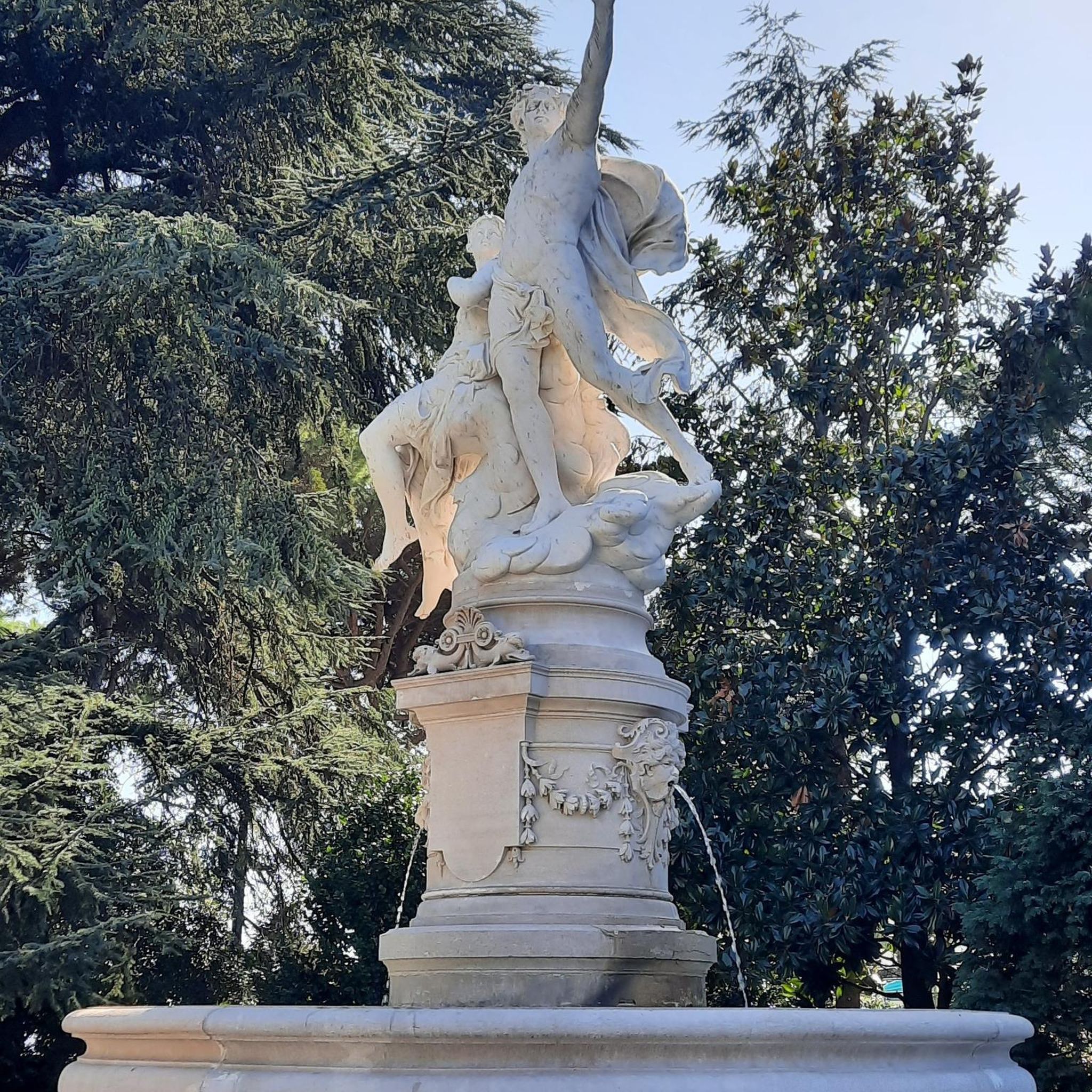
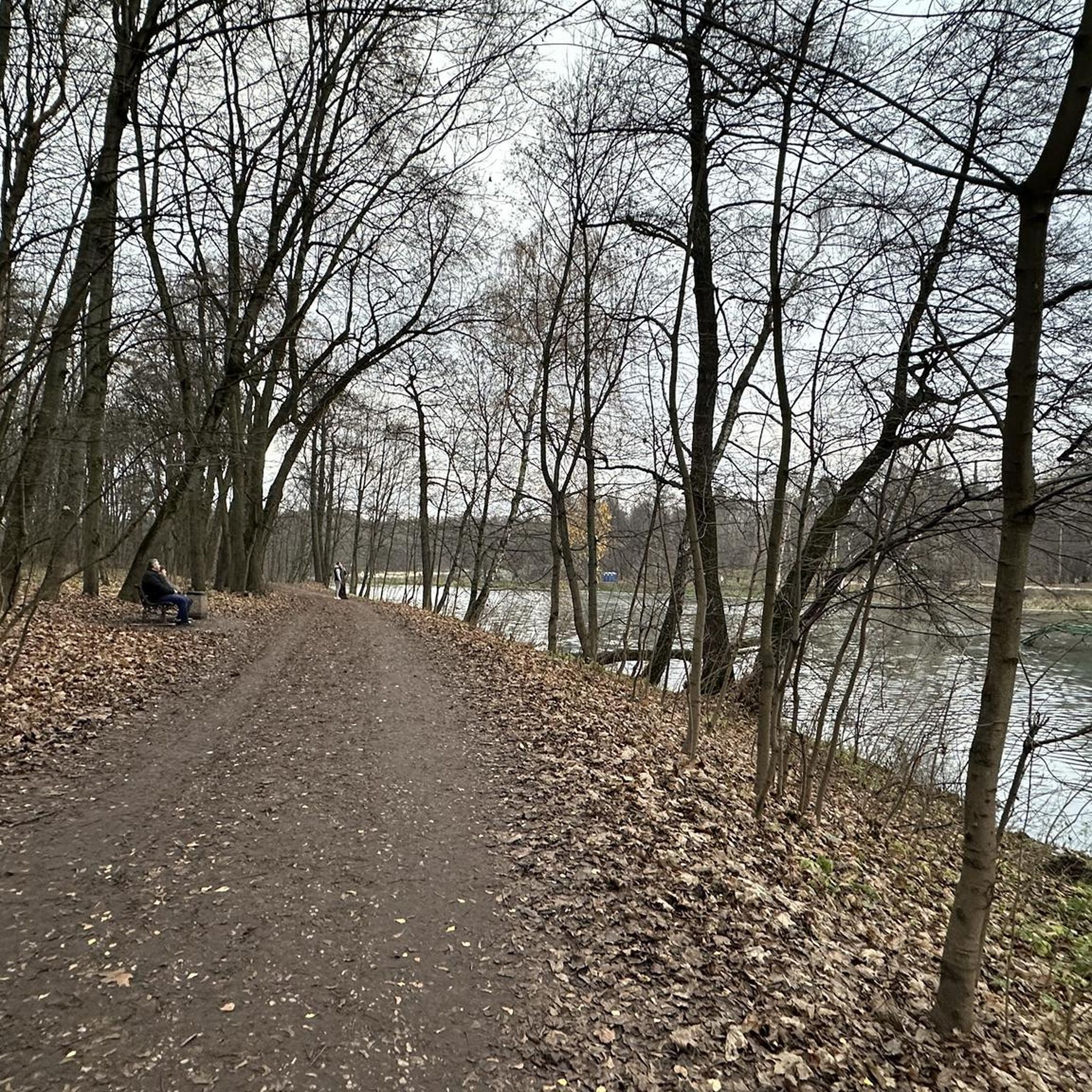
Tips from the Community

A wonderful place. Here you can admire ancient buildings from Kashubia, Kociewie, and the Tuchola Forest. There are wooden cottages, windmills, an inn, churches, and entire old farmsteads. Travel back in time to see what people did when there was no internet! A truly interesting place, such living, fascinating history. You can peek into each building and see what it was like. Don't forget to buy tickets! http://www.muzeum-wdzydze.gda.pl/
1
0

The ecological site Peat bog on Lake Gołuń in Wdzydzki Landscape Park is a valuable protected natural area, an example of a raised peat bog. It is surrounded by picturesque forests and lakes, creating a unique ecosystem with rare plant species such as round-leaved sundew, common marsh or marsh cranberry. It is a great place for nature lovers, where you can observe water birds and enjoy the silence and wildness of the landscape. Cycling and hiking trails lead near the peat bog, so it is worth taking appropriate footwear, especially after rain, when the area may be waterlogged.
0
0

Once a year, the open-air museum hosts the Wdzydzki Fair, which lasts two days and is worth seeing
1
1

At the very beginning, it is worth mentioning the dedication ceremony of the Lutheran Church in Kościerzyna (Berent), which took place on Wednesday, April 18, 1894, as stated in the holiday program of the ceremony, printed especially for this occasion. This temple served the local faithful of the Evangelical faith until 1945. After World War II, this post-Evangelical church under the invocation of St. John of Nepomuk was designated for youth as a school church. The Resurrectionists came to Kościerzyna at the request of the then Ordinary of the Chełmno Diocese, Bishop Kazimierz Józef Kowalski, who wanted to entrust them with the care of the abandoned post-Evangelical church and the children and school youth in Kościerzyna. The Resurrectionists arrived in the city on July 4, 1947. https://parafiakoscierzyna.pl/index.php/historia-parafii
3
0
The Museum – Teodora and Izydor Gulgowski Kashubian Ethnographic Park in Wdzydze Kiszewskie is located on the picturesque shores of Lake Gołuń. There are over 50 buildings characteristic of the rural landscape of Kashubia, Kociewie and Tuchola Forest from the 17th to the 20th century. Visitors can admire the wealth of old wooden architecture of Pomerania with its equipment: cottages, manors, a school, windmills, churches, inns, farm buildings and craft workshops. The farmsteads present: methods of grinding snuff and grinding grain, washing, mangling, tailoring, weaving, the work of a blacksmith, wheelwright and forest worker. The museum offers various workshops and shows, both for individual visitors and for groups. For the youngest visitors, an interactive exhibition has been prepared “Museum for fun?” - where children can experience the past and plan a museum of the future. This is an exhibition where you are allowed to touch the exhibits: check what it is like to sleep under a duvet, look inside a cast iron waffle iron and rummage through a kitchen cupboard. It tells about various museums that exist in the world; explains why we need museum collections in the first place; shows what kind of exhibits can be collected, for example, in open-air museums. It asks children and adults the question: "What matters to people?" In this way, the exhibition makes visitors aware that research never ends, and that history and tradition are constantly being created. https://wdzydzkipark.pl/o-parku-4/dziedzictwo-kulturowe-6/muzea/kaszubski-park-etnograficzny/
3
1

At the beginning, the asphalt is poor, but the further you go, the better it gets!
0
0

The parish was established in 1250. In that year, the Bishop of Kujawy, Michał Gadziemba, bought the town from Sambor II. With the establishment of the parish, the first wooden church was built. The second one, also made of wood, was consecrated in 1590. In 1892-1894, a new church was built, made of red brick, in the neo-Gothic style. The builder was priest. parish priest Jan Wierciński. The previous one, made of wood, was demolished. When World War II broke out, Fr. parish priest Józef Sobisz, along with most of the inhabitants of Wysino, was displaced, and the church building was turned into a transit camp for deported Poles. During the occupation, the church was not open for religious worship. After the war, the first services were held in the cemetery mortuary. All parish buildings, including the church, were dilapidated and neglected.
0
0
Branch Church of St. Barbara in Wdzydze Kiszewskie Built around 1700 in the village of Swornegacie. In 1740, a tower was added. Originally dedicated to St. John the Baptist and St. Bartholomew. Expanded in 1740, 1744 and 1812. At the beginning of the 20th century, it was in a deplorable state. In 1916, the first Holy Mass was celebrated in the new church, and the old one was to be demolished. However, the residents saved the monument, which was renovated in 1947. In 1980, the Chełmno Curia transferred the then inactive temple to the open-air museum in Wdzydze. The church was moved to the open-air museum in the years 1980-1987.
2
0
Frequently Asked Questions
How many no-traffic road cycling routes are available in the Lake Kazubskie region?
Currently, komoot features 4 dedicated no-traffic road cycling routes around Lake Kazubskie. These routes are all rated as moderate difficulty, offering a good balance for cyclists looking for scenic and engaging rides away from vehicle traffic.
What kind of terrain can I expect on these no-traffic road cycling routes around Lake Kazubskie?
The Lake Kazubskie region, often called "Kashubian Switzerland," offers a varied and picturesque terrain for road cycling. You can expect a post-glacial landscape with numerous hills, valleys, and stretches alongside lakes. While many routes feature well-paved surfaces, some segments might be unpaved, adding to the adventure. The elevation changes, such as those found on routes like the Smooth Asphalt Section loop, provide an engaging cycling experience.
Are there any family-friendly no-traffic road cycling options in Lake Kazubskie?
While all the listed no-traffic road cycling routes are rated as moderate, making them suitable for cyclists with some experience, the region does offer dedicated bike paths, particularly around areas like Gowidlino Lake, which can be more suitable for families. For a moderate family adventure, routes like the Kashubian Ethnographic Park loop offer manageable distances and elevation gains.
What are some scenic viewpoints or landmarks along the no-traffic road cycling routes?
The Kashubian Lake District is rich in natural beauty. While cycling, you'll pass through dense forests like the Mirachowskie Forests and alongside numerous lakes, including those connected by the Kółko Raduńskie trail. The Szymbark Hills, home to Wieżyca (the highest point in the North European Plain), offer panoramic views from its observation tower, which can be a rewarding detour. The Kashubian Ethnographic Park – Zajazd u Sołtysa loop offers a chance to explore the cultural landscape.
Are there any circular no-traffic road cycling routes available?
Yes, all the no-traffic road cycling routes currently featured on komoot for the Lake Kazubskie region are circular. This allows you to start and end your ride at the same point, making logistics easier. Examples include the Hotel Wrota Kaszub loop and the Kashubian Ethnographic Park loop.
What is the best time of year for traffic-free road cycling in Lake Kazubskie?
The Kashubian Lake District is generally best enjoyed from spring through early autumn (May to October). During these months, the weather is typically mild, and the natural landscape is at its most vibrant. The dedicated bike paths and quieter roads are particularly pleasant when the foliage is green and the lakes are inviting.
Are there places to eat or drink along the no-traffic road cycling routes?
While the routes themselves focus on avoiding traffic, the Kashubian Lake District has various villages and towns where you can find cafes, pubs, and restaurants. For instance, the Kashubian Ethnographic Park – Zajazd u Sołtysa loop passes by Zajazd u Sołtysa, offering a potential stop for refreshments. It's always a good idea to check opening times in advance, especially in smaller localities.
What do other road cyclists enjoy most about road cycling in Lake Kazubskie?
The Lake Kazubskie region is highly rated by the komoot community, with an average score of 5.0 stars. Reviewers often praise the region's unique blend of natural beauty, varied terrain, and the opportunity to cycle on quiet roads and dedicated paths. The picturesque lakes, dense forests, and rolling hills of "Kashubian Switzerland" are frequently highlighted as major attractions.
How can I access the no-traffic road cycling routes in Lake Kazubskie by public transport or car?
The Kashubian Lake District is accessible by car, with parking often available in the towns and villages that serve as starting points for routes, such as gmina Stara Kiszewa or Kaliska. While public transport options exist within the wider region, direct access to specific trailheads for no-traffic routes might require some planning. It's advisable to research local bus or train connections to the nearest towns before your trip.
What cultural attractions can I visit near the no-traffic road cycling routes?
Beyond the natural beauty, the Kashubian Lake District offers a rich cultural experience. You can visit the Kashubian Museum in Kartuzy or the Necel Kashubian Ceramics Museum to learn about local traditions. The open-air museum in Wdzydze Kiszewskie, Poland's oldest, showcases traditional Kashubian life and is a fascinating stop. Routes like the Kashubian Ethnographic Park loop offer proximity to such cultural highlights.
Most popular routes around Lake Kazubskie

Get inspired with the komoot mobile app


Explore more
Browse the best Road cycling routes in other regions.
