The best road cycling routes around Lütisburg
4.4
(403)
5,637
riders
257
rides
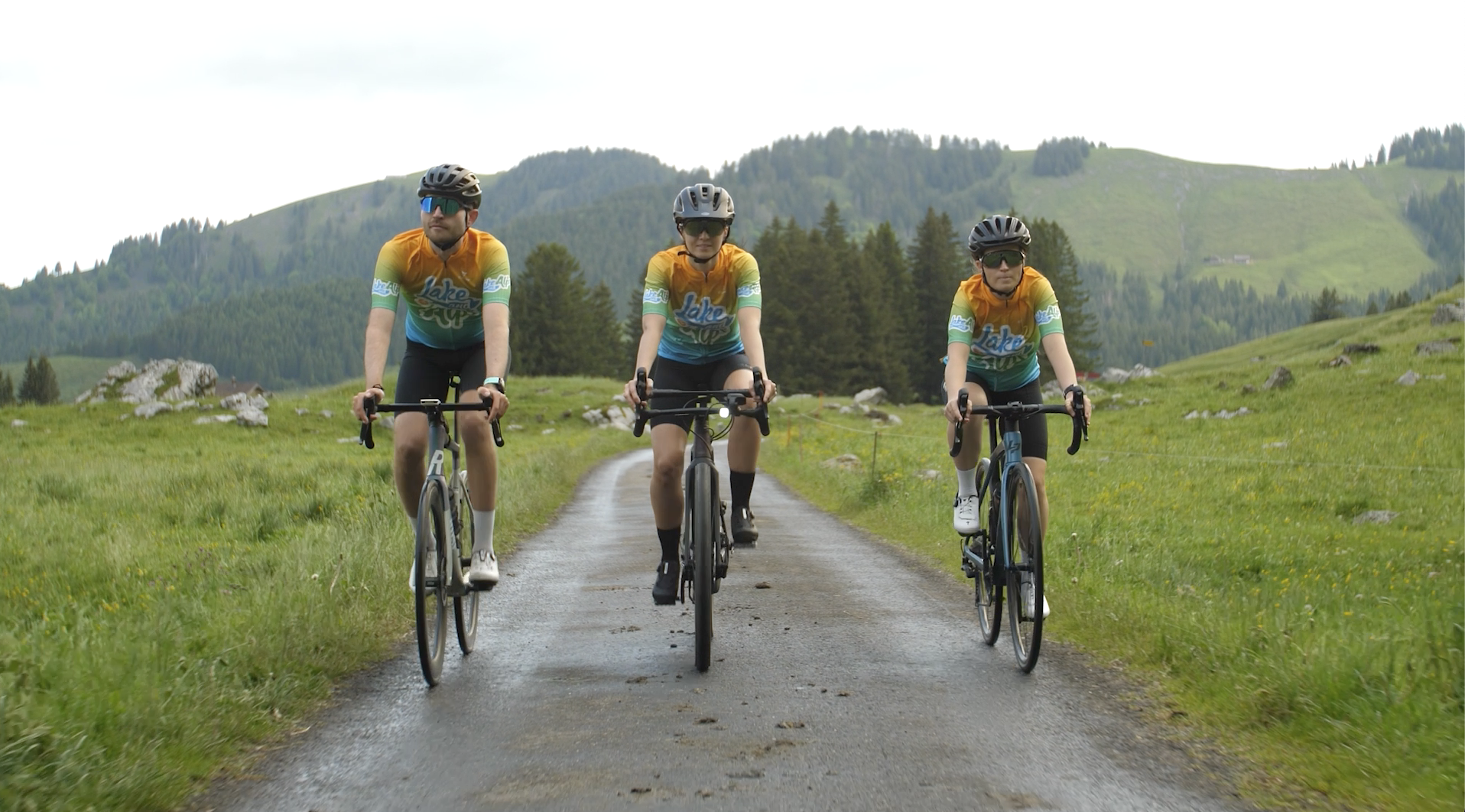
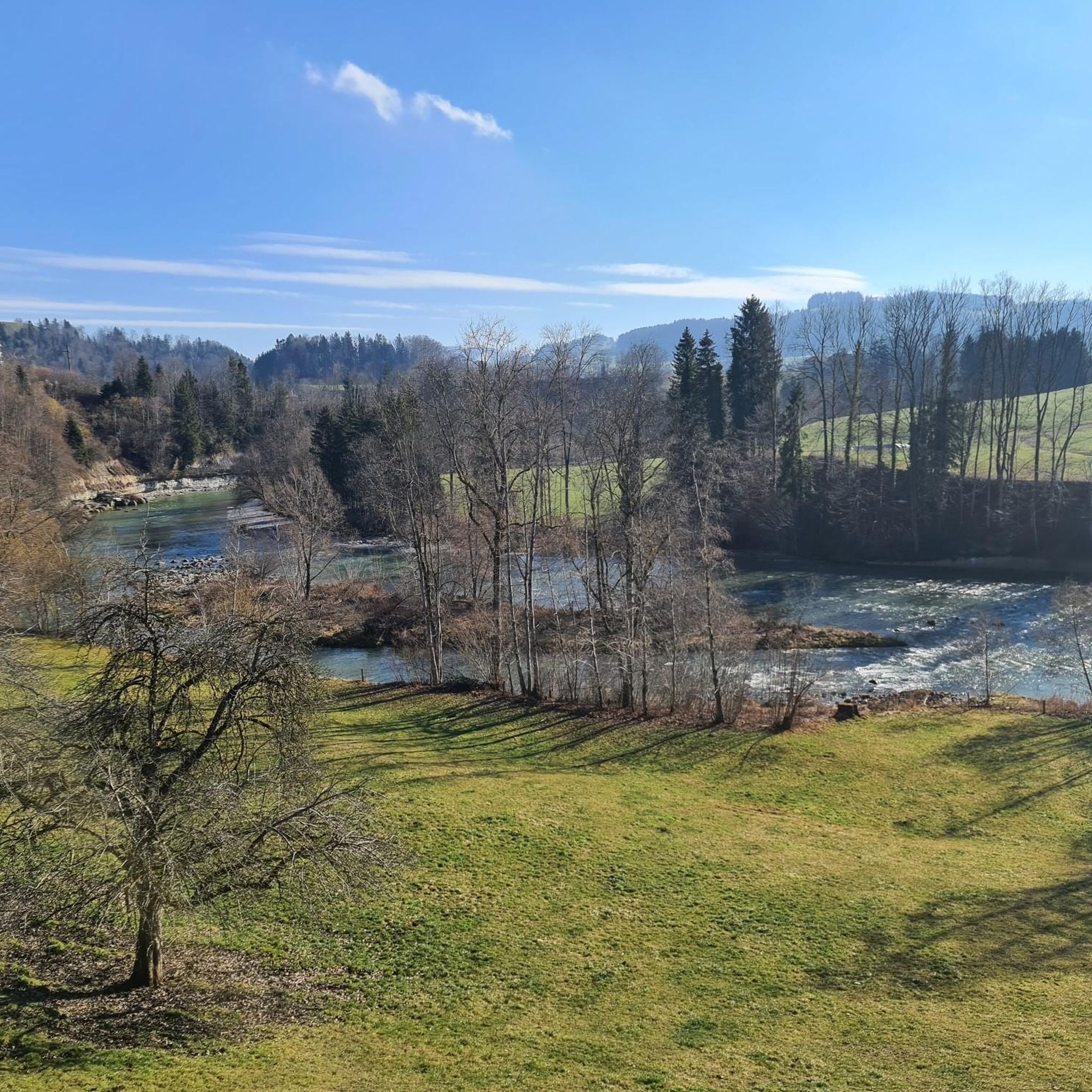
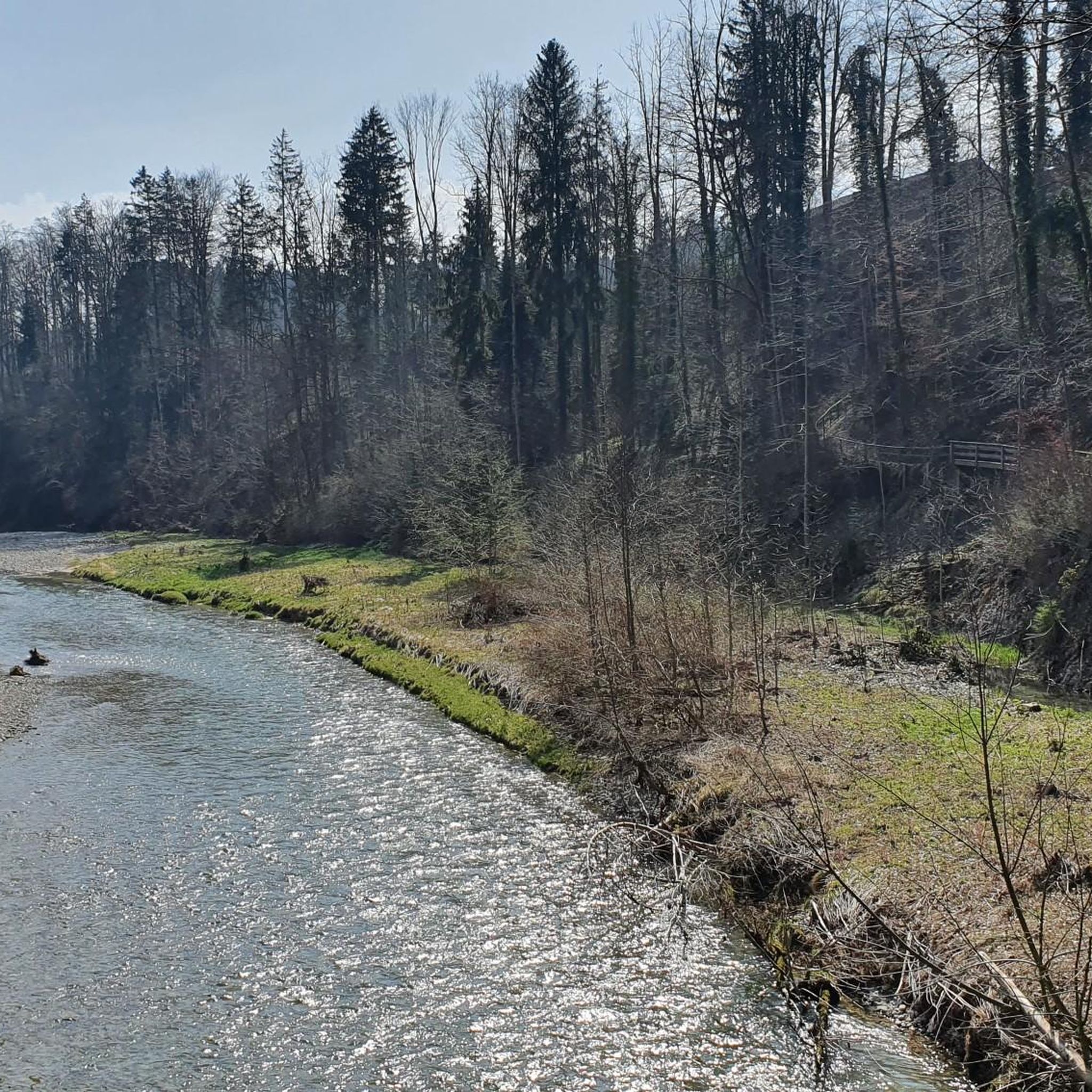
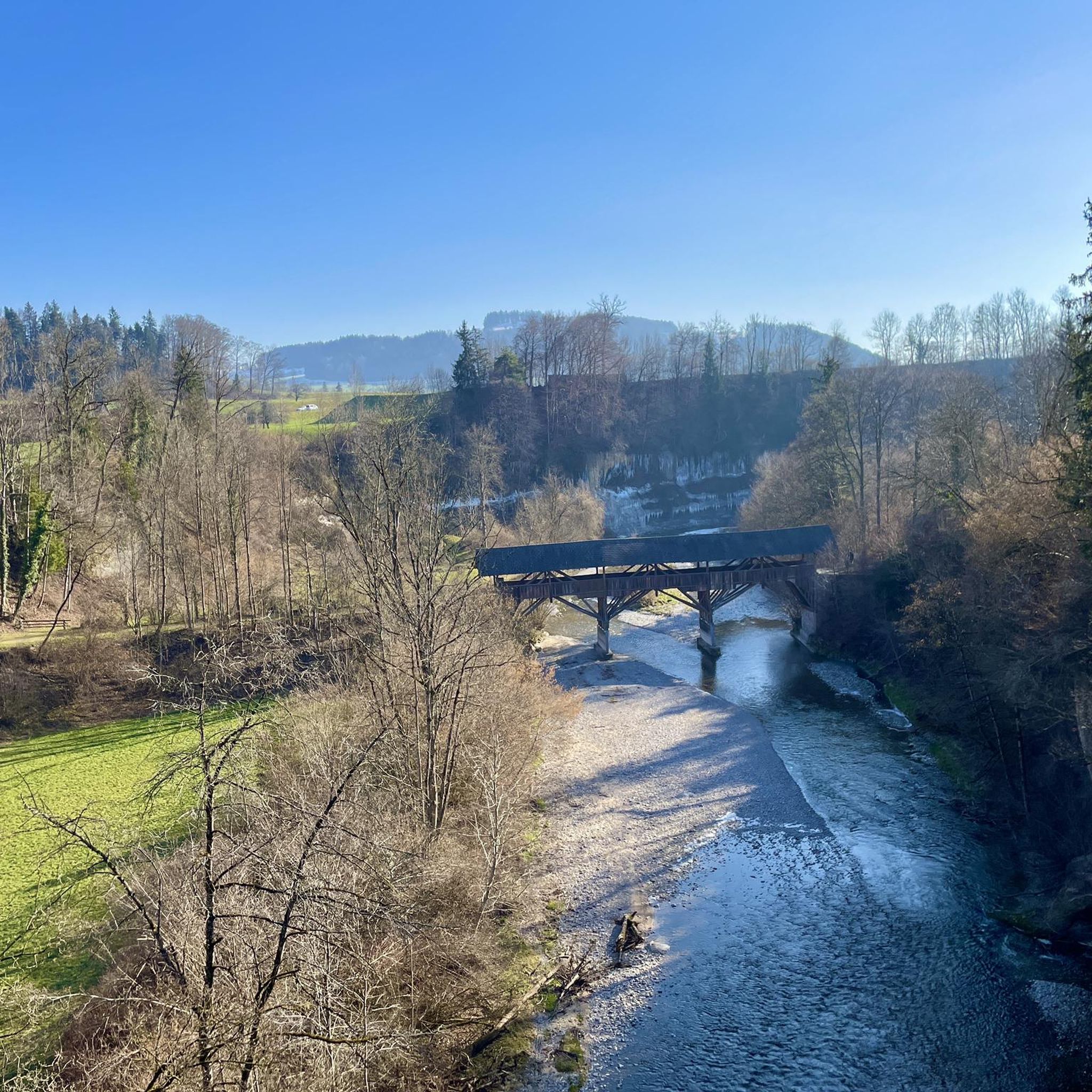
Road cycling routes around Lütisburg traverse the diverse landscapes of the Toggenburg region in Switzerland. The area is characterized by the confluence of the Necker and Thur rivers, offering riverine landscapes, flower meadows, and forests. Road cyclists encounter hill country and rural mountain valleys, set against the backdrop of the Churfirsten mountain range and the Säntis massif. The region provides varied terrain for road cycling, from riverbanks to elevated viewpoints.
Best road cycling routes around Lütisburg
- The most popular road…
Last updated: October 27, 2026
4.0
(2)
91
riders
53.5km
03:03
1,190m
1,190m
Hard road ride. Very good fitness required. Mostly well-paved surfaces and easy to ride.
5.0
(1)
31
riders
31.6km
01:33
440m
440m
Moderate road ride. Good fitness required. Mostly well-paved surfaces and easy to ride.

5.0
(1)
21
riders
27.9km
01:42
610m
610m
Moderate road ride. Good fitness required. Some segments of this route may be unpaved and difficult to ride.
14
riders
41.5km
02:27
860m
860m
Moderate road ride. Good fitness required. Mostly well-paved surfaces and easy to ride.
16
riders
127km
06:29
2,000m
2,000m
Hard road ride. Very good fitness required. Some segments of this route may be unpaved and difficult to ride.
Get access to more routes and recommendations from other explorers.
Already have an account?
Our route recommendations are based on thousands of hikes, rides, and runs completed by other people on komoot.
Start today with a free account
Your next adventure awaits.

Other adventures around Lütisburg

Tips from the Community

From baker to pioneer of the Kägi biscuit factory Alfred Kägi was born on September 19, 1928, in Bad Ragaz. He grew up with his twin brother Eugen in a family of six. After his mother passed away early, his father, Otto Kägi sen., moved with his children to Lichtensteig in 1934, where he took over a bakery with a restaurant in the "Hecht" building. In 1951, the three sons Otto jun., Eugen, and Alfred – known to everyone as "Fredi" – took over the family business. Even before that, the father had built the first small factory in Loreto, where about a dozen employees produced wafers and Toggenburg rolls. Success was not long in coming: in 1955, the new, larger factory was built on the opposite side of the street – just as it exists today (see photo). The technical progress was largely due to the ingenuity of Alfred Kägi. The trained baker and engineer further developed production processes, created the characteristic chocolate coating, and thus contributed decisively to making the "Kägi fret" known and loved throughout Switzerland. Together with the commercially savvy Eugen and the sales-gifted Otto jun., the three brothers formed an unbeatable team that brought not only economic success but also jobs and prosperity to the region. A life between drive, modesty, and passion In 1996, the Kägi brothers sold their company to Valora Holding AG. Afterward, Alfred Kägi dedicated himself increasingly to his passions – especially horse riding and being active in nature. Walks to the Neutoggenburg or the Köbelisberg were part of his daily ritual. In his later years, he withdrew more and more, but always remained closely connected to his home town of Lichtensteig. Thanks to attentive and loving care, Alfred Kägi was able to live in his familiar home until the very end. Text / Source: CITY ADMINISTRATION, Hauptgasse 8, Lichtensteig https://www.lichtensteig.ch/aktuellesinformationen/2640220
1
0
Kägi-Shop, Lichtensteig In the happiness shop (Glücksshop) you will find a large selection of Kägi specialties, gift packs, special offers, second-choice products and Kägi souvenirs, as well as selected products from third-party companies. Of course, you are also welcome to taste the various varieties. You can also design your own personal Kägi fret wrapper or create a GlücksGrüessli and print it out immediately. On a large screen, we are happy to give you an insight into our production steps. Last but not least, simply enjoy a drink at the coffee bar. Does Kägi also give you that very special moment of pleasure and happiness? Then do not hesitate any longer and stop by the Kägi Glücksshop. Text / Source: STADTVERWALTUNG, Hauptgasse 8, Lichtensteig https://www.lichtensteig.ch/sehenswuerdigkeiten/6150
1
0
Lichtensteig - The capital of Toggenburg The semicircular town was founded around 1200 by the Counts of Toggenburg on a rocky outcrop above the Thur and was dependent on the Abbey of St. Gallen from 1468; since 1803 it has been the capital of the Neutoggenburg district. Lichtensteig is located in the Thur valley. The old town nestles in a semicircle around the mountain and was originally protected by ditches and walls. The gates were demolished in 1828. When a river carves its way over thousands of years, it does not always leave only valleys behind. Because sometimes the water encounters harder opponents, as in Steigrüti. Here, surrounded by fields and forests, lies the Äulischlucht gorge. You can spend a whole day in the Äulischlucht. The old town hall, mentioned in 1534, was renovated in the 17th century. The Türmchenhaus and the 'Glocke' were originally parts of a patrician house in the Hauptgasse from 1583. The renovation dates from 1766. Staircase on the back of the 'Glocke'. In the north of the town is the Loreto Chapel, built in 1677-80, a baroque complex with a prothyrum crowned by turrets. The historic center of Lichtensteig is unique. Since the 13th century, residential and commercial buildings have grown into an organic whole that delights architecture lovers: in the alleys, almost a dozen shops, restaurants, and cafés invite you to stroll and browse. And at events like the Jazz Days or the Christmas market, the old town does not become a backdrop, but remains a central part of the action. The historic old town of Lichtensteig was awarded by the Council of Europe in 1975 for the exemplary maintenance of the place. The preservation and beautification of the townscape is still very important today. Text / Source: Die schönsten Schweizer Dörfer - Via Ciani 5, CH-6900 Lugano https://swissvillages.org/lichtensteig/?lang=de
1
0

Beautiful, easy path along the southern shore of Sihlsee
0
0

Lichtensteig is the only historic small town in Toggenburg. It was founded around 1228 by the Counts of Toggenburg and is picturesquely situated on a rocky spur above the Thur river. The well-preserved old town with its arcades, narrow alleys, and burgher houses is under national protection and received the Wakker Prize in 2023 for its exemplary townscape preservation. In the Middle Ages, Lichtensteig was an important market town and, from 1468 to 1798, the administrative seat of the bailiff of the Abbey of St. Gallen. Worth seeing are the old town, the ruins of Neu-Toggenburg above the town, the Toggenburg Museum, as well as the numerous cafés, small shops, and cultural events such as the Lichtensteig Jazz Days. Historically interesting is also the fact that the Toggenburger Bank, founded in 1863 – a predecessor of today's UBS – originated in Lichtensteig.
0
0
Problem-free ascent to the Hulftegg on the asphalted pass road from Steg, mostly moderate traffic, moderate gradient also for the e-bike.
0
0


Wonderful little town with many hidden little highlights. Simply beautiful😃
0
0
Frequently Asked Questions
How many road cycling routes are available around Lütisburg?
There are over 270 road cycling routes around Lütisburg, offering a wide range of options for different skill levels. You'll find everything from easy rides to challenging ascents through the Toggenburg region.
What kind of terrain can I expect on road cycling routes in Lütisburg?
Road cycling in Lütisburg features diverse terrain, including riverine landscapes along the Necker and Thur rivers, rolling hill country, and picturesque rural mountain valleys. You'll encounter both gentle stretches and significant climbs, often with impressive views of the Churfirsten mountain range and the Säntis massif.
What are some notable landmarks or viewpoints I might encounter on a road cycling tour?
Many routes offer scenic vistas. For example, the difficult route Fischingen Abbey – Sternenberg Viewpoint loop from Bazenheid provides extensive views across the Toggenburg region. Other routes might lead you past highlights such as the Schnebelhorn Summit or the Nollen viewpoint, offering panoramic sights.
Are there any family-friendly road cycling options in the Lütisburg area?
Yes, Lütisburg offers routes suitable for families. While many road cycling routes involve significant elevation, some sections are more moderate. For instance, a nearly 10-kilometer paved road from Lütisburg towards Nassen and Magdenau offers scenic vistas that can be enjoyed by sporty families. The region's diverse terrain allows for varied experiences, from gentle riverbanks to more challenging climbs.
What is the best time of year for road cycling in Lütisburg?
The best time for road cycling in Lütisburg is generally from spring through autumn. During these seasons, the weather is more favorable, and the landscapes are vibrant with blooming flower meadows and lush forests. Winter cycling can be challenging due to snow and ice, especially on higher passes.
Are there any challenging road cycling routes for experienced riders?
Absolutely. Lütisburg and the surrounding Toggenburg region offer several challenging routes. The Lichtensteig – Hulftegg Pass summit loop from Bazenheid is a difficult route covering over 127 km with significant elevation gain, ideal for very good fitness levels. Another demanding option is the Fischingen Abbey – Sternenberg Viewpoint loop from Bazenheid, which also features extensive climbs.
What do other road cyclists say about the routes in Lütisburg?
The road cycling routes in Lütisburg are highly rated by the komoot community, with an average score of 4.5 stars from over 330 reviews. Cyclists often praise the varied terrain, consistently beautiful views, and the combination of natural enjoyment with cultural discoveries.
Can I find loop routes for road cycling in Lütisburg?
Yes, many road cycling routes around Lütisburg are designed as loops, allowing you to start and finish in the same location. Examples include the moderate Lichtensteig – Wasserfluh Pass summit loop from Lütisburg and the Chogelhüet – Hulftegg Pass summit loop from Bazenheid, which takes you through varied hill country.
Are there options for easier road cycling routes for beginners?
While many routes involve some climbing, there are easier options available. Around 26 routes are classified as easy, often following flatter sections along riverbanks or through valleys. These provide a good starting point for beginners to enjoy the scenic beauty without overly strenuous ascents.
What cultural attractions are near the road cycling routes in Lütisburg?
Beyond the natural beauty, Lütisburg offers cultural points of interest. You can find the Typewriter Museum in Tufertschwil, housing over 1,000 exhibits, and a Motorcycle Museum in Lütisburg village. These can be interesting stops to combine with your cycling tours.
Is public transport accessible for reaching road cycling routes in Lütisburg?
Lütisburg is part of the well-connected Toggenburg region. While specific public transport details for each route vary, the area generally has good public transport links, making it possible to reach starting points for many cycling tours. It's advisable to check local transport schedules for specific connections to your chosen route's start.
Are there any specific viewpoints or natural features highlighted on the routes?
The region is rich in natural features. You'll find routes that showcase the confluence of the Necker and Thur rivers, blooming flower meadows, and tranquil forests. The broader Toggenburg area offers impressive backdrops of the Churfirsten mountain range and the Säntis massif, with many routes designed to maximize these scenic views.
Most popular routes around Lütisburg
Most popular attractions around Lütisburg

Get inspired with the komoot mobile app


Explore more
Browse the best Road cycling routes in other regions.
