The best family-friendly hikes and walks around Nadwiślański Park Krajobrazowy
4.7
(248)
4,400
hikers
27
hikes
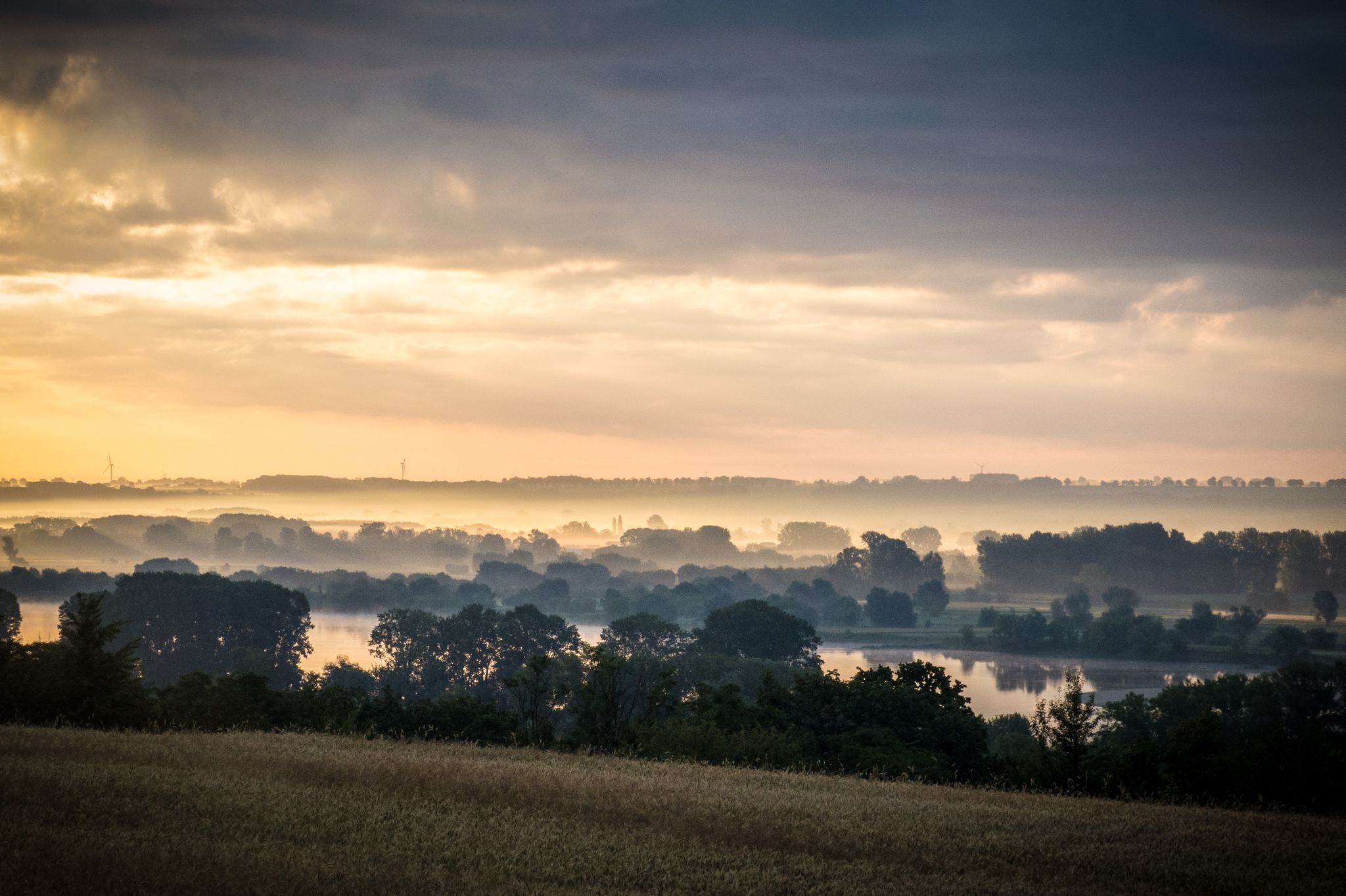
Family friendly hiking trails around Nadwiślański Park Krajobrazowy traverse a diverse landscape shaped by glacial history, primarily along the Vistula River. The park features a mix of flat and undulating moraine uplands, with elevations generally around 90 to 92 meters above sea level. Hikers will find varied terrain including well-preserved riparian forests, wetlands, and areas where steep cliffs meet the riverbed. The region is characterized by its ecological corridor status, connecting the Baltic Sea with the Carpathians.
Best family friendly…
Last updated: August 22, 2026
4.5
(2)
17
hikers
Moderate hike. Good fitness required. Easily-accessible paths. Suitable for all skill levels.
4.7
(3)
136
hikers
9.12km
02:22
50m
50m
Moderate hike. Good fitness required. Easily-accessible paths. Suitable for all skill levels.

Sign up for free
4.0
(3)
60
hikers
5.13km
01:21
50m
50m
Easy hike. Great for any fitness level. Easily-accessible paths. Suitable for all skill levels.
13
hikers
Easy hike. Great for any fitness level. Easily-accessible paths. Suitable for all skill levels.
11
hikers
Easy hike. Great for any fitness level. Easily-accessible paths. Suitable for all skill levels.
Get access to more routes and recommendations from other explorers.
Sign up for free
Already have an account?
Our route recommendations are based on thousands of hikes, rides, and runs completed by other people on komoot.
Start today with a free account
Your next adventure awaits.
Login or Signup
Popular around Nadwiślański Park Krajobrazowy
Other adventures around Nadwiślański Park Krajobrazowy

Tips from the Community

Chełmno A bit poor, quiet and in places neglected, but it has something about it that makes you want to return. I'm here every year or two and with each visit I like it more and more. It is one of the best-preserved medieval towns in Poland. To this day, its 13th-century urban layout has survived almost intact, and over two kilometers of defensive walls are among the best preserved in the country. A walk along them and through the narrow streets gives a much better idea of a medieval town than many history lessons. The center had a huge impact on the development of urban planning and self-governance in this part of Europe. It was from here that the order began to organize the administration of the conquered lands, and the town became a model for subsequent settlements. In 1233, the Teutonic Knights granted it the so-called Chełmno Law – a medieval "city user manual" that defined the principles of self-governance, trade, and justice. The solution proved so practical that over 200 towns and about 1500 villages in the territory of present-day Poland were later founded according to Chełmno Law. Chełmno is called the City of Lovers. All thanks to the relics of St. Valentine kept in the parish church. It's worth sitting down for a coffee in the market square and just watching. There are no crowds here like in Toruń or Gdańsk, but there is peace and the atmosphere of a small town that doesn't need to prove anything. If I had to point out the most charming small town in Kuyavia and the Chełmno Land, Chełmno would be very high on this list.
1
0

A combination of two buildings from different eras: a brick medieval gate with an added Baroque chapel above (!) the road. Unfortunately, due to moisture and lack of security, the chapel above the road is inaccessible. Note the unusual Pietà on the road (Mary with raised arms, not embracing the body).
0
0

Stunning town hall, plenty of benches around the square to admire it from. You can also find food and a bike repair stand nearby.
0
0

Interesting place. Nearby there is a nice, well-kept park and the entrance to the old town through a historical gate.
0
0

It is a residential complex consisting of two palaces (the Old Palace and the New Palace) and a beautiful park. It is also a cultural and recreational center. There is even a museum of old, historic pianos!
0
0

Local bastards with scooters spit on passersby 🤬☝🏾
2
0

The history of this place in a nutshell: Ostromecko Old Palace - already in the 13th century it was the site of a former knight's manor, and later in the 16th century a noble manor. In the 1750s, in place of the modest noble residence in Ostromecko, Paweł Michał Mostowski of the Dołęga coat of arms (1721–1781), Pomeranian voivode in the years 1758–1763, built a palace in the Dresden Baroque style, now called the Old Palace. After the first partition of Poland in 1772, Ostromecko was incorporated into the Kingdom of Prussia. From 1804, the owners became the wealthy merchant family Schönborn from Grudziądz. In 1832, Jakub Martin Schönborn commissioned the construction of a new residence, the so-called New Palace. At the same time, he began to arrange a landscape park in the English style, designed by the Prussian royal gardener. In 1873, the Schonborn and Alvensleben families were united in Ostromecko (Marta Matylda Maria Schönborn + Albrecht von Alvensleben) At the end of the 19th century, the Ostromecko estate was one of the largest in the Chełmno district. It covered an area of 3,000. hectares, where seven farms, a sawmill, a distillery, a brickyard and a mineral water plant operated. In 1920, under the Treaty of Versailles, Ostromecko was incorporated into the Polish state. The Ostromecko estate was then managed by Count Joachim von Alvensleben - a Polish citizen, of German nationality, of the Evangelical denomination, with a favorable attitude towards the Polish authorities. He employed Poles and parceled out land for them, and in 1930 he financed the monument of freedom in Ostromecko in honor of the 10th anniversary of regaining independence. In 1945, the Avensleben palaces, park and mausoleum were plundered by Soviet Army soldiers and the local population. After World War II, as part of the agricultural reform, the estates of the Alvensleben-Schonborn family were taken over by the State Treasury. In 1985, the Old Palace was taken over by the Pomeranian Philharmonic as its branch. Ignacy Paderewski in Bydgoszcz. The palace and park complex in Ostromecko was called "Bydgoszcz Wilanów" and it was planned to transform it into a cultural center radiating to the entire region. The Old Palace houses a collection (125 items) of contemporary Polish paintings and graphics, as well as a collection of 50 antique pianos and grand pianos. Additionally, valuable books and reprints of old works, mainly related to the Enlightenment era, have been collected here. Currently, all palace buildings are owned by the City of Bydgoszcz. source[https://pl.wikipedia.org/wiki/Zesp%C3%B3%C5%82_pa%C5%82acowo-parkowy_w_Ostromecku]
0
0
The Park and Palace Complex in Ostromecko is also a place of interesting cultural events, including publicly available ones, often organized outdoors near the palace, which can be combined with a bicycle trip. I still remember Sunday bicycle trips from Toruń to Ostromecko combined with an open-air concert of excellent opera performers as part of the publicly available Sunday "Music Terraces" under the new palace. https://www.komoot.com/pl-pl/tour/1676977928
0
0
Frequently Asked Questions
How many family-friendly hiking trails are available in Nadwiślański Park Krajobrazowy?
There are over 20 family-friendly hiking trails in Nadwiślański Park Krajobrazowy, with 17 of them rated as easy, making them ideal for families with children. These routes offer a variety of landscapes, from river valleys to forested uplands.
What is the best time of year to go hiking with family in Nadwiślański Park Krajobrazowy?
The best times to visit for family hiking are spring and autumn. During these seasons, temperatures are comfortable, and the park's diverse flora offers vibrant colors, enhancing the experience of exploring the lush greenery and varied terrain.
Are there any circular routes suitable for families?
Yes, there are several circular routes perfect for families. For example, the Myślęcińska Hill loop from Myślęcinek offers a moderate 8.8 km walk, while the Hiking loop from Myślęcinek is an easier option at just under 5 km.
What kind of natural features can we expect to see on family hikes?
Nadwiślański Park Krajobrazowy is rich in natural beauty. You can expect to traverse the picturesque Vistula River Valley, encounter flat and undulating moraine uplands, and explore diverse forested areas, including well-preserved riparian forests and wetlands. The park also features unique geological formations and 14 nature reserves protecting unique plant and animal species.
Are there any historical landmarks or interesting sights along the trails?
Absolutely! The region combines natural beauty with historical interest. You can visit the 14th-century Gothic Świecie Castle, which offers exhibitions and scenic views. Additionally, interesting bridges like the Fordon Bridge and the Gen. Stanisław Skalski Bridge in Chełmno provide architectural points of interest connecting the Vistula's banks.
What do other hikers enjoy most about family-friendly trails in Nadwiślański Park Krajobrazowy?
The area is highly rated by the komoot community, with an average score of 4.8 stars from over 240 reviews. Hikers often praise the diverse landscapes, the well-preserved natural environments, and the variety of trails suitable for different family abilities, from easy strolls to more moderate adventures.
Are there any trails that offer good viewpoints for families?
Yes, several spots offer excellent views. For instance, you can find a stunning View of the Lower Vistula Valley from Kozielec or enjoy a View of Bydgoszcz from Myślęcinek. These viewpoints provide great opportunities for family photos and appreciating the expansive scenery.
Can we combine a hike with exploring a historic town?
Certainly! The Chełmno Renaissance Town Hall – Chełmno Market Square loop is an excellent easy route that allows you to explore the charming historic town of Chełmno, known for its well-preserved medieval layout, while enjoying a pleasant walk.
Are there any specific nature reserves that are good for family exploration?
The park contains 14 nature reserves. The Grabowiec reserve, for example, features a well-preserved relict oak-hornbeam forest and an educational path approximately 1.5 km long, which can be a great option for families interested in learning about local flora.
What is the longest family-friendly trail available?
One of the longer family-friendly options is the Black trail named after Prof. Krystyna Wyrostkiewicz: Chelminski Landscape Park, which spans over 18 km. While it's rated moderate, its relatively low elevation gain makes it manageable for families looking for a longer day out.
Most popular routes around Nadwiślański Park Krajobrazowy
Most popular attractions around Nadwiślański Park Krajobrazowy

Get inspired with the komoot mobile app


Explore more
Browse the best Hikes in other regions.
