Attractions and Places To See around Parque Nacional de Doñana - Top 11
Best attractions and places to see around Parque Nacional de Doñana include a UNESCO World Heritage site known for its vital wetlands and rich biodiversity. This region in Andalusia, Spain, serves as a critical migratory and breeding ground for numerous bird species and a refuge for endangered animals like the Iberian lynx. The park features diverse landscapes, including extensive marshlands, significant dune systems, and unspoilt Atlantic beaches. Cultural sites such as El Rocío village also contribute to the area's appeal.
…Last updated: July 7, 2026
Hermitage of El Rocío
Highlight • Religious Site
Translated by Google •
Tip by

Doñana - Sanlúcar de Barrameda Ferry
Highlight • Rest Area
Tip by

Sign up now to discover places like this
Get recommendations on the best single tracks, peaks, & plenty of other exciting outdoor places.
Sign up for free
Torre Carbonero Beach
Highlight (Segment) • Beach
Translated by Google •
Tip by

Castilla Beach (Doñana National Park)
Highlight • Beach
Translated by Google •
Tip by

Charco de la Boca
Highlight • Lake
Translated by Google •
Tip by

Sign up for free to discover even more attractions around Parque Nacional de Doñana.
Sign up for free
Already have an account?
Start today with a free account
Your next adventure awaits.
Login or Signup
Popular around Parque Nacional de Doñana
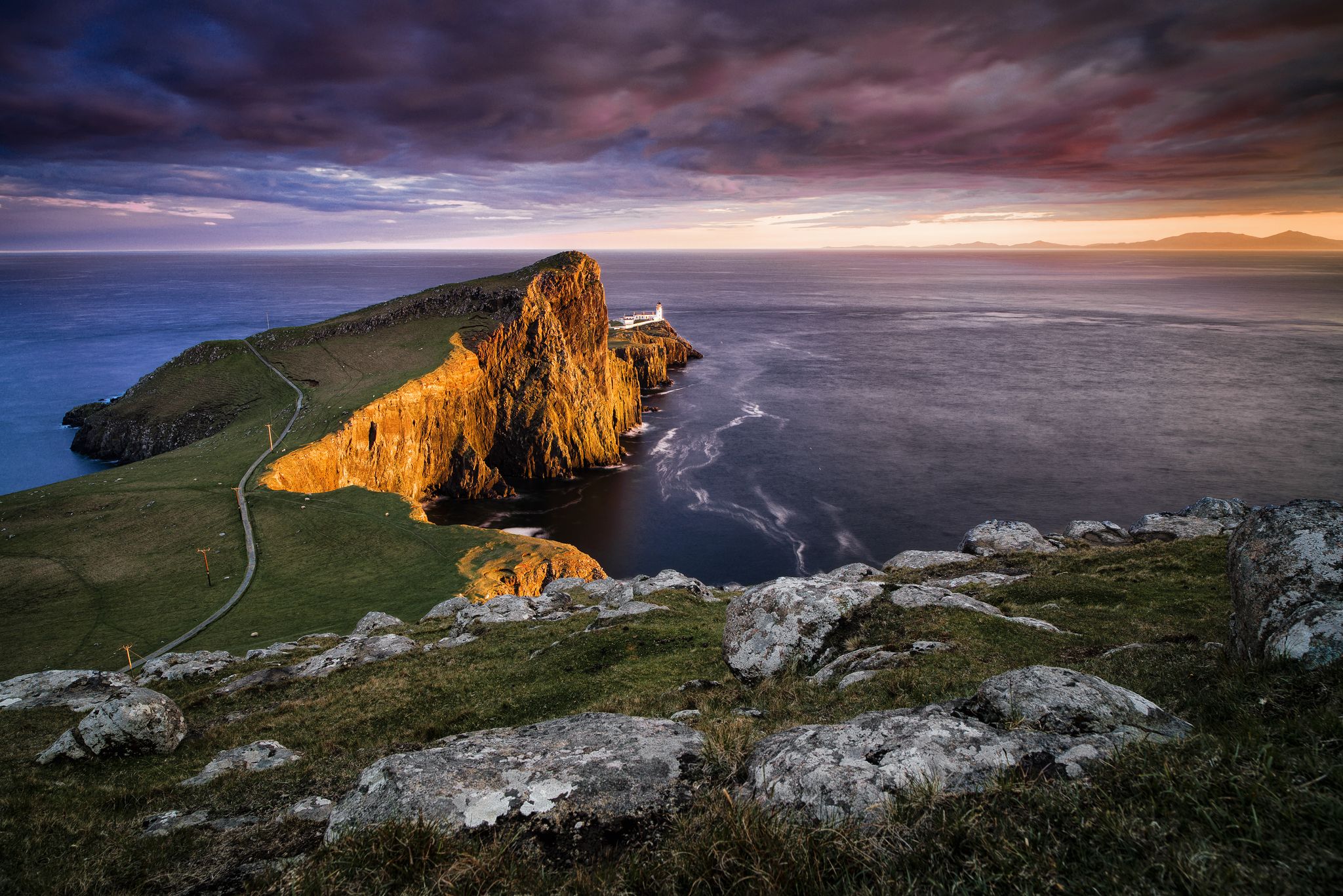
Epic sunset spots in Western Europe
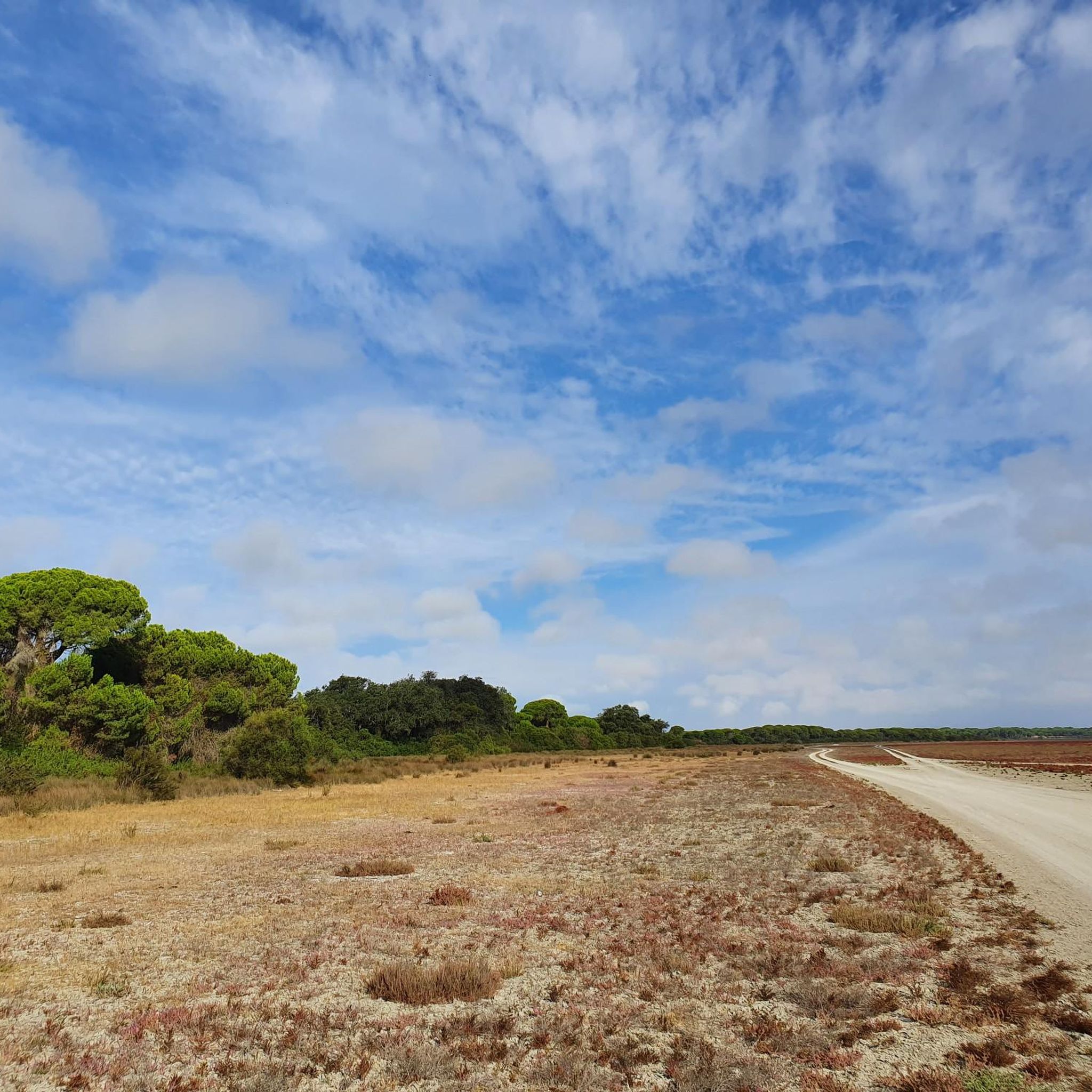
Hiking around Parque Nacional de Doñana
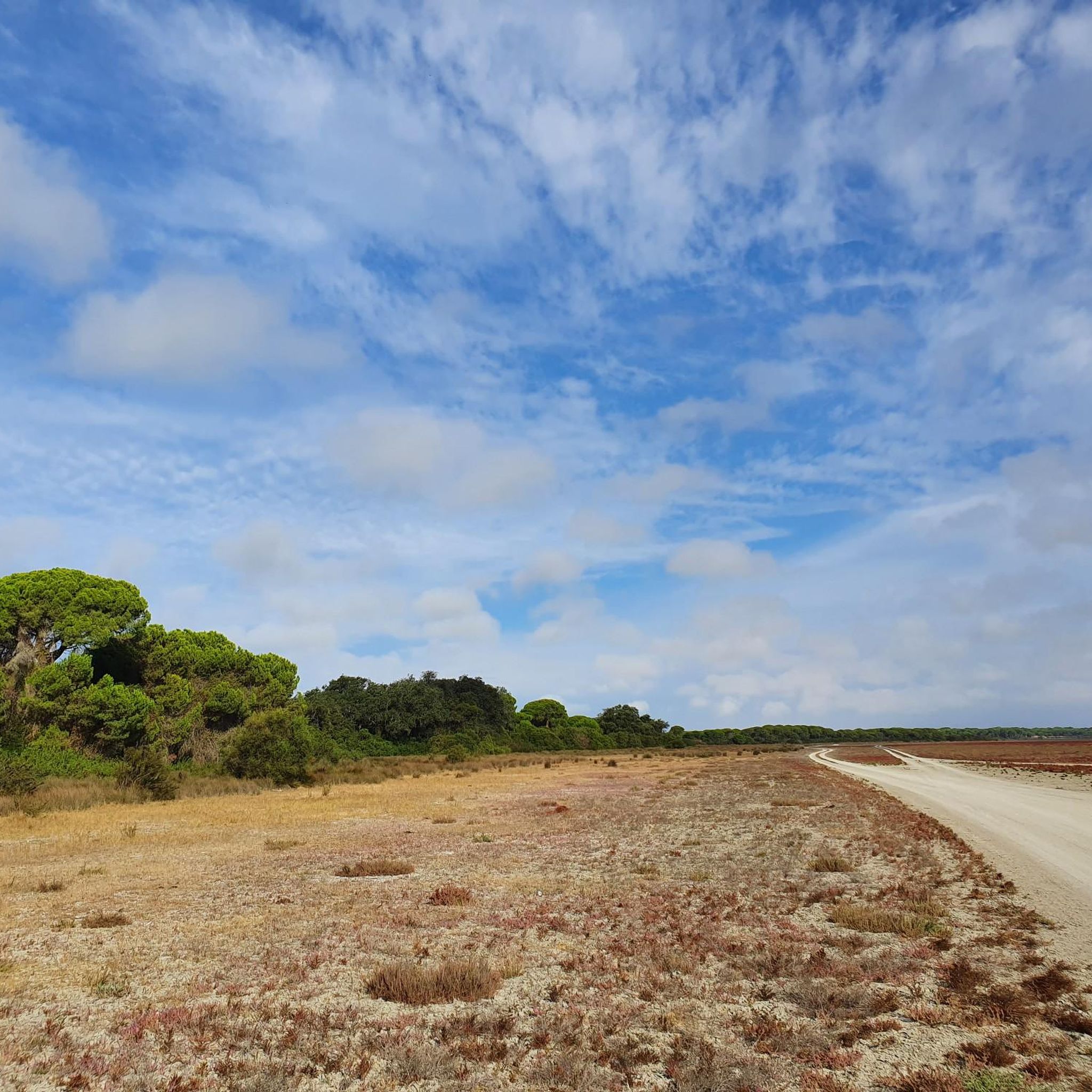
Cycling around Parque Nacional de Doñana
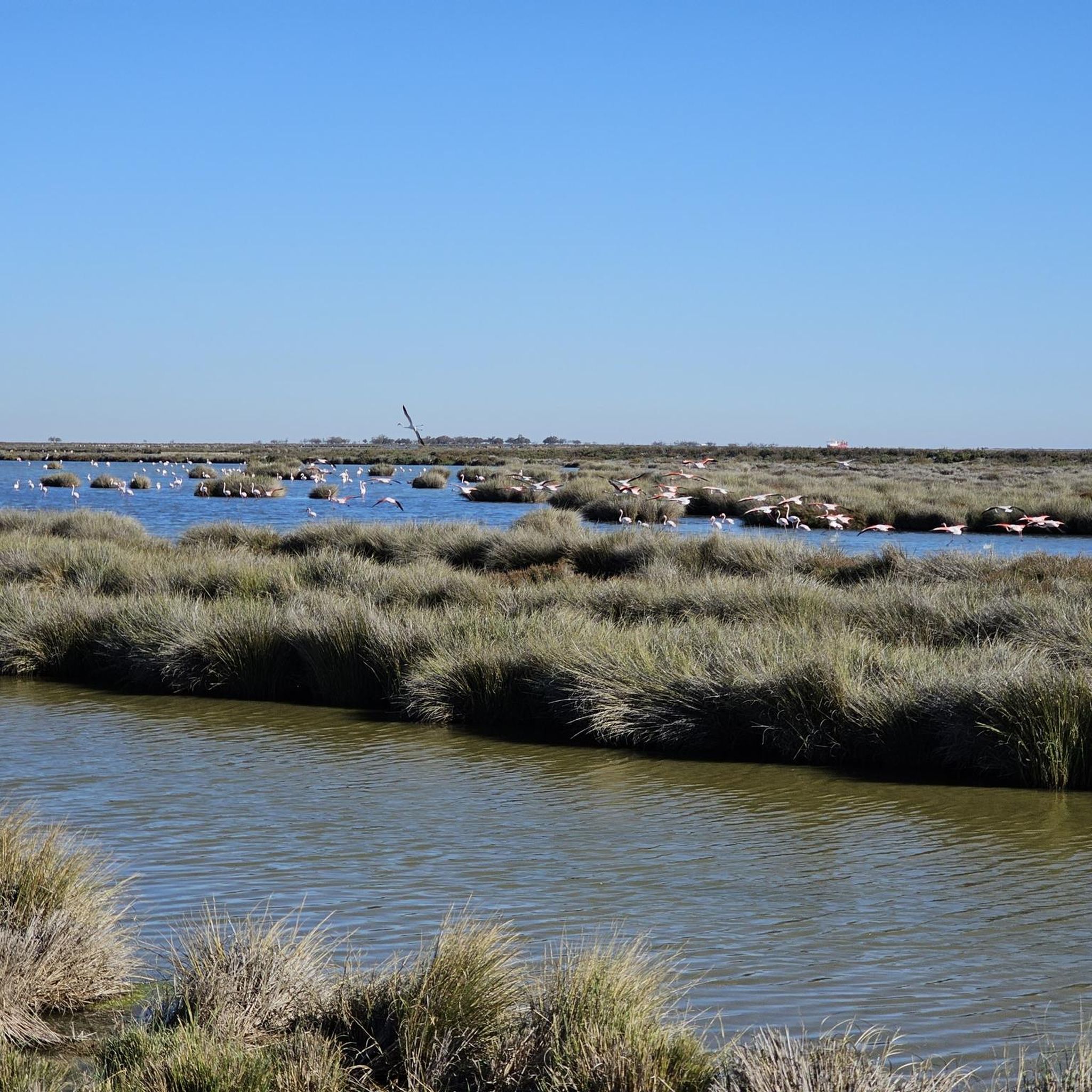
Running Trails around Parque Nacional de Doñana
MTB Trails around Parque Nacional de Doñana
Road Cycling Routes around Parque Nacional de Doñana
Gravel biking around Parque Nacional de Doñana
Other adventures around Parque Nacional de Doñana

Tips from the Community

The ferry runs from sunrise to sunset. You have to call the number and then the ferry will come. Out of season it can take a while for it to pick you up, but it will come.
1
0

Undoubtedly one of the greatest epicenters of Marian devotion in the world, the Sanctuary of Nuestra Señora del Rocío is visited by hundreds of thousands of believers throughout the year. Surrounded by marshes and fervor, the sanctuary stands in the village of El Rocío in Almonte, a magical and esoteric place where all roads converge.
6
1

About 1,000,000 come every year! Pilgrims
9
0

Since the middle of the 18th century, pilgrimages (Romerías) have taken place on a large scale in El Rocío. Today, what happens in the town every year during Pentecost can be described as a huge spectacle. And as one of the weirdest religious celebrations on the European continent. Around a million (!) pilgrims come to El Rocío from all parts of the country at Pentecost. The highlight is the procession that begins on the night of Whit Monday. The almost human-sized, festively decorated Madonna is then carried under a canopy through the surging crowd for around twelve (!) hours.
1
2

Yes, it's difficult to drive, like when you're constantly going up a 6-8% grade We also had panniers and front bags, handlebar bags. It took us 4 hours with breaks, so don't wait for the tide to go out, starting a little earlier is very good. As already written, there is no shade, no bushes and only a few shrimp fishermen were out. The experience is extraordinary and makes up for the hardship.
1
1

Very difficult but what an adventure! Probably the toughest 30km of our tour (so far). We had loaded touring bikes (with road tires, panniers and handlebar bags etc). As others have advised it made a huge difference to let out air from tires. Would advise to start cycling around 2 hours before low tide. There is no shade, are completely exposed, and so have no option but to push on! We did it in 3 hours cycling time but this included strong headwind which caught us off guard and slowed our pace. IMPORTANT: completely depends on tide times, which, to use that old nautical idiom, means you really are stuck between the devil and the deep blue sea!
1
0

After Santiago the 2nd largest pilgrimage church in Spain. Thousands of visitors over Pentecost.
4
1

Brilliant backdrop that isn't one! Everything is real! The western town is awesome. Here at the church in the outbuilding you can light candles. This building and the church can also be seen in the video here: https://youtu.be/hnqMIt_kL3o
3
0
Frequently Asked Questions
What natural features can I explore in Parque Nacional de Doñana?
Parque Nacional de Doñana is renowned for its diverse natural landscapes. You can discover extensive marshlands (Las Marismas), significant mobile dune systems like the Asperillo Dunes, and unspoilt fine-sand beaches along the Atlantic coast, such as Castilla Beach. The park also features various lagoons, including Charco de la Boca, and Mediterranean scrub woodlands.
Are there family-friendly attractions or activities in the area?
Yes, several attractions are suitable for families. The Charco de la Boca is an ideal spot for birdwatching with an accessible footpath. Many visitor centers, such as El Acebuche and La Rocina, offer trails and observatories that are great for all ages. The Palacio del Acebrón Visitor Centre also houses a museum dedicated to local customs.
What cultural or historical sites can I visit around Parque Nacional de Doñana?
The region offers rich cultural and historical experiences. The charming white village of El Rocío, famous for its sanctuary, the Hermitage of El Rocío, and its annual pilgrimage, is a significant cultural highlight. You can also find archaeological remains of Roman settlements and the Palacio del Acebrón, which now serves as a museum.
When is the best time to visit Parque Nacional de Doñana?
The best time to visit often depends on your interests. Winter is excellent for birdwatching, as thousands of migratory birds, including flamingos and geese, flock to the marshlands. Spring is vibrant with wildflowers and the famous Rocío pilgrimage. The milder temperatures of spring and autumn are generally ideal for exploring the park's trails and natural beauty.
What outdoor activities are available near these attractions?
The area around Parque Nacional de Doñana offers a variety of outdoor activities. Hiking is very popular, with trails like the 'Doñana Natural Park - circular via the Charco de la Boca Trail' and the 'Raya Real Trail'. You can find more details and routes in the Hiking around Parque Nacional de Doñana guide. Cycling is also an option, though some beach sections, like Torre Carbonero Beach and Castilla Beach, can be challenging depending on tide conditions and tire type. Running trails are also available, as detailed in the Running Trails around Parque Nacional de Doñana guide.
Are there specific hiking trails suitable for different skill levels?
Yes, there are trails for various skill levels. Easy options include the 'Doñana Natural Park - circular via the Charco de la Boca Trail' and the 'Matalascañas Dune Park Loop'. For moderate hikes, consider the 'Raya Real Trail' or 'Doñana Natural Park - Acebrón Pond'. You can explore more options in the Hiking around Parque Nacional de Doñana guide and the Easy hikes around Parque Nacional de Doñana guide.
What are the best places for birdwatching in Doñana?
Doñana is a paradise for birdwatchers. The marshlands are key, especially during winter. The José Antonio Valverde Visitor Centre, located in the heart of the marshlands, offers excellent viewpoints for observing flamingos and other water birds. The La Rocina Visitor Centre and Charco de la Boca are also ideal for birdwatching.
How can I cross between Doñana and Sanlúcar de Barrameda?
You can cross between Doñana and Sanlúcar de Barrameda using the Doñana - Sanlúcar de Barrameda Ferry. This facility transports visitors across the river and is a practical option, especially for cyclists. It's advisable to check the schedule and conditions, particularly if you are cycling with heavy loads, as beach conditions can be challenging at high tide.
What do visitors enjoy most about the beaches in Doñana National Park?
Visitors appreciate the unspoilt, fine-sand beaches along the Atlantic Ocean for their tranquil environment. Castilla Beach, for example, is a natural monument offering a serene escape. However, cyclists often note that certain sections can be very challenging depending on tide conditions, requiring careful planning.
Are there any visitor centers to help plan my visit?
Yes, there are several visitor centers that serve as excellent starting points. El Acebuche Visitor Centre near Matalascañas is the main interpretation center. La Rocina Visitor Centre is great for birdwatching, and José Antonio Valverde Visitor Centre offers prime views of the marshlands. The Palacio del Acebrón Visitor Centre provides insights into local traditions. These centers offer valuable information and often guided tours.
What unique wildlife can I hope to spot in Doñana National Park?
Doñana National Park is a critical refuge for endangered species. You might be lucky enough to spot the elusive Iberian lynx or the majestic Spanish imperial eagle. The park is also a vital migratory and breeding ground for numerous bird species, including large populations of flamingos, geese, and storks, especially during the winter months.
Can I cycle along the beaches in Doñana National Park?
Cycling along the beaches, such as Torre Carbonero Beach and Castilla Beach, is possible but can be very challenging. It's strongly recommended to cycle at low tide and with wide tires, or to let out air from thinner tires, as the sand can be very soft. Be aware that there is no shade, and some sections are long and exposed. Planning your ride according to tide times is crucial.
Most popular routes around Parque Nacional de Doñana
Most popular attractions around Parque Nacional de Doñana

Get inspired with the komoot mobile app


Explore more
Still not found the Highlight you’re looking for? See guides of the top attractions in other regions:
